What Is Aluminium Window Repair and How Much Does It Cost? This guide explains the practical work behind Aluminium Window Repairs and the costs homeowners may encounter. Aluminium frames are strong, but seals, handles, hinges, rollers, and glass can still fail. A stiff sliding panel may need adjustment, not replacement. A cold draught may point to a worn gasket or poor alignment.
James Carter, a senior aluminium window repair technician with more than 15 years of field experience, says, “The visible fault is not always the real fault; diagnosis saves customers from unnecessary replacement.” That advice matters when a window rattles, leaks, or refuses to close. A careful inspection should check the frame, drainage channels, locking points, glazing, and surrounding wall. Small details matter.
Typical repair prices vary by location, access, window size, and component quality. Replacing a handle or seal may cost less than repairing a damaged locking mechanism. Glass replacement usually costs more, especially with double glazing, obscure glass, or unusual measurements. Powder-coating damage can also require specialist treatment. Prices may rise when parts are discontinued.
Still, repair is not automatically cheaper. A badly distorted frame can waste labour and deliver a temporary result. I have seen homeowners focus on the quote, then overlook the cause of repeated failure. That is an imperfect approach. A reliable assessment should explain the fault, recommended remedy, expected lifespan, and full cost before work begins. This article explores those points in clear, practical detail.
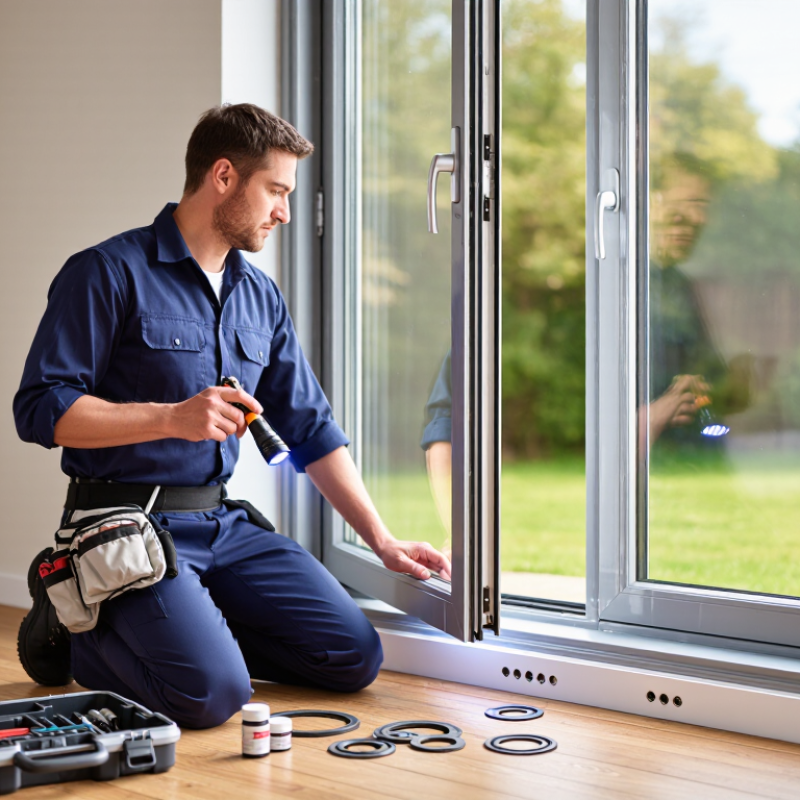
Aluminium window repair means restoring a window’s safe movement, weather resistance, and structural performance. It may involve replacing worn rollers, adjusting hinges, renewing handles, resealing glass, or repairing damaged frames. A careful technician checks the frame, drainage channels, gaskets, and locking points before recommending work. A loose sash may only need adjustment. Bent aluminium usually requires more attention.
The U.S. Department of Energy reports that windows can account for 25–30% of residential heating and cooling energy use. This does not mean every draft requires replacement. Sometimes, a hardened gasket or failed seal causes the problem. The International Energy Agency also identifies efficient building envelopes as important for reducing energy demand. However, repair quality matters. Poorly applied sealant can trap water behind the frame. That creates a hidden risk.
Costs vary by location, access, window size, and part availability. Minor adjustments may take under an hour, while glass or frame repairs need specialised equipment. Industry maintenance guidance commonly recommends documenting defects before pricing the job. Photographs help, but they cannot replace an inspection. A repair is not always the cheapest long-term choice. If corrosion has weakened the frame, replacement may provide better value. That judgment should be based on evidence, not a quick sales estimate.
Aluminium windows usually need repair when they stop opening smoothly or fail to close tightly. Stiff handles, loose locks, and damaged hinges are common warning signs. A scraping sound may indicate worn rollers or a misaligned sash. Draughts around the frame can come from compressed gaskets, poor adjustment, or movement in the surrounding wall. These causes can look similar, so guessing often wastes money.
Water marks on the sill deserve prompt attention. They may point to blocked drainage channels, failed seals, or incorrect installation. Cloudy double glazing usually means moisture has entered the sealed glass unit. The glass, rather than the aluminium frame, may need replacement. Small areas of oxidation can sometimes be cleaned and treated. A bent frame or damaged thermal break usually requires more specialist work. I have seen quick adjustments help briefly, then fail again.
Repair prices depend on access, parts, and the fault’s severity. Minor handle, hinge, or roller repairs often cost around £80–£180. Replacing seals may cost £100–£250 per window, while a sealed glass unit can cost more. These figures vary by region and window size. A reliable contractor should inspect the drainage, frame alignment, hardware, and seals before quoting. Do not accept a diagnosis based only on a visible draught. That shortcut can miss hidden movement or water damage.
| Aluminium Window Problem | Common Symptoms | Likely Repair Work | Typical Repair Cost (GBP) | Typical Time | Repair or Replacement? |
|---|---|---|---|---|---|
| Loose or broken handle | The handle feels loose, does not turn correctly, or fails to operate the locking mechanism. | Adjust or replace the handle, then test and realign the lock. | £60–£150 | 1–2 hours | Repair is normally suitable unless the surrounding frame is damaged. |
| Faulty lock or locking mechanism | The window will not lock, is difficult to open, or the key turns without engaging. | Clean, adjust, lubricate, or replace the lock, gearbox, keeps, or related hardware. | £90–£220 | 1–3 hours | Repair is usually practical when the frame and sash remain sound. |
| Misaligned sash or casement | The window catches on the frame, has uneven gaps, or will not close fully. | Adjust hinges, friction stays, keeps, and frame alignment; tighten or replace fixings where necessary. | £80–£180 | 1–2 hours | Repair is generally preferable to replacement. |
| Worn hinges or friction stays | The opening section drops, feels heavy, or moves sideways when opened. | Replace worn hinges or friction stays and realign the opening section. | £90–£200 | 1–3 hours | Repair is normally effective if the fixing points are not damaged. |
| Sliding window rollers or tracks | The sliding panel sticks, drags, rattles, or comes off the track. | Clean the track, adjust or replace rollers, and realign the sliding panel. | £120–£300 | 2–4 hours | Repair is suitable unless the track or frame is badly distorted. |
| Damaged or failed weather seals | Cold draughts, water ingress, noise, or visible gaps around the opening section. | Remove deteriorated seals and install compatible gaskets, brushes, or sealant. | £80–£220 | 1–3 hours | Repair is usually the most cost-effective option. |
| Misted or cloudy double-glazed unit | Condensation or a permanent cloudy appearance between the panes of glass. | Replace the sealed glass unit while retaining the existing aluminium frame. | £180–£450 | 2–4 hours | Glass-unit replacement is normally possible without replacing the whole window. |
| Cracked or damaged glass | A visible crack, broken pane, impact damage, or unsafe glazing. | Measure and replace the glass unit; safety glass may be required depending on location. | £200–£500 | 2–5 hours | Replace the glass promptly. The frame may not need replacement. |
| Water leakage around the frame | Water appears on the sill or wall during rain, often around joints or drainage points. | Clear drainage channels, renew seals, repair joints, and correct the window alignment. | £100–£300 | 2–5 hours | Repair is suitable when the frame is structurally sound; persistent leaks require investigation. |
| Blocked or damaged drainage holes | Water remains inside the frame or drains into the room instead of outside. | Clear blocked drainage routes and replace damaged drainage covers or components. | £60–£150 | 1–2 hours | Repair is normally straightforward and should be completed before water causes further damage. |
| Surface corrosion or powder-coating damage | White oxidation, bubbling, flaking finish, or corrosion around joints and fixings. | Clean and treat corrosion, repair the affected finish, and improve water-shedding details. | £150–£500 | Half a day–2 days | Repair may work for limited corrosion; extensive structural corrosion may require replacement. |
| Bent, cracked, or structurally damaged frame | The frame is visibly distorted, does not hold the glass securely, or cannot be aligned. | Assess whether a frame section can be repaired; otherwise remove and replace the window. | £500–£1,500+ per window | 1–2 days | Replacement is often safer when the frame has lost structural integrity. |
| Cost guide: These are indicative UK residential prices for common repairs, including typical labour and materials but excluding unusual access requirements, extensive making-good, scaffolding, and possible VAT. Final costs depend on window size, access, glazing specification, hardware availability, and the extent of the damage. A repair assessment is recommended before deciding on full replacement. | |||||
An aluminium window repair usually starts with a close inspection. A technician checks the frame, hinges, locks, seals, and glass. Dirt in the track can look like mechanical damage. The window is opened and closed gently to locate sticking, rattling, or uneven movement. Measurements are recorded before any parts are removed. This prevents an expensive guess.
The repair area is cleaned with a soft brush and a suitable non-abrasive cleaner. Damaged screws, rollers, handles, or seals are removed carefully. A replacement part must match the frame dimensions and fixing points. Rollers are adjusted until the sash moves smoothly without scraping. New seals are pressed into clean channels, with corners joined tightly. Cracked glass requires controlled removal and correct glazing support. Safety matters here.
The frame is then checked for alignment. Small adjustments can improve security and reduce draughts. A technician tests the lock several times and inspects the seal contact around the whole edge. The window should close without force. Not every repair is successful on the first attempt. Older frames may have hidden corrosion or distorted channels, so further adjustment may be needed. Repair costs often depend on the fault, access, replacement parts, and labour time. A written assessment gives a more reliable estimate than a quick visual price.
What Is Aluminium Window Repair and How Much Does It Cost?
Aluminium window repair restores damaged frames, hinges, locks, handles, seals, or glazing. It usually costs less than replacing the complete window. Checkatrade’s 2024 window repair cost guide reports typical repair prices of about £100 to £400, although aluminium systems can cost more when specialist parts are required. A basic handle replacement may take under an hour. Bent frames or failed sealed units require more labour.
What Factors Affect Aluminium Window Repair Costs?
The damage is the main cost driver. Replacing a worn gasket is relatively simple, while correcting a twisted frame may involve dismantling surrounding sections. Glazing type matters too. Double glazing, safety glass, and unusual panel sizes increase material costs. Labour rates also vary by region, access, and urgency. A high-floor window may need additional safety equipment.
Energy performance is another practical concern. The U.S. Department of Energy states that windows can account for 25–30% of residential heating and cooling energy use. Poor seals therefore deserve attention, even when the frame looks acceptable. During a site inspection, technicians should check condensation, draughts, drainage holes, and sash alignment. Small defects can hide larger problems. A neat estimate can still be wrong. Published cost guides are useful, but they cannot replace accurate measurements and a written inspection. Repairing compatible parts is often economical; however, obsolete components may make full replacement more sensible.
Aluminium window repair usually involves replacing worn seals, adjusting hinges, clearing damaged tracks, or correcting locks. After the work, maintenance protects these repairs from moisture, dust, and repeated strain. A repaired window still needs attention.
Clean the frame every three months with warm water and mild soap. Use a soft cloth, especially around corners and drainage holes.
Remove grit from the track with a small vacuum or dry brush. Do not block the drainage openings. Water should escape freely after rain.
Check the rubber seals by closing the window on a sheet of paper. If the paper slides out easily, the seal may need adjustment or replacement.
I have seen small gaps become expensive problems when ignored.
Apply a small amount of suitable silicone-based lubricant to moving parts when they feel stiff. Avoid forcing the handle. Excessive pressure can loosen screws or bend internal hardware.
Inspect screws, hinges, and corners for movement every few months. White powder or dark marks may indicate surface corrosion, although not every stain means serious damage.
I sometimes clean too quickly myself, missing dirt under the lower seal. A slower inspection is better.
Contact a qualified repair professional if the frame becomes difficult to close, the glass shifts, or water enters during ordinary rain. Keep repair dates and observations in a simple record. It helps identify repeated faults and supports accurate future advice.
It may include adjusting hinges, replacing rollers, renewing handles, resealing glass, or repairing damaged frames. The goal is safe movement. It also improves weather resistance and structural performance.
Watch for sticking, rattling, uneven movement, loose handles, draughts, or water entering during ordinary rain. A gap under the seal matters. A technician should inspect the frame, drainage channels, gaskets, glass, and locking points.
No. A hardened gasket, failed seal, or poor alignment may cause the draught. Small adjustments can sometimes solve it. However, corrosion or a weakened frame may justify replacement after proper inspection.
The technician inspects and measures the window before removing parts. The track is cleaned with a soft brush and non-abrasive cleaner. Damaged rollers, screws, handles, or seals are replaced carefully. The sash is adjusted until it moves without scraping.
Cracked glass requires controlled removal and suitable glazing support. New seals must fit clean channels and tight corners. Poor sealing can trap water behind the frame. That hidden moisture may cause later damage.
Cost depends on the fault, window size, access, labour time, and replacement-part availability. Minor adjustments may take less than an hour. Glass or frame repairs usually require specialised equipment. A written inspection is more reliable than a quick visual estimate.
Clean the frame every three months with warm water and mild soap. Use a soft cloth around corners and drainage openings. Remove grit from tracks with a dry brush or small vacuum. Keep drainage holes open.
Close the window on a sheet of paper. If the paper slides out easily, the seal may need adjustment or replacement. Check for loose corners, white powder, dark marks, or shifting glass. I sometimes clean too quickly. A slower inspection catches more.
Aluminium Window Repairs involve restoring the performance, security, and appearance of aluminium-framed windows rather than replacing the entire unit. Common problems include damaged frames, loose or broken handles, worn seals, cracked glass, sticking sashes, water leaks, and poor insulation. A typical repair begins with inspecting the window, identifying the source of the problem, removing damaged components, cleaning and preparing the area, fitting suitable replacement parts, and testing the window for smooth operation and weather resistance.
The total cost of aluminium window repair depends on the type and severity of the damage, the size and accessibility of the window, the parts required, labour time, and whether glass or frame sections need replacement. Regular maintenance can reduce future expenses: clean tracks and frames, check seals and drainage holes, lubricate moving hardware, tighten loose fittings, and address minor faults promptly. With proper care after repair, aluminium windows can remain durable, secure, energy-efficient, and attractive for many years.
Guoxin