When selecting casement windows for your home, several factors come into play. Casement windows are unique for their ability to swing open outward, allowing for optimal ventilation and natural light. Their design is not only functional, but also adds aesthetic value to your home. However, choosing the right casement windows requires careful consideration and a clear understanding of your needs.
Consider the material, style, and energy efficiency of the casement windows you are eyeing. Various materials, such as wood, vinyl, and aluminum, all offer different benefits. The style should complement your home’s architecture, enhancing its overall appeal. Additionally, energy-efficient options can lower utility bills while providing comfort.
Despite the various choices available, homeowners often find the process overwhelming. It's essential to reflect on your priorities. Are you seeking beauty, durability, or both? Researching trusted brands and reading customer reviews can help inform your decision. Ultimately, investing in quality casement windows will pay off in the long run, providing both functionality and charm to your living space.
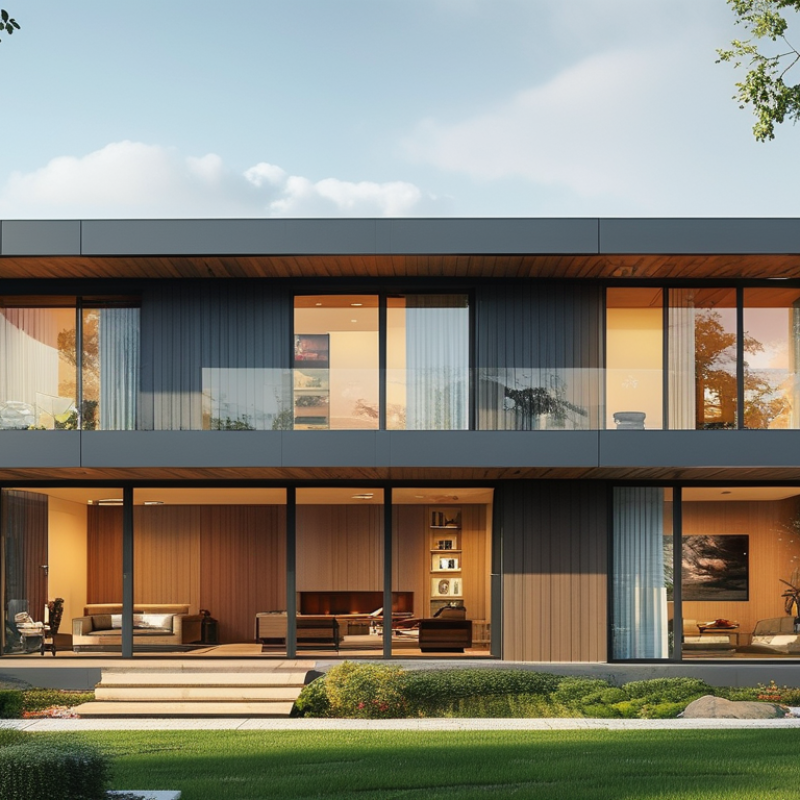
When choosing casement windows, several factors play a crucial role. Begin with the frame material.
Common materials include vinyl, wood, and aluminum. Each offers unique benefits and drawbacks.
For instance, wooden frames provide aesthetics but require regular maintenance.
Vinyl is low-maintenance yet may not fit every home’s style.
Assess the climate in your area, as it impacts material durability and insulation efficiency.
Next, think about the window size and placement.
Larger casement windows allow more light, creating an airy feel.
However, improper sizing can lead to energy loss.
Consider the view from each window. Ensure they frame your landscape effectively.
Ventilation also matters. Casement windows open outward, allowing better airflow than sliding windows.
Finally, energy efficiency should not be overlooked.
Look for windows with a good energy rating.
Choose models with low-emissivity (Low-E) glass to reduce heat transfer.
Reflect on how these windows will interact with your home’s design.
Each decision shapes the space. Balancing aesthetics with functionality can be challenging,
but it is vital for long-term satisfaction.
Casement windows offer a blend of style and functionality. They are hinged at the side and open outward, providing excellent ventilation. There are various types of casement windows, each with unique features to consider. For instance, single casement windows consist of one panel, making them ideal for narrow openings. They provide unobstructed views and enhance natural light in smaller spaces.
On the other hand, double casement windows consist of two adjacent panels. They can be opened from either side, creating a wider opening. This type promotes air circulation and can be beneficial in larger rooms. Some casement windows also come with grilles. These add a decorative touch without obstructing views. However, keep in mind that grilles can be harder to clean, which is an important aspect to reflect on.
Material matters too. Vinyl casement windows are energy efficient and low maintenance, while wood options bring warmth and elegance. Both options have their pros and cons, such as longevity and weather resistance. Be sure to weigh these aspects carefully. Choosing the right type depends on your home’s style, climate, and how much time you can dedicate to maintenance. Reflect on your needs before deciding.
When selecting casement windows, energy efficiency ratings are vital. These ratings indicate how well a window can maintain indoor temperatures. Look for windows with high U-factor and Solar Heat Gain Coefficient ratings. A lower U-factor means better insulation. It’s crucial to balance aesthetics with functionality.
Consider the window's frame. Materials like vinyl and fiberglass often provide better insulation compared to aluminum. Double or triple glazing is also essential. More panes enhance energy efficiency. However, the upfront cost may be higher. Weighing the long-term savings against initial expenses is important.
Assessing air leakage is another key factor. A well-sealed window prevents drafts and heat loss. Research air infiltration ratings to understand how much air can pass through. Some windows might look appealing but could lack efficiency. It’s worth examining all aspects carefully. Prioritize quality over style for lasting comfort and performance.
| Window Feature | Description | Energy Efficiency Rating | Recommended U-Value (W/m²K) |
|---|---|---|---|
| Frame Material | Aluminum, Vinyl, Wood | N/A | 0.30 or lower |
| Glazing Type | Double or Triple Glazing | Low-E Coating | 0.20 - 0.25 |
| Air Leakage | Tightness of seal when closed | N/A | 0.3 or lower |
| Solar Heat Gain Coefficient (SHGC) | Measures solar heat gain | 0.25 - 0.35 | N/A |
| Warranty Period | Coverage for defects | N/A | 10-20 years |
When choosing casement windows, the material matters greatly. Wood is a classic choice, offering beauty and good insulation. However, wood requires regular maintenance to prevent rot and damage from moisture. This can be a hassle for homeowners who prefer a low-maintenance option. Additionally, wood can be more expensive than other materials.
Vinyl is another popular option. It is durable and resistant to moisture, which means less upkeep. However, vinyl may not provide the same aesthetic appeal as wood. Its color choices can be limited, which might not suit every home's design. Homeowners should consider whether they want a more customizable option or something that stands sturdy and functional.
Aluminum is lightweight and strong, making it a practical choice. It's low-maintenance and provides a sleek, modern look. Yet, it isn't the best insulator, which could lead to higher energy bills. This is where the balance between style and functionality comes into play. Reflecting on these pros and cons allows homeowners to choose wisely based on their specific needs and lifestyles.
When considering casement windows, proper installation is crucial. Begin by ensuring that the window frame is level and square. This step prevents air leaks and enhances energy efficiency. Poorly installed windows can lead to drafts and increased energy costs. Sealants must be applied accurately to avoid moisture intrusion. It’s also essential to check that the hinges operate smoothly. Even minor misalignments can cause functionality issues over time.
Maintenance of casement windows is straightforward but vital. Regularly clean the window frames and glass to maintain clarity. Use a soft cloth and a mild detergent for best results. Inspect the hinges and locks periodically for signs of wear or corrosion. Lubricating these components helps them function correctly. Pay attention to the weather stripping; it should be intact to provide insulation. If you notice any damaged areas, replace them promptly. An effective maintenance routine can prolong the lifespan of your casement windows, providing reliable service for years.
: Common materials include vinyl, wood, and aluminum. Each one has distinct benefits and drawbacks.
Climate impacts the material’s durability and insulation efficiency. Choose materials suitable for your area's conditions.
Larger casement windows allow more light, but improper sizing can cause energy loss. Consider proper dimensions.
Casement windows open outward, providing better airflow compared to sliding windows. This design enhances indoor air quality.
Look for windows with a high energy rating. Low-emissivity glass can reduce heat transfer significantly.
Ensure the frame is level and square. This prevents air leaks and improves energy efficiency.
Regular maintenance is essential. Clean frames and glass often, and check for wear on hinges and locks.
Use a soft cloth and mild detergent for best results. This method keeps windows clear and appealing.
Inspect weather stripping for damage regularly. Replace any damaged areas promptly to ensure proper insulation.
Neglecting maintenance can lead to functionality issues. Drafts and reduced energy efficiency may occur over time.
When selecting casement windows for your home, several important factors must be considered. These include the window's design, size, and functionality, as well as the climate in your area and your home’s overall aesthetic. Different types of casement windows come with their own unique features, offering various opening mechanisms and styles to suit your preferences.
Energy efficiency is a crucial aspect to evaluate, as it can significantly impact your home's heating and cooling costs. Look for windows with high energy efficiency ratings to ensure optimal performance. Additionally, material options such as wood, vinyl, and fiberglass each present their own pros and cons, affecting both durability and maintenance requirements. Finally, understanding proper installation and maintenance tips will help extend the lifespan of your casement windows, ensuring they remain an attractive and functional feature in your home.

Guoxin