As the global market continues to evolve, Unique Windows from China have emerged as a standout offering. These windows combine innovative designs with advanced manufacturing techniques. They cater to diverse architectural styles and consumer preferences around the world.
The variety of materials and technologies used to create these Unique Windows is impressive. From energy-efficient options to customizable designs, buyers can find products that meet specific needs. However, the quality control processes can vary, raising questions about reliability. Navigating this market requires careful research and insight into different manufacturers.
With an increasing demand for sustainable solutions, eco-friendly windows are also gaining traction. Yet, some products may not fully meet environmental standards. Buyers need to weigh the benefits and drawbacks of each option. Exploring features, durability, and aesthetic appeal is crucial in making informed decisions.
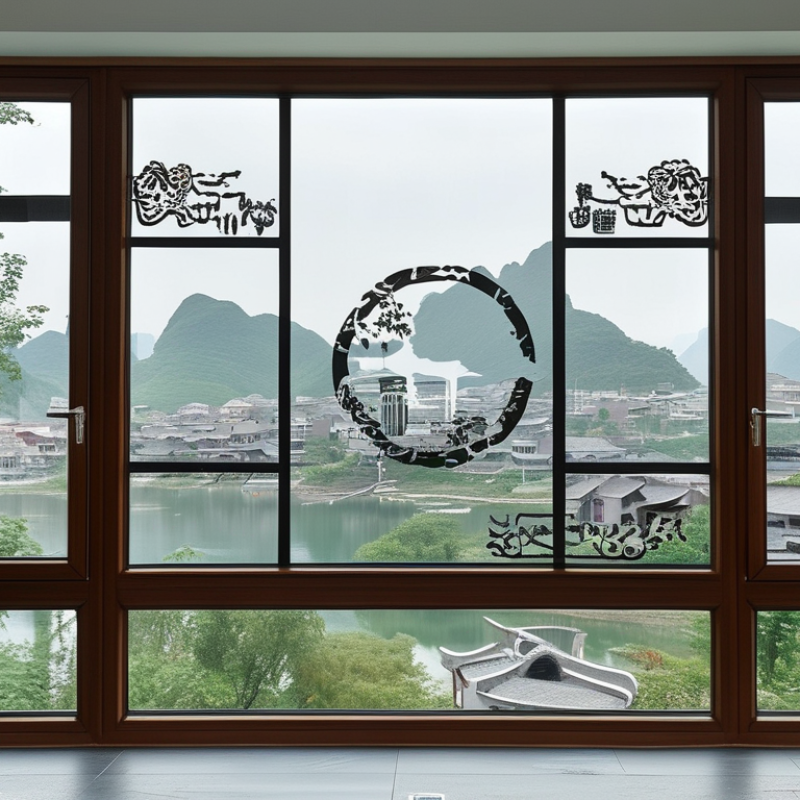
Chinese windows are gaining traction in the global market due to their unique features. A recent report from the Global Window Association highlighted a surge in demand for innovative window solutions. These products often incorporate energy-efficient technologies that attract buyers looking to reduce utility costs. For instance, double-glazed windows from China have shown a remarkable reduction in heat transfer. They can decrease energy consumption by up to 40%, an appealing statistic for environmentally conscious consumers.
Another remarkable aspect is the customizability of these windows. Many manufacturers offer designs that can be tailored to fit various architectural styles. Potential buyers appreciate the wide range of colors, shapes, and sizes. However, not all suppliers meet international standards. It's crucial for buyers to verify certifications and ensure quality before making a purchase.
The evolution of window design and technology in China reflects a rich tapestry of culture and innovation. Chinese windows have long been celebrated for their intricate woodwork and artistic patterns. In the past, these designs served both aesthetic and practical purposes. They allowed light to filter in while providing ventilation. However, modern technology has transformed traditional methods.
Today, materials like aluminum and glass dominate the market. They offer improved insulation and durability. Manufacturers are now incorporating energy-efficient technologies. This shift meets global sustainability standards while maintaining unique aesthetics. Yet, some traditional elements risk being overshadowed. Finding a balance between innovation and heritage can be challenging.
Moreover, as global buyers seek unique products, the pressure on Chinese manufacturers intensifies. They must adapt to international trends while preserving traditional craftsmanship. This pursuit of perfection leads to an interesting paradox. While striving for aesthetic appeal, some designs may lose their cultural significance.
The journey of window design in China continues to evolve, beckoning attention from buyers worldwide.
When looking for unique windows, buyers often turn to Chinese manufacturers. The country is known for producing a wide array of styles tailored to international preferences. From modern sliding windows to classic wooden frames, the variety is impressive. These windows often feature energy-efficient designs, catering to a global demand for sustainability.
Popular styles include the sleek aluminum windows, which offer durability and modern aesthetics. Many buyers appreciate these for their low maintenance and long lifespan. Another favored option is the traditional casement window, known for its excellent ventilation and classic look. Within China, craftsmanship shines, with artisans often handcrafting details that enhance the overall design.
However, buying windows from China can present challenges. Quality control may vary by manufacturer, leading to potential discrepancies. Buyers must conduct thorough research to ensure they partner with reliable suppliers. It is vital to verify certifications and reviews, as these can guide toward trustworthy options. Understanding the local market conditions can also impact decisions and outcomes.
| Window Style | Material | Thermal Insulation | Sound Insulation | Customizable |
|---|---|---|---|---|
| Sliding Window | Aluminum | Yes | Yes | Yes |
| Casement Window | uPVC | Yes | Good | Yes |
| Tilt and Turn Window | Wood | Excellent | Excellent | Yes |
| Awning Window | Fiberglass | Yes | Fair | Yes |
| Bay Window | Aluminum/Glass | Good | Good | Yes |
The competitive landscape of window manufacturing is shifting, especially with Chinese products entering the global market. A report from the International Association of Window Manufacturers highlighted that China accounted for 25% of the global window supply in 2022. This growth can be attributed to advanced manufacturing techniques and cost-effective production processes.
Chinese windows often boast impressive energy efficiency ratings. According to recent analyses, they can outperform many Western counterparts in thermal performance by 10-15%. However, some concerns arise regarding quality control and uniformity. Reports indicate variability in product consistency, prompting buyers to exercise caution and conduct thorough inspections. Not all manufacturers adhere to international standards, which can lead to discrepancies in durability and performance.
While many global players emphasize premium materials, Chinese manufacturers focus on affordability. This strategy may appeal to cost-conscious buyers but raises questions about long-term value. A study by Global Windows Insights revealed that while upfront costs are lower, the maintenance and lifespan may not compete with higher-priced alternatives. This aspect invites reflection on the trade-offs between short-term savings and long-term investment in window quality.
Chinese window production has made significant strides in sustainability and innovation in recent years. The industry is increasingly adopting eco-friendly materials and energy-efficient designs. In fact, reports suggest that about 70% of window manufacturers in China are now focusing on sustainable practices. This shift is driven by a growing global demand for environmentally friendly construction materials.
Many Chinese manufacturers utilize recycled materials in their window frames, which contributes to lower energy consumption. Advanced technologies like insulated glass and smart window systems are becoming commonplace. These innovations not only enhance thermal performance but also contribute to reduced carbon footprints. A recent study noted that using energy-efficient windows can lead to a 30% reduction in heating and cooling costs for buildings.
However, challenges remain. Some manufacturers still rely on traditional production methods, which can impede progress towards sustainability. Furthermore, the lack of standardized regulations across regions could lead to inconsistencies in product quality. Continuous investment in research and development is essential for the industry to fully align with global sustainability goals. As more companies embrace these changes, the landscape of window production in China could transform dramatically.
: Chinese windows feature energy-efficient technologies and customizable designs catering to diverse architectural styles.
They reduce heat transfer significantly, decreasing energy consumption by up to 40%, which helps lower utility costs.
Not all suppliers meet international quality standards, which can affect the durability and performance of windows.
Reviews provide insight into past customer experiences, helping to gauge the reputation and reliability of manufacturers.
Quality control can vary, leading to discrepancies in product quality that buyers need to watch out for.
Understanding the supplier's reputation ensures that buyers avoid pitfalls related to poor quality or service issues.
Prices are often lower, but this can correlate with lower quality, inviting reflection on long-term value versus short-term savings.
Common styles include modern aluminum windows and traditional casement windows, known for durability and design.
Local market conditions, supplier reliability, and product quality all impact the outcomes of window purchases.
Always request samples to assess material quality and craftsmanship before placing bulk orders.
The article "Top Unique Windows from China for Global Buyers" explores the distinct characteristics and advancements of Chinese windows within the global market. It highlights the unique features of these products, which have evolved significantly in design and technology over the years. Chinese manufacturers are producing a diverse range of window styles that cater to various aesthetic and functional needs, showcasing a blend of traditional craftsmanship and modern innovation.
Furthermore, the article provides a comparative analysis of Chinese windows against their global competitors, shedding light on their competitive advantages. Emphasis is placed on sustainability practices and innovative production methods that are becoming increasingly important in today’s market. By focusing on "Unique Windows," the article captures the essence of how Chinese offerings stand out and align with global trends in window manufacturing.

Guoxin