Engineered to exceed structural testing criteria while optimizing target budget allocations for large-scale developments.
An Analytical Whitepaper on Energy Efficiency, Safety Standards, and Procurement Mechanics.
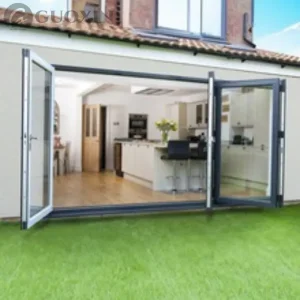
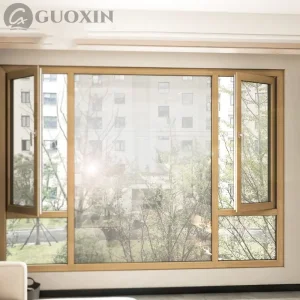
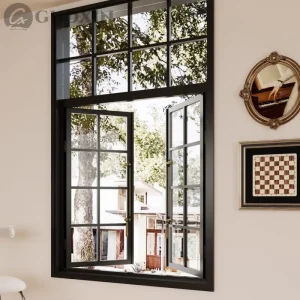
In modern architectural fenestration, the choice between inward and outward opening windows represents a critical design decision directly impacting structural integrity, interior spatial efficiency, and thermal dynamics. Outward opening systems—often structurally configured as top-hung or side-hung casements—are increasingly specified in international residential developments and commercial low-to-mid-rise complexes. This trend is driven by their superior performance in air tightness, water-shedding efficiency, and emergency evacuation integration.
Unlike inward-swinging profiles that rely purely on mechanical locking tension under high wind loads, outward opening profiles use wind pressure to their advantage. External wind load pushes the window sash tighter against the frame's weatherstripping, significantly lowering draft infiltration and water egress rates during extreme typhoons or monsoon storms.
The global demand for high-performance architectural windows is evolving alongside strict building energy efficiency guidelines. Regulatory standards like the European Union's Energy Performance of Buildings Directive (EPBD) and the United States' ASHRAE 90.1 are forcing general contractors to seek systems with exceptionally low U-factors (thermal transmittance). Consequently, manufacturers must innovate by blending high-performance insulated glass units (IGUs) with thermally broken aluminum profiles.
Simultaneously, spatial footprint minimization has become crucial in high-density urban areas. Outward opening windows completely eliminate sash interference with interior curtains, blinds, and furniture arrangements, freeing up valuable internal real estate. In the B2B sector, this layout is highly favored by hotel developers, student housing builders, and multi-family residential architects.
Discover the manufacturing pedigree of Jiangsu Guoxin Glass Co., Ltd.
Founded in 2006, Jiangsu Guoxin Glass Co., Ltd. has developed into a premium structural glass and aluminum window processing enterprise. Over a stable 20-year history, we have continuously refined our internal supply chain, research and development capabilities, and global distribution network. By integrating aluminum profile extrusion, thermal break assembly, and advanced architectural glass processing (tempering, lamination, and double glazing) under one roof, we eliminate intermediary markups, offering unmatched cost efficiency without sacrificing quality control.
Our state-of-the-art production facility houses multiple advanced production lines, each equipped with cutting-edge technology.

Heavy-duty extruded frames utilizing multi-chamber thermal breaks and premium hardware configurations.
Tested and certified heat-resistant barrier units designed for containment during building fires.
PVB and SGP interlayer sheets that maintain structural integrity when impacted.
Double and triple-glazed chambers filled with Argon gas, reducing energy loss.
Multi-layered polycarbonate and tempered glass stacks built for high-security applications.
Uncovering the Cost-to-Performance Optimization in Guoxin's Domestic Supply Chain.
The term "cheap" in modern architectural sourcing does not mean lower quality; instead, it reflects optimized production and supply chain structure. Chinese manufacturing centers have transitioned from simple low-cost assembly sites to highly integrated, automated clusters. For B2B sourcing managers, this transition yields substantial pricing discounts on outward opening windows, combined with rigorous testing standards that match international benchmarks.
Unlike many Western assembly companies that buy frames from extruders, glass from float manufacturers, and hardware from third-party distributors, Jiangsu Guoxin Glass processes all core components in-house. This vertical integration allows us to keep a strict watch over quality checks, minimize internal logistics costs, and prevent markup stack-up. The savings from this integrated production flow are passed directly to our clients.
By leveraging advanced CNC profile cutting, automated assembly robots, and continuous flat-bed glass tempering furnaces, our facilities ensure consistent, precise tolerances across large-volume orders. This automation minimizes dimensional errors, reduces material waste, and guarantees that large-scale skyscraper curtain walls or high-volume multi-family window shipments arrive on site with zero defects.
Jiangsu Guoxin Glass Co., Ltd. operates under strict compliance with the ISO 9001:2015 Quality Management System. Our window assemblies are designed to meet diverse regional requirements, including CE markings for European projects, AS2047 certification for Australia, and relevant ASTM standards for North American developers.
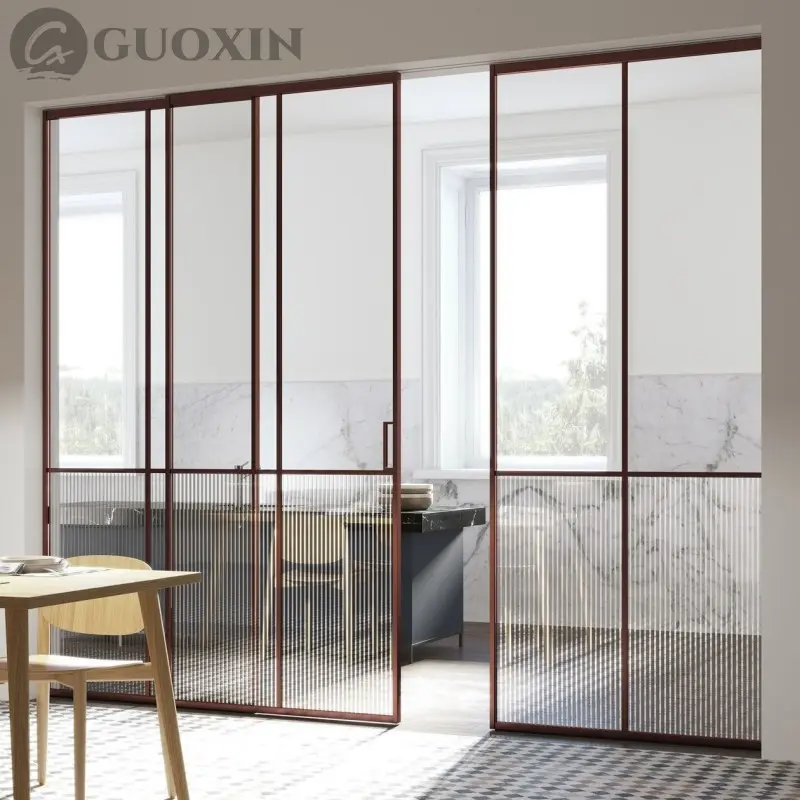
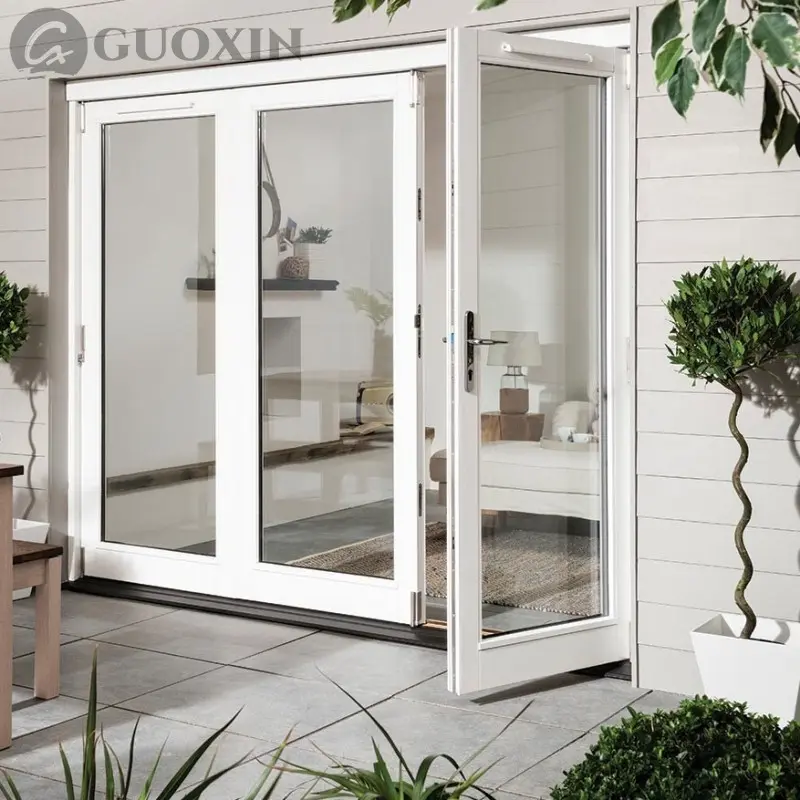
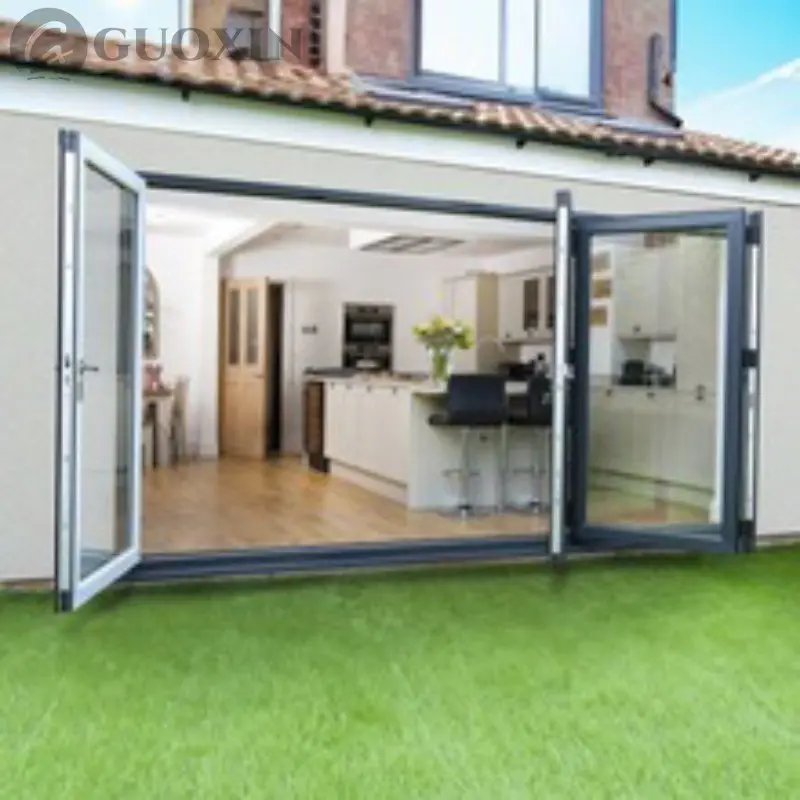
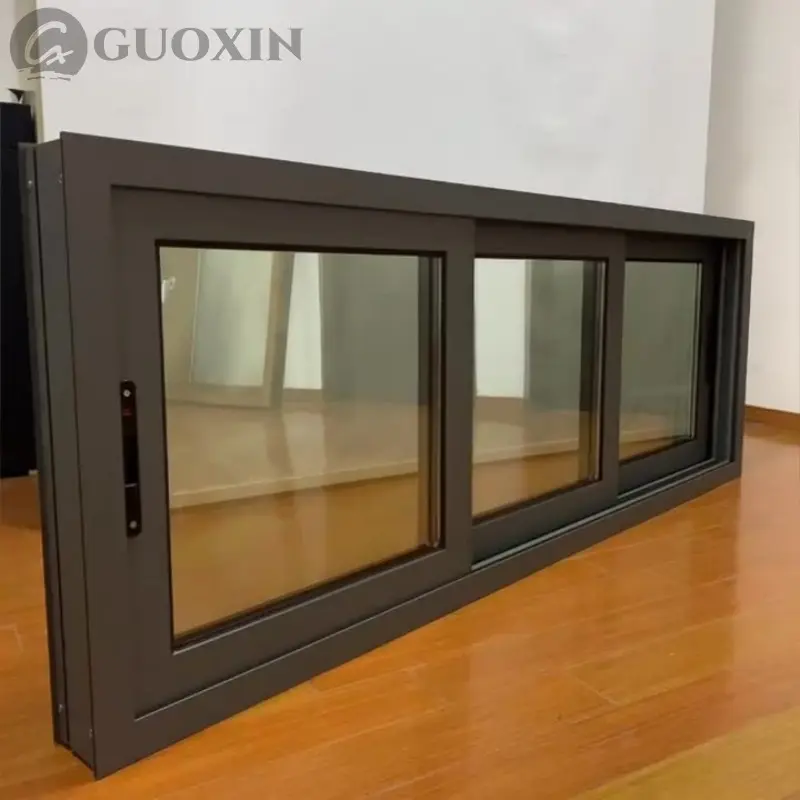
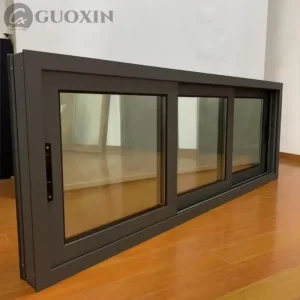
Precision-engineered sliding, casement, folding, and swing systems designed for modern buildings.

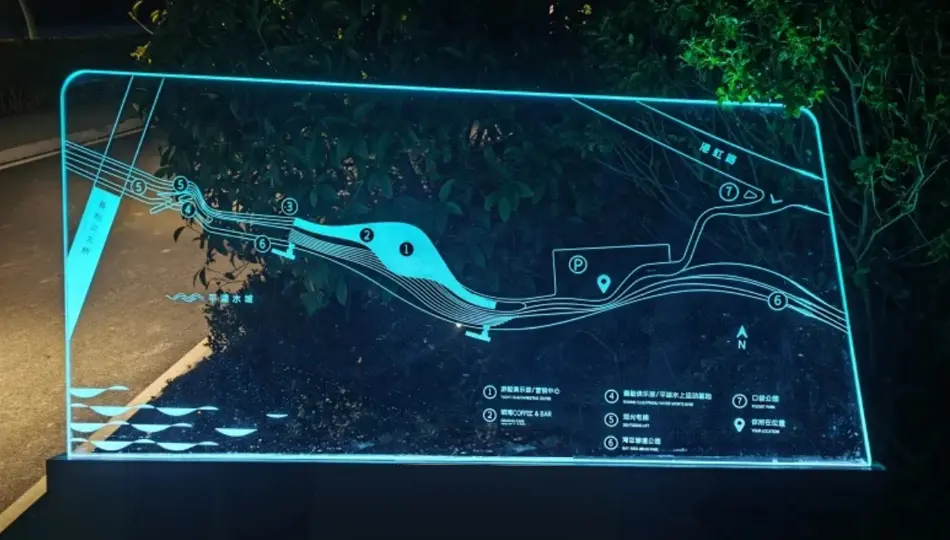
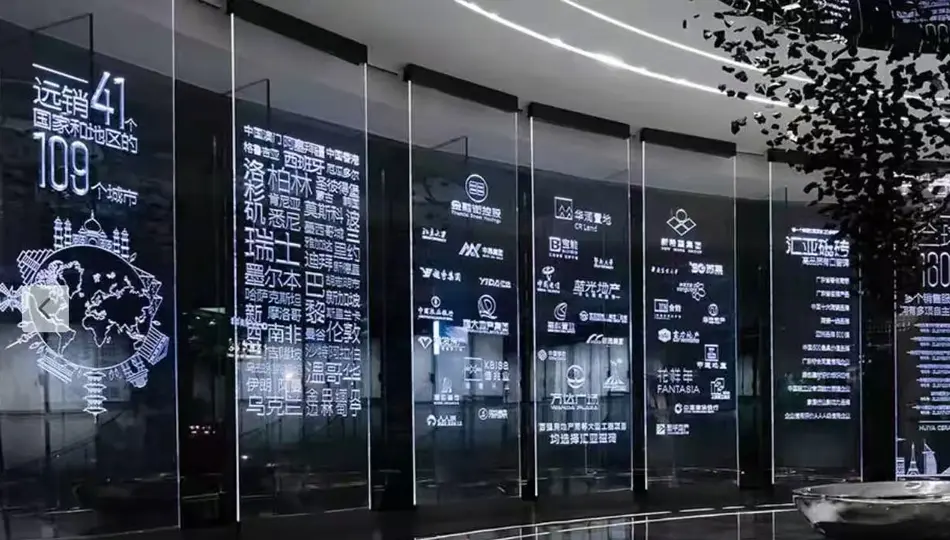
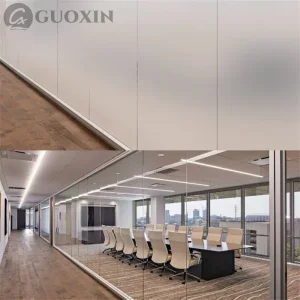
Innovative aesthetic treatments for public landscapes, structural interiors, and custom installations.
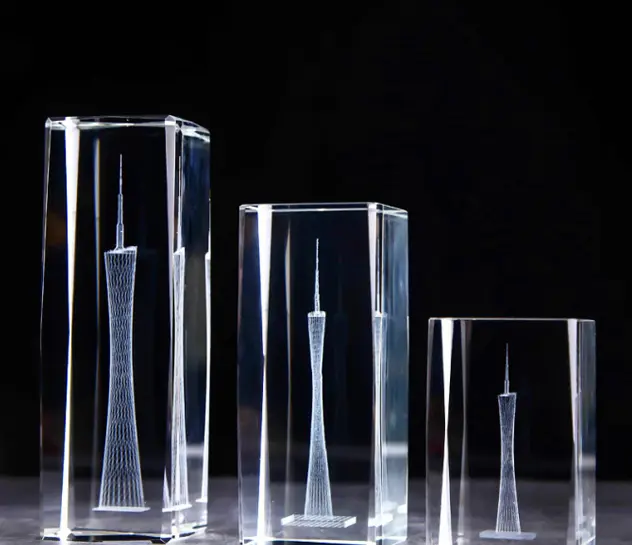
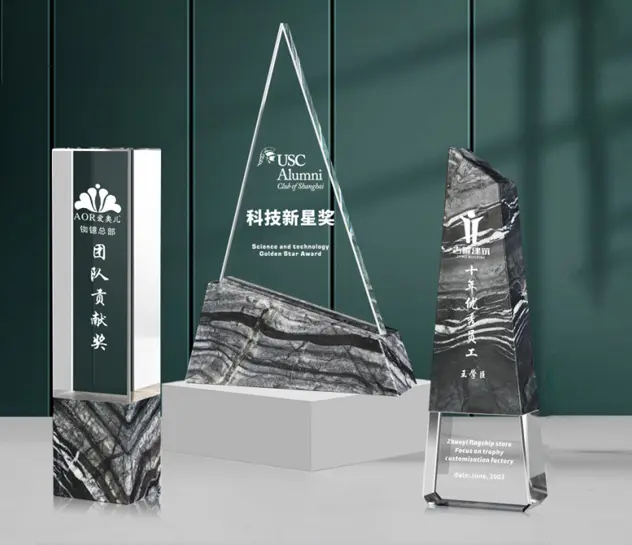

Quality First, Customer First, and Credit-Based.
We collaborate directly with global facade consultants and structural engineers to deliver custom frame profiles, specialized coatings, and certified glazing combinations for landmark projects.
Contact Our Engineering TeamExplore our global portfolio showcasing advanced structural glass and integrated window installations.
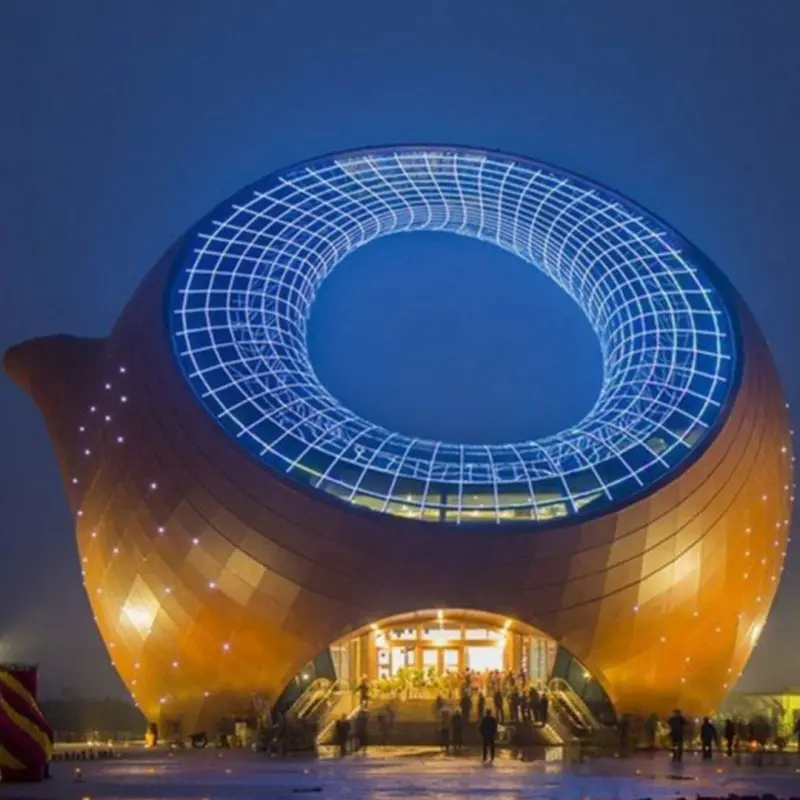
As the world's "largest purple clay pot shaped building", it was awarded the "World's largest Guinness" certificate on the 16th. The building is 38.8 meters high and mainly made of aluminum and glass, each of which has different shapes and sizes, and the dome is made of artistic stained glass.
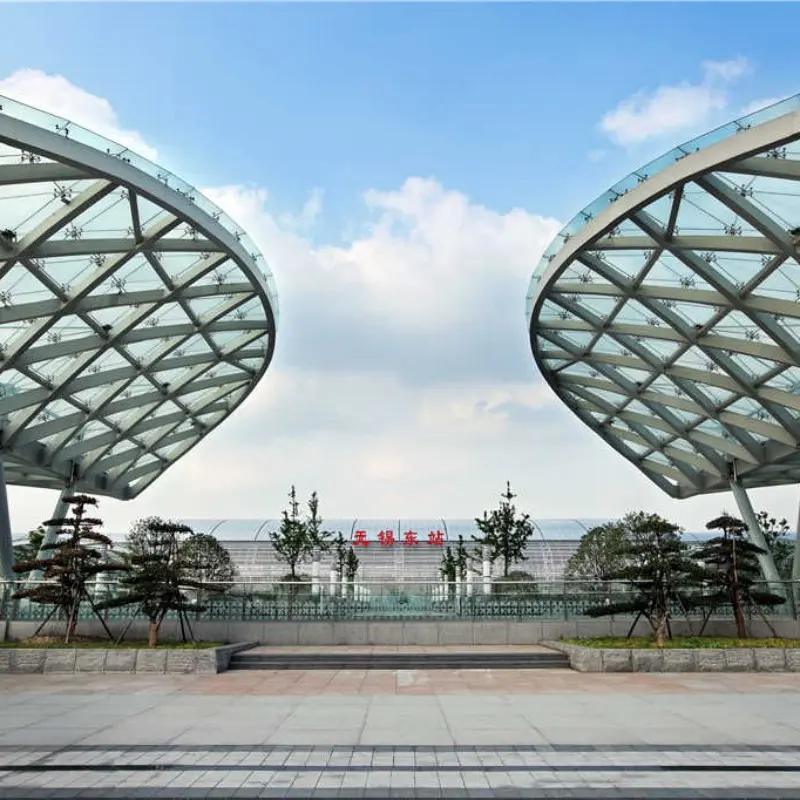
Wuxi Railway Station is located on Station Road, Liangxi District, Wuxi City. In 2005 and 2018, Wuxi Station once again completed the renovation project with thousands of laminated safety glasses and put into use, becoming a massive double-sided elevated station with a daily waiting capacity of more than 120,000 passengers.

Zifeng Tower, a 450-metre (1,480 ft) skyscraper completed in 2009 in Nanjing, China, stands as the 7th tallest building in the world. The 89-story edifice features retail and office space in its lower section, while the upper levels house a hotel and public observatory. The tower's stepped design is glazed with our insulated glass.
Energy Performance Optimization: To ensure long-term sustainability, Guoxin Glass uses advanced predictive daylight algorithms that evaluate real-time outdoor parameters—such as ambient temperature, wind velocity, local solar angle, and building orientation. This allows us to manufacture custom-tinted glass coatings and optimized glass assemblies that minimize indoor glare and reduce reliance on mechanical HVAC and artificial lighting systems.
Acoustic and Thermal Insulation: For superior thermal and acoustic performance, our windows can be equipped with triple-insulated solar control glass. Coupled with front-ceiling integrated heating, cooling, and ventilation designs, this setup helps project developers achieve heat recovery rates of more than 80% across the entire building envelope.
Adapting fenestration technology to varying global environments and project budgets.
Global architectural projects encounter vastly different weather patterns. Our design department customizes each window shipment to suit localized application scenarios:
For international sourcing managers, buying "cheap" outward opening windows directly from a Chinese factory requires a structured risk-mitigation plan. Jiangsu Guoxin Glass addresses these commercial hurdles through clear procedural guarantees:
1. Reliable Lead Times & Logistics: By running independent glass fabrication and frame assembly lines, we avoid bottleneck dependencies. Our proximity to major shipping ports (such as Shanghai and Ningbo) speeds up container loading and transit routing.
2. Structural Packaging: Standard transport risk represents a common sourcing issue. We package all window systems using custom-engineered steel a-frames or reinforced plywood crates with moisture-absorbent desiccants, ensuring items arrive free of chips, condensation, or surface scratching.
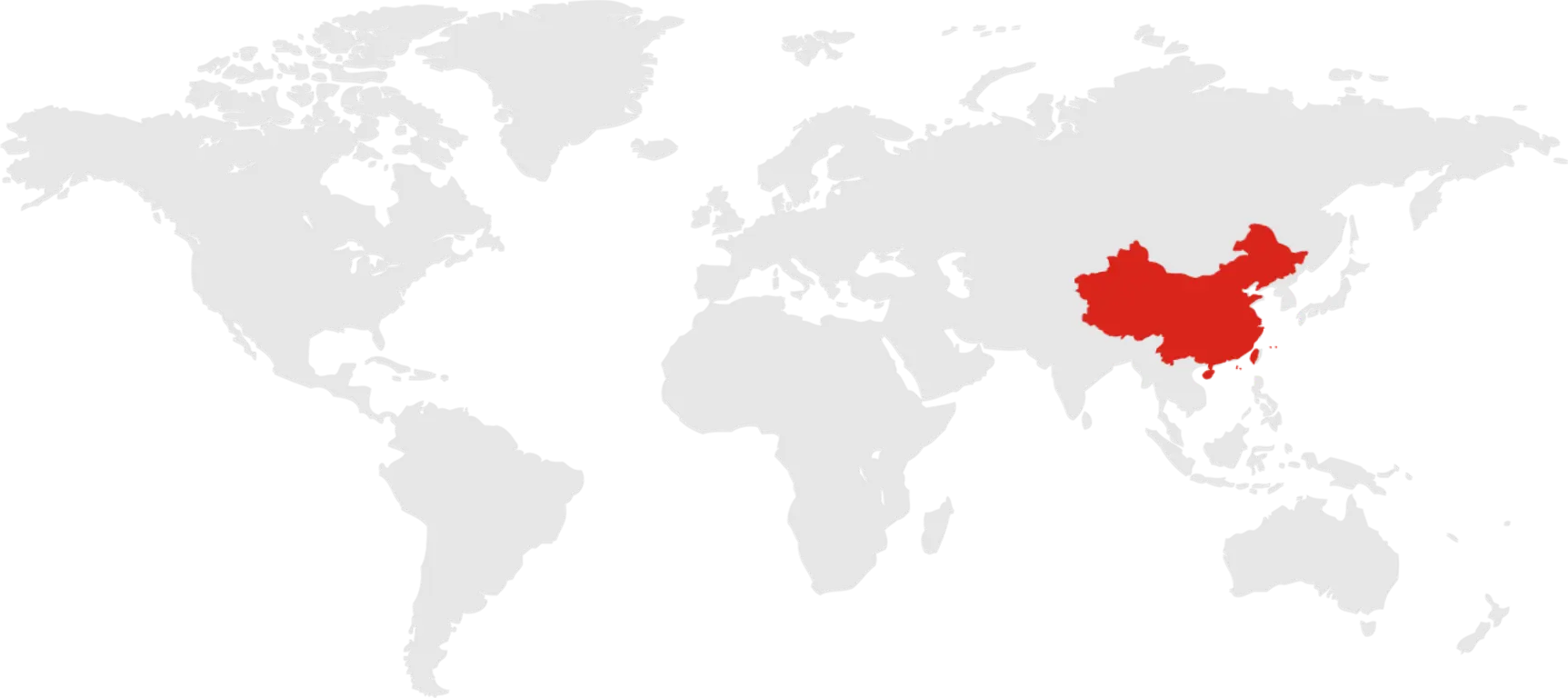
Proven track record supplying certified window and glass configurations across five continents.
We systematically verify our designs to exceed durability and safety standards.
Our manufacturing plant operates under strict, documented quality management protocols, ensuring consistency and tractability across every outward opening sash produced.
Read Corporate Quality Announcement →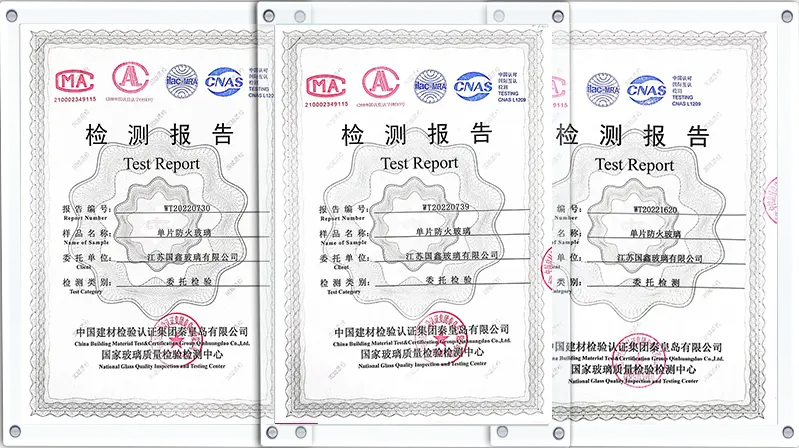
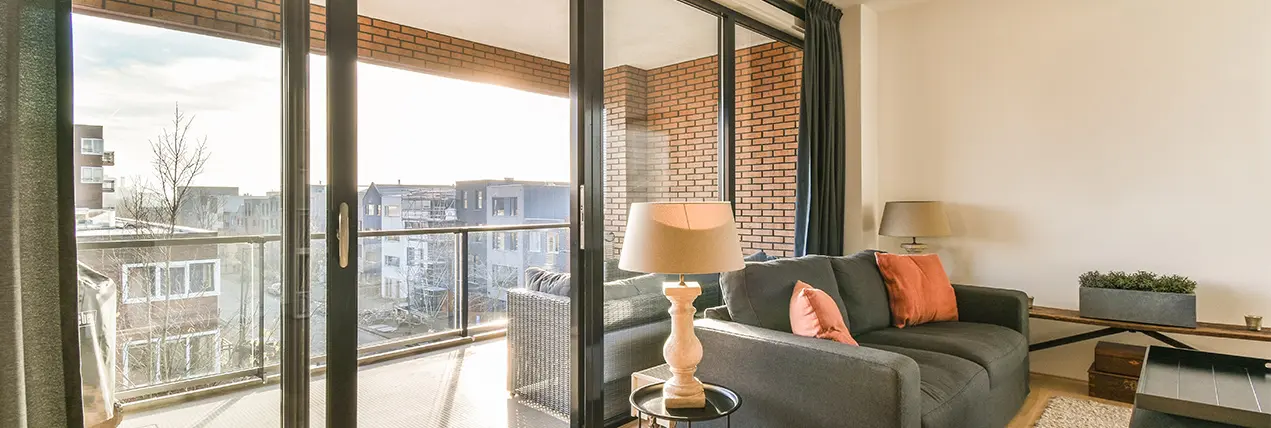


Expert answers to common engineering, ordering, and structural performance questions.
Stay informed with the latest updates from our engineering department.
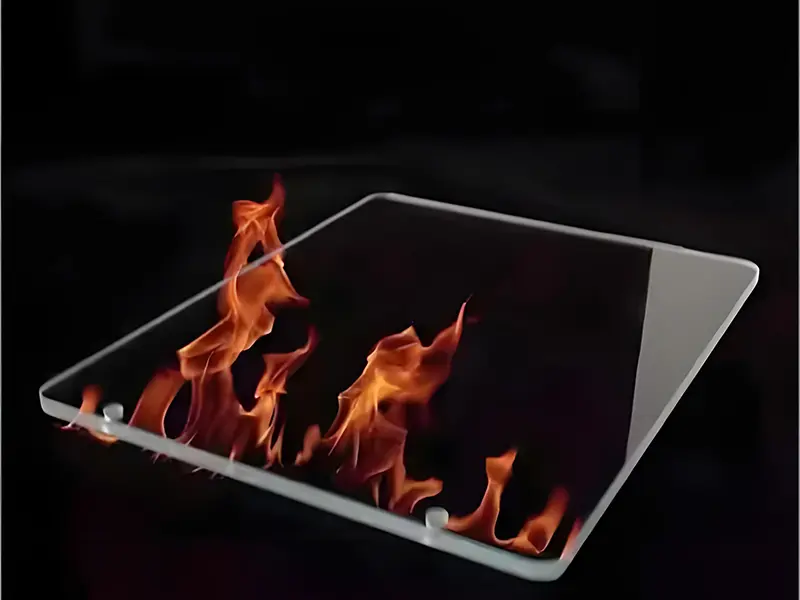
To help you pick compliant, cost-effective and safe glass for your projects, we’ll break down the differences between fireproof glass, fireproof materials glass, fireproof coating glass...
Learn More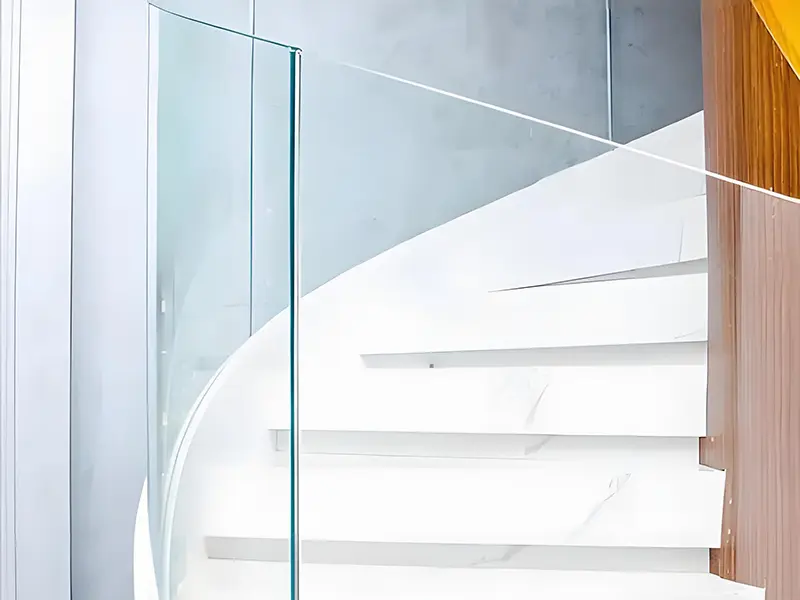
I receive many customer inquiries every day - which type of construction glass is both practical and safe? In fact, glass has long been indispensable in modern buildings.
Learn More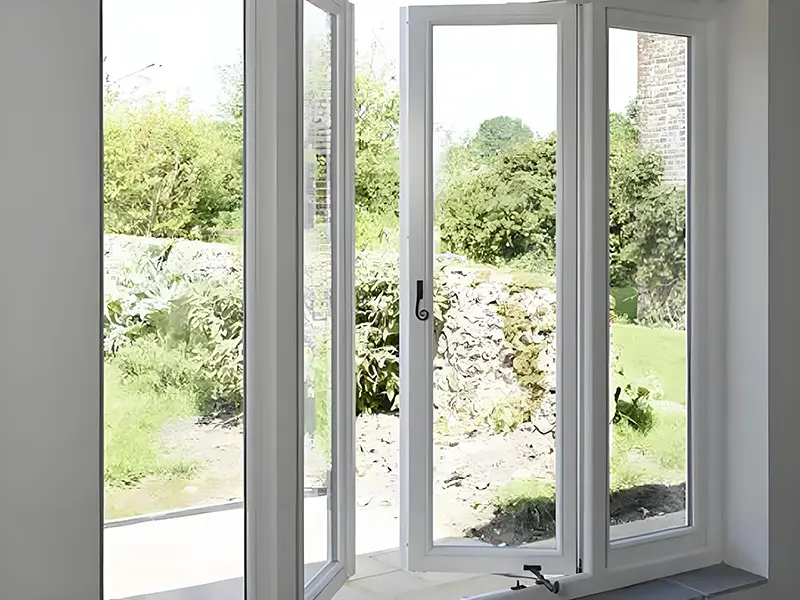
Most homeowners struggle with a common question when purchasing casement windows: should they choose broken bridge aluminum or plastic steel materials?
Learn MoreDirect supply lines from Jiangsu Guoxin Glass Co., Ltd.
 Guoxin