Explore our leading catalog of certified custom architectural glass panels and engineered systems manufactured in our state-of-the-art facility.
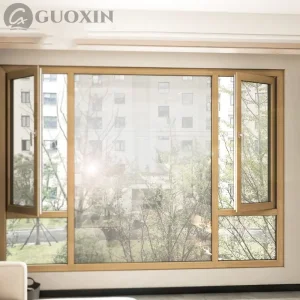
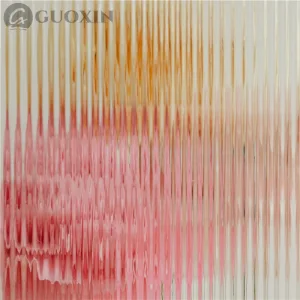
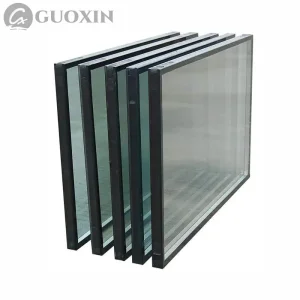
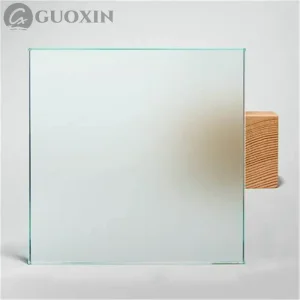
Pioneering the industrial engineering of specialty safety glass and high-performance custom window and door systems since 2006.
Founded in 2006, Jiangsu Guoxin Glass Co., Ltd. has established a formidable two-decade track record as a premier manufacturer and technological innovator in the architectural glass, aluminium window, and door sector. Headquartered in Jiangsu, China, our company represents the intersection of structural engineering, metallurgical precision, and optical glass science. We have dedicated our resources to solving complex architectural puzzles, offering tailor-made exterior envelope systems that enhance building aesthetics, energy performance, and occupant safety.
Our core capabilities range from simple tempering to highly advanced multi-layer custom laminations, triple-insulated structural glazing assemblies, and custom-extruded thermal-break aluminum profiles. By combining advanced CNC glass processing, automated gas-filling insulation lines, and digital quality monitoring, we provide building materials that conform to the most stringent international structural, mechanical, and safety regulations.
A comprehensive view of our engineered solutions designed to meet strict structural thermal and safety parameters.
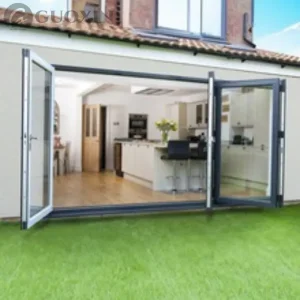
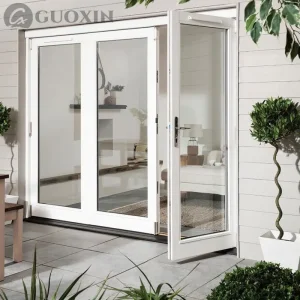
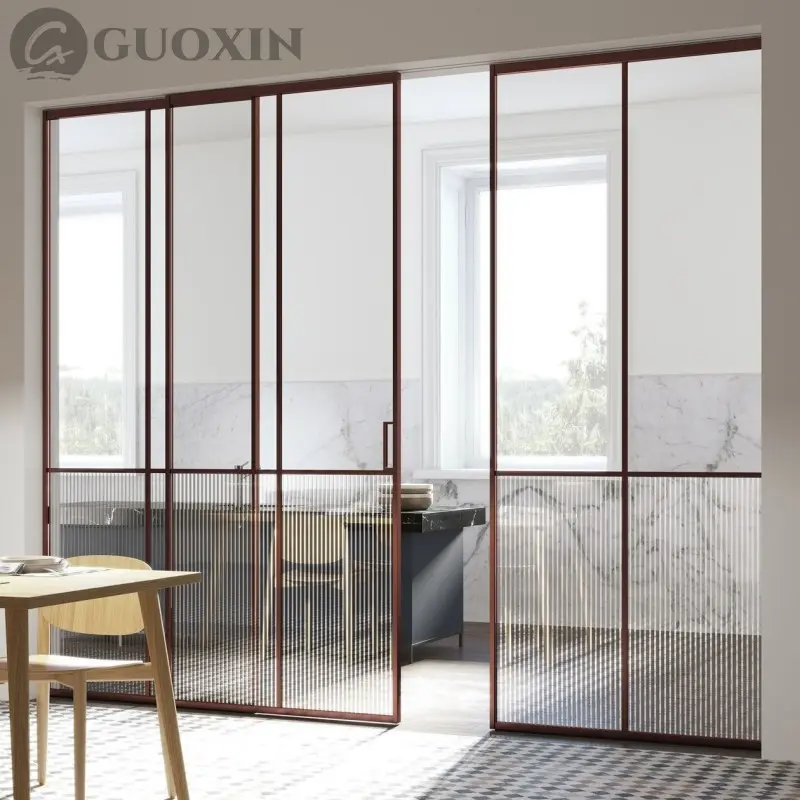
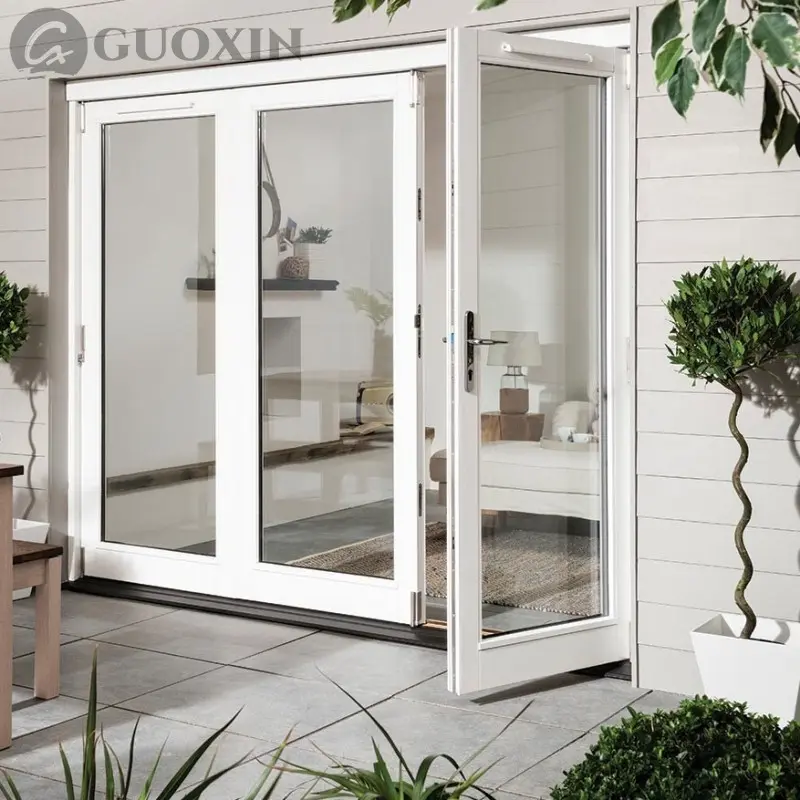
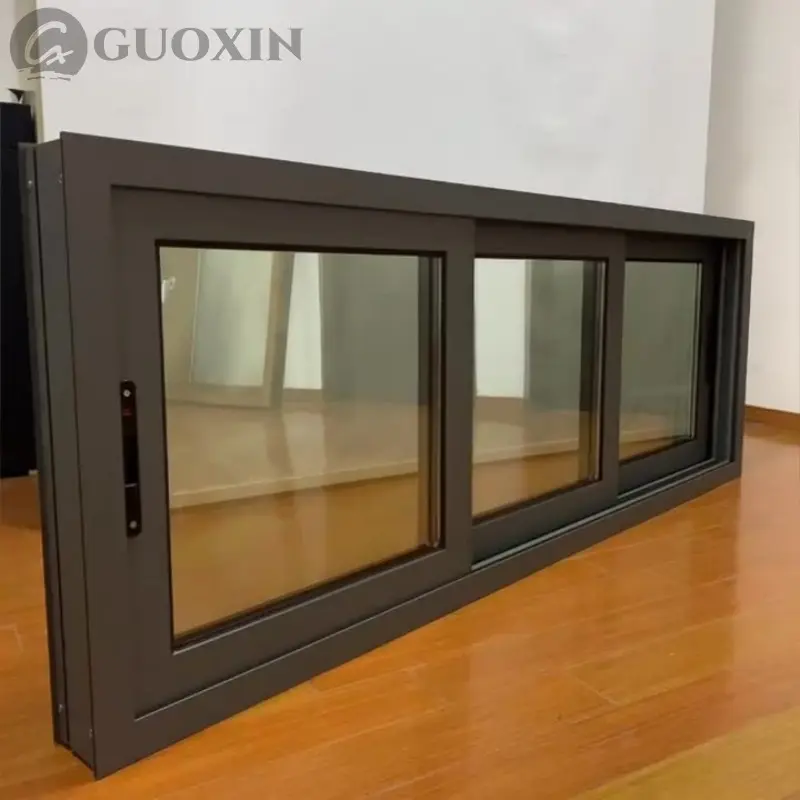
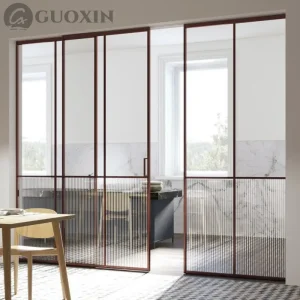
Designed with broken-bridge technology to maximize thermal efficiency and structural integrity under heavy wind loads.
High-integrity borosilicate and gel-filled systems preventing fire propagation and heat transfer for up to 120 minutes.
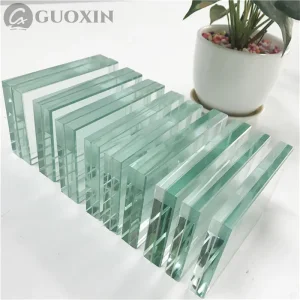
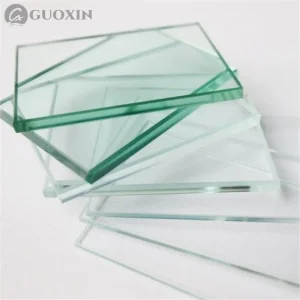
Featuring PVB and SGP interlayers to provide outstanding impact resistance, safety, and acoustic insulation.
Double and triple glazed units filled with Argon gas and Low-E coatings to optimize U-Value metrics globally.
Multi-layered ballistic polycarbonate composite glazing tested against rigorous safety ratings for high-threat scenarios.
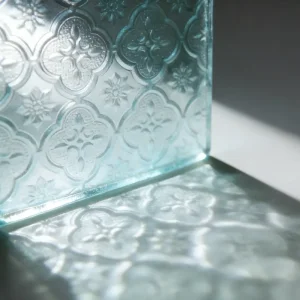
Precision sub-surface engraving utilizing advanced laser machinery for public artwork, trophies, and signage.
As the construction landscape pivots toward carbon neutrality, the requirements for external envelope materials have evolved from simple aesthetic cladding to highly integrated energy-management systems. In major markets like North America, the European Union, and the Asia-Pacific region, commercial developers and institutional builders face stringent building codes (e.g., ASHRAE 90.1, Title 24, and the EU Energy Performance of Buildings Directive). These regulatory bodies dictate minimum thermal performance parameters, such as U-factors below 0.30 Btu/h·ft²·°F (approx. 1.7 W/m²K) and specific Solar Heat Gain Coefficients (SHGC) tailored to geographical zones.
To secure compliance and long-term cost benefits, B2B procurement networks demand custom manufacturers capable of performing detailed engineering calculations (finite element analysis, wind load calculations under ASTM E1300, and acoustic performance assessments). Standard stock sizes are no longer sufficient. Modern architectural designs require expansive glass spans, minimal sightlines, and structural reliability. At Jiangsu Guoxin Glass, we address these complex global procurement parameters through direct engineering collaboration, supplying custom-designed configurations that reconcile structural integrity with outstanding thermal performance.
Different building typologies present highly distinct engineering challenges. Our comprehensive manufacturing and research lines support three major macro-industry verticals:
Looking ahead, window and door design will move beyond static thermal insulation. The future of architectural glazing lies in active glass technologies. Our ongoing R&D roadmap focuses on several primary developments:
Our dynamic predictive daylighting systems represent a major leap forward. By incorporating intelligent daylight algorithms that monitor ambient temperature, exterior illuminance, occupancy patterns, and sun angles, our smart glass systems adjust their properties dynamically. This eliminates the need for mechanical shutters and external blinds while ensuring optimal light transmittance, preventing indoor glare, and significantly lowering building electricity requirements.
We are also advancing high-performance structural glazing systems. For instance, our triple-insulated assemblies feature built-in acoustic barriers and integrated thermal breaks, yielding a heat recovery efficiency of over 80% for modern building systems. These technologies allow contemporary projects to utilize large floor-to-ceiling glass installations while remaining aligned with modern carbon-neutral design guidelines.
Our products have been utilized in iconic structures and modern infrastructure projects, showing outstanding resilience and design compliance.
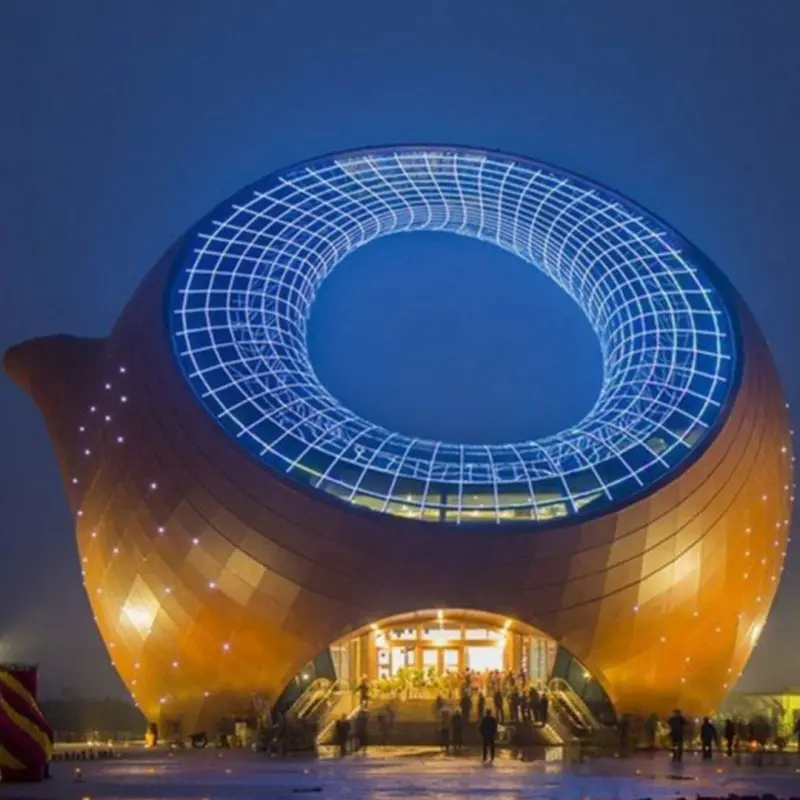
Honored as the world's "largest purple clay pot shaped building" by Guinness World Records. Standing 38.8 meters tall, the building's facade is constructed from custom curved glass and aluminum panels, featuring a dome of custom stained glass.
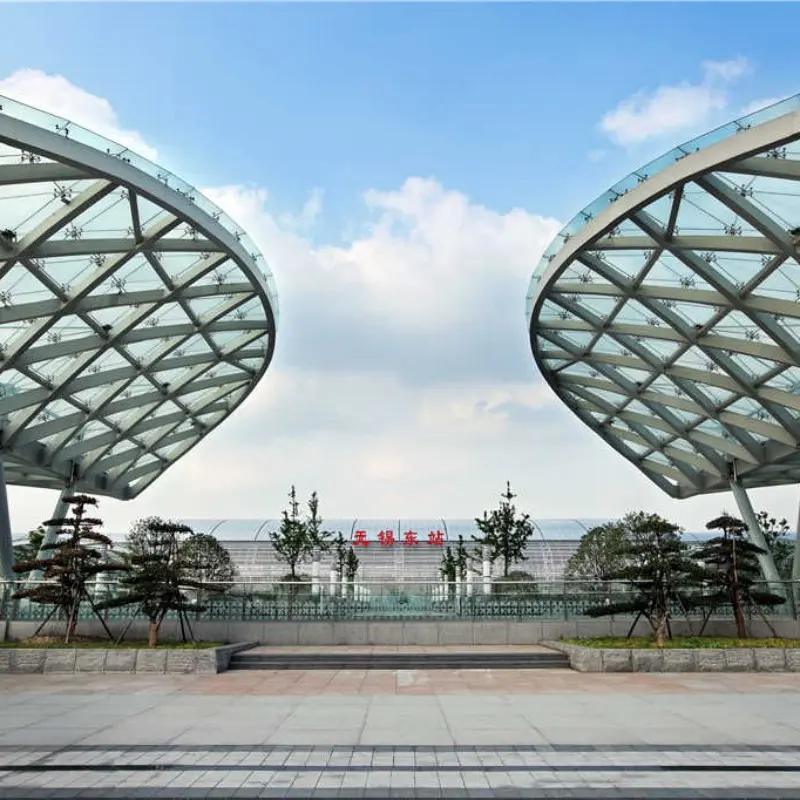
A key transit hub serving over 120,000 passengers daily. The station’s major expansion utilized thousands of our custom high-impact laminated glass panels, creating a safe and highly insulated passenger environment.

Standing at 450 meters, this iconic 89-story skyscraper uses our premium insulated solar control glass for its curtain walls. This helps regulate temperatures inside the office floors and luxury hotel zones.
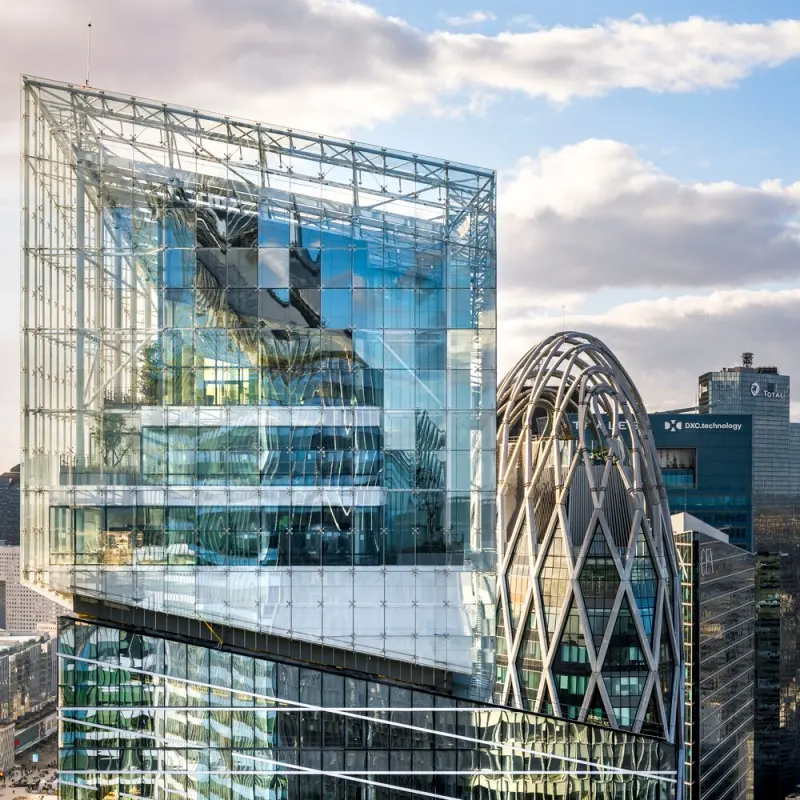
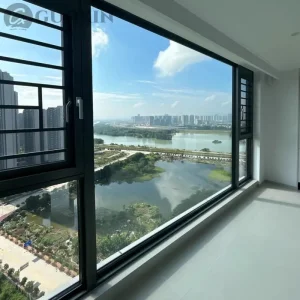
Utilizing high-performance triple-insulated glass assemblies integrated with solar control layers. This layout delivers excellent thermal protection and eliminates the need for mechanical shading devices.
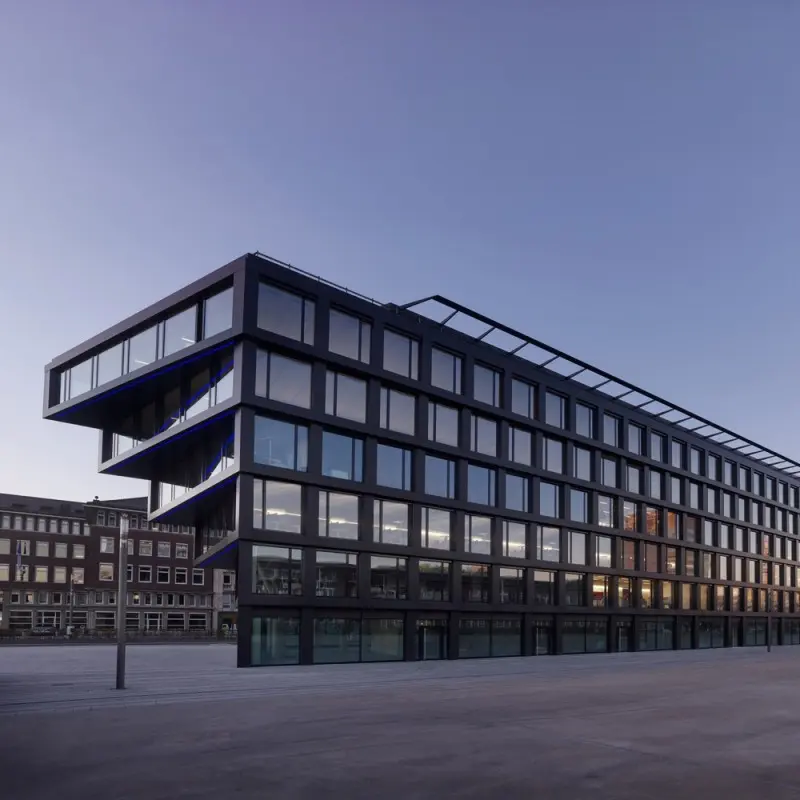
Featuring low-iron, high-transmittance insulated structural glass panels. Designed to optimize daylight harvesting while limiting solar heat gain coefficient (SHGC) values during hot seasons.
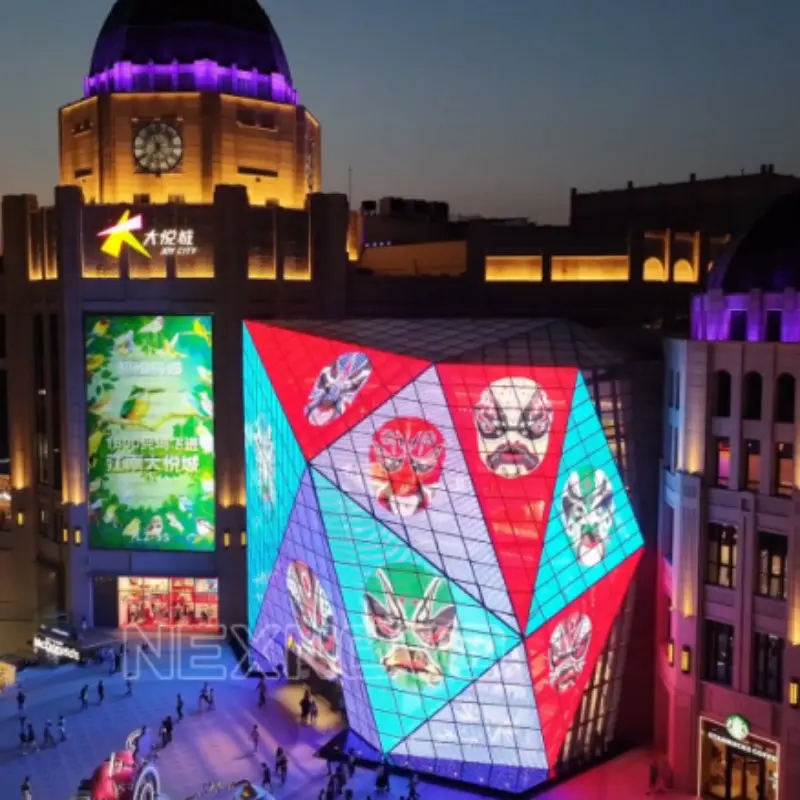
This retail landmark utilizes smart glass panels that dynamically adjust light transmittance, providing a bright interior while saving energy on artificial lighting and cooling.
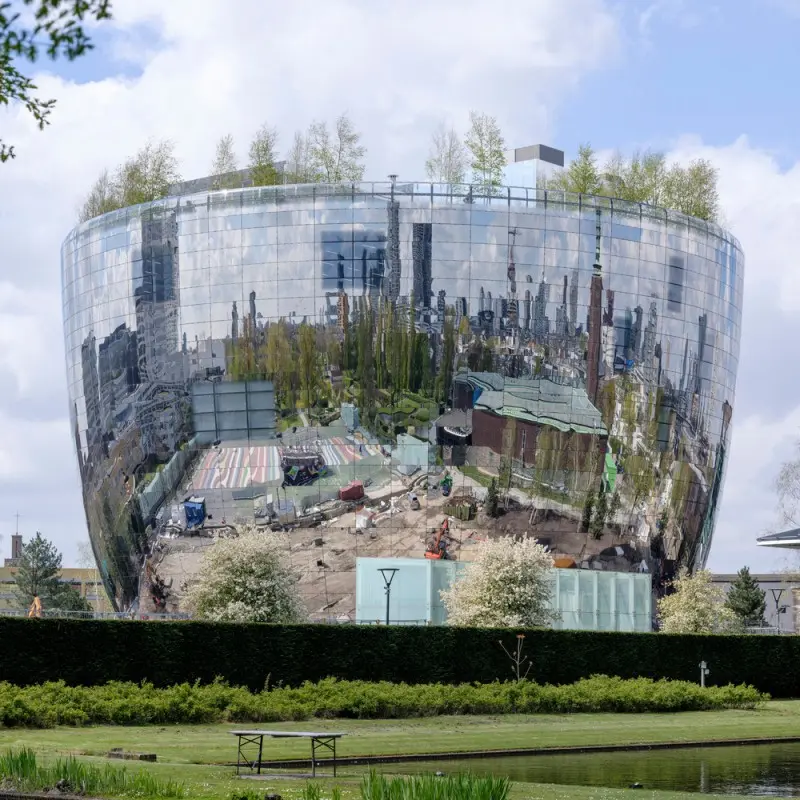
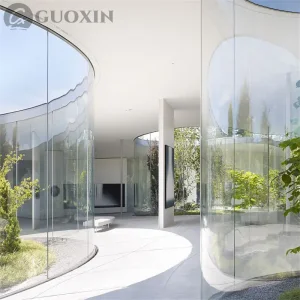
Integrating large-span reflective curved glass panels, enabling the building to reflect its park environment and blend into its surroundings.
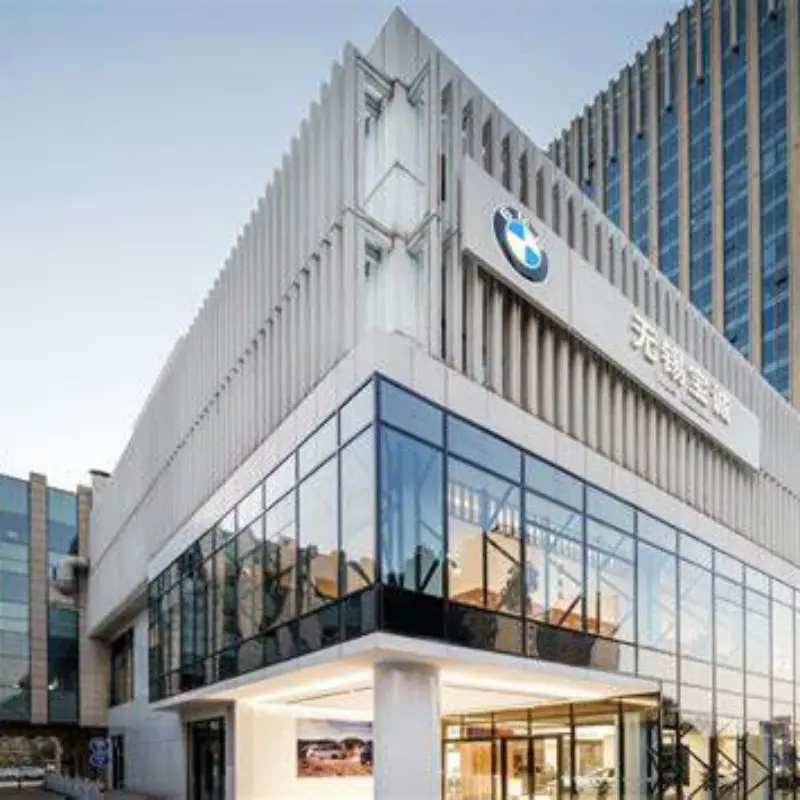
Constructed with large-format tempered glass panes that offer uninterrupted sightlines and excellent mechanical safety for high-end automotive displays.
We perform rigorous factory testing on all structural products, ensuring compliance with international engineering safety certifications.
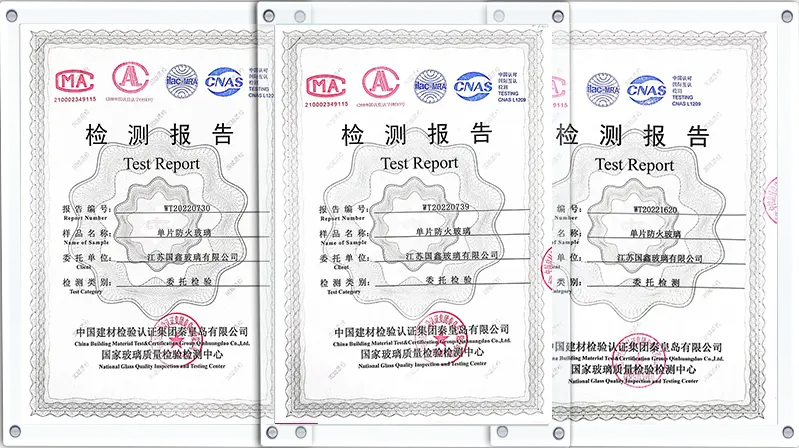
Certified Quality Management System, guaranteeing process consistency, traceable materials sourcing, and thorough safety inspection.
READ THE ANNOUNCEMENT
Fully compliant with North American standards (ANSI Z97.1 and ASTM E2190) for tempered, laminated, and insulating glass performance.
READ THE ANNOUNCEMENT
Approved safety glazing compliance for the European Union and Australian/New Zealand regions, verified under strict impact testing.
READ THE ANNOUNCEMENTExpert answers to critical design and architectural inquiries regarding safety glass and window system implementation.
At Jiangsu Guoxin Glass, we operate modern tempering lines, insulated glass production equipment, and custom lamination facilities. We offer end-to-end OEM and ODM support, tailoring products to specific dimensions, safety certifications, and custom performance needs.
Read our latest engineering posts covering architectural glass manufacturing advancements and design best practices.
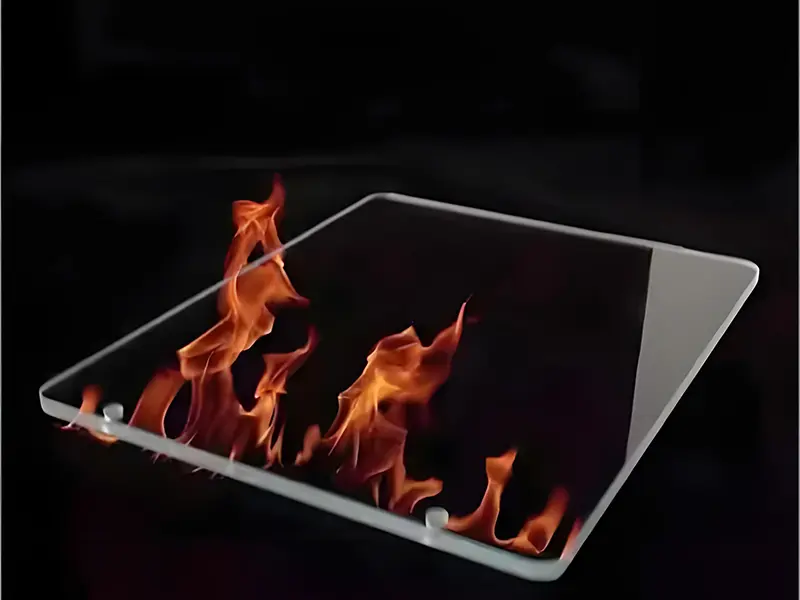
To help you select compliant, cost-effective, and safe glazing for your building projects, we cover the core differences between standard and fire-rated options...
Learn More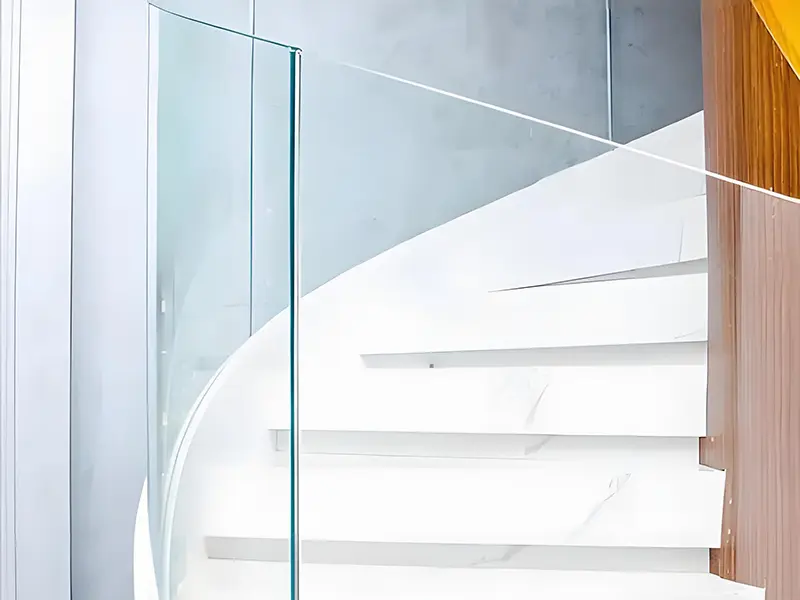
We address frequent questions from our customers about safety glass selection, detailing the post-breakage security and acoustic benefits of laminated setups...
Learn More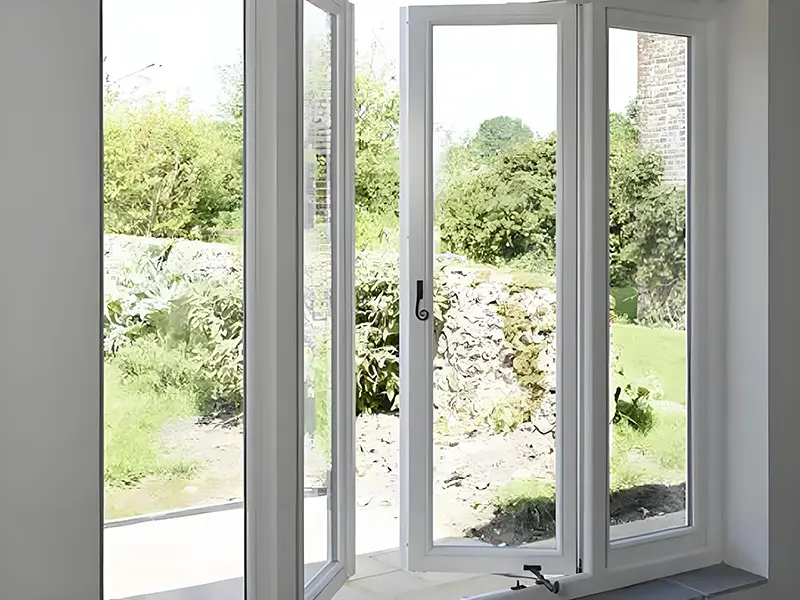
We compare thermal break aluminum profiles with traditional PVC options to help buyers make informed decisions for residential projects...
Learn MoreReview our remaining lines of specialty safety glass and sliding/hinged entryway systems, manufactured in compliance with international standards.
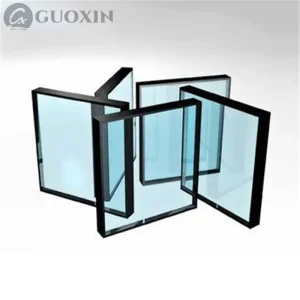
Discuss your building specifications and compliance requirements directly with our engineering department.
Contact our Technical Team Guoxin