Explore our premium factory-direct products engineered for thermal efficiency, structural safety, and long-term durability.
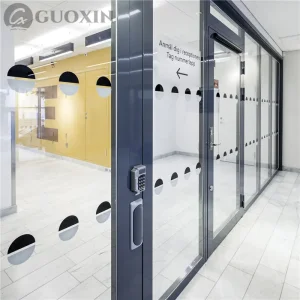
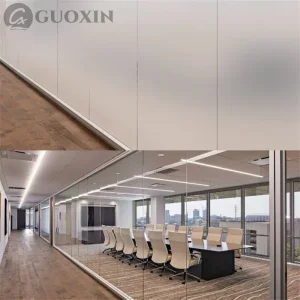
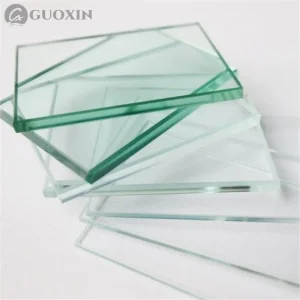
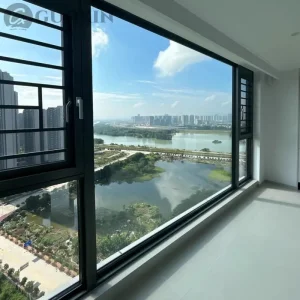
In modern architectural design, the boundary between interior environments and outer landscapes has dissolved. Architectural systems must now deliver structural integrity, high energy efficiency, and dynamic spatial flexibility.
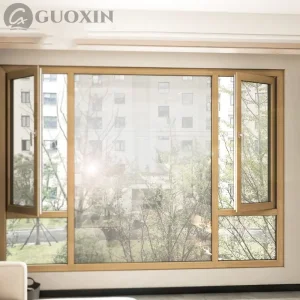
Modern architectural trends prioritize natural light and large-span openings. Bifold (folding) and sliding doors are critical systems designed to meet this demand. The mechanics of bifold doors rely on a top-hung or bottom-rolling track system. Top-hung doors transfer the dead load to the lintel structure, which requires robust structural headers. Bottom-rolling systems, in contrast, transfer the load to the floor slab, which minimizes overhead structural requirements but requires precise leveling and clean track channels.
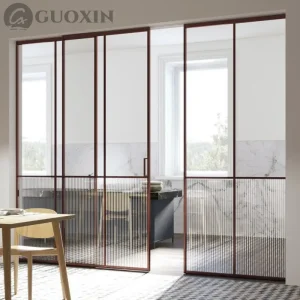
Sliding door designs utilize multi-track configurations (dual, triple, or quadruple tracks) to allow multiple sashes to stack behind each other. This maximizes clear openings up to 75% of the total frame width. By applying structural thermal barriers and high-performance aluminum extrusions, modern factories deliver doors with minimal profile sightlines (as slim as 20mm for minimalist sliding systems) that support glass panes exceeding 300 kg per panel.
Large glass panels can compromise a building's thermal envelope if not engineered correctly. High-performance aluminum profiles feature integrated Polyamide thermal breaks (typically PA66 GF25, reinforced with 25% glass fiber). These breaks isolate the exterior aluminum from the interior, preventing thermal transfer and reducing condensation risk.
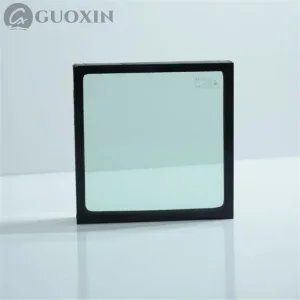
When paired with double or triple insulated glass units (IGUs) containing low-emissivity (Low-E) coatings and noble gas fills (Argon or Krypton), bifold and sliding door assemblies can achieve U-values below 1.2 W/m²K. Acoustically, the combination of multi-layered laminated glass interlayers (PVB or SGP) and variable glass thicknesses helps break down sound waves. This yields Sound Transmission Class (STC) ratings of up to 45 dB, making these systems highly effective for urban and commercial applications.
High-rise applications demand wind-load resistance and watertightness. Bifold and sliding doors utilize multi-point locking systems that secure the panels at several points along the frame. High-performance EPDM (Ethylene Propylene Diene Monomer) gasket profiles, combined with brush seals and compression technology, create air and water barriers.
For extreme weather conditions, drainage paths are engineered directly into the sub-sill of sliding systems. These channels allow heavy rainwater runoff to escape while preventing wind pressure from forcing water back inside. Safety is further enhanced by using tempered, laminated, or bulletproof glass panels, which resist impacts and deter unauthorized entry.
A trusted leader in premium glass and aluminum architectural system manufacturing since 2006.
Jiangsu Guoxin Glass Co., Ltd. was established in 2006. Over the past twenty years, we have grown into a leading enterprise in the glass and aluminum fabrication industry. Our core business includes the research, development, production, and distribution of high-performance aluminum windows, bifold doors, sliding doors, fireproof glass, laminated glass, and insulated glass systems.
Our 20,000-square-meter manufacturing facility features state-of-the-art glass tempering, laminating, and insulating lines. We also utilize precision CNC aluminum machining centers to ensure tight tolerances and structural integrity. By combining high-grade raw materials with rigorous quality control, we supply high-performance glazing and framing solutions to commercial and residential projects worldwide.
We prioritize sustainable development, energy conservation, and architectural aesthetics. Our engineering team designs custom structural glass systems that help reduce HVAC loads, manage solar heat gain, and maximize natural daylighting. This makes our products a reliable choice for modern green building projects.
A detailed breakdown of the components, materials, and engineering standards used in our production lines.
We use architectural-grade 6063-T5 and T6 structural aluminum extrusions. These profiles are powder-coated, anodized, or finished with PVDF (Fluorocarbon) coatings. This ensures resistance to salt-spray corrosion, UV fading, and surface wear in coastal and high-humidity locations.
Our doors support a range of glass options, from tempered safety glass to triple-insulated panels, fireproof glass, and acoustic laminated glass. Interlayers like SGP (SentryGlas Plus) are available for high-wind hurricane zones and high-security settings.
We work with trusted hardware suppliers to provide heavy-duty rollers, stainless steel tracks, and multi-point lock systems. Our hardware is cycle-tested up to 100,000 operations, ensuring smooth opening and closing with minimal effort.
Unlike standard PVC insulators that degrade over time under temperature extremes, our use of PA66 GF25 (Polyamide reinforced with 25% glass fiber) ensures the expansion rate of the thermal break matches that of the aluminum profiles. This prevents structural shifting, eliminates draft entry, and maintains long-term seal integrity.
Our custom engineered architectural glass and aluminum doors are installed in landmarks and commercial structures worldwide.
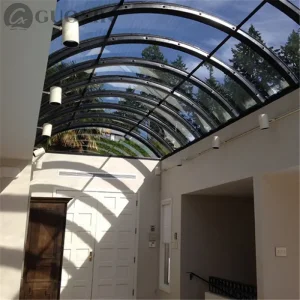
Constructed as the world's "largest purple clay pot shaped building," this structure is 38.8 meters high. Its dynamic dome features custom artistic stained glass and curved insulated glass panels manufactured in our facility to support complex geometric loads.
During its major renovation phases, Wuxi Station utilized thousands of square meters of our high-strength laminated glass panels. These systems meet strict safety, sound attenuation, and blast-resistance requirements for high-traffic public infrastructure.
Standing at 450 meters (1,480 ft) as one of the world's tallest skyscrapers, this mixed-use landmark features high-performance insulated glass panels manufactured in our factory. This glazing helps manage solar radiation and heat transfer across its commercial offices and luxury hotel spaces.
We provide full OEM and ODM services for international fabricators, contractors, and design firms. Our engineers can customize profile wall thicknesses, gasket materials, glazing specifications, and hardware systems to align with local building codes, structural loads, and energy standards.
Our manufacturing and quality assurance workflows are certified to international standards, ensuring approval across global markets.
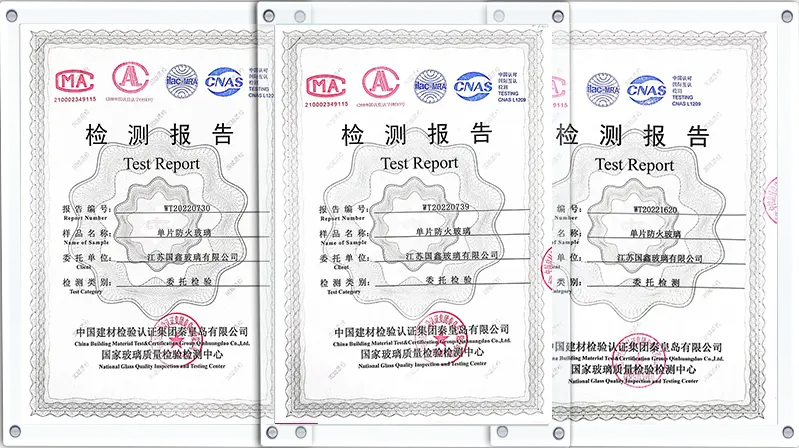
Our production facilities maintain an ISO 9001:2015 certified Quality Management System. This ensures consistent tolerances, trace-ability of raw materials, and rigorous inspections at every stage of fabrication.
Our aluminum door and window systems conform to European Norm standards. This certifies our products' performance regarding air tightness, wind-load resistance, acoustic properties, and thermal trans-mittance.
Our tempered, laminated, and insulated glass units comply with Safety Glazing Certification Council (SGCC) and Insulating Glass Certification Council (IGCC) requirements, meeting ASTM testing protocols.
Our sales, engineering, and logistics teams coordinate global shipments, customs documentation, and job-site installation support.

Our R&D team continues to develop next-generation smart window and door systems focused on energy efficiency and smart building integration.
We are integrating high-durability vacuum-insulated glass into our sliding systems. VIG technology reduces glass thickness and weight while providing center-of-glass U-values as low as 0.6 W/m²K, which helps lower overall structural loads.
We are developing sliding door panels with integrated PDLC (Polymer Dispersed Liquid Crystal) and electrochromic glass. These panels adjust their tint dynamically based on ambient solar radiation or smart home control inputs to manage glare and solar heat gain.
We are working to reduce the carbon footprint of our products by sourcing recycled aluminum alloys and utilizing solar energy arrays at our main glass-tempering facilities to lower processing emissions.
Keep up with technical updates, material standards, and architectural design trends from our engineering team.
A technical guide detailing performance differences, thermal stress ratings, and chemical tempering processes required for fire-rated glazing applications.
Read Full ArticleAn overview of the safety benefits of PVB and SGP interlayers, addressing impact safety, structural wind loads, and acoustic control in urban environments.
Read Full ArticleComparing structural properties, maintenance needs, U-values, and cost performance of thermally broken aluminum profiles and steel framing for large-span doors.
Read Full ArticleProviding technical answers to common questions asked by engineers, architects, and procurement managers.
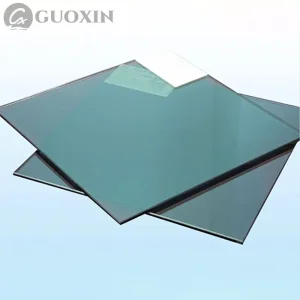
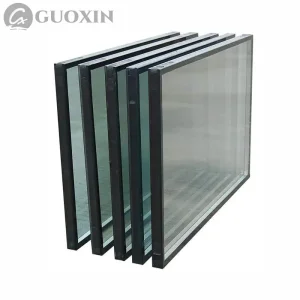
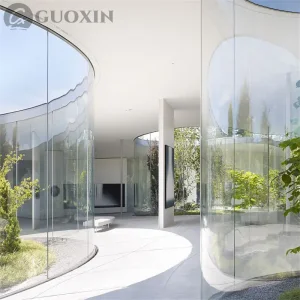
A secondary selection of our certified custom glass and commercial window solutions, shipped direct from our factory.
 Guoxin