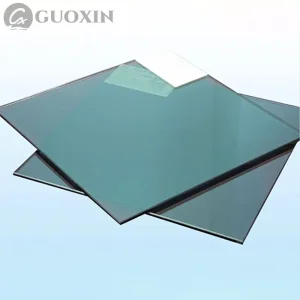
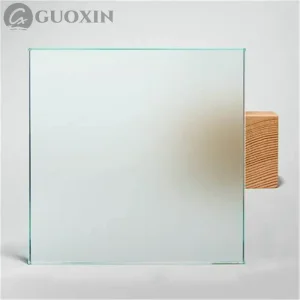
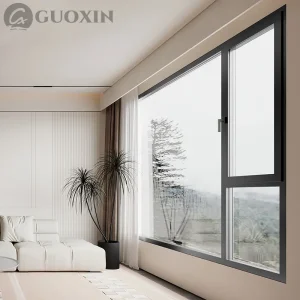
Explore our high-performance structural double glazing configurations, custom engineered for demanding architectural contexts.
Double glazing has evolved from a premium residential upgrade to a global construction standard. Driven by stringent international energy efficiency codes—such as the European Union's Energy Performance of Buildings Directive (EPBD) and ASHRAE Standards in North America—architects are mandating high-performance insulated glass units (IGUs). The commercial glazing sector demands not only low thermal transmittance (U-value) but also structural resilience to accommodate complex building facades and extreme wind loads.
Global standards now enforce strict limits on Heat Transfer Coefficients (U-values). Double and triple glazing systems using Low-Emissivity (Low-E) coatings and noble gas fills (Argon/Krypton) have become critical in satisfying net-zero building targets worldwide.
Modern architectural double glazing incorporates multiple functions: structural stability, aesthetic integration, acoustic dampening, and solar control. The market is shifting toward large-format, high-durability panels suited for complex elevations.
Innovations in spacer technology, structural sealants, and laminated interlayers—such as SentryGlas Plus (SGP)—have enabled high-safety overhead, curved, and bulletproof double-glazed installations.
As a leading B2B manufacturing hub in East China, Jiangsu Guoxin Glass Co., Ltd. has developed an optimized production matrix that delivers structural double glazing at significant economies of scale. Founded in 2006, our facility integrates raw materials sourcing, high-precision tempering, and automated IGU assembly lines to control tolerances down to 0.5mm.
Equipped with advanced convection tempering furnaces, we ensure consistent surface compression across flat and curved glass shapes, minimizing optical distortion and eliminating localized stress concentrations.
Our automated dual-seal IGU lines apply primary polyisobutylene (PIB) and secondary structural silicone sealants under cleanroom conditions. This prevents moisture ingress and ensures long-term argon retention.
By pairing high-purity 6063-T5 / T6 structural aluminum profiles directly with our glass production lines, we reduce thermal-break window assembly lead times by 30% compared to typical regional fabricators.
| Glazing Structure Type | Gas Fill | Low-E Coating Positioning | Visible Light Transmittance (VLT) | Solar Heat Gain Coeff. (SHGC) | Center U-Value (W/m²K) |
|---|---|---|---|---|---|
| 6mm Clear + 12A + 6mm Clear | Argon (90%) | Uncoated | 78% | 0.70 | 2.6 |
| 6mm Low-E + 12A + 6mm Clear | Argon (90%) | Surface #2 | 65% | 0.38 | 1.6 |
| 6mm Low-E + 16A + 6mm Clear | Argon (95%) | Surface #2 | 63% | 0.35 | 1.3 |
| 6mm Low-E + 12Ar + 6mm Clr + 12Ar + 6mm Low-E | Argon (95%) | Surfaces #2 & #5 | 52% | 0.28 | 0.8 |
Building facades require different mechanical configurations depending on the design criteria. We process multiple structural glass variants to meet custom architectural requirements:
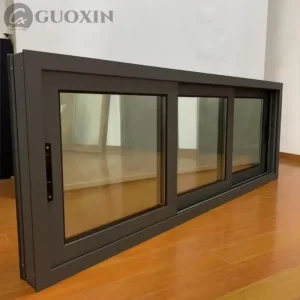
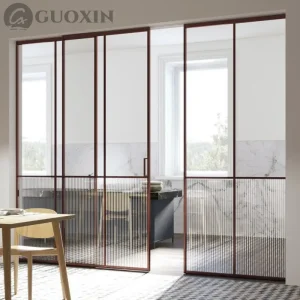
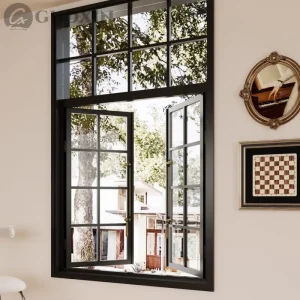
Engineered using thermal-break aluminum profiles, our casement, sliding, and folding window designs handle wind load resistance, air infiltration, and water tightness in high-rise applications.
Specially treated fire-resistant glass profiles designed to integrity (E class) and thermal insulation (EI class) parameters, preventing heat transfer and smoke migration during fire events.
Combines PVB or high-strength SGP interlayers between glass panels. In case of impact, the glass fragments adhere to the polymer sheet, reducing injury risks.
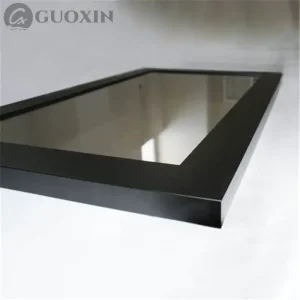
Consists of two or more sheets hermetically sealed around a desiccant-filled metal spacer, providing optimized acoustic and thermal insulation values.
Our custom double glazing and structural laminated glass panels are featured in landmark projects globally, delivering high structural performance and aesthetics.
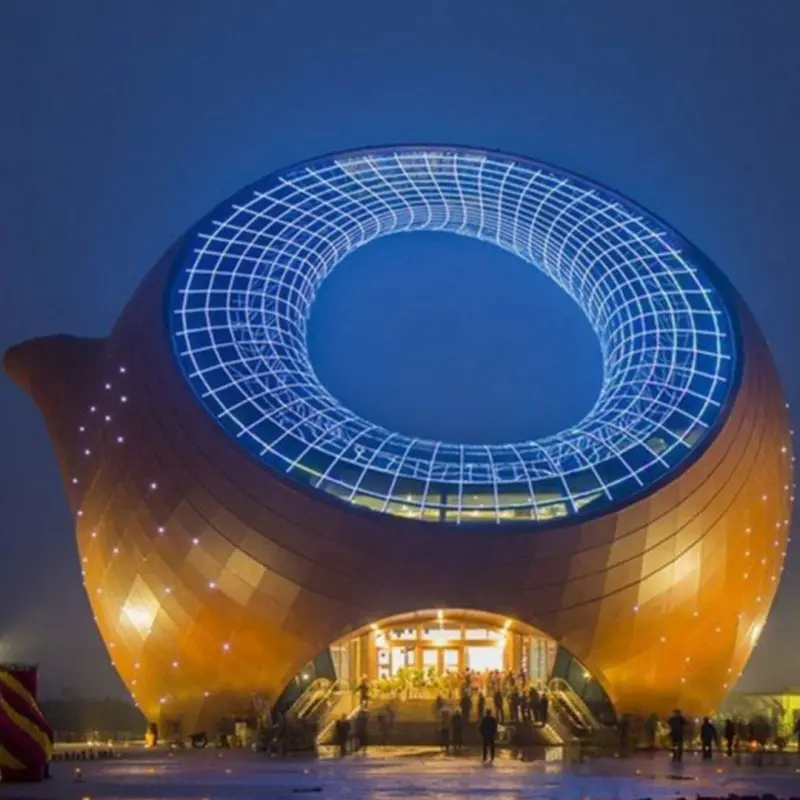
Known as the world's "largest purple clay pot-shaped building," this structural dome is constructed from thousands of individually sized, custom-curved double-glazed and artistic stained glass panels, managing complex geometries and varying structural wind loads.
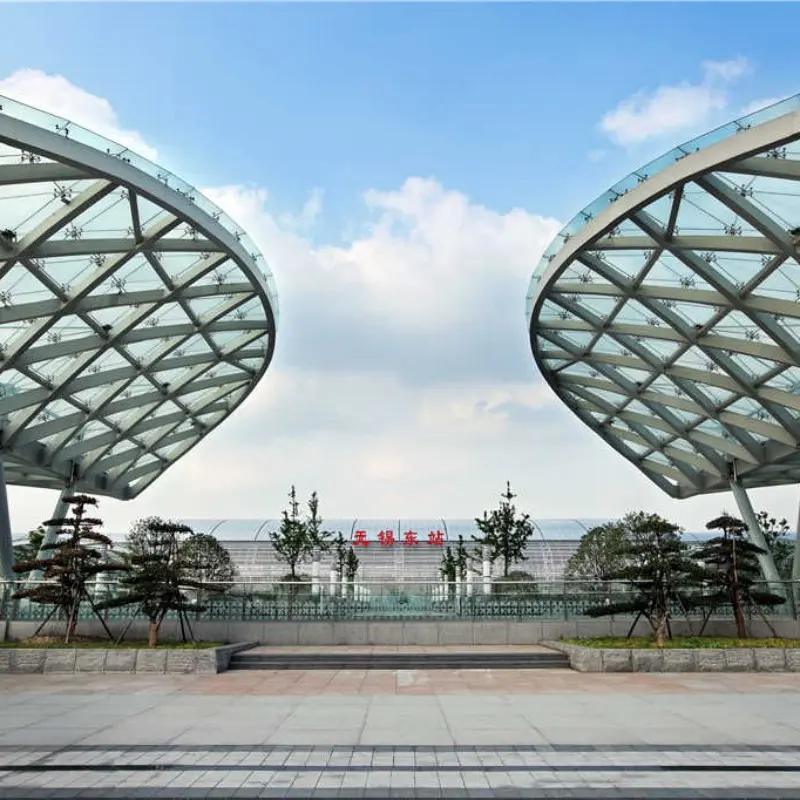
For the historic station's expansion, we provided thousands of heavy-duty, high-impact laminated glass panels for the elevated waiting platforms, meeting strict high-volume public transport safety and acoustic criteria.

Standing as the 7th tallest skyscraper globally at completion, the 89-story tower features our structural insulated glass within its unitized curtain wall system, balancing thermal efficiency and structural resilience at extreme elevations.
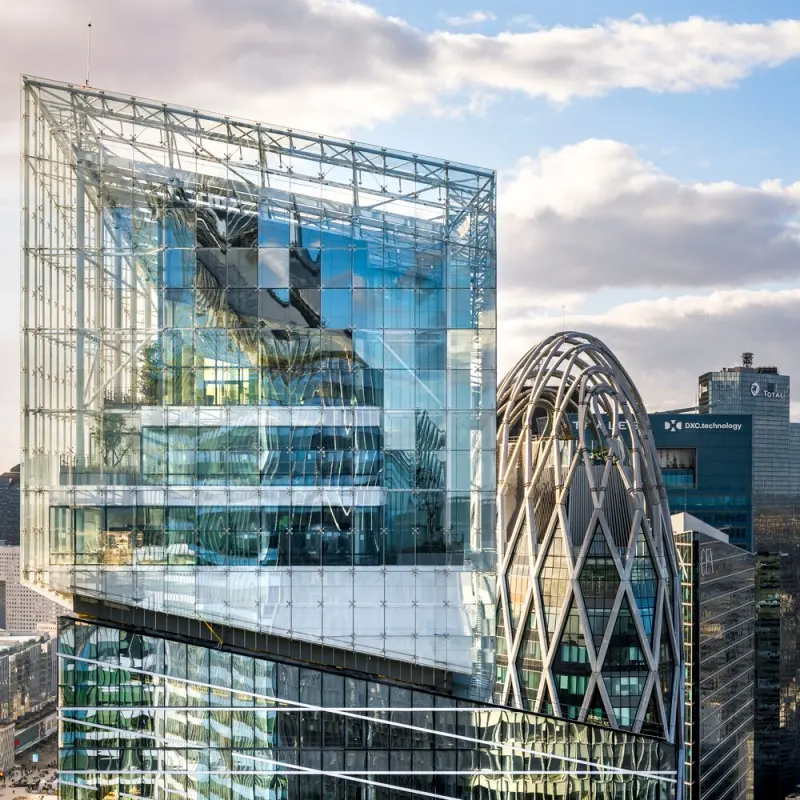
Working to demanding European architectural specifications, we fabricated custom triple-glazed units incorporating daylight-harvesting predictive coating layers for corporate office spaces.
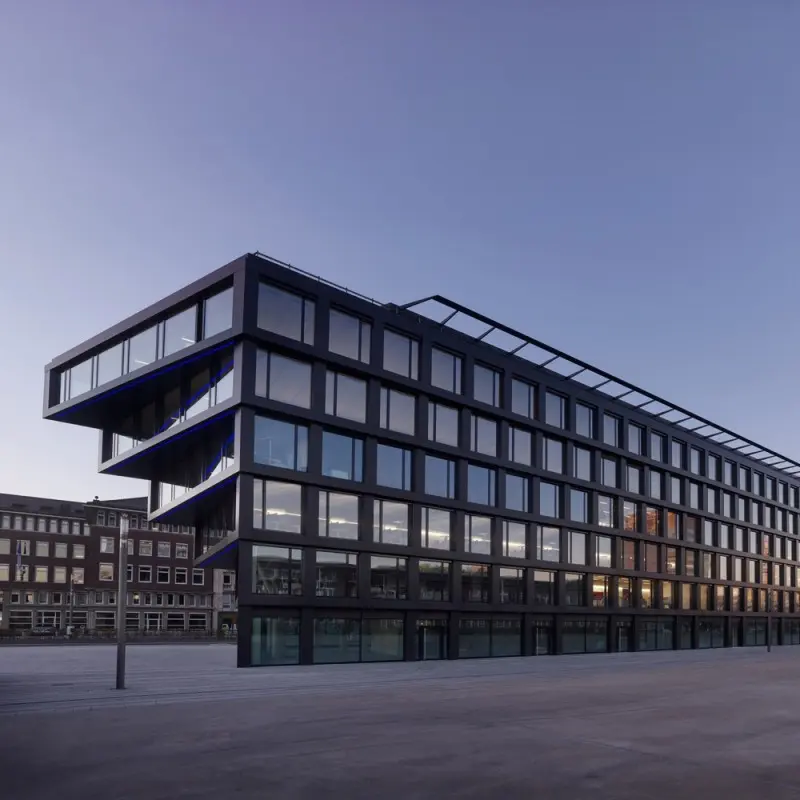
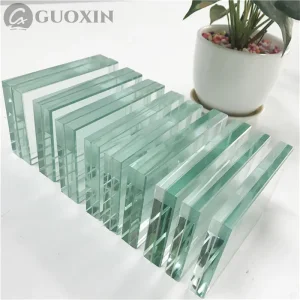
Provided high-performance low-iron glass sheets with precise CNC processing tolerances to enable minimalist structural facades with narrow frame visibility.
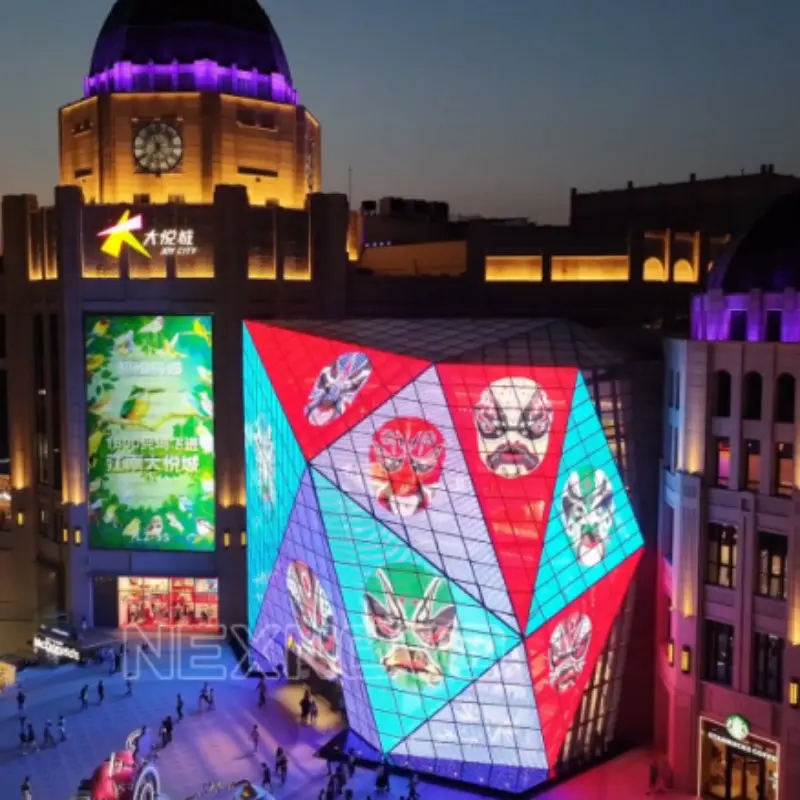
Installed smart dynamic tinted glass sections along the main retail facade, adjusting transparency in response to real-time light conditions to optimize HVAC performance.
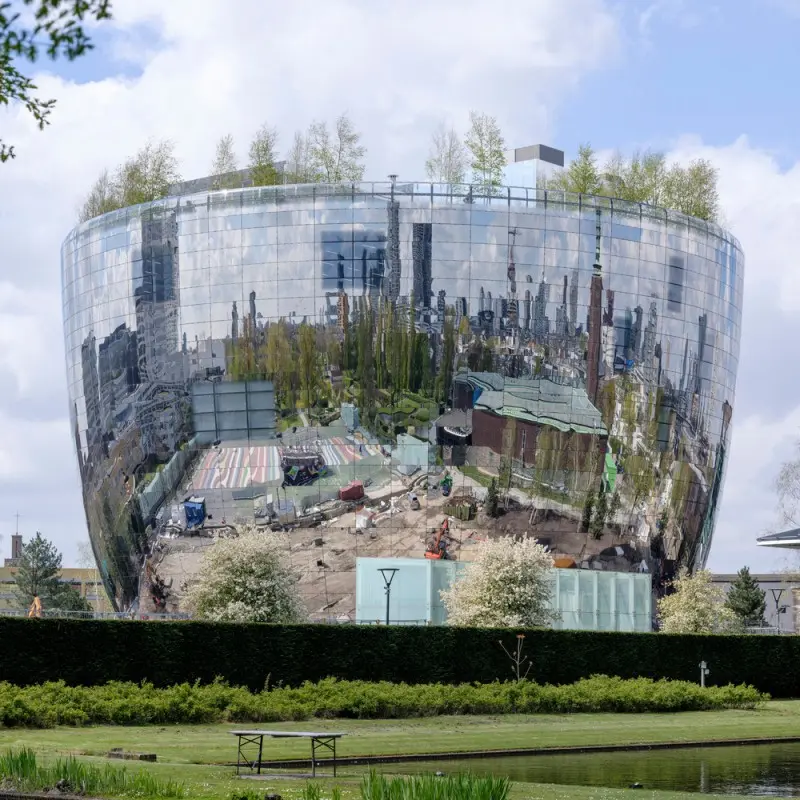
Supplied high-performance curved reflective double-glazed panels, allowing the structure to blend into its municipal surroundings while managing solar gain across its spherical exterior.
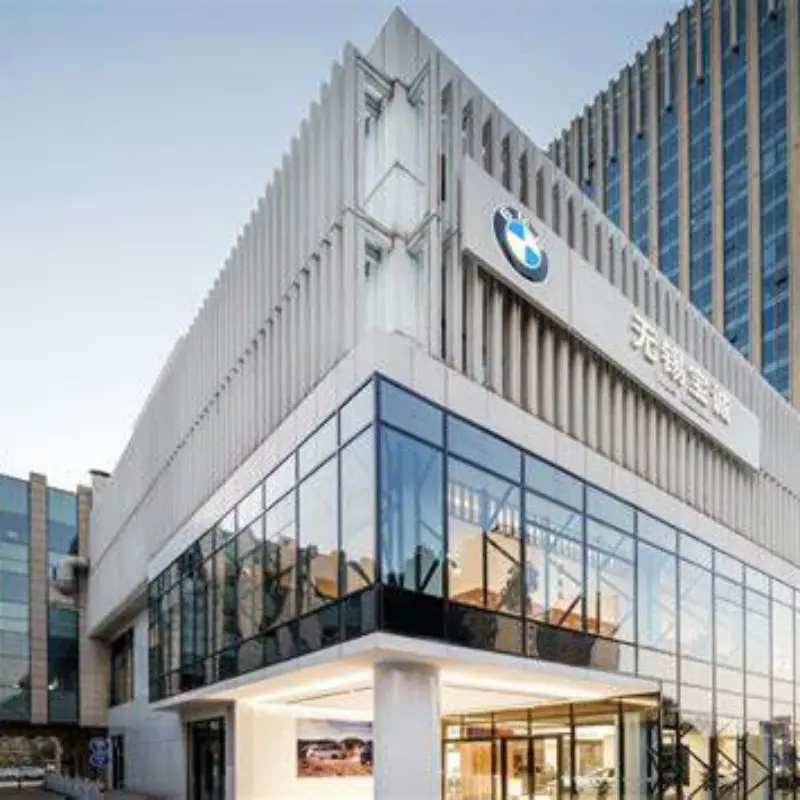
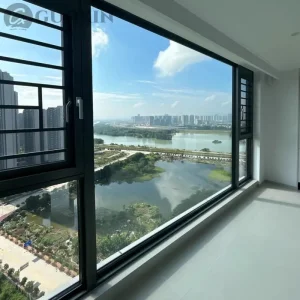
Designed a floor-to-ceiling glass envelope using solar control reflective insulated panels, maximizing natural daylight while keeping cooling costs low.
Managing large-scale glazing orders requires end-to-end quality assurance, structural calculation compliance, and specialized logistics. At Guoxin Glass, we configure our products to meet the unique building codes and certification systems of major global markets.
Our double glazing configurations are engineered, tested, and shipped to commercial projects in over 16 key regions:
Technical insights from our engineering department to support architectural planning and specification.
Ordinary annealed, tempered, or laminated glass fails quickly under heat load, fracturing when temperatures reach 120°C–250°C. In contrast, fireproof glass is engineered to meet specific fire rating classes (e.g., E, EW, or EI) for periods ranging from 30 to 120 minutes.
It achieves this through specialized chemical composition, ion-exchange tempering, or multi-layer structures with heat-swelling gel interlayers. During a fire, the gel layers expand to form an opaque, insulating heat shield, blocking heat transfer and smoke migration.
Laminated safety glass contains a tough polymeric interlayer—typically Polyvinyl Butyral (PVB) or SentryGlas Plus (SGP)—sandwiched between two or more glass sheets under heat and pressure. On impact, the glass cracks but fragments adhere to the interlayer rather than falling, reducing injury risks.
Furthermore, SGP interlayers offer up to 5 times the tear strength and 100 times the stiffness of traditional PVB. This allows the glass to maintain its structural form and load-bearing capacity even after cracking, making it ideal for hurricane zones, high-altitude balustrades, overhead skylights, and security installations.
Plastic steel (uPVC) casement windows offer a cost-effective solution with good thermal performance, but their structural strength and lifespan are limited under high UV exposure and wind pressure. They are best suited for low-to-medium-rise residential applications.
Broken Bridge Aluminum uses a low-conductivity polyamide thermal barrier between the inner and outer aluminum frames, preventing heat conduction. This combines the durability, wind resistance, and structural stability of high-grade aluminum with excellent thermal values, making it the preferred choice for commercial facades and high-rise installations.
Determining glass thickness for large floor-to-ceiling windows requires calculating wind loads, glass surface area, and building height. As a rule of thumb, single panes exceeding 3 square meters require at least 6mm or 8mm glass thickness, while larger spans over 5 square meters need 10mm, 12mm, or laminated configurations.
A typical high-performance IGU configuration like 6mm + 12Ar + 6mm provides excellent thermal and acoustic performance for standard commercial spaces. If the pane is exposed to high wind loads, the thickness must be scaled according to ASTM E1300 or local standards to prevent excessive glass deflection.
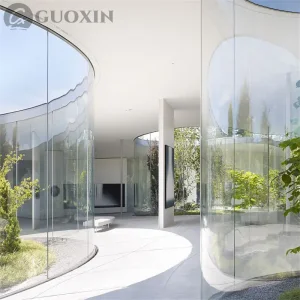
Specialty curved glass, structural jumbo formats, and high-privacy glass solutions direct from our factory.
 Guoxin