 Guoxin
Evaluating High-Performance Architectural Fire & Security Glazing
Executive Summary: Modern structural safety requires a multifaceted approach integrating passive fire resistance, high-level impact security, and advanced thermal performance. This document reviews the technology, standards, and global sourcing strategies of discount fire and security solutions, helping specifiers and builders balance regulatory compliance with cost-effective procurement.
1. The Evolution of Fire and Security Glass Solutions
For decades, architectural glazing was chosen primarily for aesthetics and basic environmental protection. Today, rapid urbanization, climate anomalies, and strict building regulations require high-performance glazing systems that protect lives while reducing carbon footprints. The transition from simple monolithic glass to complex laminated, tempered, and gel-filled assemblies is a direct response to these requirements.
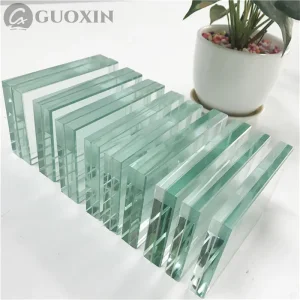
Fire-resistant glass is categorized based on its performance under extreme heat. The primary standards categorize solutions into Integrity (E), which prevents the passage of flames and hot gases, and Insulation (EI), which blocks heat transmission to maintain a safe temperature on the non-fire side. Sourcing affordable, discount fire-resistant glass requires choosing manufacturers that utilize advanced chemical tempering and gel interlayer technologies to deliver high performance without unnecessary cost premiums.
2. Macro Global Procurement Challenges and Demands
Global architectural and construction supply chains require a balance of high compliance, logistical speed, and cost efficiency. Sourcing architectural safety glass involves navigating complex technical specifications. Buyers must balance the need for certified safety performance against project budget limitations, especially when importing from manufacturing hubs like China.
- Regulatory Standards Coordination: Projects often require certifications across different markets, such as European EN standards, American ASTM/UL certifications, and domestic GB codes. Sourcing products that carry multiple certs reduces engineering friction.
- Supply Chain Transparency: Tracking the manufacturing steps of specialized interlayers, like SentryGlas® (SGP) or high-grade Polyvinyl Butyral (PVB), is essential to ensure long-term durability and prevent delamination.
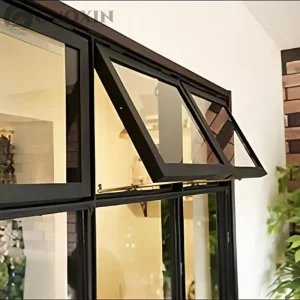
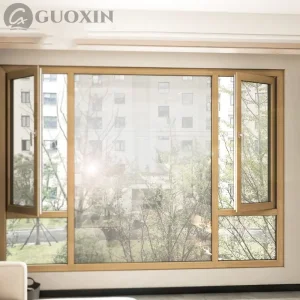
- Integrated System Sourcing: Rather than sourcing glass and framing separately, commercial buyers increasingly prefer sourcing pre-engineered, complete window and door systems. This ensures structural compatibility and unified testing compliance.
3. Structural Security: Laminated, Bulletproof, and Smart Glass Innovations
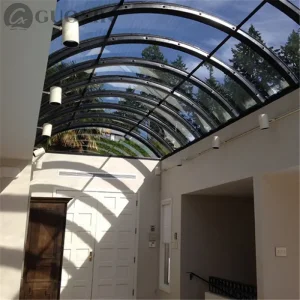
Beyond fire safety, security glass must withstand deliberate physical impact, wind loads, and forced entry. High-performance SGP laminated glass provides up to five times the tear strength and one hundred times the rigidity of standard PVB interlayers. This makes it ideal for skywalks, hurricane-resistant façades, and bulletproof architectural requirements.
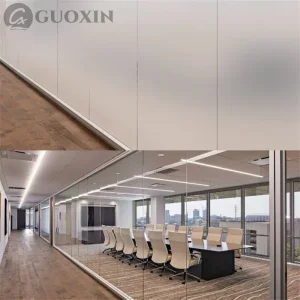
Modern commercial buildings also integrate Polymer Dispersed Liquid Crystal (PDLC) switchable smart glass. By applying a controlled electrical current, switchable smart glass transitions from opaque privacy to clear views in milliseconds. This provides privacy and dynamic solar control, reducing building cooling loads when integrated with building management systems.
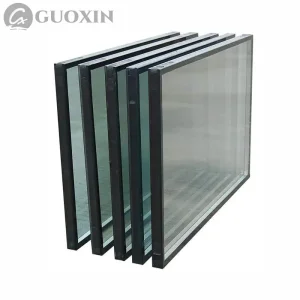
SEO Value-Added Insight: When planning building envelopes, integrating thermal insulation with mechanical safety systems is key. Combining triple-insulated glass with low-E coatings and fire-rated interlayers allows developers to satisfy strict energy codes (such as LEED or passive house designs) and life safety rules simultaneously, optimizing return on investment.
4. Local Compliance, Standards, and Quality Controls
Safety glazing products must comply with strict testing standards. Jiangsu Guoxin Glass maintains ISO 9001:2015 certifications and implements rigorous in-house quality checks at every production phase. Our processes are designed to meet global standards:
- EN 12150 & EN 14449: European standards for thermally toughened and laminated safety glass.
- ANSI Z97.1 & CPSC 16 CFR 1201: US requirements for safety glazing materials used in buildings.
- ASTM E119 / UL 263: Standard fire test methods for building construction and materials, critical for structural glass integrity under fire load.