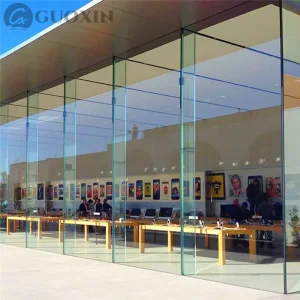
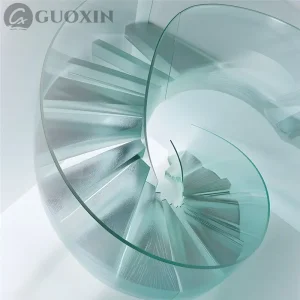
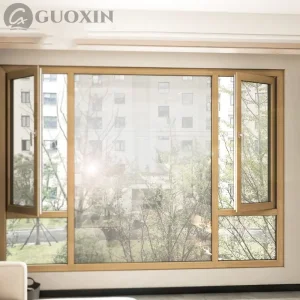
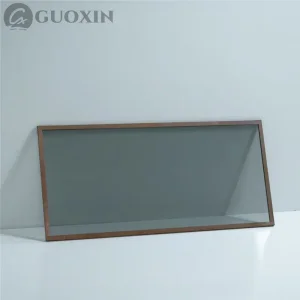
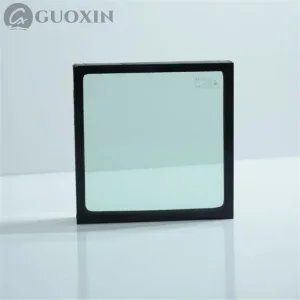
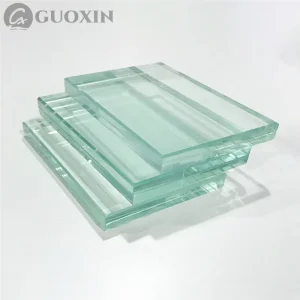
Explore our top-tier architectural glass configurations designed for stability, thermal performance, and compliance in high-occupancy structures.
In the contemporary landscape of civil engineering and architectural design, high-rise buildings stand as monuments to human ingenuity and economic growth. However, elevating vertical density comes with profound responsibilities—most critically, structural stability and occupant safety in fire emergencies. High-rise buildings present unique evacuation patterns, where horizontal and vertical compartmentalization is the primary line of defense. The dynamic deployment of high-performance materials in curtain walls, partitions, and structural frames determines whether localized fire hazards are contained or escalate into catastrophic commercial disasters.
Historically, fire protection was achieved via solid brick and concrete masonry. While structurally effective, it limited aesthetic expression, natural illumination, and commercial premium metrics. Today, the global architecture market demands structural glass solutions that resolve the paradox between ultimate transparency and absolute fire rating. Through advancements in materials science—such as multi-layered intumescent interlayers, borosilicate formulations, and structural SGP (SentryGlas Plus) laminates—manufacturers now supply glazing systems capable of resisting extreme thermal gradients exceeding 1000°C while matching the architectural properties of premium facade systems.
Founded in 2006, Jiangsu Guoxin Glass Co., Ltd. has established a two-decade track record of manufacturing excellence in the architectural glass industry. Operating from state-of-the-art production facilities, Guoxin Glass has integrated advanced automated processing technologies, enabling high-capacity fabrication of premium aluminium windows, fireproof glass, laminated structural glass, and insulated glazing units (IGUs). With a dedication to international standards, rigorous testing, and proactive R&D, we address the architectural and regulatory demands of iconic urban skylines worldwide.
Our advanced production lines utilize cutting-edge manufacturing technology to fabricate high-integrity components conforming to strict ISO, CE, and ASTM specifications.

Engineered thermal-break framing featuring precision weather sealing and wind-load resistance.
Thermal insulation glass and integrity glass, rated from 30 to 120 minutes of fire containment.
Durable PVB and structural SGP lamination offering high-impact protection and seismic safety.
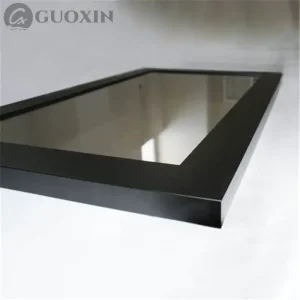
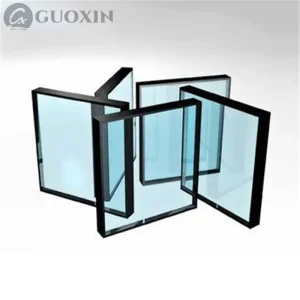
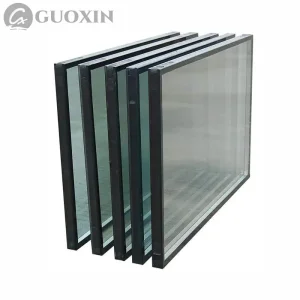
Double/triple glazed structures utilizing Low-E coating, warm-edge spacers, and argon filling for optimal energy conservation.
Multi-layer high-integrity security glass designed to withstand severe kinetic impacts and structural intrusions.
Combining structural aluminum framing options and artistic 3D glass rendering systems for modern commercial applications.
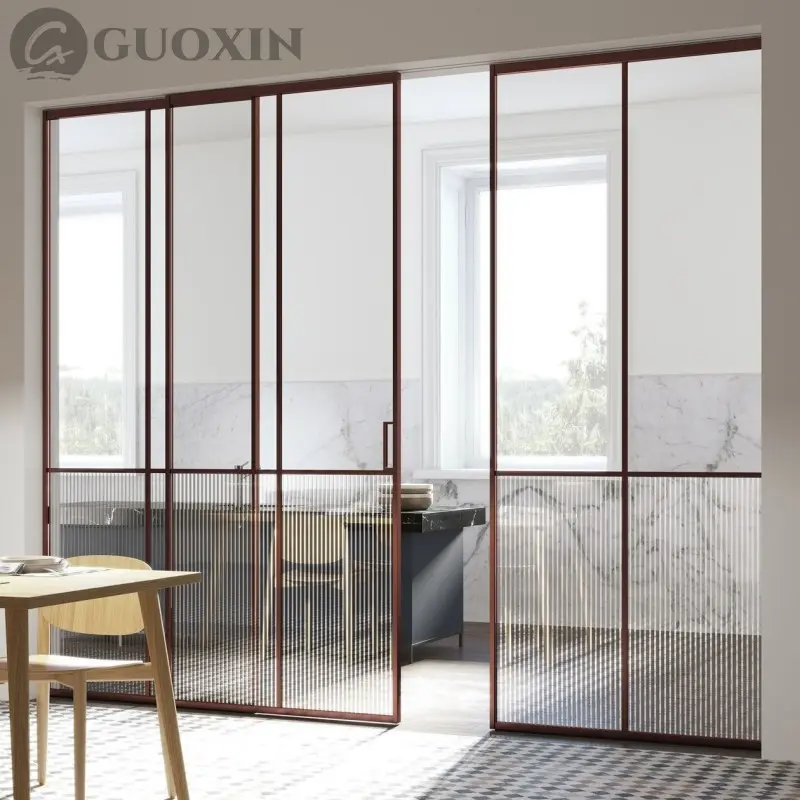
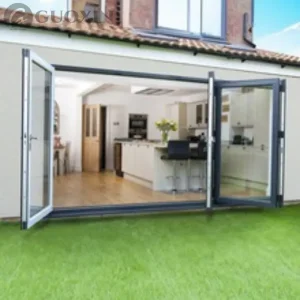
High-performance architectural sliders offering smooth transition and low structural profile.
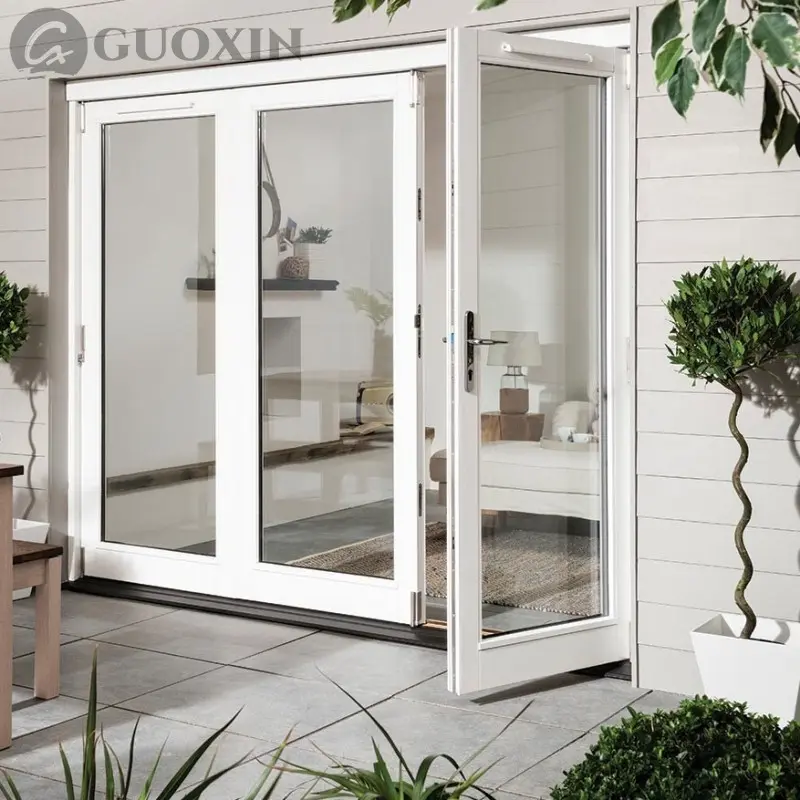
Heavy-duty swing operations designed for repeated cyclic utility in commercial buildings.
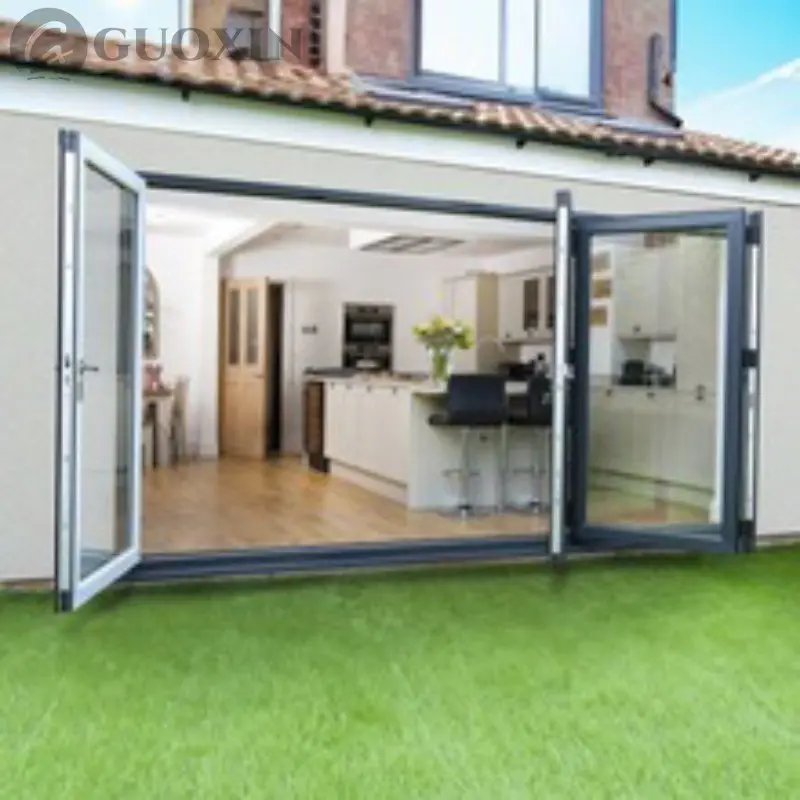
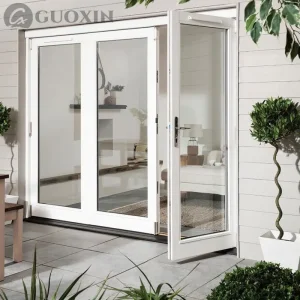
Space-optimization engineering using interlocking pivot joints and flexible panels.
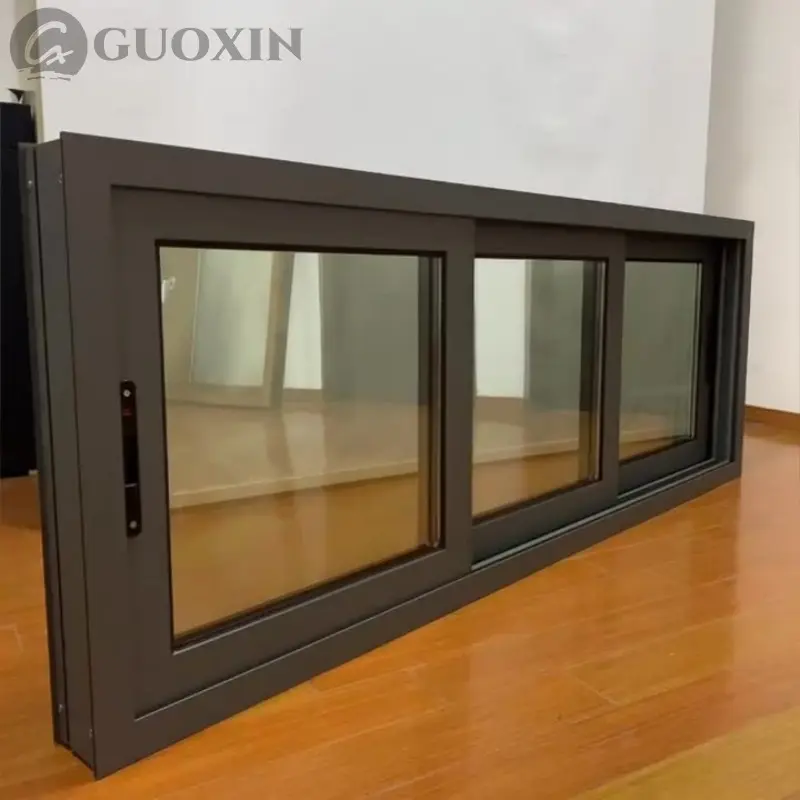
Double-grooved rails providing superior wind sealing and acoustic mitigation properties.
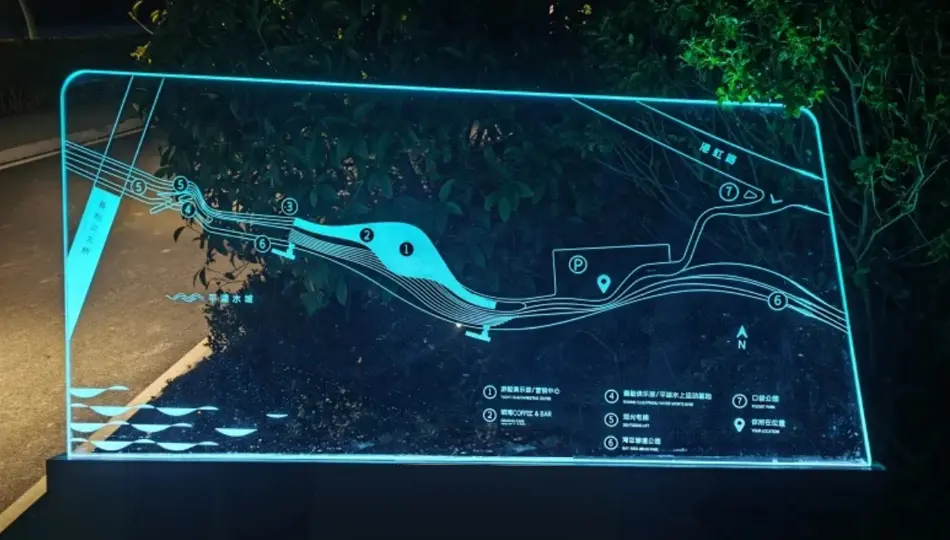
Impact-tested glass sheets designed for urban installations and public squares.
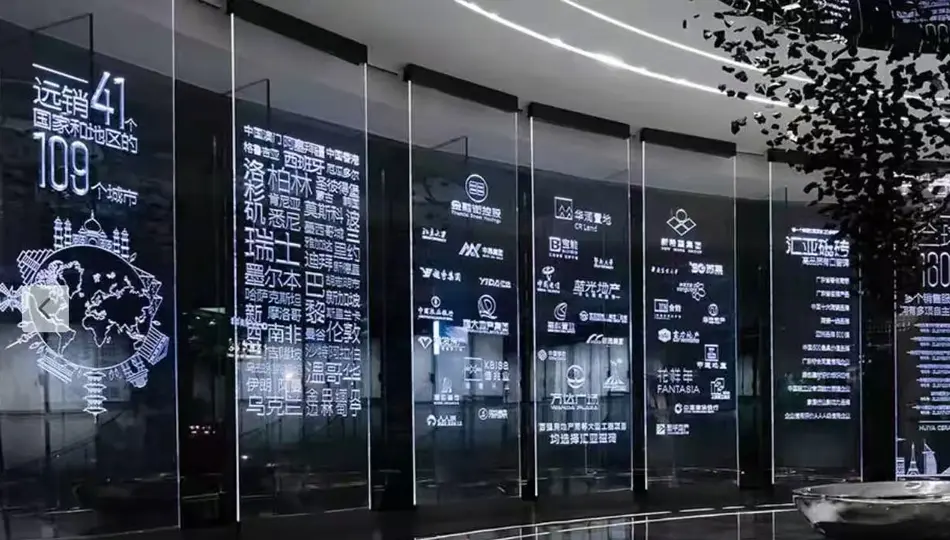
Laser-etched custom visual aesthetics detailing precise relief and light refraction.
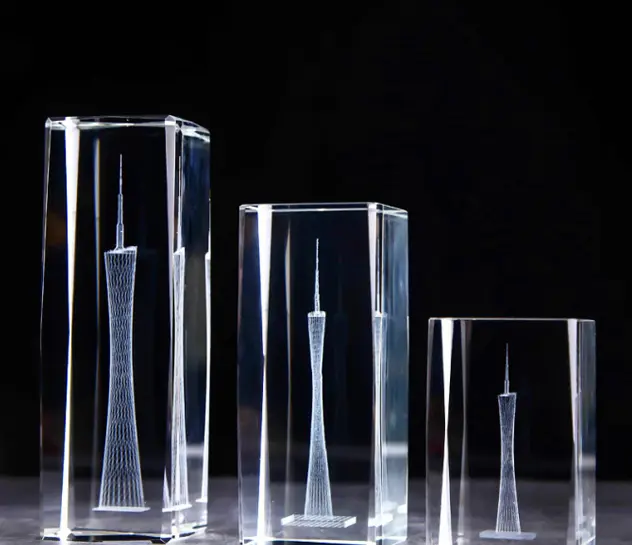
Precision-cut crystal ornaments showcasing advanced CNC grinding capabilities.
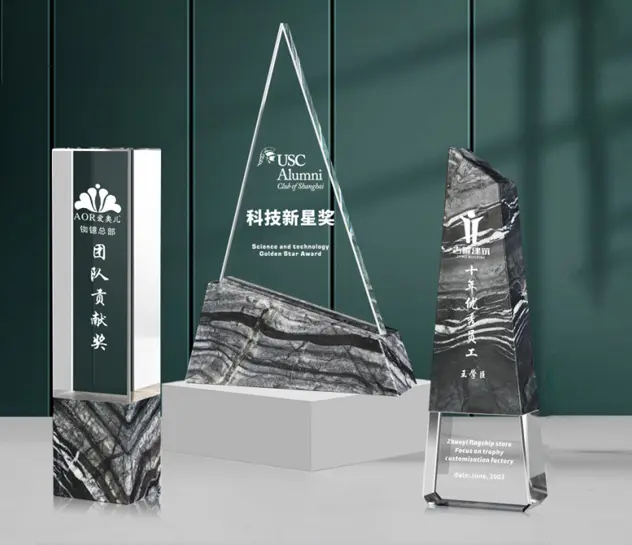
High-clarity optical glass profiles machined to architectural tolerances.

Individually specified glass geometries fabricated for complex architectural envelopes.
In high-rise construction, procurement managers balance financial control with performance compliance. Sourcing components like fireproof glass, curtain walls, and structural windows involves navigating volatile ocean freight rates, customs protocols, and strict national certification schemes. Project delays can cost tens of thousands of dollars daily, making supply chain resilience as important as product specifications.
Direct-from-factory procurement is a key risk-mitigation strategy. By purchasing directly from ISO 9001:2015 certified manufacturers like Jiangsu Guoxin Glass, global buyers bypass regional distributors. This reduces margins and establishes direct technical support. Direct coordination enables precise customization, including custom thickness configurations, specialized glass coatings (Low-E, solar-control, anti-reflective), and unique edge-deletion styles required for structural silicone glazing (SSG).
For high-rise developments, purchasing structures are organized in phases to align with cash-flow schedules and physical assembly on-site. Procurement agreements for commercial fire doors, safety partitions, and facade panels require comprehensive documentation: raw material traceability, structural testing reports (e.g., impact tests, thermal shock durability), and custom packaging specifications (wooden crates designed for maritime shipping and crane lifting). Strategic bulk agreements allow developers to lock in material costs and mitigate price fluctuations in glass float lines and aluminum ingot supplies.
Demonstrating structural resilience, energy-efficiency, and design flexibility in major infrastructure projects worldwide.
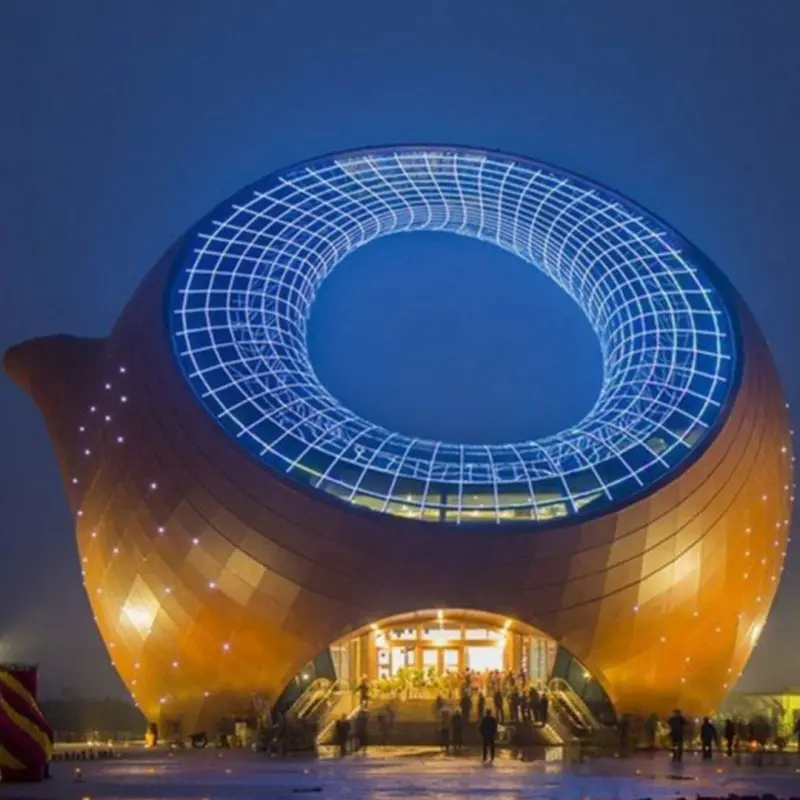
Recognized as the "World's largest purple clay pot shaped building" (Guinness Record), this 38.8-meter-tall dome structure features custom-shaped curved glass panels integrated with structural aluminum mullions, creating a seamless, organic visual aesthetic.
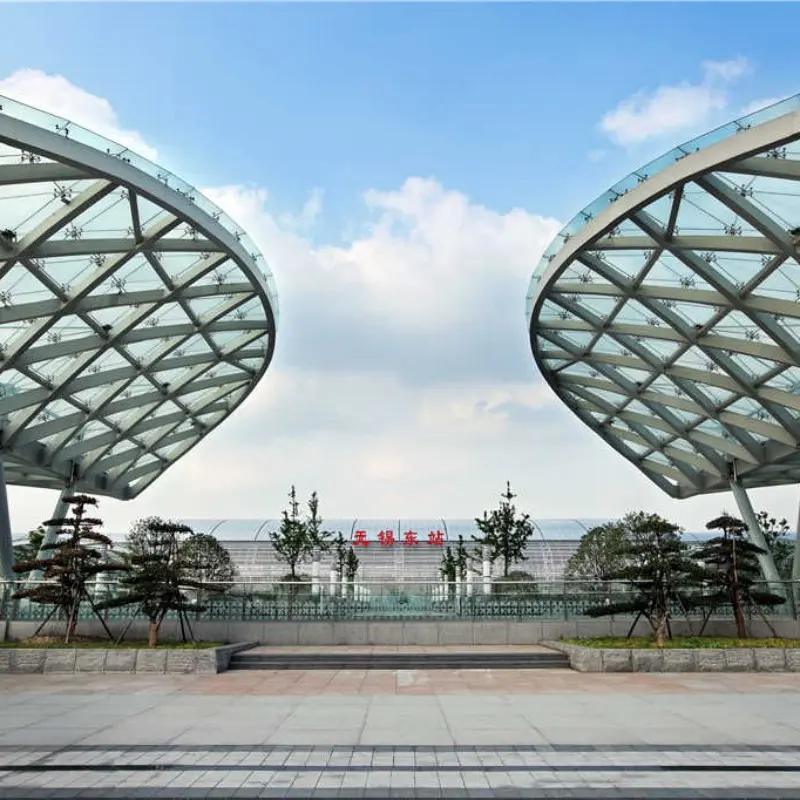
Featuring thousands of high-strength laminated safety glass panels across an expansive 18,000 square meter waiting concourse. Engineered to handle wind load deflections and serve a passenger density exceeding 120,000 travelers daily.

At 450 meters tall (world-class supertall skyscraper), this building utilizes our high-performance Insulated Glass Units (IGUs) in its curtain wall system. The configuration balances structural wind resistance with solar control for office floors and hotel suites.
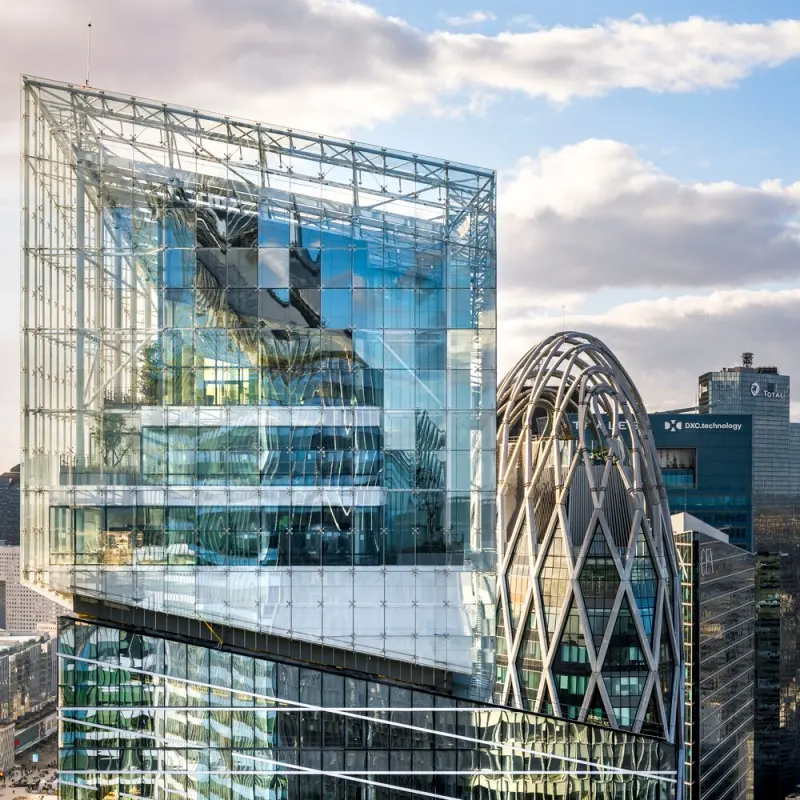
Collaborating on structural glazing solutions requiring triple-insulated solar-control glass. Designed to optimize daylight distribution while limiting internal heat absorption, reducing reliance on motorized blinds.
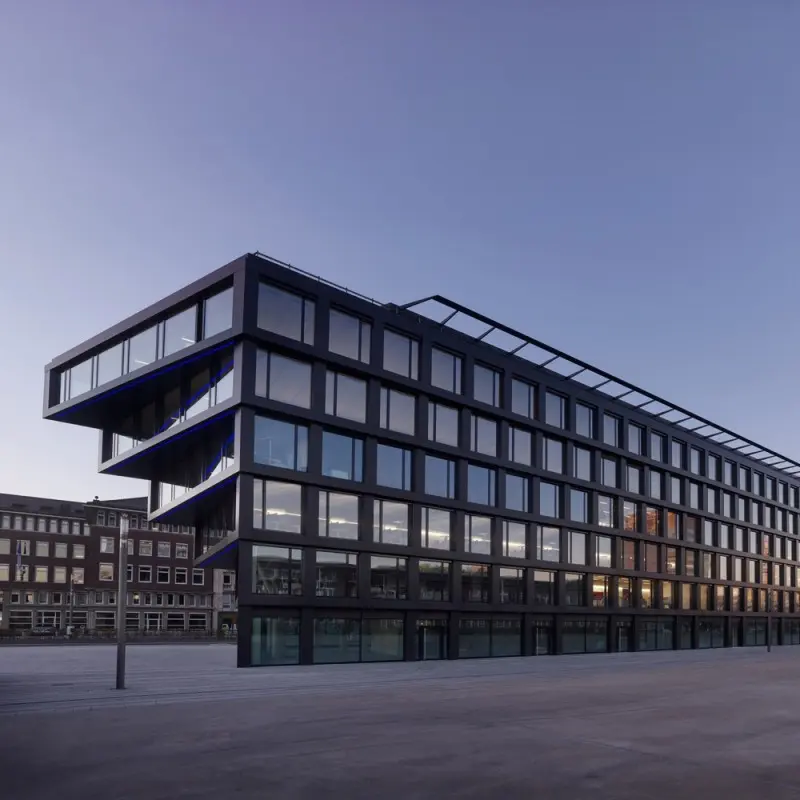
Implementing smart insulated glass units coupled with daylight predictive algorithms, adjusting structural color density based on seasonal solar path coordinates and internal occupancy zones.
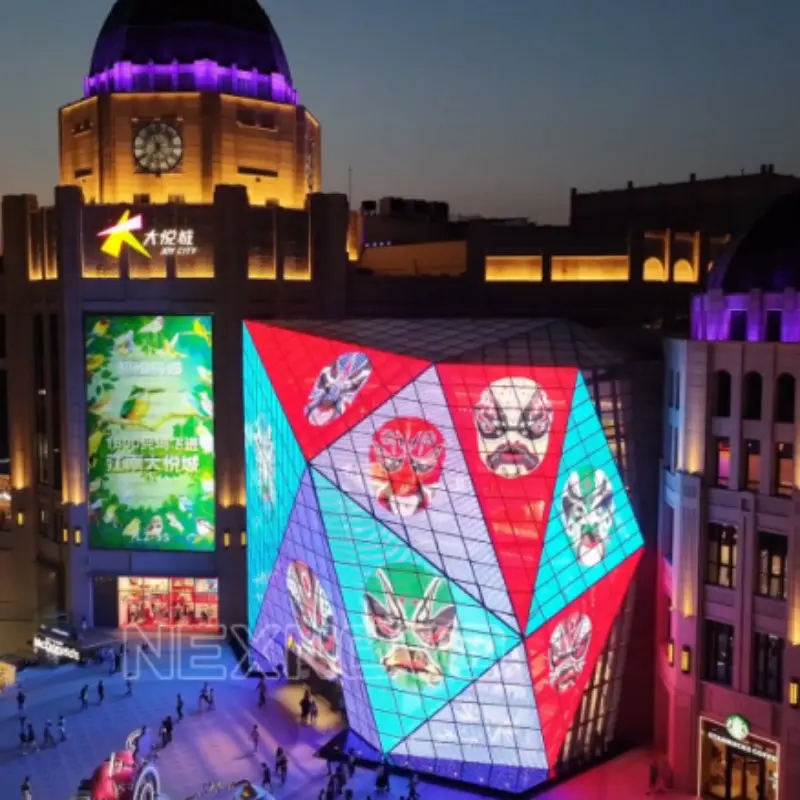
A commercial retail destination incorporating customized smart glass partitions. This installation supports dynamic facade lighting while meeting localized safety standards for retail fire corridors.
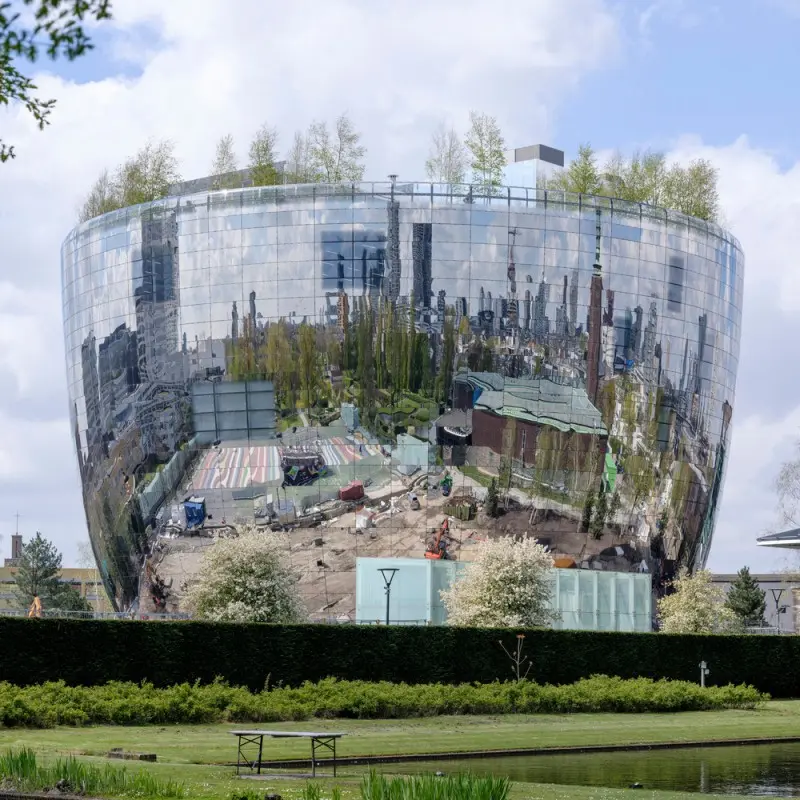
Integrating large-scale reflective glass panels. The spherical exterior facade reflects the surrounding park, blending the building into the environment while maintaining strict security specifications for museum-grade art preservation.
Designing modern commercial facades requires balancing energy efficiency, wind-load performance, and fire-integrity limits. As buildings rise, wind speeds increase, subjecting glass curtain walls to intense positive and negative pressure profiles. According to ASTM E1300 standards, wind loads on supertall structures demand thicker glass geometries, durable lamination interlayers, and precise structural framing support.
To address this, engineering practices use insulated glass units (IGUs) with heat-strengthened or fully tempered glass. When combined with Low-E (low-emissivity) coatings, these units reflect long-wave infrared radiation while transmitting visible light. This helps control the Solar Heat Gain Coefficient (SHGC), reducing thermal transmission and cooling loads. Additionally, triple-insulated glass configurations help reduce acoustic transmission in busy urban centers.
In fire emergencies, traditional tempered glass can shatter within minutes due to rapid thermal expansion and thermal shock. To mitigate this risk, fire containment relies on two main categories of fireproof glass:
The structural glass industry is evolving from passive components to active building systems. Future developments focus on energy production, dynamic thermal control, and predictive maintenance. Solar PV technologies are increasingly integrated directly into facades (Building Integrated Photovoltaics, or BIPV), turning glass curtain walls into clean energy sources without compromising structural stability.
Electrochromic smart glass is also becoming more common. These systems adjust tint levels dynamically based on real-time solar intensity and outdoor temperatures. They control glare and heat gain without requiring mechanical blinds, reducing lighting and HVAC energy use. By integrating IoT sensors, smart glass systems can feed data directly into Building Management Systems (BMS).
At the same time, advancements in chemical tempering and interlayer engineering are creating thinner, lighter glass panels with high mechanical strength. Next-generation fireproof glass uses dry intumescent interlayers that are resistant to UV radiation and thermal yellowing, extending the operational life of fire-rated installations to over 25 years.
Partner with a direct manufacturer of high-integrity fireproof and structural glass systems. Obtain customized engineering reports, certifications, and project pricing.
Submit Design RequirementsBuilding codes vary significantly across international markets. High-rise developments in North America must comply with the International Building Code (IBC) and NFPA safety standards. European projects follow EN standards (such as EN 1363 and EN 1364) for fire resistance, while Australian and New Zealand developers design to AS/NZS specifications. For manufacturers, meeting these diverse standards requires continuous testing and third-party certifications.
Jiangsu Guoxin Glass maintains a strict quality control system certified to ISO 9001:2015. Our fireproof glass and structural IGUs undergo testing to certify hourly fire ratings (E30, E60, EI90, EI120) and mechanical impact performance. These certifications ensure our products meet the requirements of municipal building authorities and international safety inspectors.
Providing effective local support is essential for successful international delivery. Beyond fabricating glass, we assist engineering teams with structural wind-load calculations, seismic movement allowances, thermal stress analyses, and glass thickness selection. Dedicated shipping logistics ensure high-value glass products arrive on site intact and ready for installation.
Showcasing visual installations and real-world configurations across our commercial project portfolio.
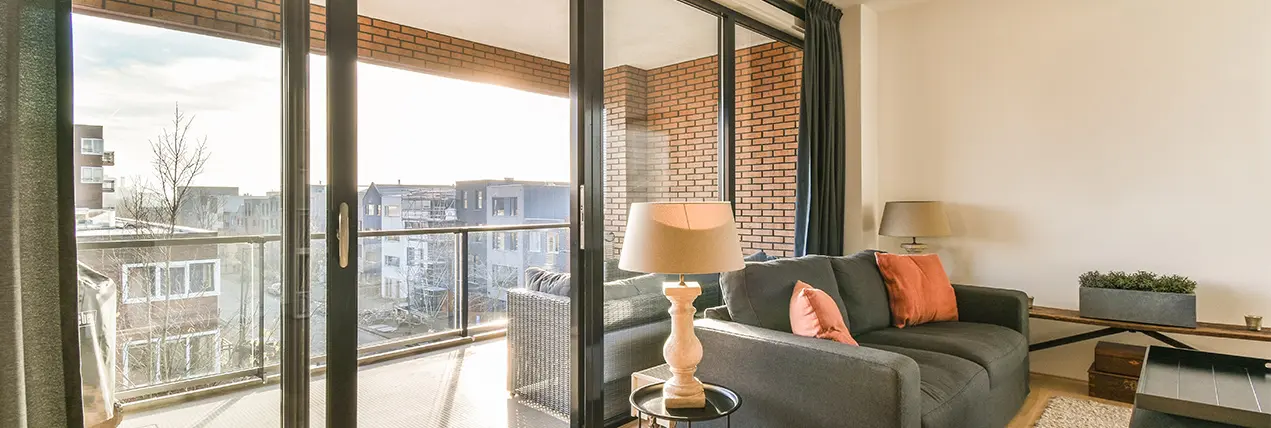
Demonstrating exterior glass alignment under high structural tension and deflection limits.

Integrating fireproof glass within precision aluminum profiles to form heat barriers.

Applying low-iron tempered and laminated glass partitions for commercial interiors.
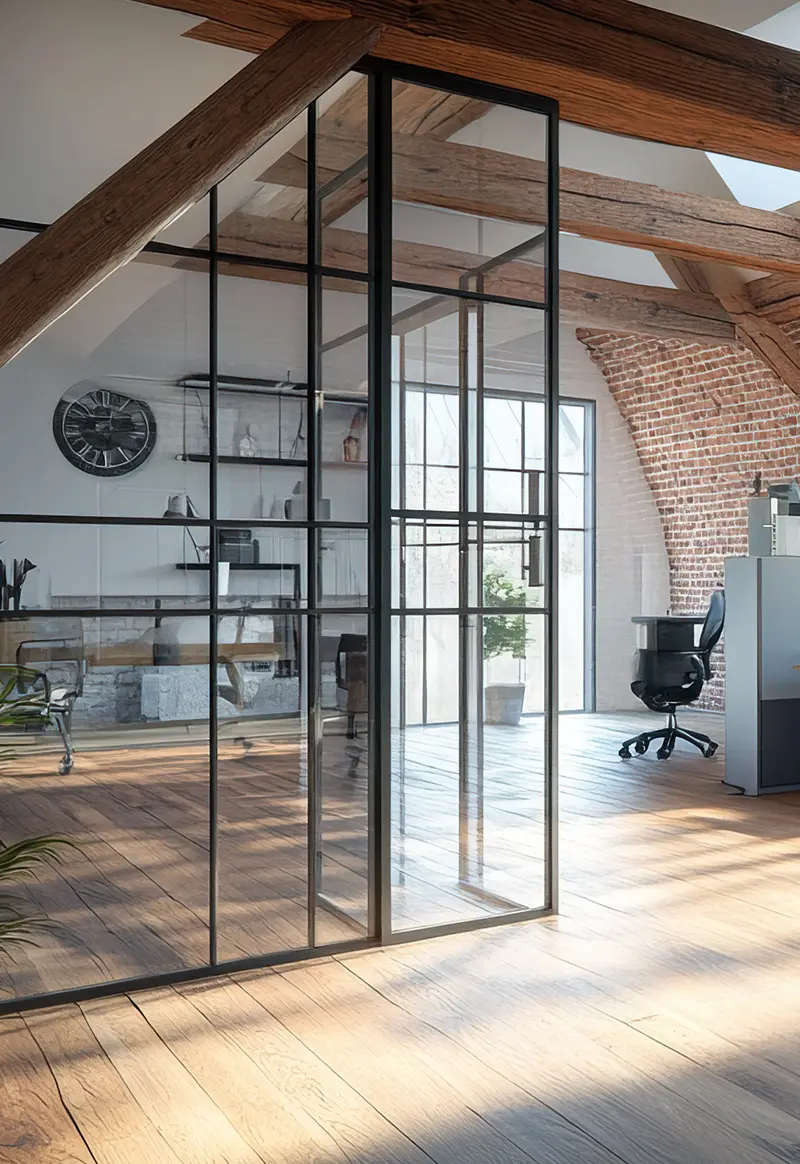
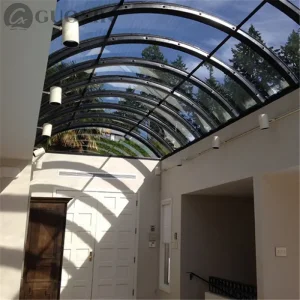
This large-scale integration combines structural safety glass, energy-efficient Low-E coatings, and fire-resistant compartmentalization. It is designed to meet strict wind-load and environmental standards for high-rise buildings.
Stay informed with technical evaluations, material comparisons, and engineering insights from our QA laboratory.
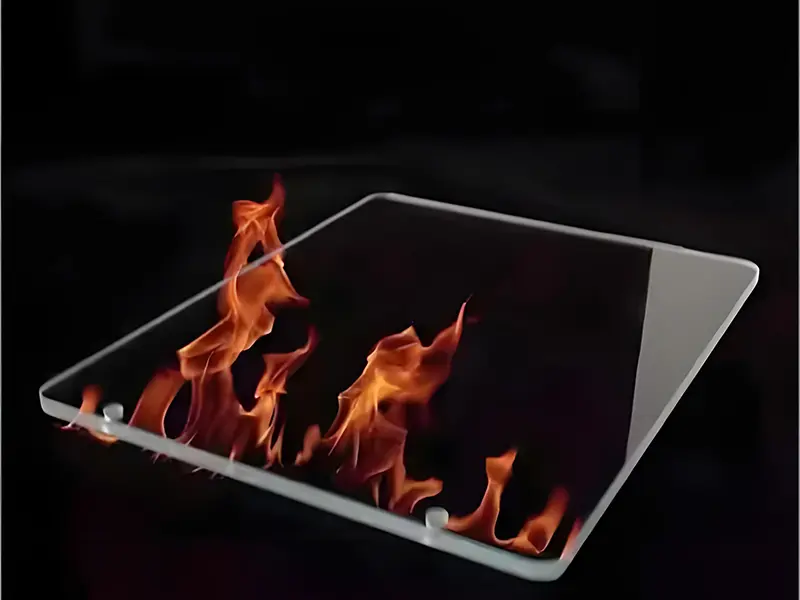
To help you pick compliant, cost-effective and safe glass for your projects, we’ll break down the differences between fireproof glass, fireproof materials glass, fireproof coating glass and ordinary soda-lime silica options...
Learn More →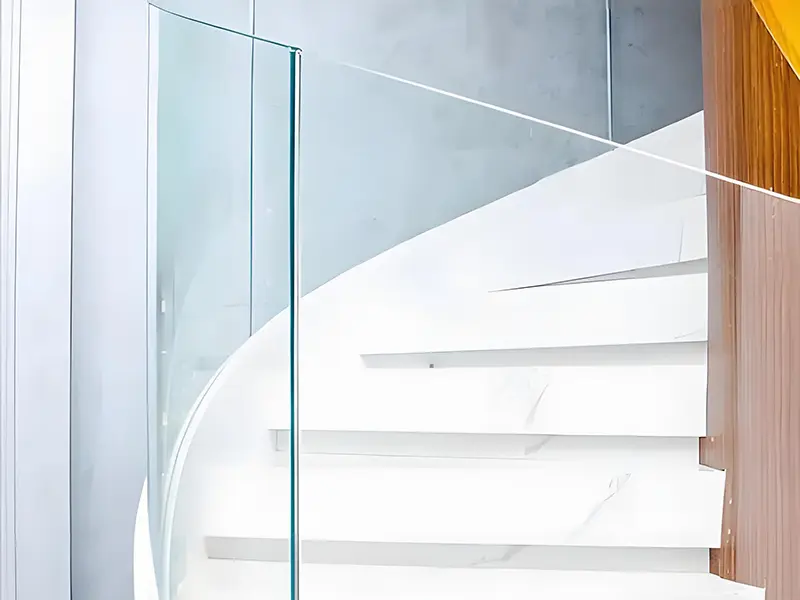
I receive many customer inquiries every day - which type of construction glass is both practical and safe? In fact, glass has long been indispensable in modern buildings due to PVB and SGP lamination safety interlayers...
Learn More →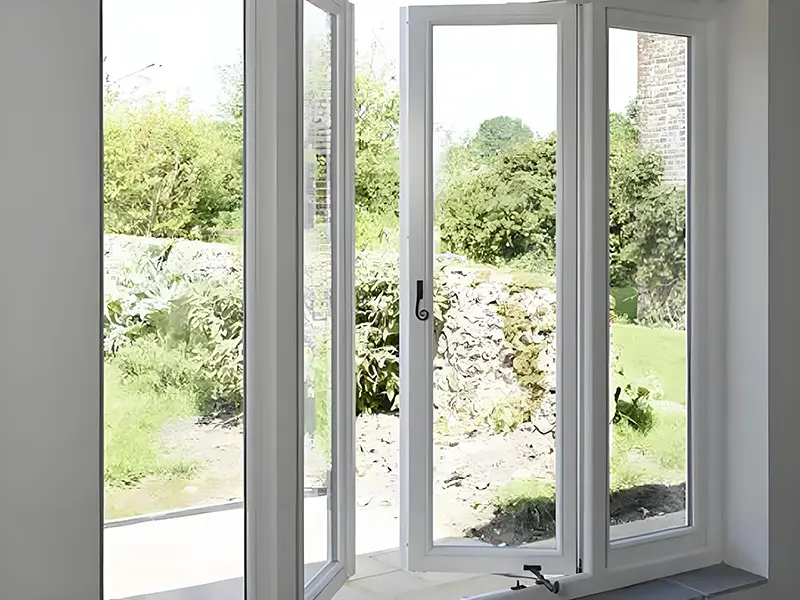
Most homeowners struggle with a common question when purchasing casement windows: should they choose broken bridge aluminum or plastic steel materials? We analyze thermal break metrics, life cycles, and structural costs...
Learn More →Answers to common technical questions about fire protection systems, glass properties, and building code compliance.
Integrity-only glass (E-Class) is designed to block flames, smoke, and hot gases. It prevents the passage of fire but does not prevent radiant heat from passing through. In contrast, insulated fireproof glass (EI-Class) features intumescent layers that expand under heat to form an opaque barrier. This blocks conductive and radiant heat, keeping the unexposed side cool enough to protect occupants during evacuation.
SGP interlayers are five times stronger and up to one hundred times stiffer than standard PVB materials. This extra stiffness allows SGP laminated glass to carry higher structural wind loads with thinner profiles. In addition, SGP provides superior post-breakage strength; if the glass shatters, the interlayer remains upright, preventing the panel from falling out of the frame.
Low-E coatings consist of thin, microscopic layers of metal oxide applied directly to the glass surface. These coatings reflect long-wave infrared energy (heat) while allowing short-wave solar radiation (light) to pass through. In summer, this helps prevent heat from entering the building; in winter, it helps retain heat inside, reducing energy use for heating and cooling.
Fireproof glass undergoes tests according to standards like ASTM E119, UL 263, and EN 1364. During these tests, glass assemblies are exposed to high temperatures in a test furnace to measure fire resistance times (e.g., 30, 60, 90, or 120 minutes). Samples are also subjected to a hose stream test to evaluate their structural integrity under thermal shock and physical pressure.
Large glass panels are packed in custom wooden crates with shock-absorbing spacers and desiccant packs to prevent moisture damage during transit. The crates are secured inside standard shipping containers to limit movement. For delivery to building sites, we coordinate container unloading schedules with project managers to align crane lifting and installation phases, reducing storage times on site.
Browse our range of high-performance glass configurations for commercial, industrial, and specialized architectural projects.
 Guoxin