 Guoxin
Executive Summary: The Structural Shift Towards Wooden Finish uPVC Systems
Modern architecture sits at a critical intersection: the absolute necessity for low carbon footprints and thermal efficiency contrasted against the timeless demand for organic architectural aesthetics. Historically, specifying timber windows meant accepting high lifecycle maintenance costs, susceptibility to moisture ingress, rot, and eventual warp. On the other hand, traditional aluminium frames, while robust, present inherent thermal bridging issues unless heavily modified with polyamide thermal breaks, which significantly escalates fabrication costs.
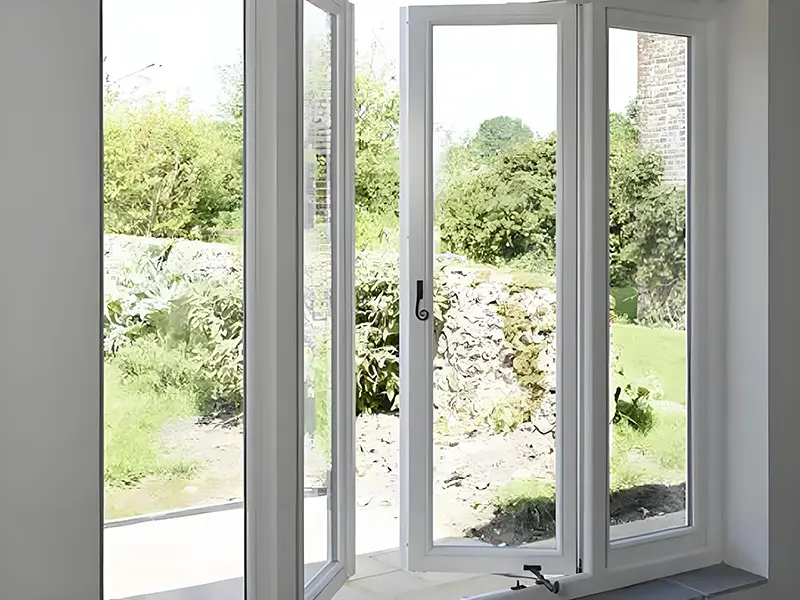
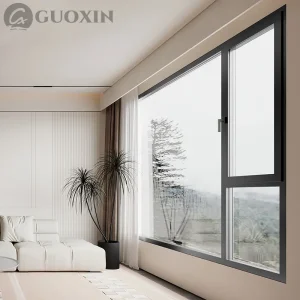
This is where uPVC windows with wooden finish laminations redefine the industry standard. By combining the internal multi-chambered extrusion technologies of unplasticized Polyvinyl Chloride with advanced PVDF or acrylic outer foils (such as Renolit coatings), global suppliers are providing components that achieve timber's warmth with uPVC's indestructible performance parameters. Crucially, B2B procurement officers are seeking out discount uPVC windows wooden finish suppliers capable of achieving these high-performance properties at a fraction of the cost of real timber, maximizing ROI for residential developments and large-scale public institutions alike.
Advantage Analysis: Why Sourcing From Chinese Factories is the Strategic Edge
The Chinese window and glass manufacturing ecosystem has undergone a massive paradigm shift. No longer limited to high-volume assembly lines, modern Chinese factories leverage advanced robotics, automated co-extrusion technology, and world-class testing labs to surpass European and North American performance standards. Suppliers such as Jiangsu Guoxin Glass Co., Ltd. (established in 2006) demonstrate this progression with integrated operations that merge high-grade glass processing directly with window profile assemblies.
Advanced Material Engineering
Our partner facilities implement stabilizer systems free of heavy metals (using environmentally friendly Calcium-Zinc formulations). This ensures that extruded uPVC profiles maintain structural elasticity and resist UV degradation even under harsh solar exposure.
German Foiling Technologies
The authentic wood-grain texture is achieved using precision hot-melt lamination systems. PUR adhesive systems ensure the decorative foils (matching Golden Oak, Walnut, Mahogany, or Dark Oak profiles) bond permanently with the underlying uPVC, completely preventing peeling, bubbling, or delamination.
Unparalleled Scale and Cost-Efficiency
By locating production inside integrated industrial clusters in China, raw material procurement, thermal tempering, glass lamination, and profile extrusion occur within highly efficient, localized channels. This keeps per-unit costs low while ensuring absolute quality control.
Technical Specification Matrix: Performance Engineering of uPVC Wooden Finish Profiles
When executing large architectural bids, structural engineers need raw, verifiable data to justify material specification. Below is a detailed breakdown showing how premium wood-grain finished uPVC profiles measure up against traditional materials:
| Physical Property | Premium Wood-Finish uPVC Profile | Standard Timber Framing | Thermal-Break Aluminium | Test Protocol Reference |
|---|---|---|---|---|
| Thermal Transmittance (Uf) | 0.95 - 1.2 W/m²K | 1.4 - 1.8 W/m²K | 1.6 - 2.2 W/m²K | ISO 10077-2 / EN 12412-2 |
| Acoustic Attenuation (with double glazing) | 38 dB - 45 dB | 32 dB - 38 dB | 35 dB - 42 dB | ISO 140-3 / ASTM E90 |
| Tensile E-Modulus | ≥ 2200 MPa | 8000 - 12000 MPa (Anisotropic) | 70000 MPa | ISO 527-2 |
| UV Degradation Resistance | Color fastness Grade 4-5 (ISO 105 A02) | Requires repainting every 3-5 years | High (Anodized/Powder Coated) | ISO 4892-2 (Xenon Arc exposure) |
| Water Tightness Class | Class 9A (600 Pa) | Class 7A (300 Pa) | Class E900 (900 Pa) | EN 12208 / ASTM E547 |
Macro-Industry Trends: Decarbonization and the Green Building Mandate
The global construction sector is pivoting toward strict decarbonization models. The European Union's Energy Performance of Buildings Directive (EPBD) and LEED v4.1 certification models emphasize low embodied carbon and high operational energy savings. Wooden-finish uPVC profiles stand out in this paradigm:
First, the carbon footprint of extracting, refining, and fabricating uPVC profiles is lower than that of raw aluminium extrusion. Second, the lifespan of modern high-durability uPVC stretches beyond 40 years without degrading or requiring carbon-intensive chemical paints. Third, modern Chinese extrusion plants operate with up to 30% recycled post-industrial scrap, ensuring a closed-loop circular product lifecycle.
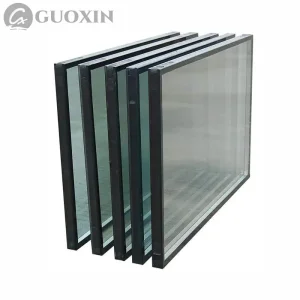
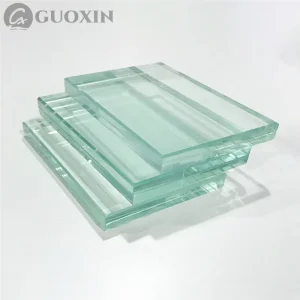
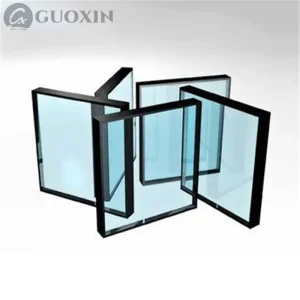
Combined with advanced architectural glass—such as the low-E, triple-glazed configurations engineered by Jiangsu Guoxin Glass Co., Ltd.—these window units reduce HVAC loads dramatically, assisting developers in achieving "Zero Energy Building" (ZEB) targets globally.
Localized Application Scenarios: Where Performance Meets Aesthetics
uPVC windows in a wooden finish are highly versatile and adapt to varied environments. Key installation scenarios include:
🏖️ Coastal & Marine Residences
Traditional timber and non-anodized metal windows fail rapidly in high-salinity zones due to rot and galvanic corrosion. Wooden-finish uPVC provides the organic beachside look without structural degradation, ensuring long-term aesthetic consistency.
🏙️ Urban Sound-Insulated High-Rises
Combining a multi-chambered frame with triple acoustic laminated glass (such as PVB/SGP configurations) lowers city decibel levels. This creates quiet, highly rentable spaces in dense urban cores.
🏡 Heritage Conservation Projects
Municipal planning departments in historical zones often mandate traditional wood frames. Authentic wood-grain laminated uPVC profiles replicate real timber profiles so accurately that they meet conservation guidelines while providing modern insulation.
Global Enterprise Procurement: Standards, Logistics, & Quality Assurances
B2B buyers face challenges with quality verification, damage-free transport, and regulatory compliance. Sourcing from certified Chinese suppliers involves several steps to manage risk:
- Certification Alignment: Ensure profiles hold CE (EN 14351-1), AAMA, or AS2047 certifications. This ensures compliance with local building codes.
- Glass Integration: Specify factory-glazed units to avoid onsite dust and moisture capture. Look for factories with ISO 9001:2015 certifications and certified tempered glass.
- Packaging and Logistics: Request structural steel reinforcing inside uPVC chambers (thickness ≥ 1.5mm) and robust packaging (protective wood crates with foam-wrapped profiles) to withstand long ocean shipping journeys.