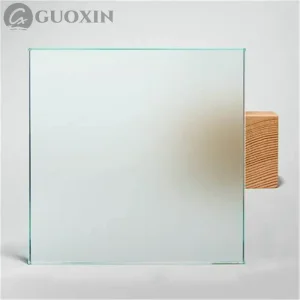
Explore our leading structural glass, fixed aluminium window systems, and space-optimizing architectural configurations engineered for international standards.
A technical guide to high-performance architectural windows and doors in global commercial and industrial applications.
Modern commercial buildings demand more than mere aesthetics; they require adaptive, energy-efficient building envelopes. According to the International Energy Agency (IEA), buildings account for nearly 30% of global final energy consumption. Fenestration systems—specifically architectural windows and doors—represent the primary boundary of thermal exchange. Selecting high-performance insulated glass units (IGUs) coupled with thermally broken aluminum framing systems directly minimizes structural HVAC loads.
By leveraging smart coatings, specialized low-emissivity (Low-E) layers, and inert gas fillings (like Argon or Krypton), contemporary glazing technology transforms windows from passive visual portals into active energy management layers. In industrial sectors, factors like acoustic insulation (STC/OITC ratings), fire resistance, blast mitigation, and structural wind-load tolerance dictate the engineering criteria of architectural facades.
Our state-of-the-art production facility houses multiple advanced production lines, each equipped with cutting-edge technology to process safety, fireproof, and high-performance insulated architectural elements.

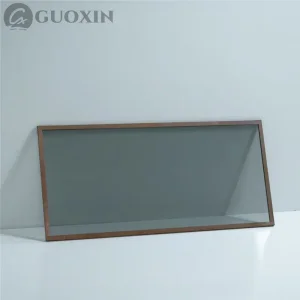
Designed with high-precision structural thermal breaks, offering optimal structural performance, corrosion resistance, and sleek profiles suitable for load-bearing curtain walls.

Tested rigorously under extreme temperature curves. Protects buildings against heat radiation and prevents smoke and toxic gas migration during critical containment intervals.
Interlayered with PVB or high-strength SGP films to absorb impact energy, prevent shattered shards, and reduce UV penetration while ensuring high optical clarity.
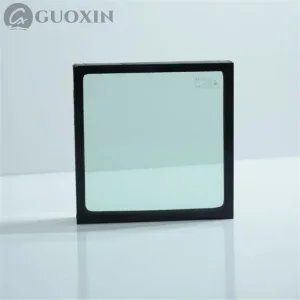
Features structural warm-edge spacer designs, dual-seal barriers, and low-E properties. Crucial for modern HVAC efficiency, carbon-neutral projects, and cold climates.
Engineered multi-layer composites that withstand ballistic threats, armed attacks, and forced-entry scenarios, built explicitly for banks, embassies, and VIP residences.
Founded in 2006, Jiangsu Guoxin Glass Co., Ltd. has established itself as an elite pioneer in the structural fenestration and architectural safety glass sector. With a 20-year legacy of engineering breakthroughs, our manufacturing infrastructure accommodates complex glass processing requirements including architectural tempering, laminating, insulating, and custom engraving.
Our facility houses premium convective tempering furnaces and automated CNC glass profiling lines. Through precision manufacturing, we guarantee unmatched stability and structural longevity for residential, municipal, and commercial facades worldwide.
How macroeconomic policies, energy regulations, and urbanization shape the global demand for architectural fenestration.
Modern architecture is subject to tight project schedules and complex logistics. As a direct Chinese source manufacturer, we resolve cross-border delays by integrating glass processing and aluminum framing under one single structural factory, streamlining the deployment of unitized curtain walls across major distribution hubs.
With regulations like Europe's EPBD and North American LEED certifications pushing for Net Zero Energy Buildings (NZEB), architects require low-E structural glazing that limits HVAC heat extraction in summer while preventing heat losses in winter. Our double and triple glazing units meet the strict U-values required globally.
High-rise residential and commercial towers undergo intense wind-shear stresses and physical movements. Our high-strength SGP laminated structural glass and heavy-duty frame connections are engineered to tolerate substantial building drifts, preventing catastrophic glass detachment in seismic zones.
Exploring the next generation of architectural fenestration, from dynamic electrochromic shading to superior thermal barriers.
Utilizing low-voltage electrical impulses to dynamically alter tint density, eliminating external blinds. Reduces HVAC cooling loads by dynamically shifting shading coefficients depending on sun angles.
The ultimate goal for window thermal efficiency. By drawing a vacuum down to 0.1 Pa between two panes, it achieves the thermal resistance of a thick masonry wall in an ultra-slim glass profile.
Our internal digital infrastructure incorporates AI predictive cutting layouts and real-time stress testing, lowering raw material waste and guaranteeing absolute alignment on complex geometric panels.
Shifting production to recycled aluminum scrap and clean energy smelting, significantly reducing the embodied carbon footprint of the structural frames to satisfy strict global ESG guidelines.
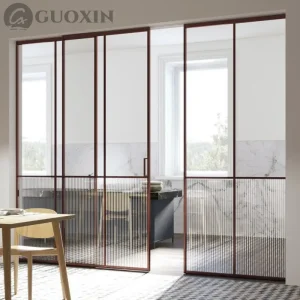
Precision-milled structural frame systems allowing seamless spatial configuration, offering high weather-tightness and fluid operation.
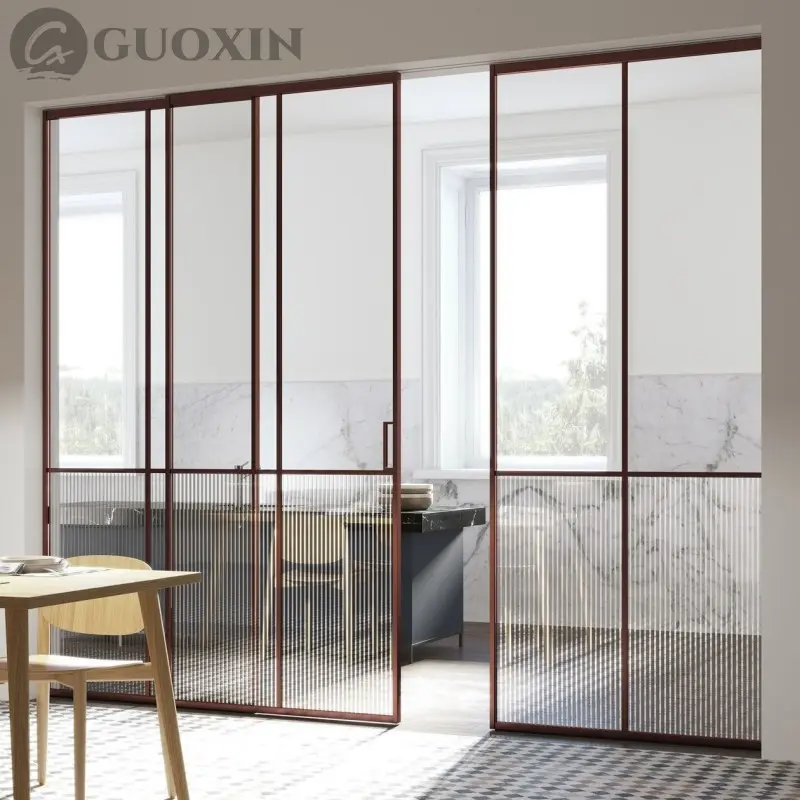
Space-saving gliding action designed for residential and commercial entry points.
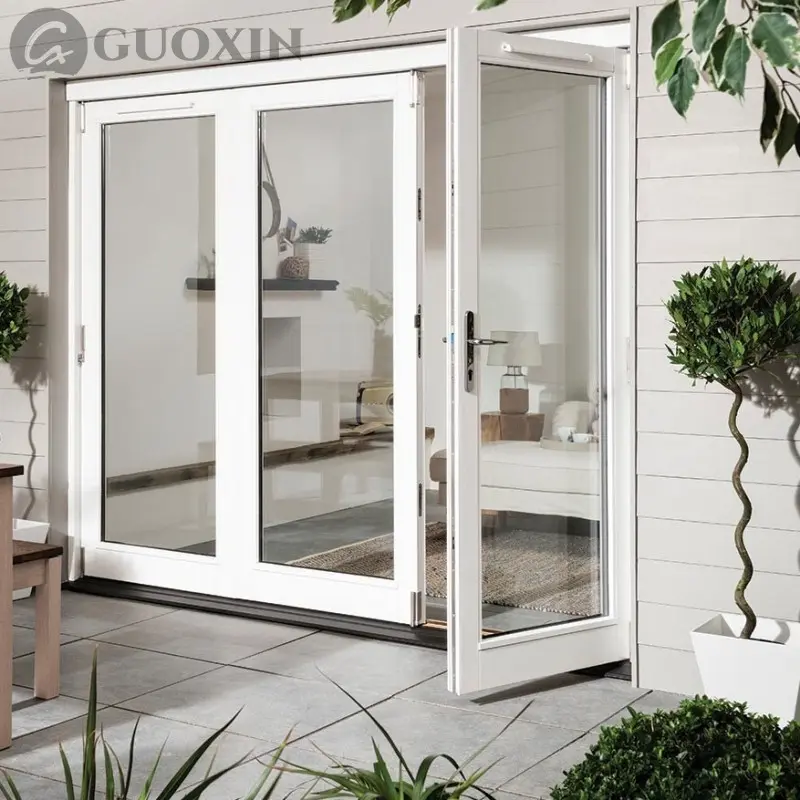
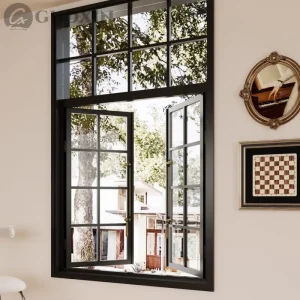
Classic structural design utilizing high-grade perimeter gaskets for acoustic isolation.
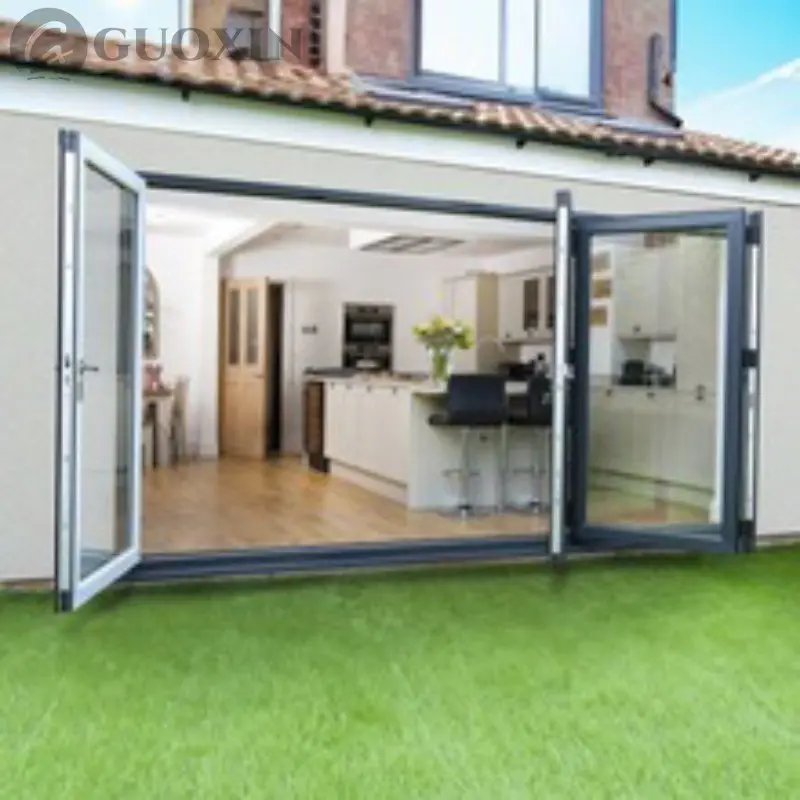
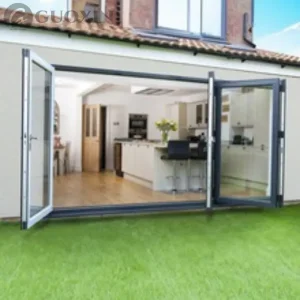
Maximize opening span to create fluid transitions between interior and outdoor zones.
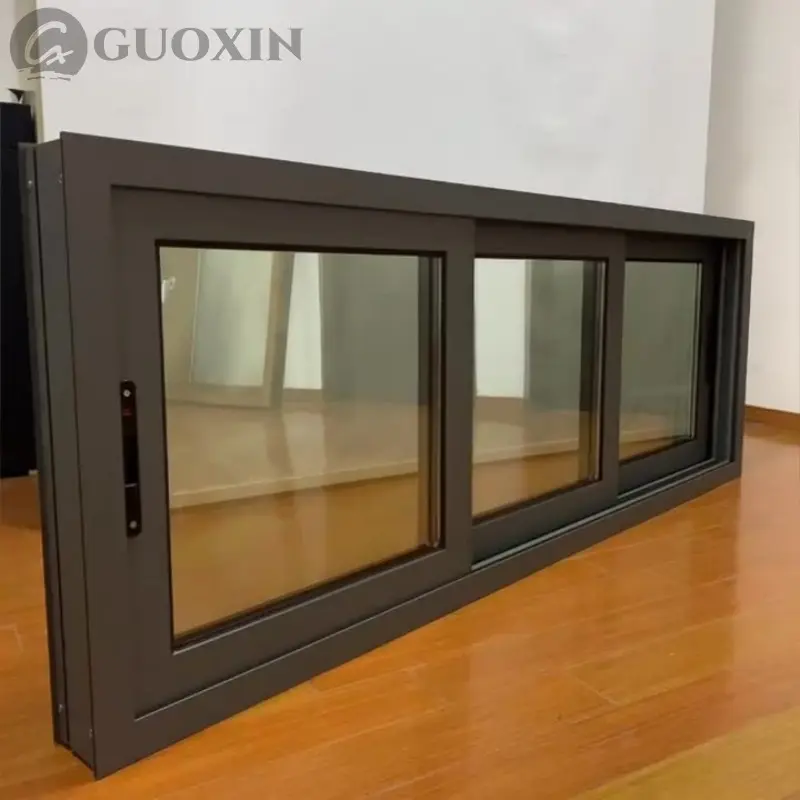
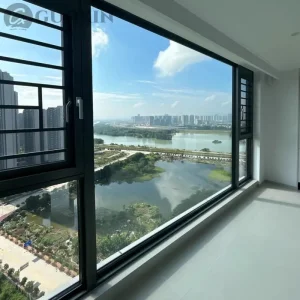
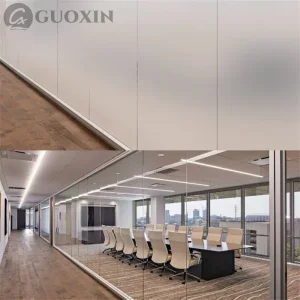
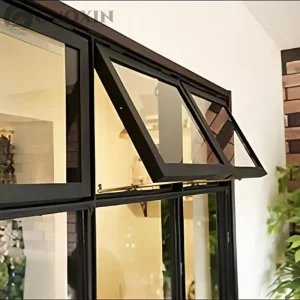
Engineered for high wind resistance and narrow sightlines, prioritizing daylighting.
Decorative and functional artistic architectural glass products highlighting our manufacturing versatility.
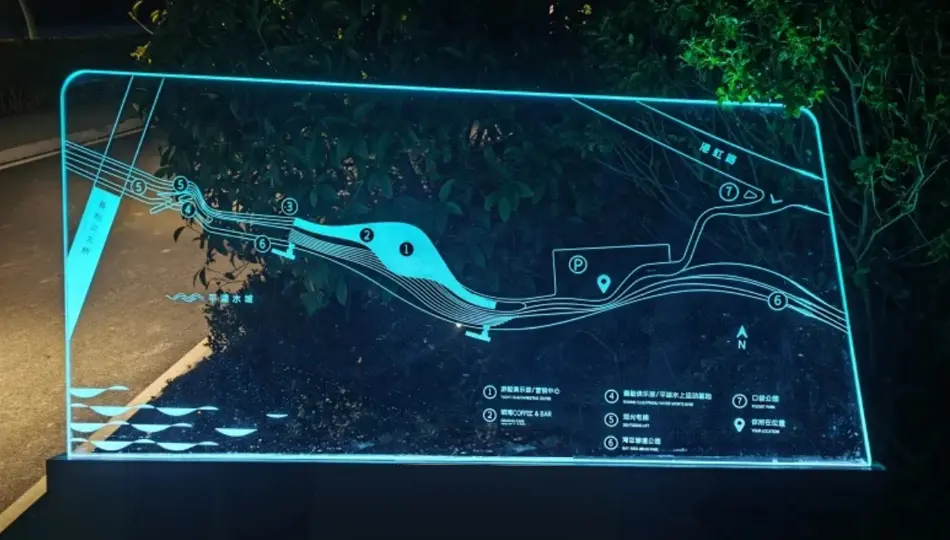
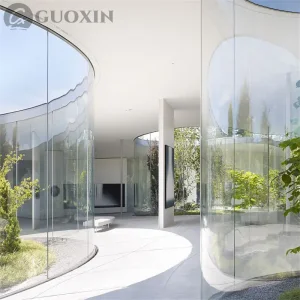
Constructed for outdoor installations, monuments, and structural visual art.
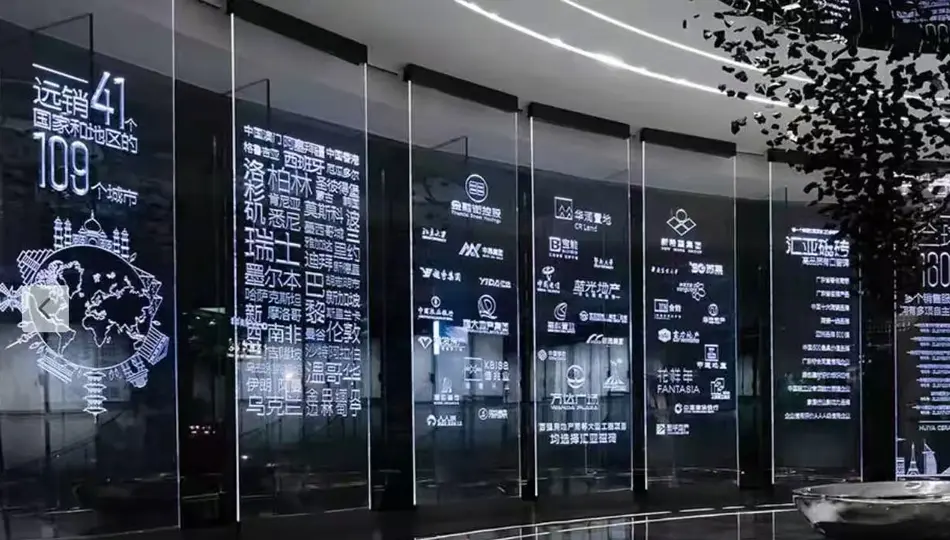
Highly detailed 3D patterns carved inside structural safety panels.
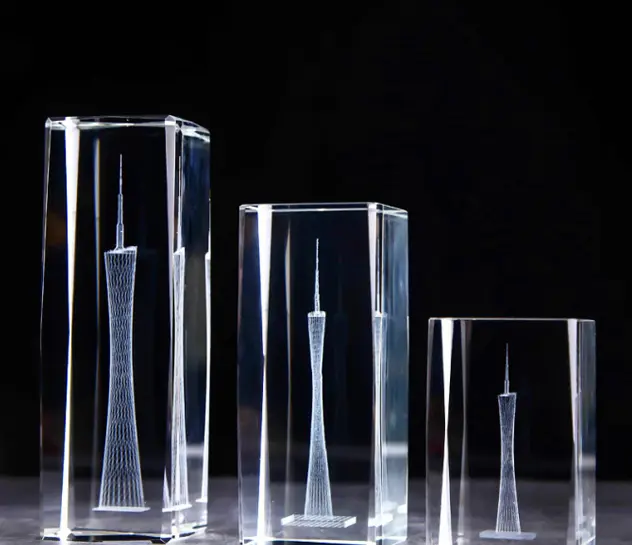
Bespoke custom crafts highlighting high-intensity laser processing techniques.
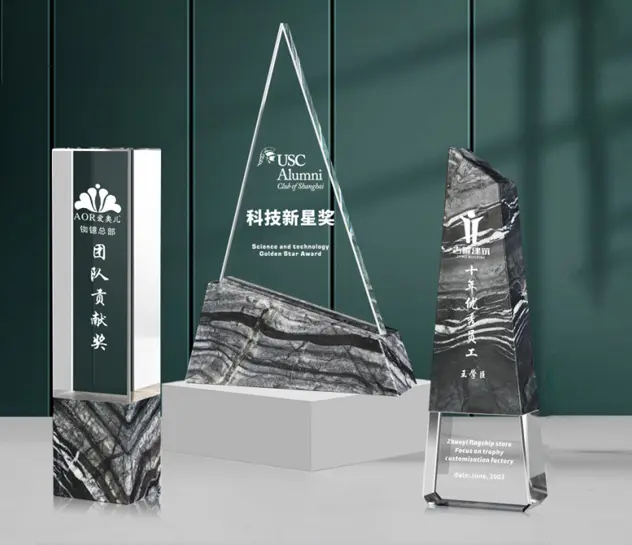
Optical grade components carved with absolute clarity and polished bevels.
Deploying specialized fenestration components matching distinct climate demands, zoning regulations, and building codes.
Compliance focus: ASTM E1300 structural load calculation, NFRC thermal performance ratings, and heavy-duty hurricane impact resistance (Miami-Dade county specs). Our high-grade SGP laminated glass systems and reinforced thermal-break framing cater specifically to high-wind load corridors and coastal developments.
Compliance focus: Extremely low thermal transmittance (U-value ≤ 0.8 W/m²K). Our argon-filled, warm-edge triple pane IGUs are built to achieve peak thermal isolation, matching building envelope requirements for German Passive House certification standards and thermal envelope safety regulations.
Compliance focus: Low Solar Heat Gain Coefficient (SHGC ≤ 0.25). Requires specialized multi-layered reflective glass and advanced magnetron sputtered Low-E coating combinations. These block infrared light, lowering internal HVAC dependency during extreme seasonal desert peaks.
At Jiangsu Guoxin Glass, we align with the absolute core philosophy: Quality First, Customer First, and Credit-Based. We collaborate alongside developers and façade engineers to customize structural solutions from scratch.
Whether optimizing wind load capacities, refining acoustic performance target levels, or developing specialized architectural profiles, our technical engineering division supplies comprehensive CAD layouts and certified physical test samples for project compliance verification.
Contact Our Technical Engineers →Our glass and frame installations perform reliably in award-winning iconic skyscrapers, commercial centers, and historic infrastructure projects.
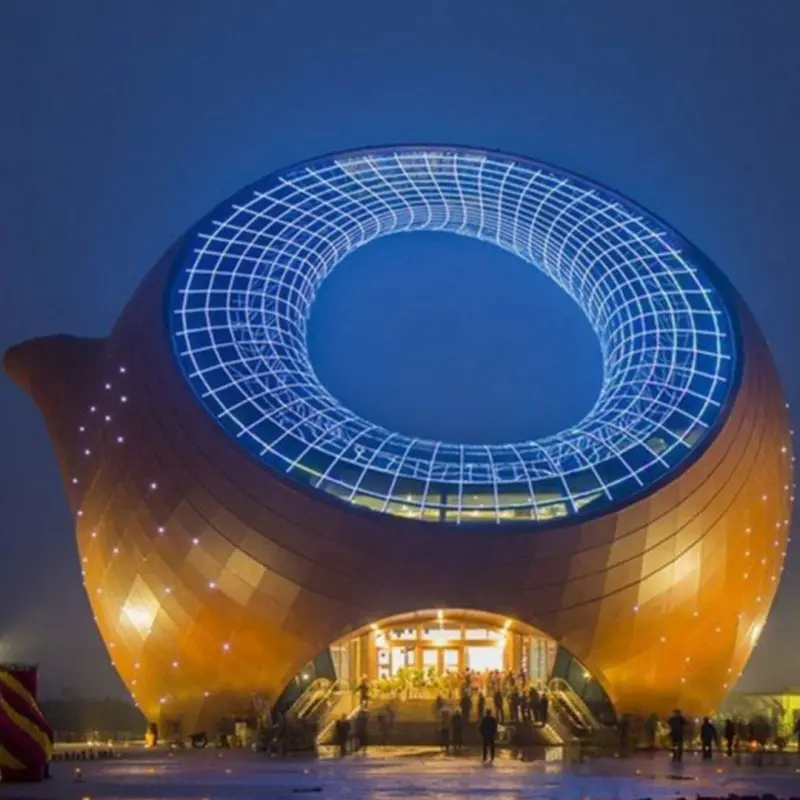
As the world's "largest purple clay pot shaped building", it was awarded the "World's largest Guinness" certificate. The 38.8-meter-tall structure is made of custom-curved aluminum frames and artistic stained glass dome segments designed to align with complex compound curvatures.
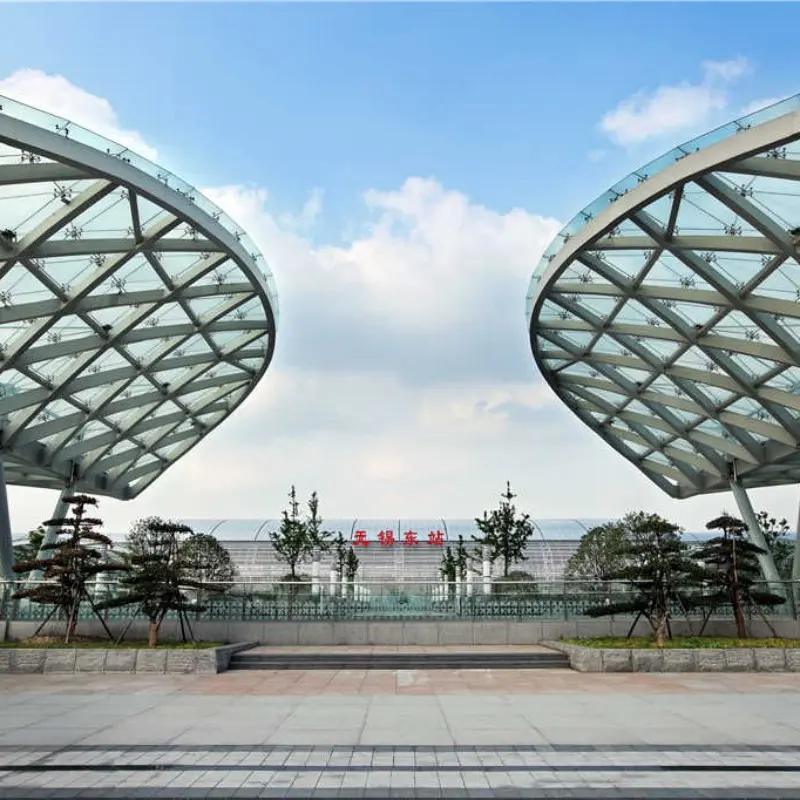
A central transit junction renovated with thousands of heavy-duty laminated safety glass panes. Built to support a daily passenger footprint exceeding 120,000, ensuring maximum crowd protection, high impact tolerance, and interior acoustic mitigation.

Standing as the 7th tallest skyscraper globally at 450 meters. The stepped architectural facade incorporates our high-performance double-glazed Insulated Glass Units, designed to mitigate solar wind pressure and lower thermal load on high floors.
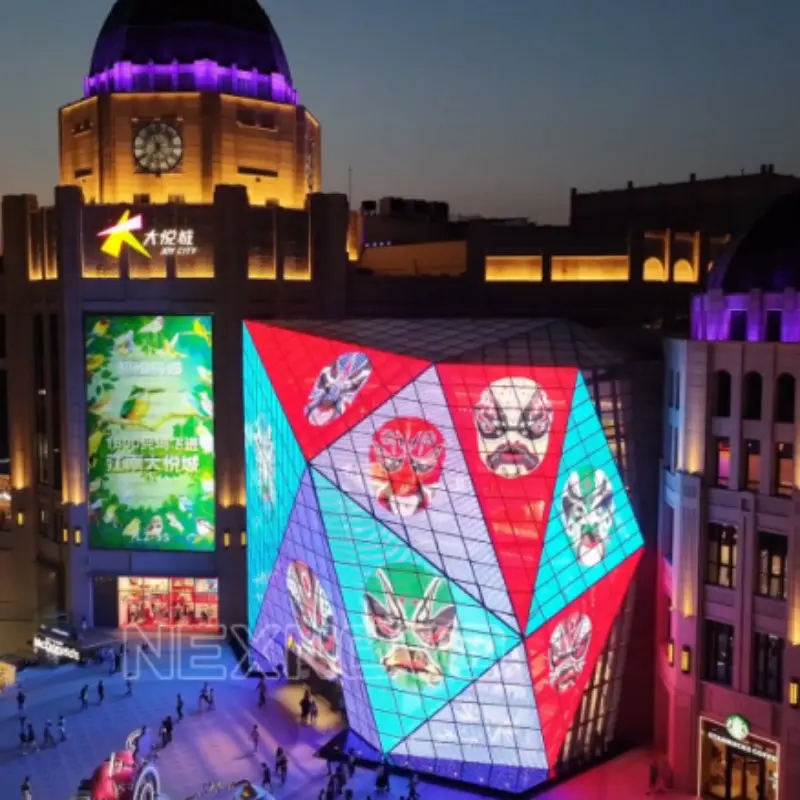
A flagship shopping center using high-quality smart glass panels. Integrated light-transmittance algorithms adjust structural shading, optimizing solar heat gains while highlighting commercial branding aesthetics.
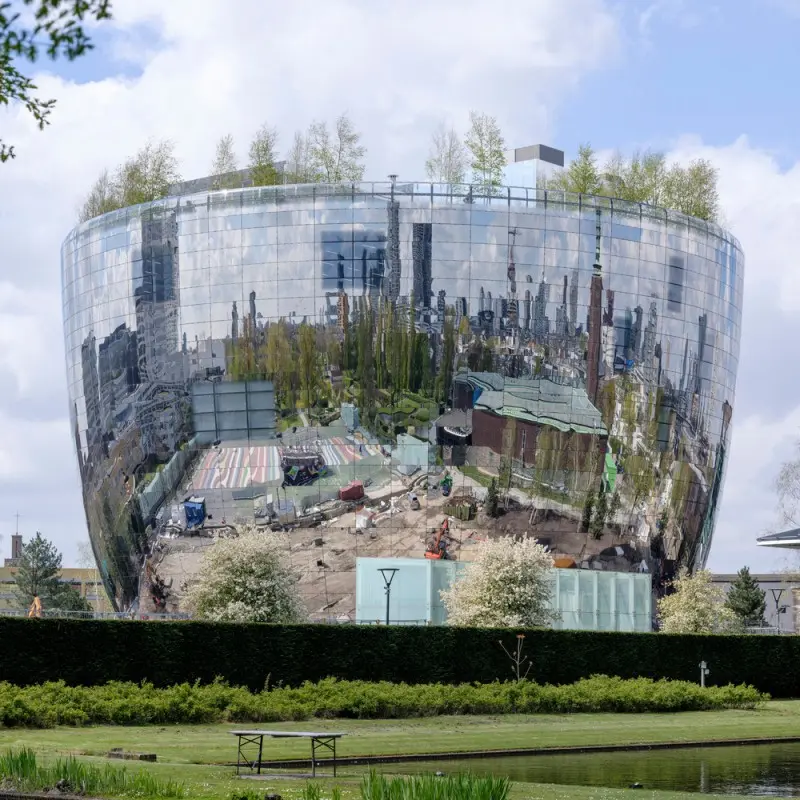
Featuring a massive 15,000 square meter exterior cladding utilizing specialized reflective architectural glass. Integrates the structure seamlessly with surrounding park greenery while retaining solar control properties.
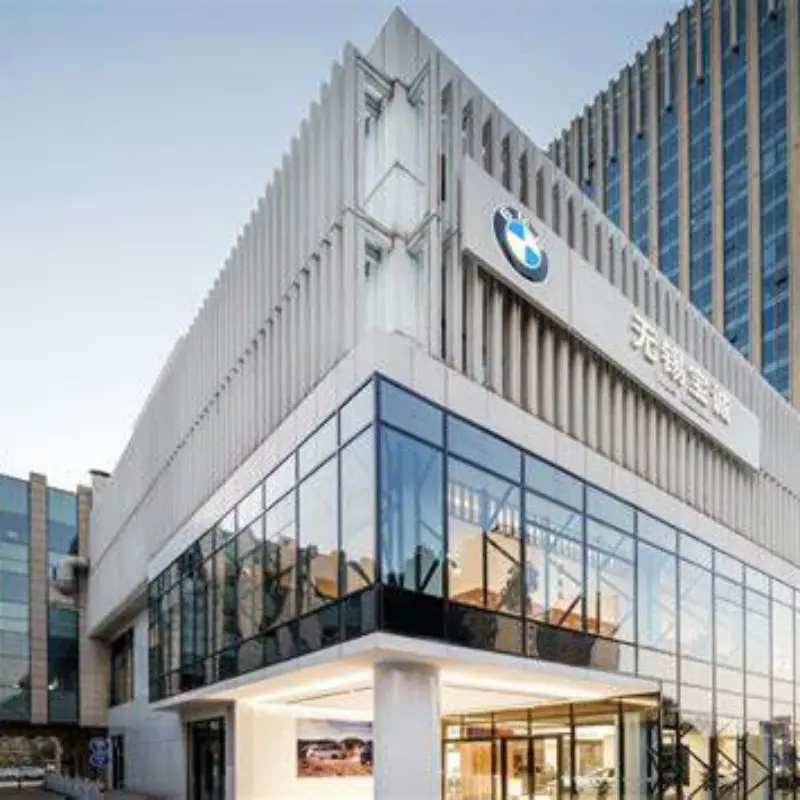
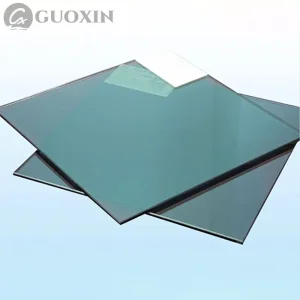
Engineered with oversized panoramic flat tempered panels. Allows maximum interior light infiltration and high optical rendering indices for premium automotive presentation facades.
Our architectural systems are exported and approved in over 16 countries, complying with local building and energy codes.
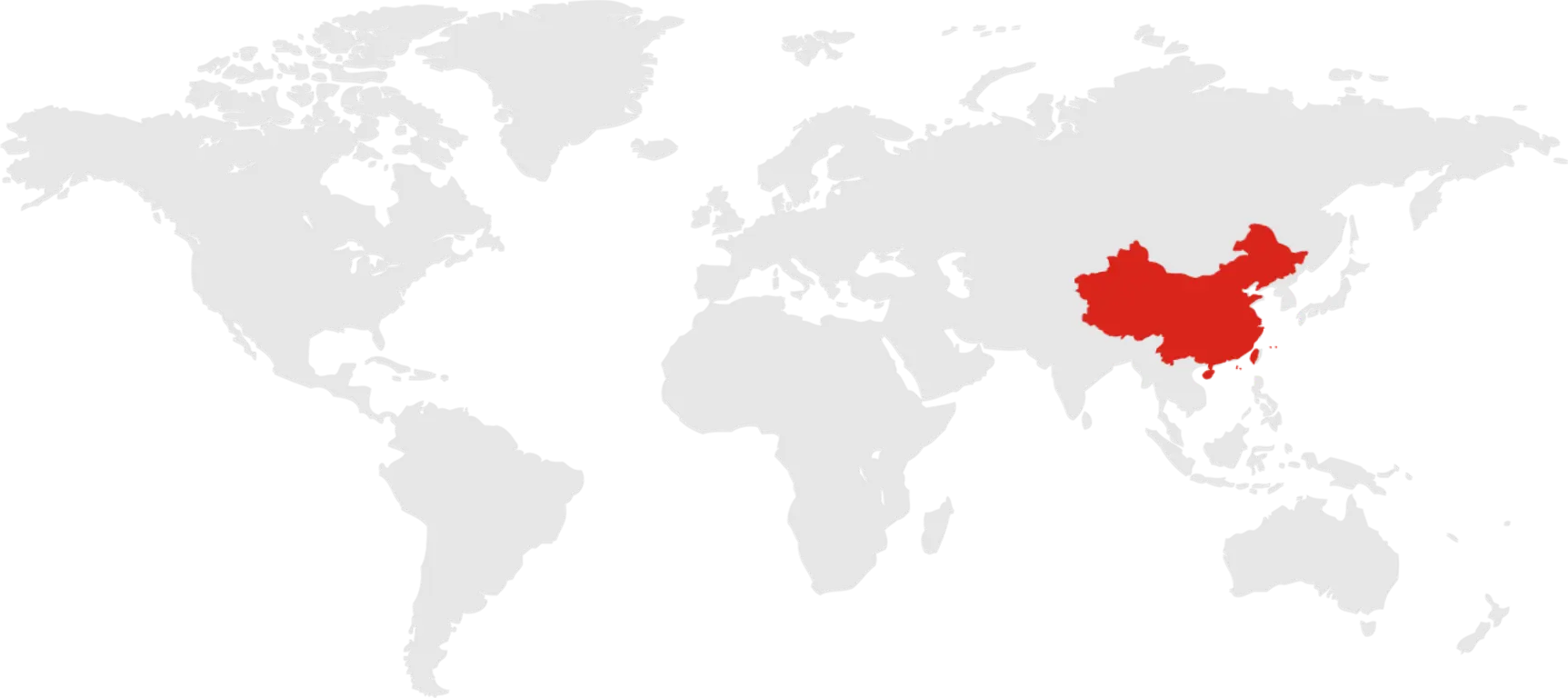
Guoxin Glass enforces strict quality control frameworks throughout our entire supply chain. Our facilities adhere strictly to SGCC standards for the North American market, CE approvals for European projects, and regional safety mandates.
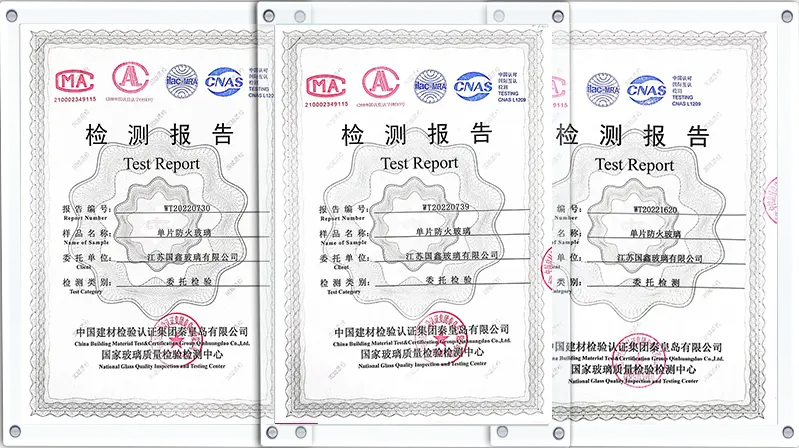
Our raw materials and finished fabrications undergo comprehensive physical stress tests under extreme load environments.
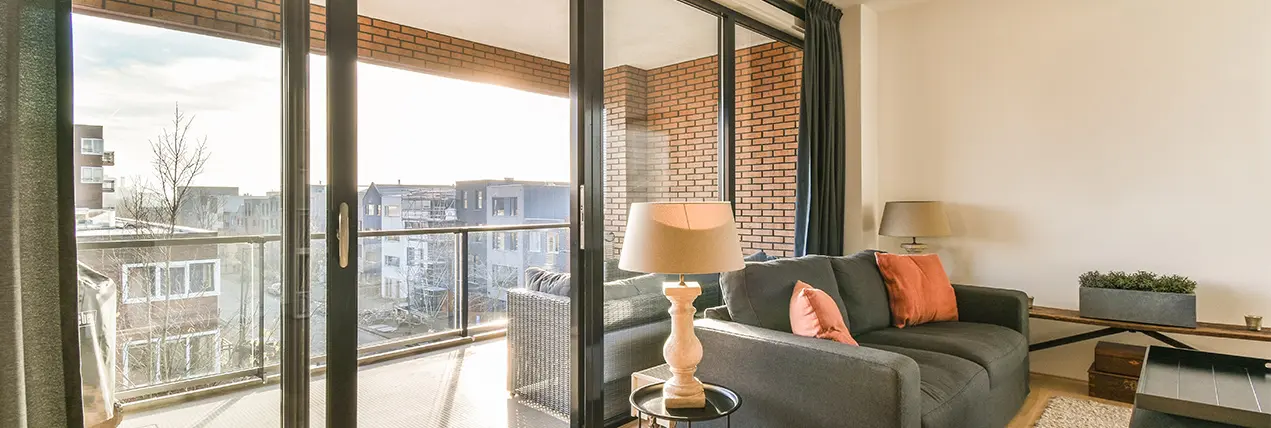


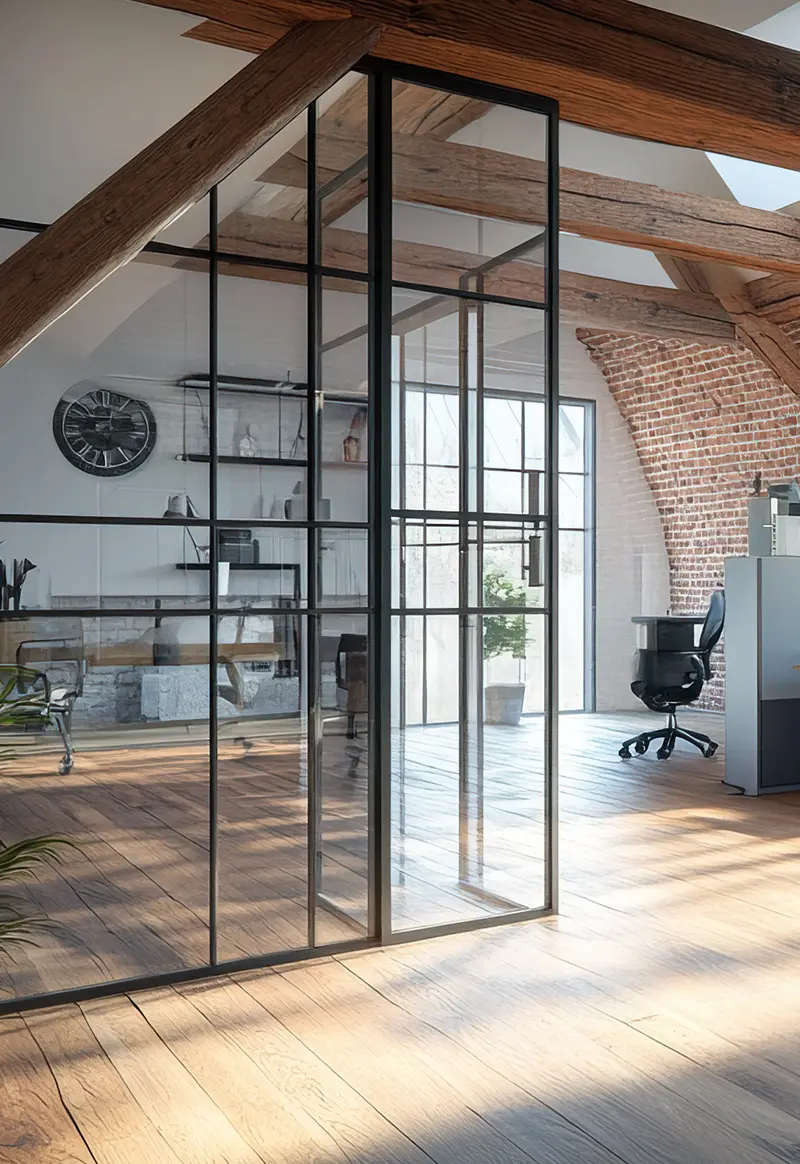
Industry resources providing specifications on architectural fenestration, building safety codes, and thermal breaks.
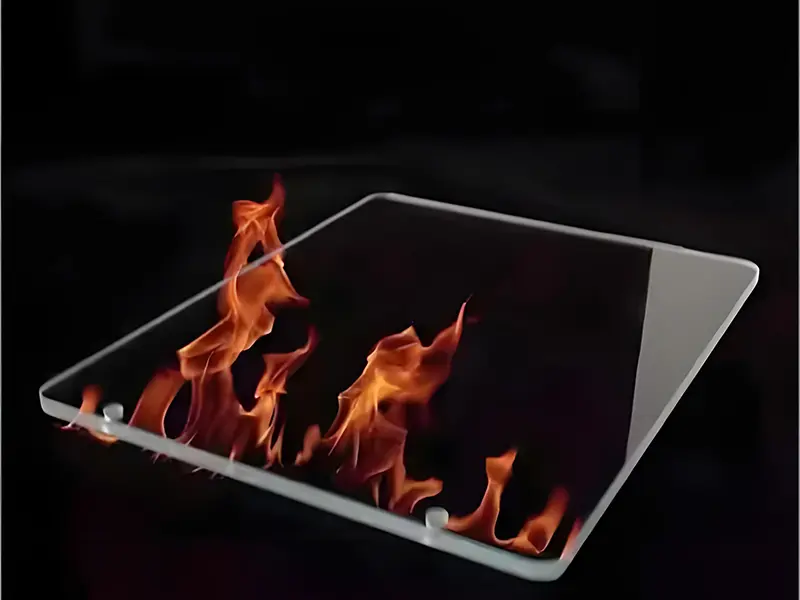
To help you pick compliant, cost-effective and safe glass for your projects, we’ll break down the differences between fireproof glass, fireproof coating layers, and standard thermal barriers.
Read Article →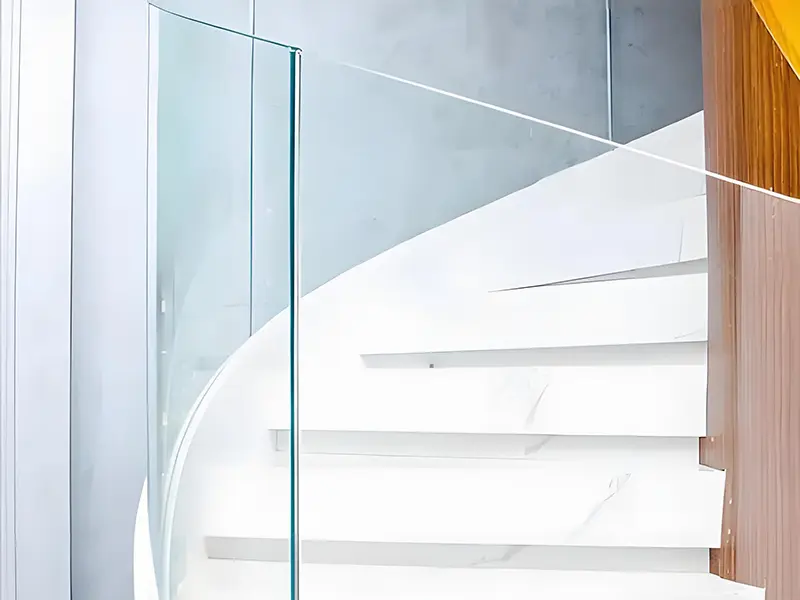
Architects ask: which safety glass type performs best in overhead structural roofs or glass balconies? Explore the impact shear strength differences between PVB and structural ionoplast interlayers.
Read Article →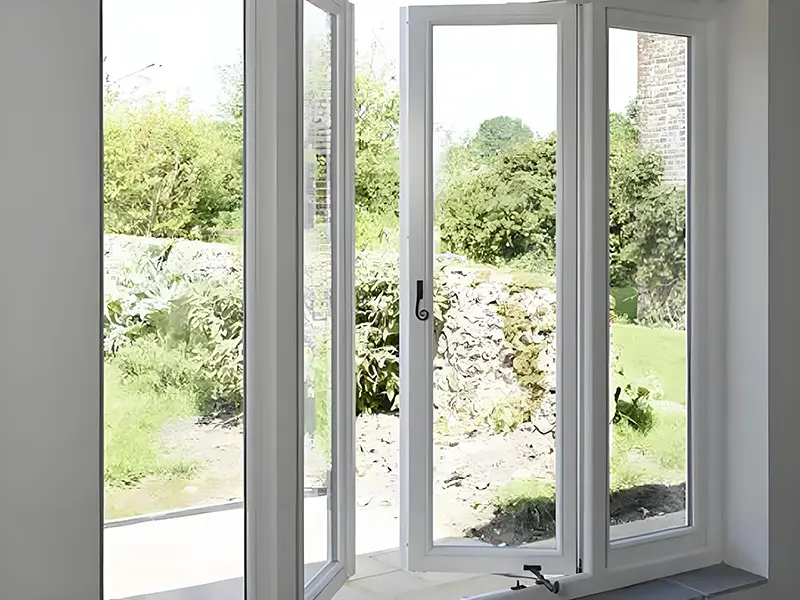
For modern casement windows, structural engineers calculate thermal transmittance balances. Learn how internal polyamide thermal insulating breaks reduce heat bridges in aluminum profiles.
Read Article →Providing direct answers to structural engineers, building architects, and global procurement departments.
Heavy-duty structural glass solutions and insulated framing configurations manufactured to withstand high load demands.
 Guoxin