A Technical Deep Dive into Thermal Performance, Structural Integrity, and Architectural Safety Standards.
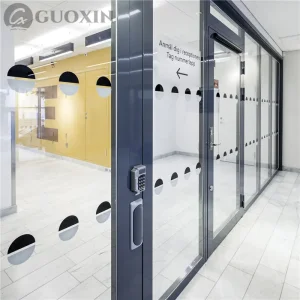
In the contemporary architectural landscape, the envelope of a building is no longer viewed merely as a static barrier against the elements. Instead, it is conceptualized as a dynamic filter, managing energy exchange, natural illumination, and mechanical acoustics. Within this framework, Energy Efficient Sliding Doors stand as critical nodes where structural engineering and thermodynamic efficiency must converge. Historically, sliding doors represented points of significant thermal leakage, acoustic infiltration, and mechanical vulnerability. However, modern manufacturing techniques and materials science have transformed these systems into components capable of matching the thermal metrics of insulated structural walls while offering expansive, unobstructed vistas.
Jiangsu Guoxin Glass Co., Ltd. has established itself at the forefront of this evolution. Founded in 2006, our enterprise leverages nearly two decades of engineering expertise to design and fabricate advanced glazing configurations and aluminum framing systems. The modern building envelope demands strict adherence to global metrics such as the U-value (thermal transmittance), the SHGC (Solar Heat Gain Coefficient), and acoustic attenuation indexes. By deploying state-of-the-art automated production processes, we ensure that every assembly leaves our factory with precise tolerances, guaranteed thermal performance, and compliance with severe wind and seismic load criteria.
To understand the technological innovation underlying high-quality sliding door manufacturing, one must examine the paths of heat transfer across the frame and glazing assembly. Thermal energy moves through doors via conduction, convection, and radiation. Traditional aluminum framing acts as a highly conductive thermal bridge, allowing external temperatures to easily migrate indoors, resulting in condensation and high HVAC energy consumption. Our manufacturing solution utilizes multi-chambered broken bridge aluminum profiles. By inserting high-density polyamide thermal barriers (reinforced with fiberglass) between the interior and exterior aluminum components, we break the conduction path, reducing frame thermal conductivity by more than 70%.
Simultaneously, the glazing configuration must mitigate radiation and convection. Standard double-pane glass provides baseline insulation, but high-efficiency applications demand triple-glazed configurations filled with inert gases like argon or krypton, coupled with multi-layered Low-Emissivity (Low-E) coatings. Low-E coatings selectively reflect long-wave infrared radiation (heat) while permitting short-wave visible light to pass through. This keeps indoor heat contained during winter while blocking solar heat load during summer. In our factory, the integration of these technologies allows us to offer sliding door systems that achieve U-values as low as 0.8 W/m²K, satisfying the most stringent Passive House requirements globally.
Established in 2006, Jiangsu Guoxin Glass Co., Ltd. has developed into a leading enterprise in the high-performance glass and window/door industry, maintaining a stable track record of quality, innovation, and reliability. Over the span of two decades, we have accumulated deep experience in research and development, design, and precision manufacturing.
Our expansive facility features multiple high-capacity production lines equipped with automated cutting, double-edging, tempering, and lamination machinery. By integrating glass processing with structural aluminum fabrication, we deliver complete, turnkey energy-efficient sliding door solutions that meet the rigid requirements of architectural projects across the globe.
Why China's integrated industrial ecosystems yield superior cost-performance and technological leadership in energy-efficient architectural components.
Our factory operates within China's premier industrial glass cluster. This ensures immediate access to top-grade float glass substrates, premium polyamide thermal break strips, high-performance EPDM gaskets, and world-class architectural hardware. This level of supply integration reduces lead times and material transport costs.
We leverage automated CNC machining centers for structural frame milling, computerized glass cutting, and robotic argon gas filling. This automation removes human error, ensuring tolerances of less than 0.5mm. Precise tolerances are crucial for maintaining airtight and watertight seals on sliding tracks.
Guoxin sliding doors undergo rigorous factory testing for wind load resistance, air permeability, and water penetration in accordance with ASTM, CE, and AS2047 standards. Our internal testing laboratory measures performance under extreme load simulations prior to container loading.
The global construction sector is undergoing a rapid transition toward decarbonization. As building codes align with strict carbon neutrality goals, the demand for high-performance fenestration has surged. Several key trends are shaping the future of energy-efficient sliding doors:
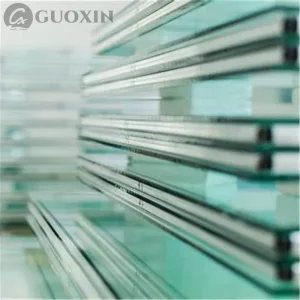
Explore the specialized glass processing lines that form the foundation of our high-quality energy-efficient sliding door assemblies.
Combining thermal insulation with high safety standards, our fire-resistant glass options prevent the spread of flames and heat radiation. Specially engineered interlayers react to heat by forming a dense, opaque barrier, offering structural protection for escape routes in commercial projects.
Utilizing DuPont SentryGlas Plus (SGP) interlayers, this configuration provides up to five times the tear strength and one hundred times the rigidity of standard PVB laminated glass. This is the optimal solution for hurricane-prone areas, high-wind coastlines, and structural glass balustrades.
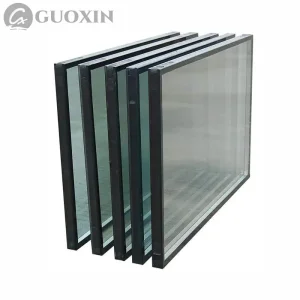
Our double and triple-glazed units utilize warm-edge stainless steel or structural foam spacers, argon gas filling, and dual-barrier silicone sealing. The low-E coatings are applied in vacuum sputtering chambers, ensuring optimal U-values and solar heat gain coefficients.
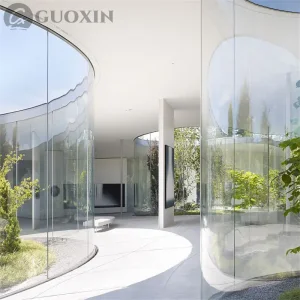
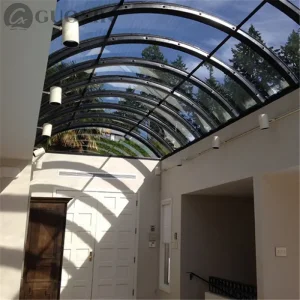
For organic, modern architectural profiles, we offer curved tempered glass configurations. Our advanced bending ovens temper the glass while maintaining optical clarity, preventing distortion while offering high mechanical strength.
Engineered for high-end corporate boardrooms, monitoring facilities, and smart security installations, our two-way mirror glass options balance light transmission and reflection for optimal one-way visibility under controlled lighting conditions.
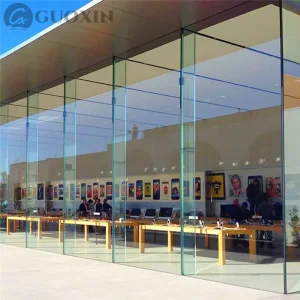
To meet the architectural trend of open vistas, our jumbo processing lines manufacture and temper oversized structural glass sheets, maintaining flatness and strength across spans exceeding 6 meters.
A structured approach to sourcing high-performance sliding doors and architectural glass from China.
For international developers, general contractors, and façade consultants, purchasing structural components from China requires strict attention to quality assurance, testing compliance, and logistics management. Fenestration systems must comply with local building codes, including America's NFRC/AAMA standards, Europe's CE EN regulations, and Australia's AS2047/AS1288 standards. A lack of proper certification can lead to regulatory delays at the construction site.
When sourcing from Jiangsu Guoxin Glass, global buyers receive full certification documentation, including SGCC (for North America), CE EN12150 (for Europe), and ISO 9001:2015 certifications. We implement an End-to-End Quality Management System:
Our engineering team reviews the architectural plans to calculate wind loads, structural deflections, and thermal performance requirements, ensuring the chosen frame and glass specifications are suitable for the project's geographic location.
We trace each batch of aluminum alloy, structural sealant, and glass float. Mill certificates and chemical composition reports are kept on file to verify structural integrity and prevent issues like spontaneous tempered glass breakage due to nickel sulfide inclusions.
To prevent damage during sea transit, glass products and frames are packed in custom heavy-duty, moisture-resistant plywood crates. We utilize structural cork separators, protective film, and steel banding, loading the crates securely into shipping containers.
Additionally, we accommodate third-party factory audits (such as SGS or TÜV Rheinland) and pre-shipment inspections. This level of transparency ensures that overseas developers can purchase high-performance architectural components with confidence, knowing they will arrive on-site on schedule and ready for installation.
An overview of landmark architectural projects utilizing our high-performance glass and fenestration solutions.
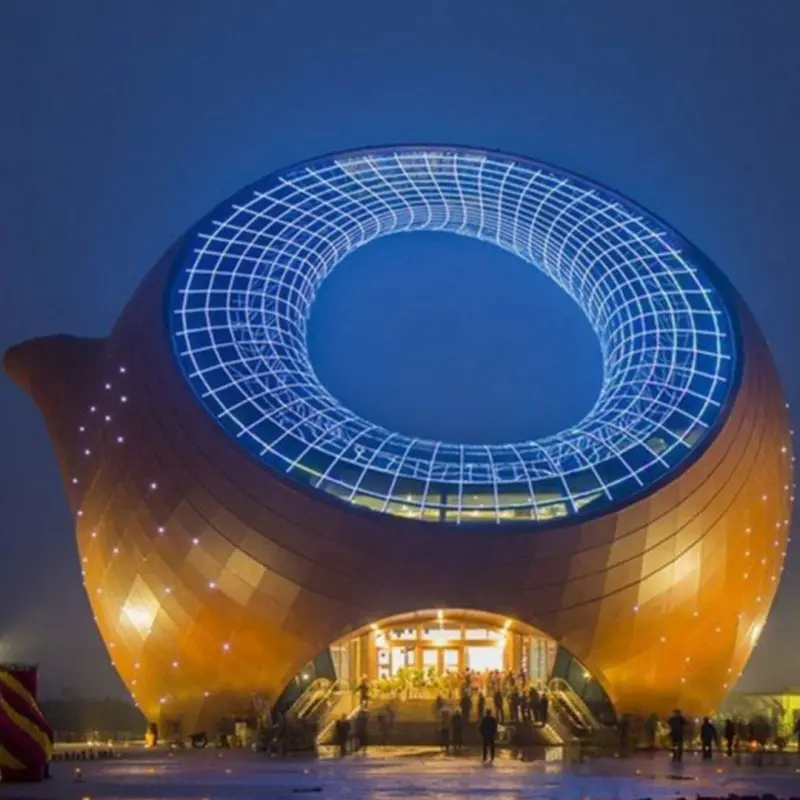
Recognized as the "world's largest purple clay pot-shaped building" and awarded the Guinness World Record, this 38.8-meter-tall dome structure features a complex facade of customized aluminum and glass elements. The dome is clad in artistic stained glass panels fabricated to strict geometric tolerances.
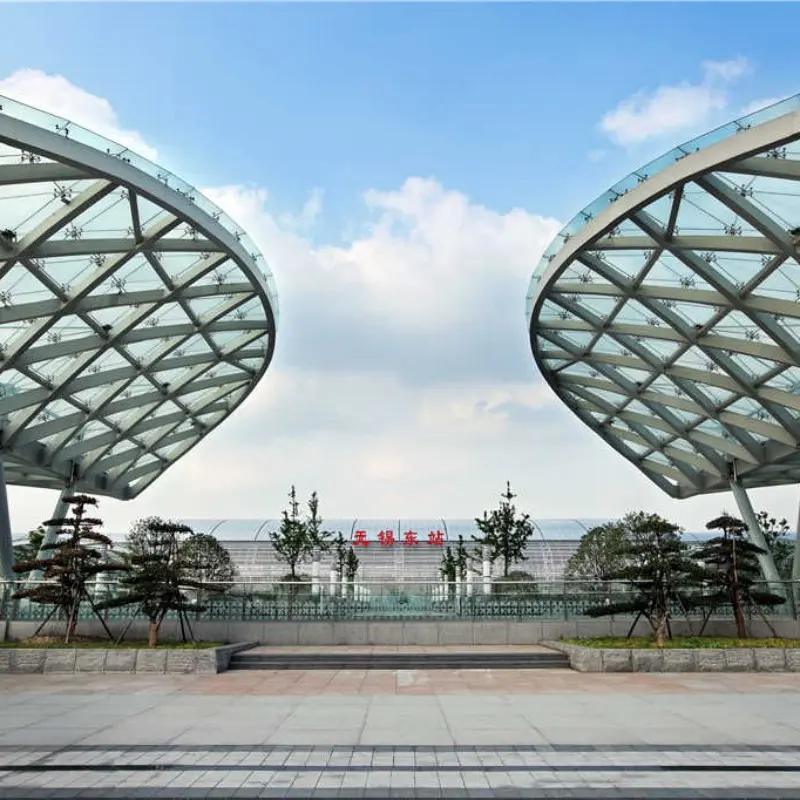
Under the jurisdiction of the China Railway Shanghai Bureau, this major transport hub handles over 120,000 waiting passengers daily. The renovation of the station features thousands of laminated glass units, creating a durable elevated double-sided station on the busy Shanghai-Nanjing railway line.

Standing at 450 meters tall (1,480 ft) and ranking among the world's tallest skyscrapers, this 89-story mixed-use tower utilizes our high-performance Insulated Glass units for its exterior curtain wall, providing thermal comfort, solar control, and structural stability at height.
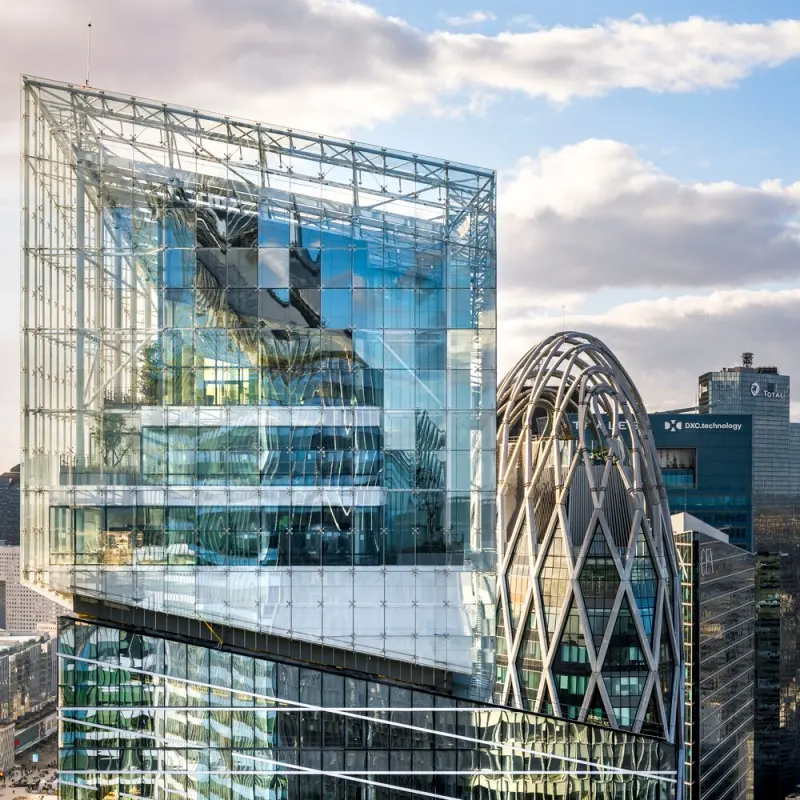
Featuring triple-insulated solar control glass, the building envelope functions as an integrated shading system. Combined with modern ceiling and lighting systems, this high-performance facade contributes to a building-wide heat recovery rate exceeding 80%.
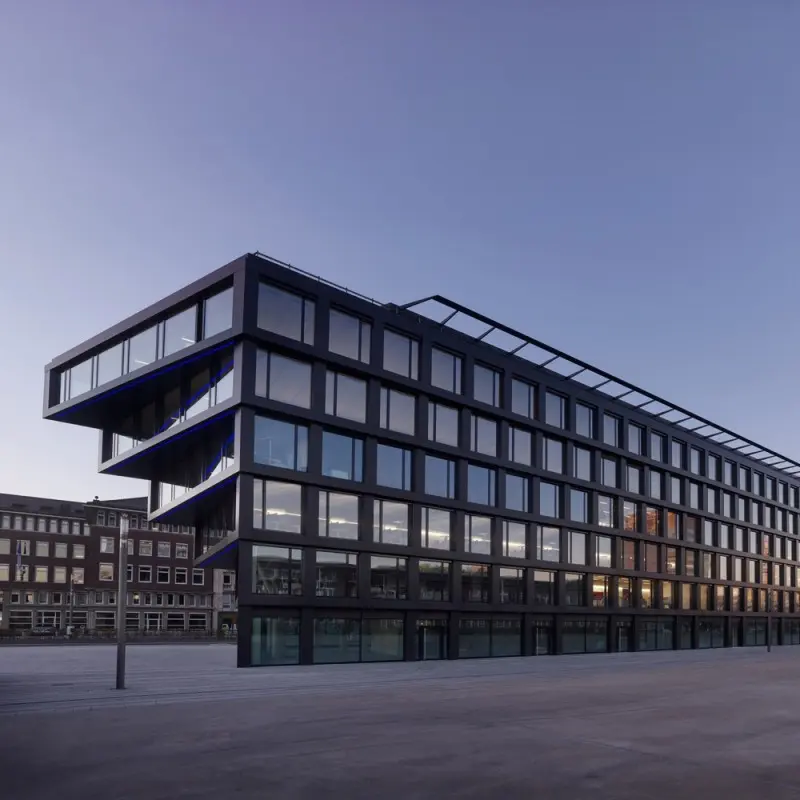
Designed to adapt to environmental conditions, this facade utilizes predictive daylight algorithms adjusting solar transmission and shading according to weather and season. The high-performance glass minimizes glare and reduces artificial lighting and cooling energy needs.
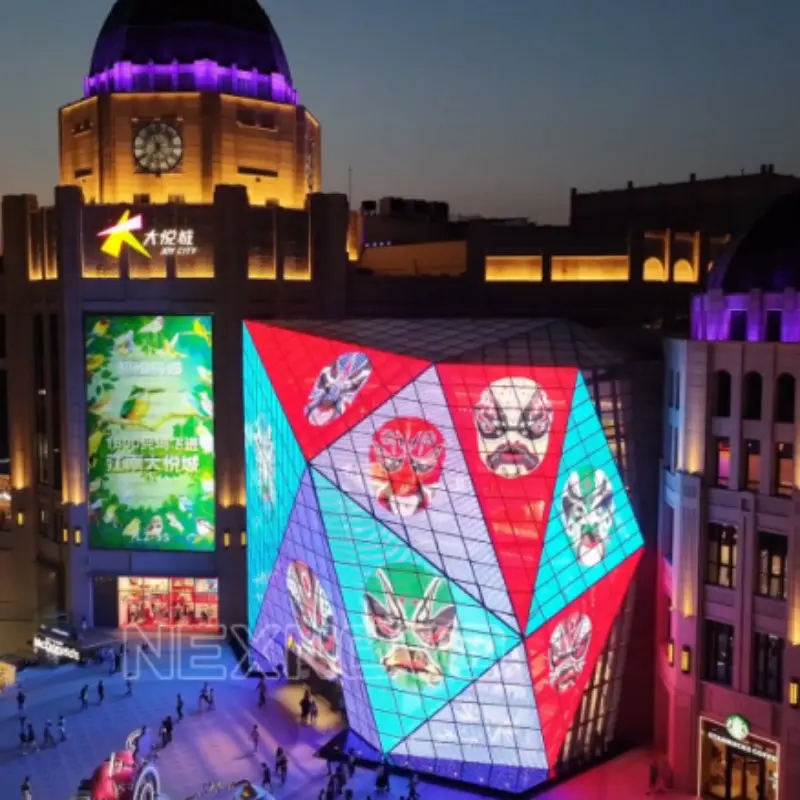
A modern commercial landmark in Wuxi featuring integrated smart glass installations. The dynamic glazing system balances aesthetic appeal with solar control, helping to regulate internal temperatures during high-footfall shopping hours.
Through the application of high-reflectivity architectural glass, this large structure has been integrated into its surrounding park environment. The facade mirrors the changing sky and landscape, showing how modern glass technology can minimize the visual impact of large commercial structures while providing interior thermal insulation.
Utilizing large structural glass panels, this automotive showroom achieves high interior natural light while maintaining solar control. The floor-to-ceiling double-glazed panels are designed to withstand structural loads and wind pressures while providing clear views of the vehicles on display.
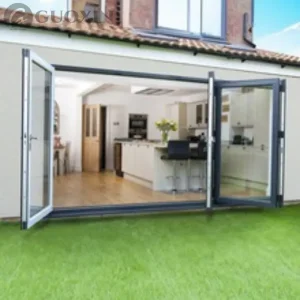
Whether your project requires Casement Windows, Sliding Windows, Sliding Doors, or Folding Doors, our factory provides integrated solutions from profile extrusion to final glass glazing.
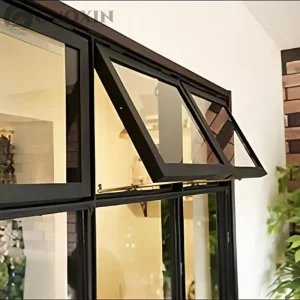
Our fabrication lines handle complex projects, including broken bridge aluminum casement systems for residential projects, heavy-duty sliding doors for commercial entries, and acoustic folding partitions for flexible workspace designs.
Our products are engineered to perform across varied climates, from extreme cold regions to high-temperature tropical coastlines.

Jiangsu Guoxin Glass components have been exported and installed in major projects across the following markets, satisfying regional wind load, thermal, and safety building codes:
Our production facilities maintain ISO 9001:2015 certification, ensuring quality controls across glass cutting, tempering, lamination, insulation, and framing steps. We provide full documentation for project submittals, ensuring compliance with local architectural regulations.
Our technical team regularly publishes guides to assist specifiers, including articles comparing fireproof glass options, safety advantages of structural laminated glass, and optimization strategies for floor-to-ceiling glass thickness to withstand local wind loads.
Technical answers to common engineering, structural, and procurement questions from architects and developers.
The optimal configuration is a multi-chambered aluminum profile with a polyamide thermal break (preferably reinforced with glass fiber). The thermal break must physically separate the exterior aluminum element from the interior frame to stop conduction. Combining this with double or triple-pane insulated glazing units (IGUs) utilizing warm-edge spacers (like stainless steel or structural foam) and argon gas fill yields the lowest possible U-values, preventing condensation and reducing HVAC system demand.
SentryGlas Plus (SGP) ionoplast interlayers offer significant performance advantages over Polyvinyl Butyral (PVB). SGP is five times stronger and up to one hundred times stiffer than PVB. In the event of glass breakage, the SGP interlayer maintains its structural integrity and load-bearing capacity, keeping the glass upright in its frame. This makes SGP the standard choice for hurricane-resistant doors, high-wind facades, and security-critical installations.
Low-E coatings consist of microscopic, metallic layers applied to the glass surface that reflect long-wave infrared heat while allowing visible light to pass. Depending on placement (on surface #2 or surface #3 of an insulated glass unit), Low-E coatings can either block solar heat from entering a building (lowering the SHGC, ideal for warm climates) or trap internal ambient heat inside (ideal for cold climates). This allows developers to tune the solar gain of their building envelope based on regional energy needs.
Water and air penetration are mitigated using multi-level sealing systems, including high-performance EPDM gaskets, dense brush weatherstripping, and integrated drainage tracks. The aluminum bottom track is engineered with sloped weep holes and check-valves that drain water outward during heavy rains while preventing wind from blowing water back inside. Additionally, precise CNC machining ensures the panels align tightly with the frame seals when locked.
Developers must verify that the fenestration systems have been tested by accredited independent laboratories (such as Intertek or SGS) and comply with local standards. For North America, this includes SGCC certification for glass safety and NFRC/AAMA ratings for energy performance. For Europe, the CE mark (complying with EN 12150 and EN 14351) is required. For Australia, verification of AS2047 (for wind pressure and water penetration) and AS1288 (for glass thickness safety) is necessary.
Yes. Sound transmission is reduced by using thick, laminated glass panes of differing thicknesses (which disrupts different sound frequencies) and wide air spaces in insulated units. Using heavy-duty acoustic interlayers in the lamination process further dampens sound, helping these systems achieve high Sound Transmission Class (STC) ratings. This makes them suitable for mid-rise residential developments near transport hubs or busy streets.
An anodized or powder-coated structural aluminum frame with high-quality stainless steel rollers has an operational life exceeding 25 years. Maintenance involves regular cleaning of the tracks to remove dust and grit, checking that weep holes are clear of debris, and applying silicone lubricants to the track wheels and locking hardware annually. This preserves smooth sliding movement and tight weather sealing over time.
We package all architectural glass in custom-built, heavy-duty wooden or plywood crates. The glass is separated using cork pads or protective plastic film, and the crates are tightly packed with foam blocks to prevent movement during transit. Crates are loaded into shipping containers and secured with steel straps and braces. This ensures the cargo remains secure during rail and ocean shipping, arriving on-site ready for installation.
 Guoxin