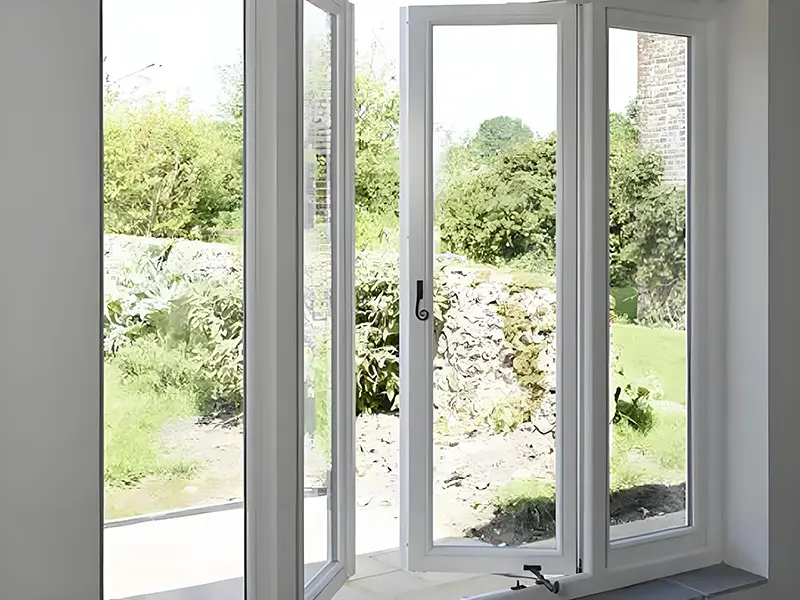
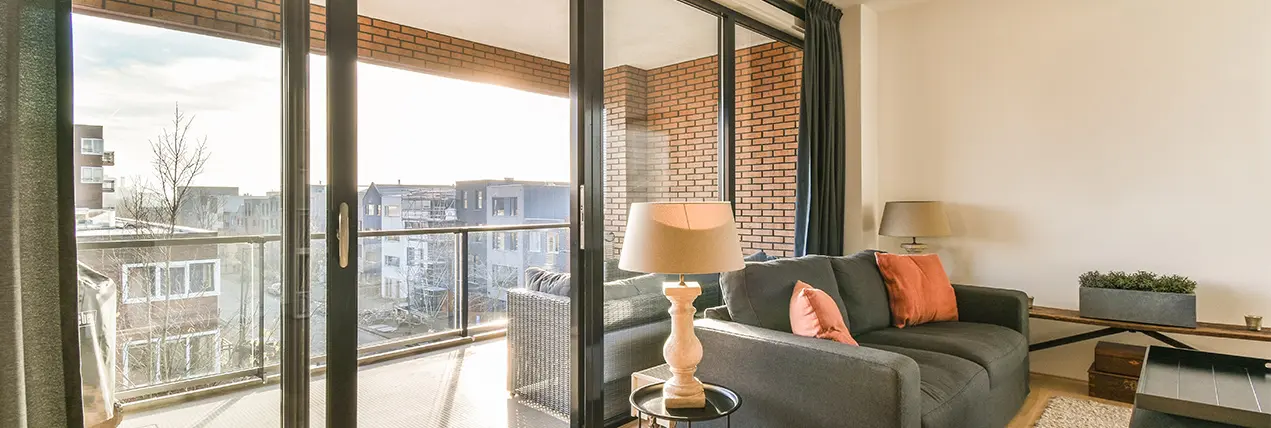
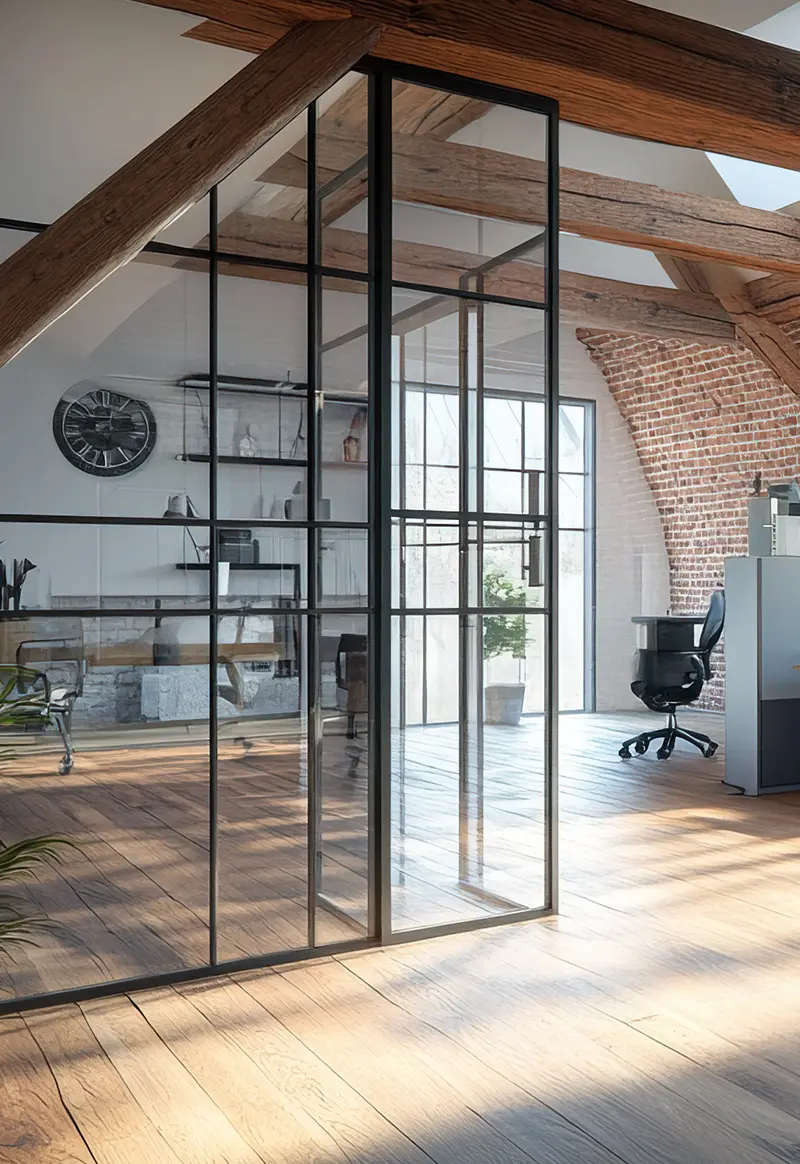
Engineered to meet international structural standards, thermal optimization, and aesthetic expectations.
Understanding the strict architectural demands on modern patio doors and structural fenestration systems.
In modern architectural engineering, the patio door has evolved from a simple physical portal into a sophisticated, multi-functional component of the building envelope. As global building codes enforce increasingly strict thermal efficiency mandates, the design, manufacturing, and installation of patio doors require an advanced understanding of thermal physics, structural integrity, and materials science. Architects and general contractors are no longer just looking for doors; they are seeking high-performance barrier systems that optimize solar heat gain coefficients (SHGC), minimize overall U-values, and resist massive localized wind loads.
In regions such as North America, Northern Europe, and Australia, local building regulations specify precise thermal transmission limits. For example, residential construction in ASHRAE Climate Zones 5 through 8 demands highly insulated frame structures paired with high-performance double or triple insulated glass units (IGUs). The goal is to construct structural apertures that maximize natural daylighting while avoiding the thermal bridging common in older metal frames. Achieving this requires structural thermal breaks made of polyamide or polyurethane materials, which isolate the inner and outer aluminum skins to limit convective heat transfer.
Maximizing indoor-outdoor flow using ultra-slim sightline sliding doors, maintaining strict thermal boundaries, and eliminating sound infiltration in urban environments.
Delivering high-durability sliding and folding systems with commercial ratings (AW class) that handle constant cycling and comply with emergency egress codes.
Utilizing high-performance glazed structures with integrated fire ratings, radiation shielding, and explosion resistance for specialized infrastructure projects.
A trusted brand with over two decades of engineering and fabrication experience.
Founded in 2006, Jiangsu Guoxin Glass Co., Ltd. has established itself as an industry leader in high-performance structural glass and aluminum architectural components. Over the past 20 years, our research and development programs have pushed the boundaries of insulated glass units, fireproof safety installations, laminated glass, and customized architectural features. Our modern fabrication lines utilize CNC technology, automated glass cutting, advanced edge treatment machines, and high-pressure autoclave laminating lines to guarantee that every product conforms to international standards.
Our integrated factory ecosystem supplies complete architectural solutions, matching structural aluminum profiles with high-performance glass.

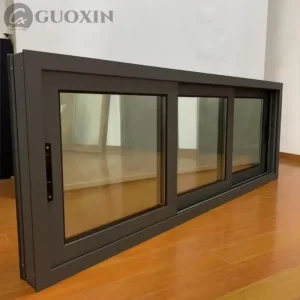
Standard and thermally broken window and door systems designed for severe weathering and architectural appeal.
Fully compliant fire-resistant configurations, designed to restrict smoke, flame, and radiant heat transfer.
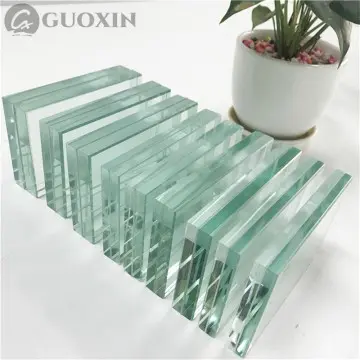
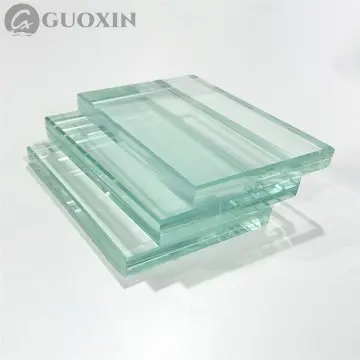
Featuring PVB and structural SGP interlayers for maximum impact protection, sound dampening, and safety compliance.
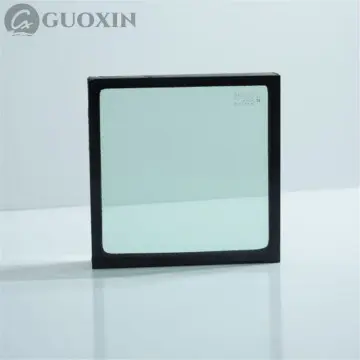
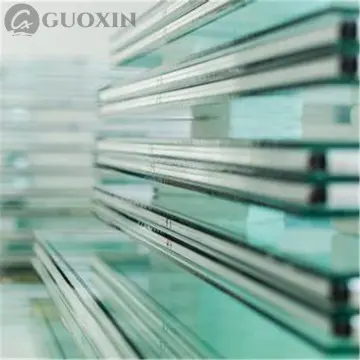
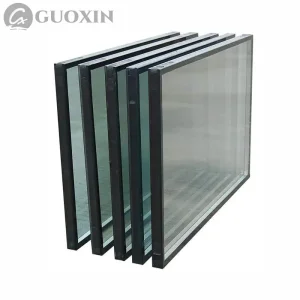
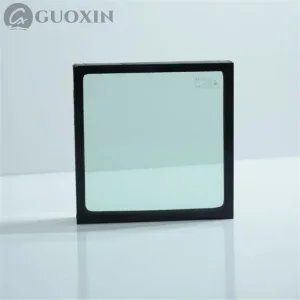
Double and triple glazed units loaded with argon gas fill and advanced low-emissivity coatings.
Multi-layered polycarbonate and structural glass composites engineered for high-security applications.
Pioneering high-tech developments in dynamic solar control, structural thermal barriers, and composite interlayers.
The technical roadmap for high-end patio doors focus on several primary innovations: the integration of smart glass technology, the usage of vacuum insulated glass (VIG), and structural design changes that allow for minimal frame footprints. In modern commercial architecture, standard dynamic glazing systems use smart daylighting algorithms. These systems track outdoor temperature, angle of incidence of the sun, and building occupancy to adjust the opacity of the glass dynamically. This configuration decreases glare and reduces reliance on mechanical heating and air conditioning, lowering energy footprints.
In addition, advanced structural interlayers like SentryGlas Plus (SGP) are replacing standard Polyvinyl Butyral (PVB) for impact-prone coastal installations and large-span, structural frameless glass sliding systems. SGP interlayers are 5 times tear-resistant and up to 100 times stiffer than traditional laminated materials. This allows engineers to design larger glass panes with thinner profiles, maximizing daylight while meeting wind-load and hurricane protection protocols.
Thermal separation is no longer achieved solely through standard rubber gaskets. Instead, our modern patio doors employ multi-chambered polyamide strips embedded with glass fibers. This design restricts heat conduction pathways through the frame and allows the overall assembly to achieve U-values under 0.8 W/m²K, which matches Passivhaus standard criteria.
By extracting air from the space between the glass panes to create a vacuum, convective and conductive heat transfer are eliminated. This technology delivers the performance of a triple-glazed unit within the thin profile of a double-glazed pane. It is ideal for retrofitting historic facades and building slim, contemporary sliding doors.
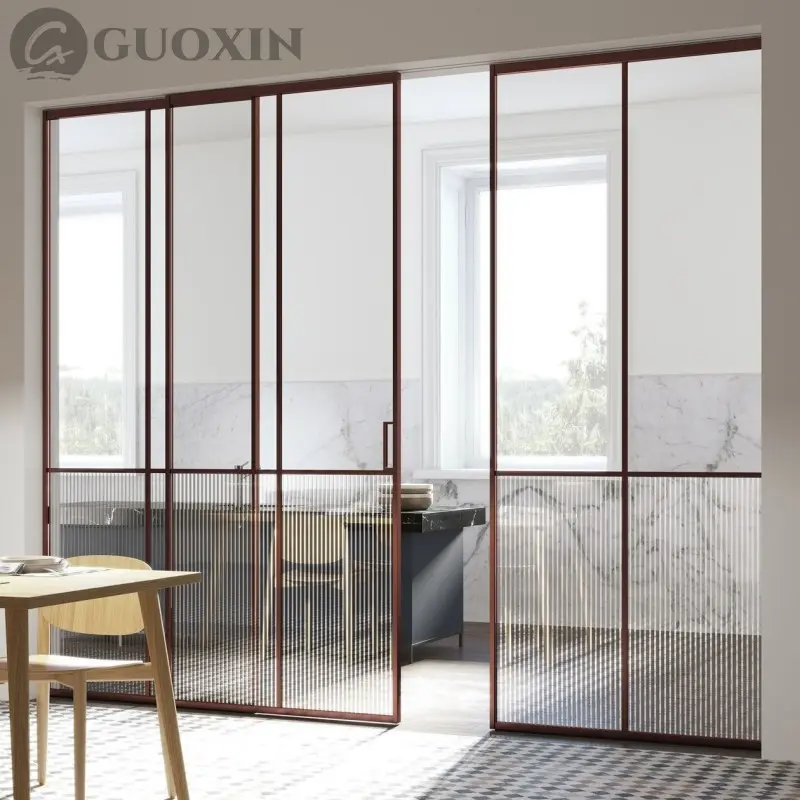
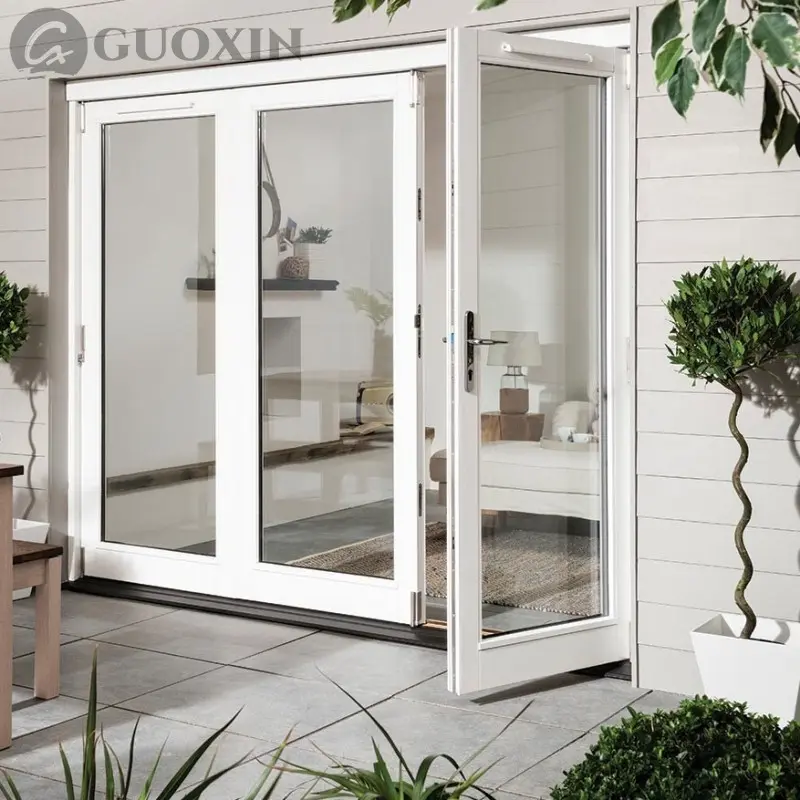
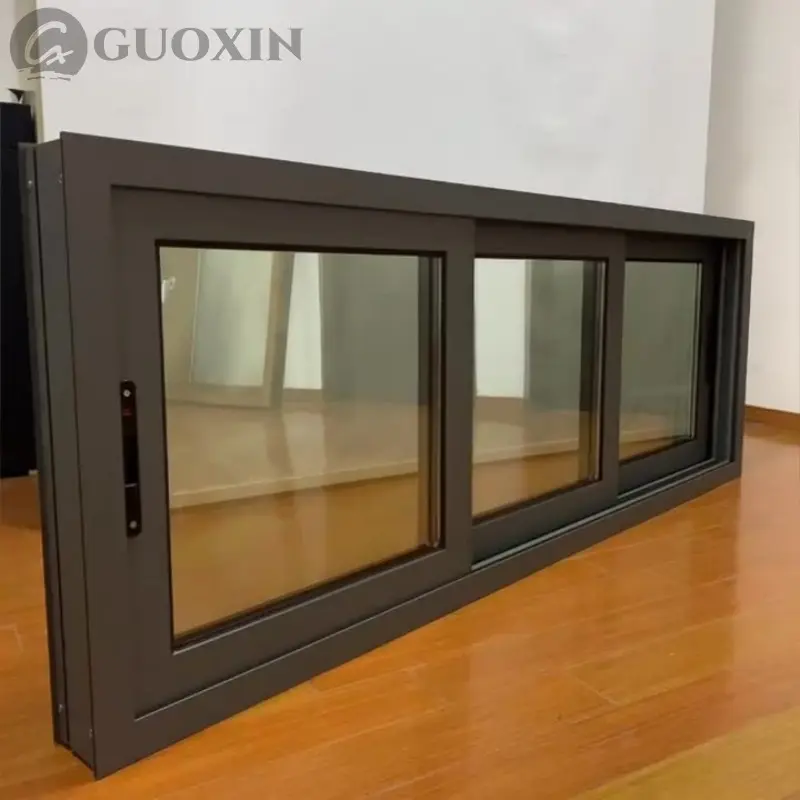
Precision-engineered sliding, casement, folding, and hinged options to suit specific architectural spaces.
How specialized manufacturing clusters and deep component integration deliver quality, speed, and cost efficiency.
The global dominance of Chinese factories in structural glass and aluminum window fabrication is built on integrated production clusters. Unlike scattered manufacturing locations elsewhere, Jiangsu Guoxin Glass Co., Ltd. operates within an ecosystem that links raw silica purification, float glass production, aluminum extrusion houses, and hardware forging facilities. This localized setup minimizes shipping times for materials, lowers transport costs, and protects the supply chain from global disruptions.
In addition, our manufacturing line integrates advanced robotic sorting, automated double-glazed line assembly, and CNC routing. This automation ensures high precision, keeping deviations within +/-0.5mm across large-scale architectural runs. This precision is essential when manufacturing items like the structural double-glazed units for the Zifeng Tower or complex custom shapes for the Teapot Tower.
Our factory uses advanced vacuum deposition techniques to apply silver-based coatings on a microscopic scale. This ensures excellent solar heat control without reducing visible light transmission.
Equipped with thermal tempering ovens, we produce fully tempered safety glass with high surface compression levels, exceeding standard international fracture limits.
From frame extrusion to hardware fitting and glass installation, all processes are managed under one roof to maintain quality and minimize delays.
Examining structural glazing applications in iconic architectural installations across China and internationally.
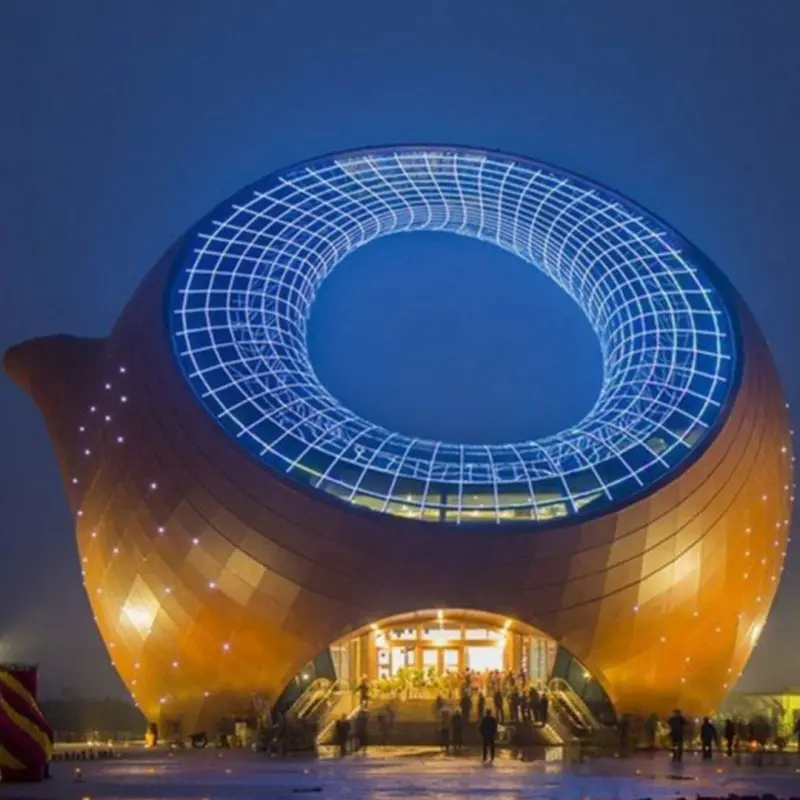
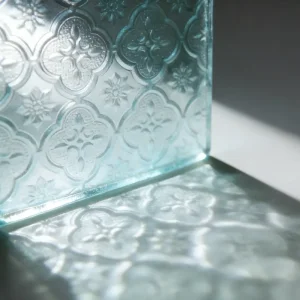
Known as the "world's largest purple clay pot shaped building," this 38.8-meter structure features complex curved aluminum and custom glass panels. It is capped with custom art glass window assemblies.
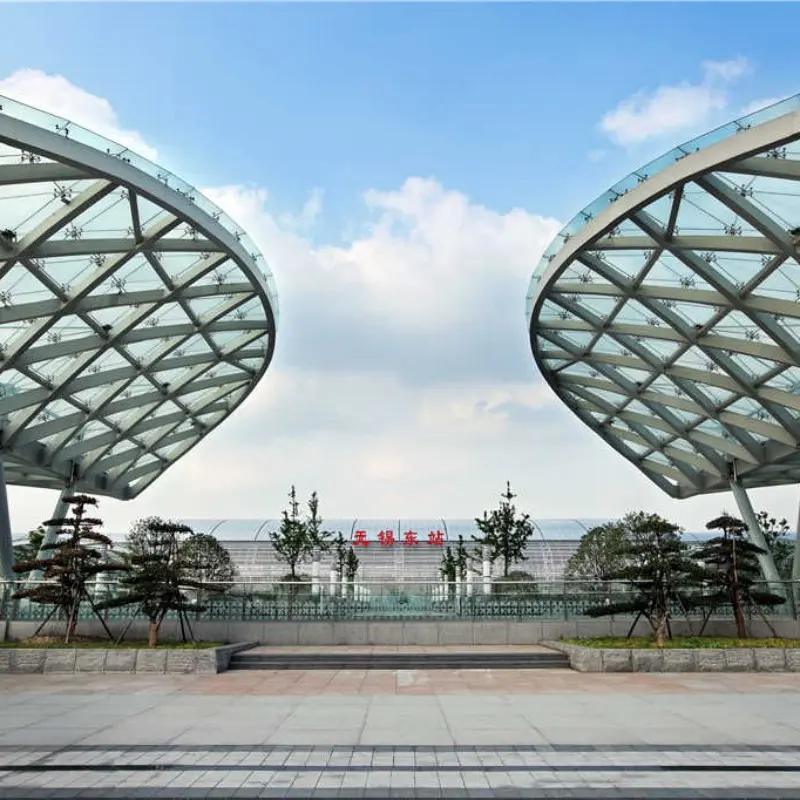
This major transit hub uses high-impact laminated glass panels to handle heavy passenger traffic and meet structural wind resistance standards.

At 450 meters tall, this building relies on our insulated glass panels for its curtain wall. The glass is designed to handle high wind pressures at high altitudes.
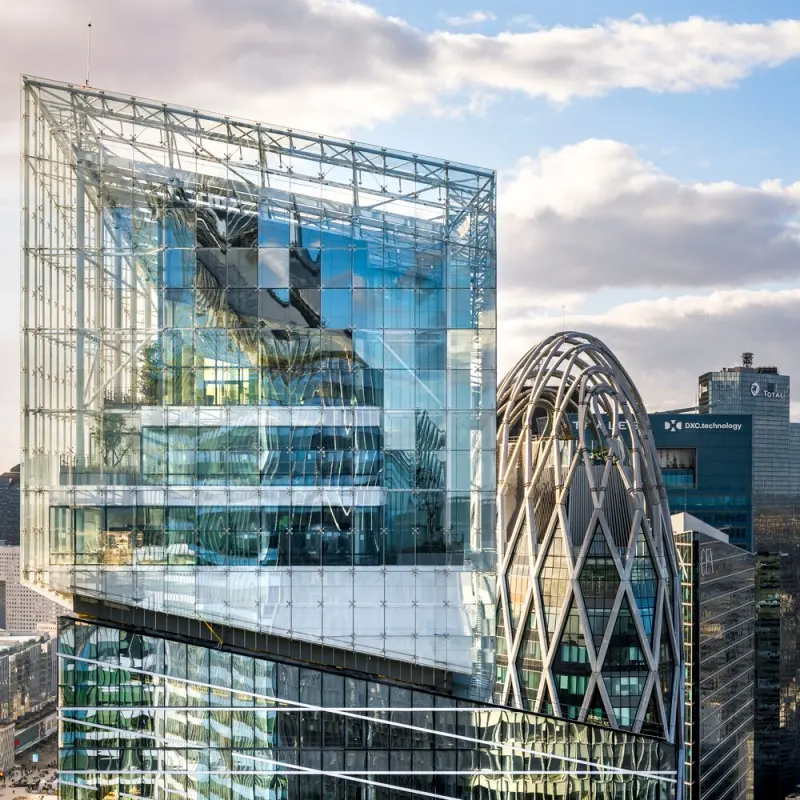
This design utilizes high-clarity low-emissivity double-glazed units to achieve balanced daylighting and control solar heat gain.
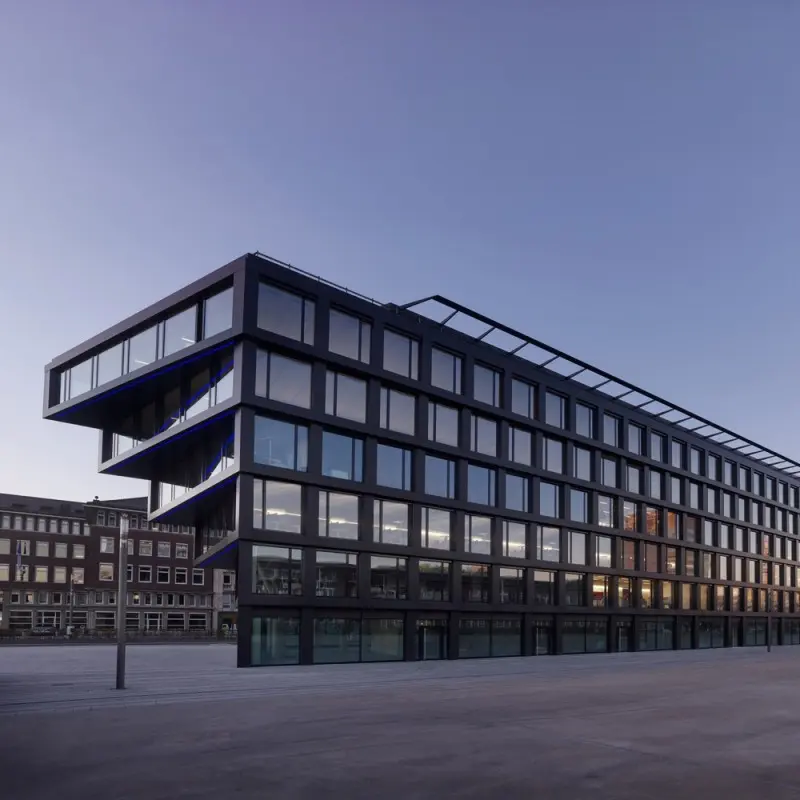
Integrated triple-insulated glass facades with built-in solar shades. This setup delivers high thermal performance and supports energy recovery rates above 80%.
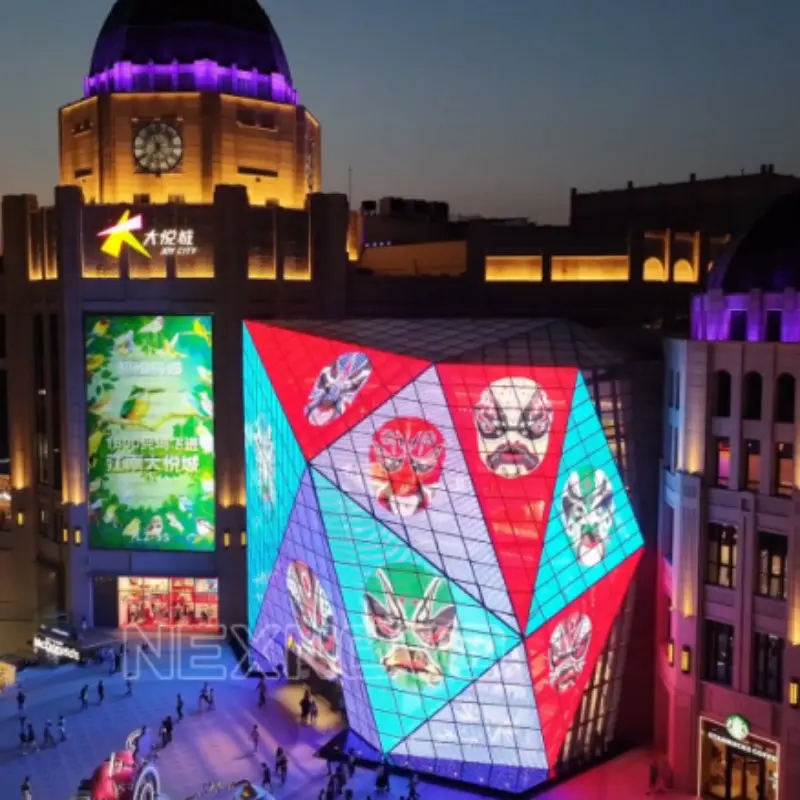
A modern retail commercial center featuring custom smart glass installations that adapt to changes in light and temperature.
See our automated production facilities, custom tool designs, and quality testing procedures.
Our OEM & ODM services cover more than basic fabrication. We use finite element analysis (FEA) to simulate how structural components perform under wind and temperature loads before production begins.
We verify structural connections, profile extrusions, and hardware performance. This testing ensures the final product meets project-specific requirements and matches local building codes.
Our quality management systems are certified to meet international standards for performance and safety.
Our quality control program oversees every step of manufacturing, from checking raw materials to testing final product packaging. We maintain full traceability for all glass sheets, aluminum extrusions, and hardware components used in our systems.
We comply with key global standards, including the SGCC (Safety Glazing Certification Council) in North America, CE marking in Europe, and AS/NZS 2208 certifications in Australia.
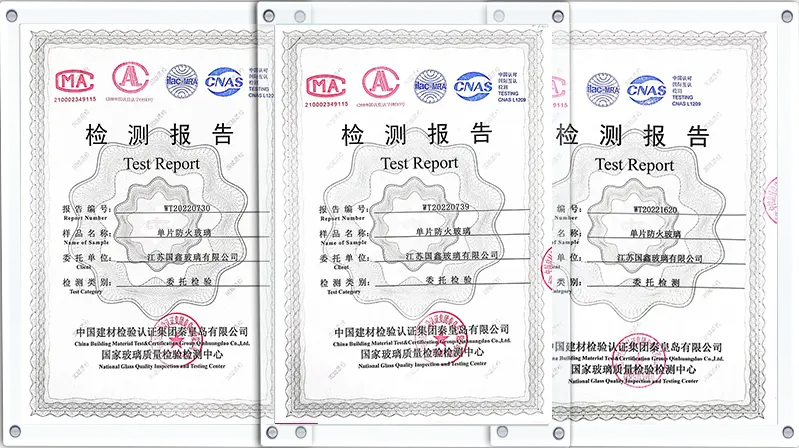
Answers to common questions regarding patio door structures, glass selection, and performance characteristics.
Explore our full range of specialty mirror, safety, laminated, and custom-insulated glass systems.
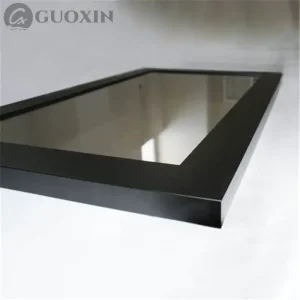
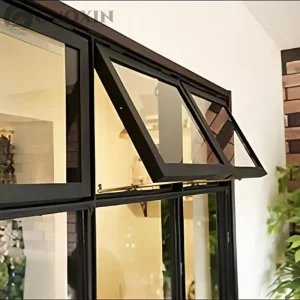
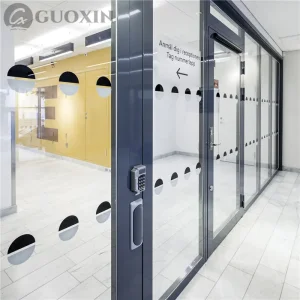
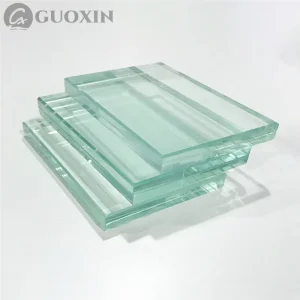
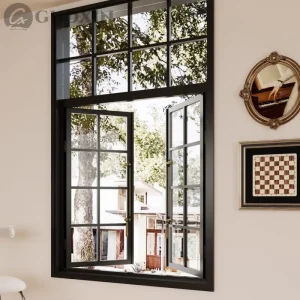
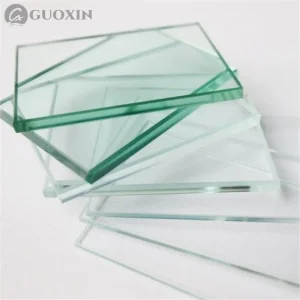
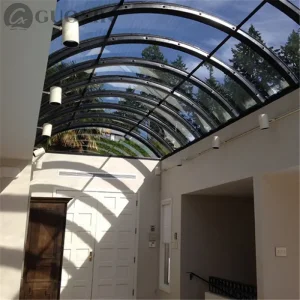
A closer look at the specific materials, properties, and design targets of our high-demand architectural glass systems.
Insights from our engineering department regarding material selection, performance testing, and system design.
A visual showcase of our structural glass and window systems installed in residential and commercial settings.
Supporting commercial projects and residential construction markets around the world.

 Guoxin