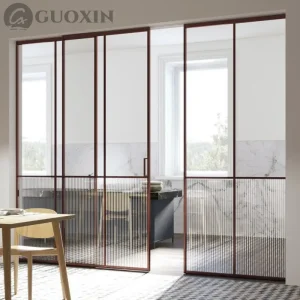
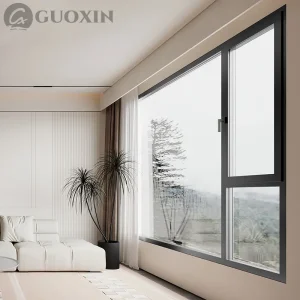
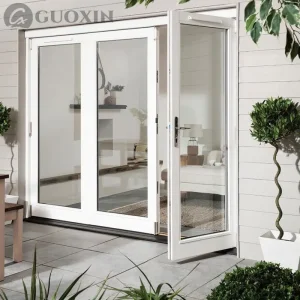
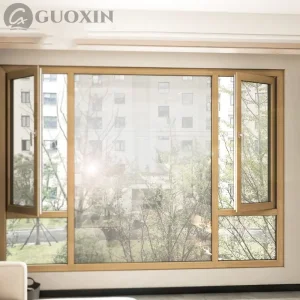
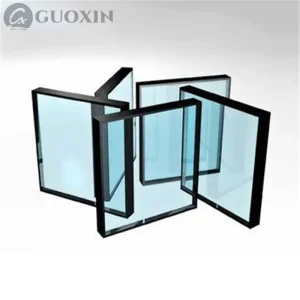
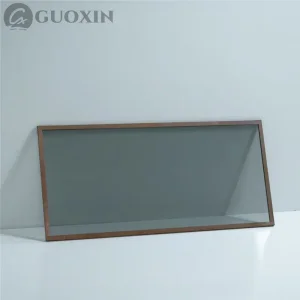
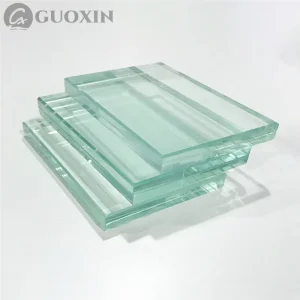
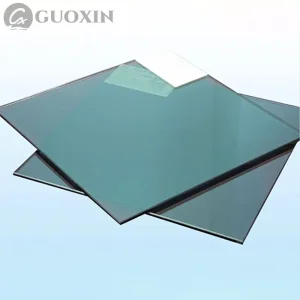
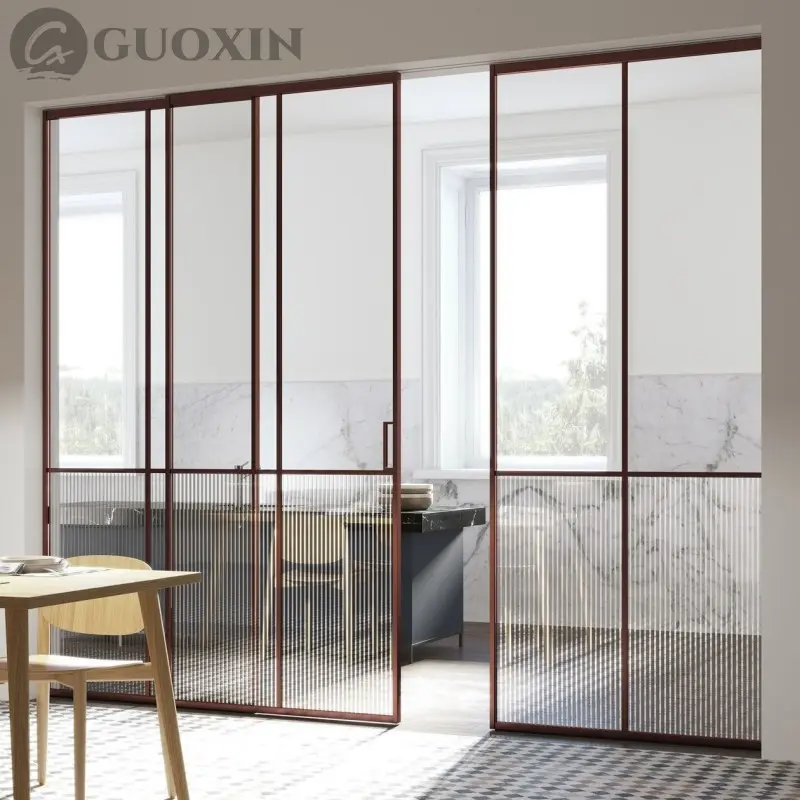
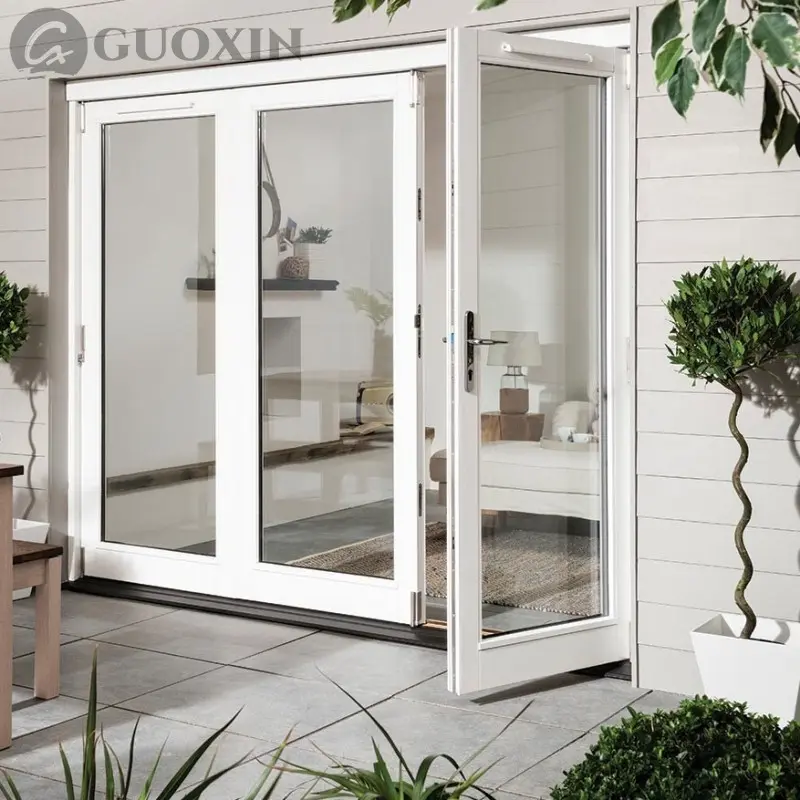
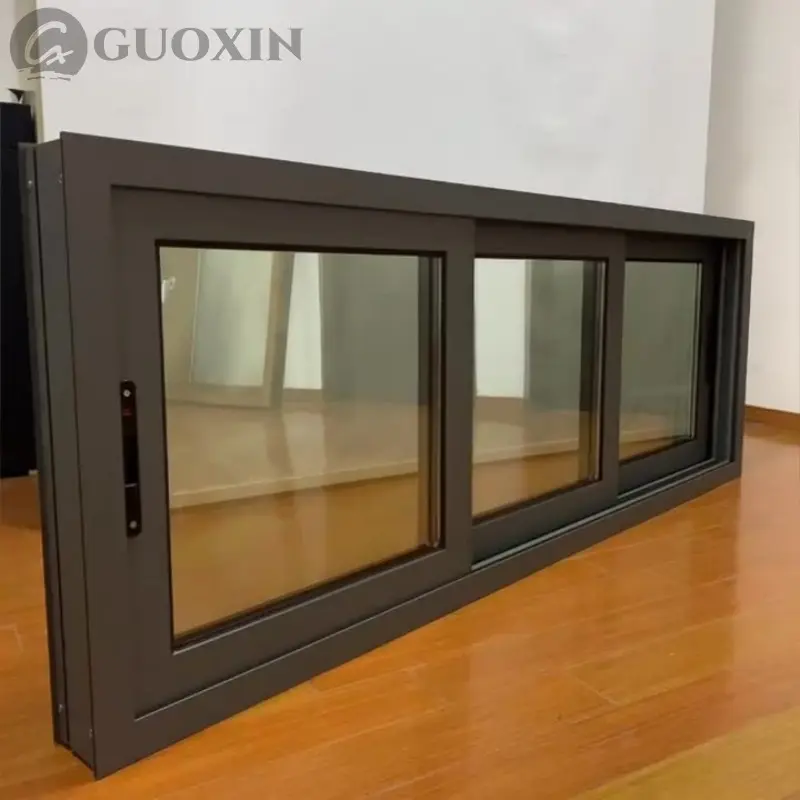
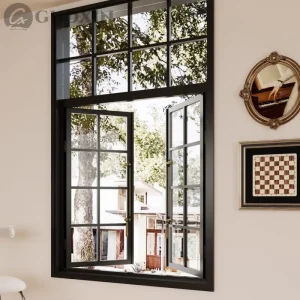
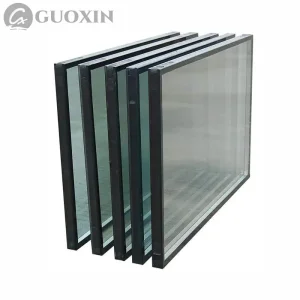
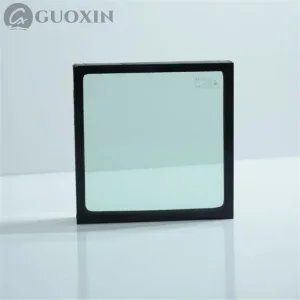
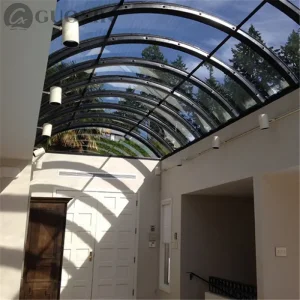
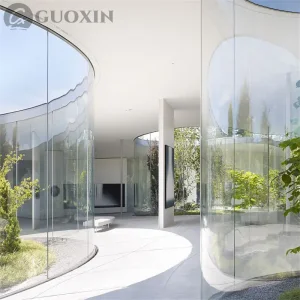
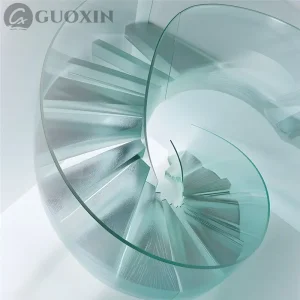
High-specification exterior glazing, window assemblies, and glass panels engineered for thermal control, safety, and modern designs.
Jiangsu Guoxin Glass Co., Ltd. was established in 2006. Over two decades of rigorous research, technological development, and manufacturing excellence, we have emerged as a premier manufacturer in the architectural glazing industry. We specialize in high-performance structural facade components, including advanced aluminium windows and doors, security/fireproof glass, structural laminated glass, acoustic insulated glass, and radiation shielding glass. Our integrated factory facilities support global OEM/ODM sourcing pipelines, ensuring structural integrity, regulatory compliance, and exceptional aesthetics in modern skylines.
The architectural glazing landscape is undergoing a technological shift driven by global decarbonization goals, energy efficiency mandates, and evolving aesthetics. In contemporary architecture, glazing systems are engineered structural assemblies. High-performance low-emissivity (Low-E) coatings, dynamic electrochromic glass, and vacuum-insulated glazing (VIG) are at the forefront of this evolution.
Double and triple insulated glass units (IGUs) filled with noble gases such as Argon or Krypton have become the standard for achieving low U-values. Concurrently, SentryGlas Plus (SGP) and Polyvinyl Butyral (PVB) laminated interlayers have advanced safety performance, offering structural support even post-breakage. Modern designs favor minimalist profiles, maximum transparency, and oversized glass panels, placing greater structural demand on the aluminum frames and structural silicone sealant interfaces.
Global procurement of commercial glazing systems requires navigating complex regional building codes and safety regulations. In North America, structural components must meet ASTM standards, SGCC certifications for safety glazing, and NFRC ratings for thermal performance. In Europe, CE marking and compliance with EN standard networks (such as EN 12150 for tempered glass and EN 1279 for IGUs) are mandatory.
International buyers prioritize factories that can supply fully certified systems directly from production. To minimize logistics risk, modern procurement workflows require comprehensive testing documentations, including wind-load deflection calculations, seismic displacement resistance verification, acoustic attenuation performance (STC/Rw ratings), and water/air infiltration metrics. Sourcing from a single certified OEM manufacturer ensures consistent component quality and compatibility.
The modernization of Chinese architectural glass manufacturing combines vertical integration with Industry 4.0 automation. Factories utilize computerized CNC glass cutting tables, automated edge polishing lines, and robotic insulated glass assembly systems. This high degree of automation ensures tight dimensional tolerances and consistent seal quality.
Operating within comprehensive industrial clusters in China permits reliable, fast-turnaround raw material sourcing, from premium aluminum extrusions to advanced glass interlayers. This supply chain integration reduces production lead times and provides structural cost advantages, enabling Chinese manufacturers to supply high-specification products globally without compromising quality.
Combining high-precision CNC machinery and glass chemistry to manufacture components to project specifications.
Precision-extruded thermal break profiles paired with multi-point locking systems, delivering high weather resistance, thermal efficiency, and long-term durability.
High-integrity fire-resistant glass engineered to withstand thermal shock and contain fire spread, certified to meet international life safety codes.
Magnetron sputtered coatings reflect infrared radiation while transmitting visible light, reducing HVAC cooling and heating energy demand.
Our state-of-the-art production facility houses multiple advanced production lines, each equipped with cutting-edge technology.
High-precision framing designs offering structural integrity and architectural versatility.
Our engineering capabilities validated by landmark structural installations globally.
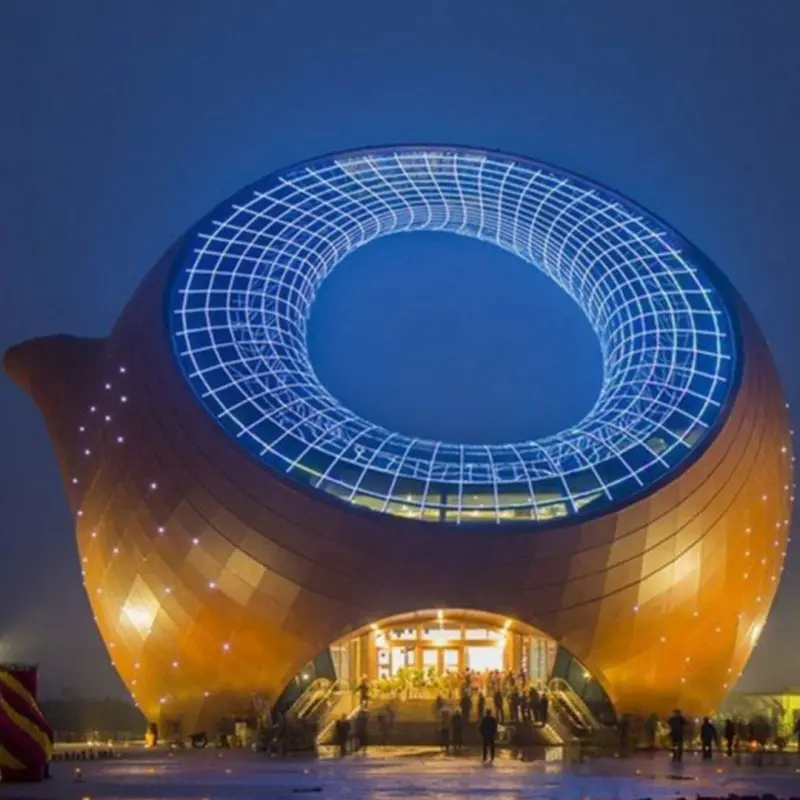
As the world's "largest purple clay pot shaped building", it was awarded the "World's largest Guinness" certificate. The building is 38.8 meters high and mainly constructed from custom-engineered aluminum frames and shaped glazing, with artistic stained glass forming the dome structure.
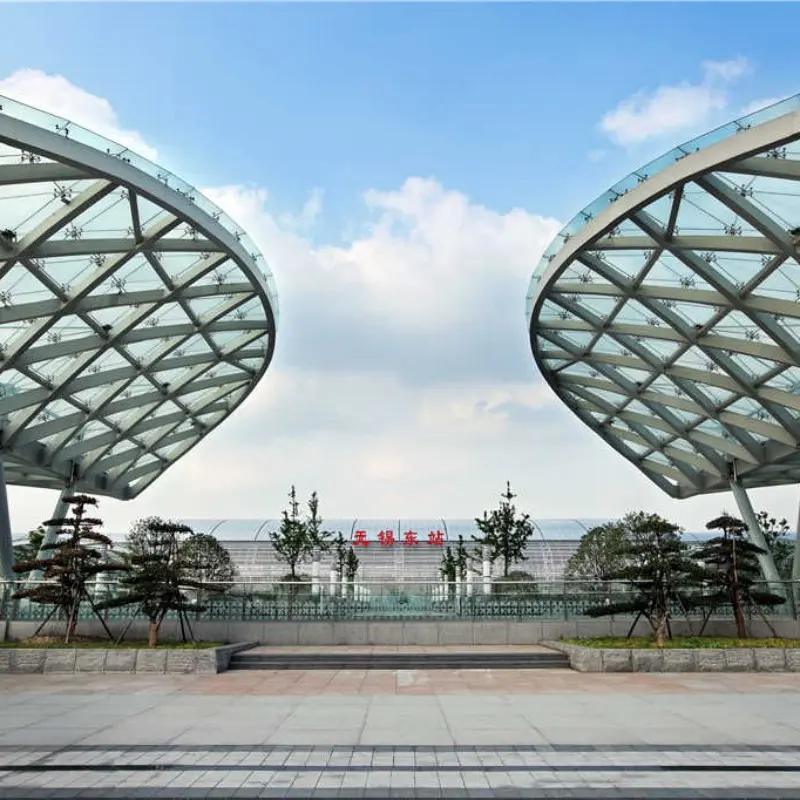
Originally completed in 1989 and renovated in 2005 and 2018. The modern expansion incorporated thousands of high-durability laminated glass panels, creating a double-sided elevated station layout with a daily capacity exceeding 120,000 passengers.

A 450-meter (1,480 ft) skyscraper standing as an architectural landmark in Nanjing, China. The 89-story mixed-use tower utilizes our high-performance double-glazed insulating units (IGUs) in its dynamic curtain wall facade to minimize thermal transmission.
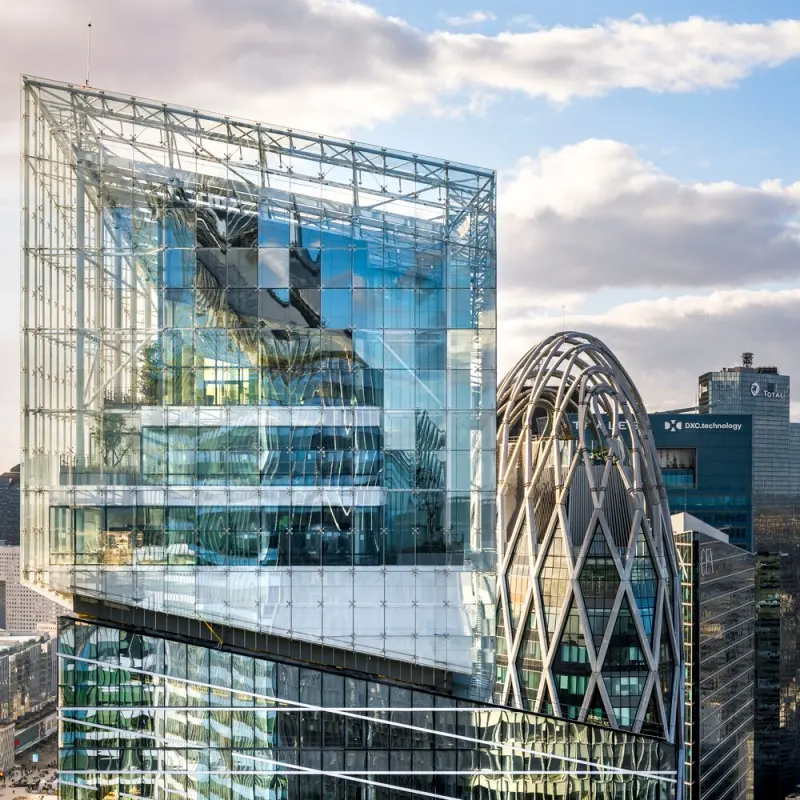
Collaborative architectural implementation utilizing smart, adaptive glass panels. Integrating solar control properties, these glass panels eliminate the need for mechanical shutters by adapting transparency dynamically based on ambient conditions.
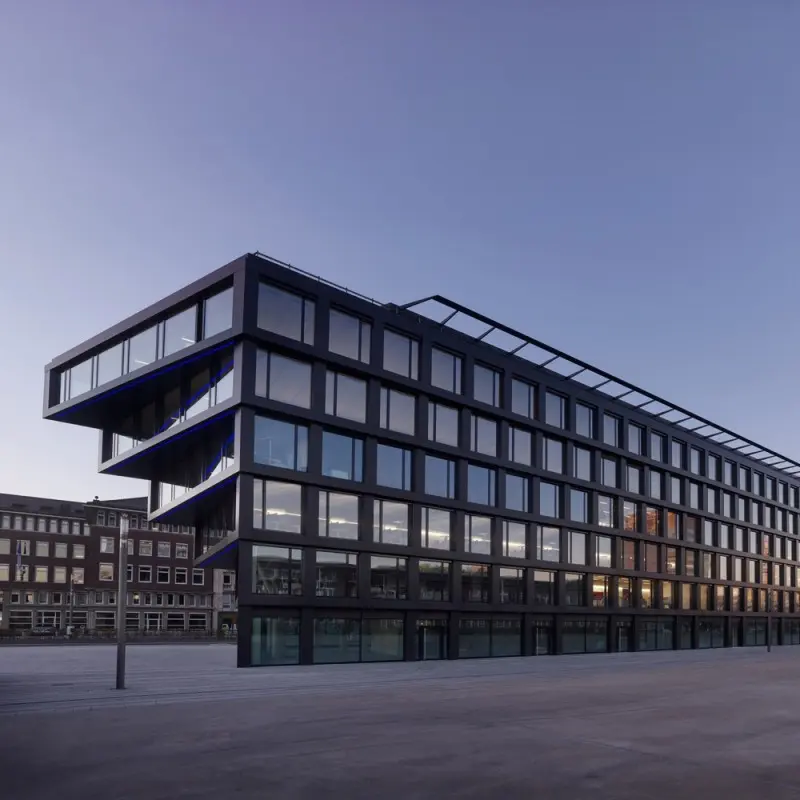
High-efficiency double and triple insulated solar control glass assemblies. Engineered specifically to combine high light transmission with acoustic dampening for dense urban environments.
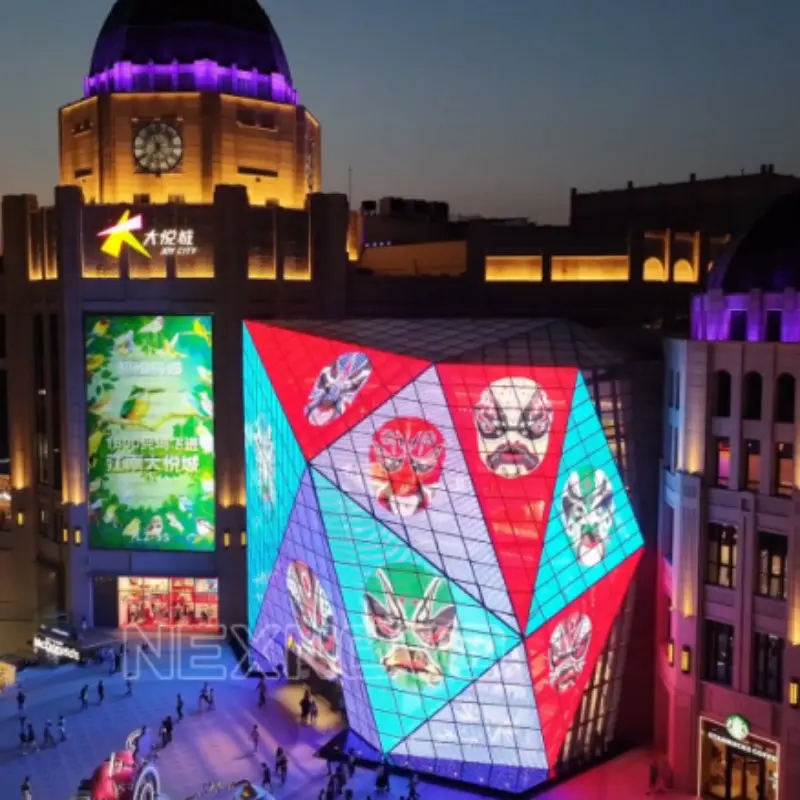
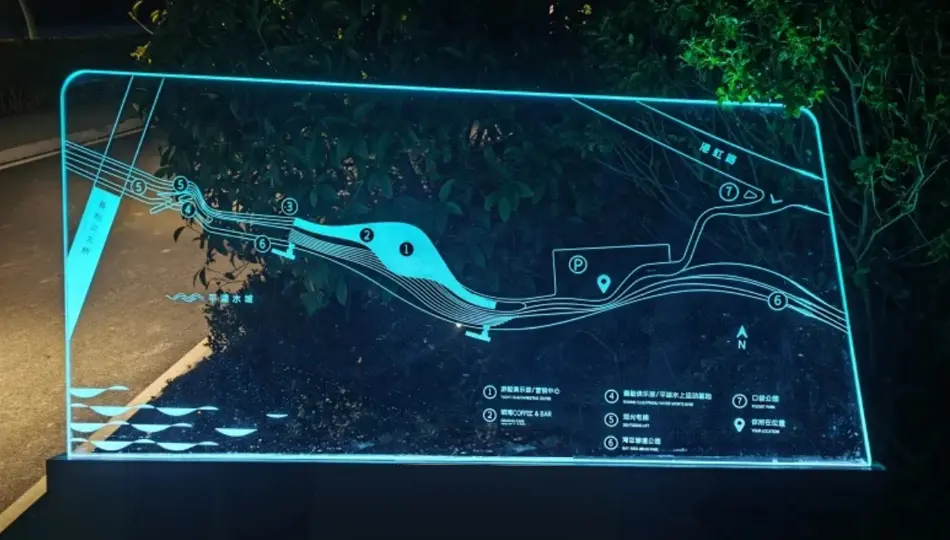
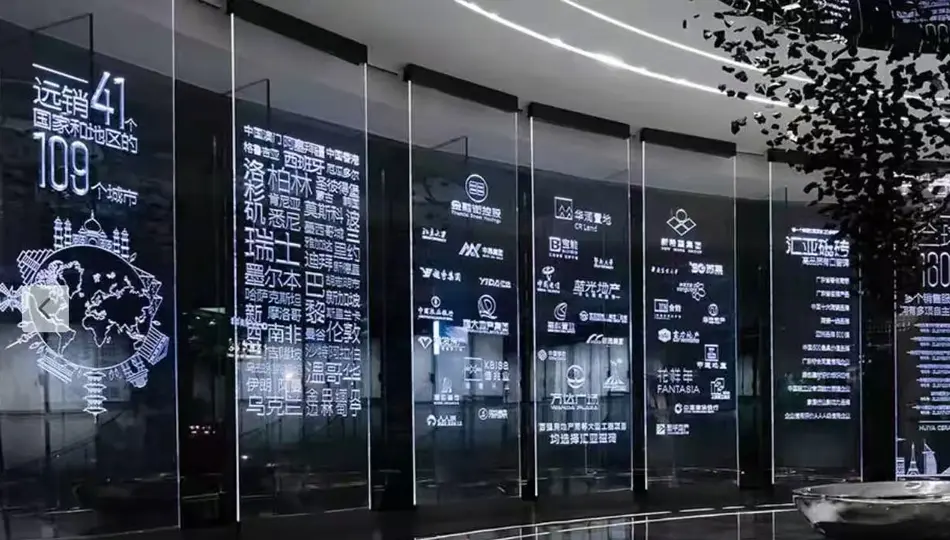
Wuxi Jiangnan Joy City showcases a modern shopping hub facade utilizing intelligent glass elements to integrate energy-efficient structural glass panels with interactive LED illumination systems.
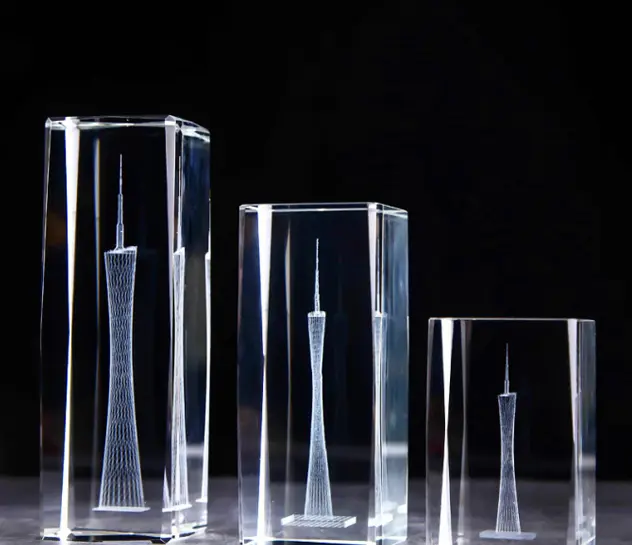
Advanced sub-surface laser engraving technology for architectural features, municipal landmarks, and custom interior designs.
Guoxinglass operations are certified to ISO 9001:2015 quality standards, ensuring traceability and process control from raw material receipt through final packaging.
Laminated and tempered glass lines are certified to SGCC (North America), CE EN12600 (Europe), and CCC (China) standards for impact and structural performance.
We supply complete calculations for thermal transfer values (U-value/U-factor), solar parameters (SHGC), optical transmittances, and acoustic performance ratings.
Technical bulletins and industry research to assist facade designers and procurement specialists.
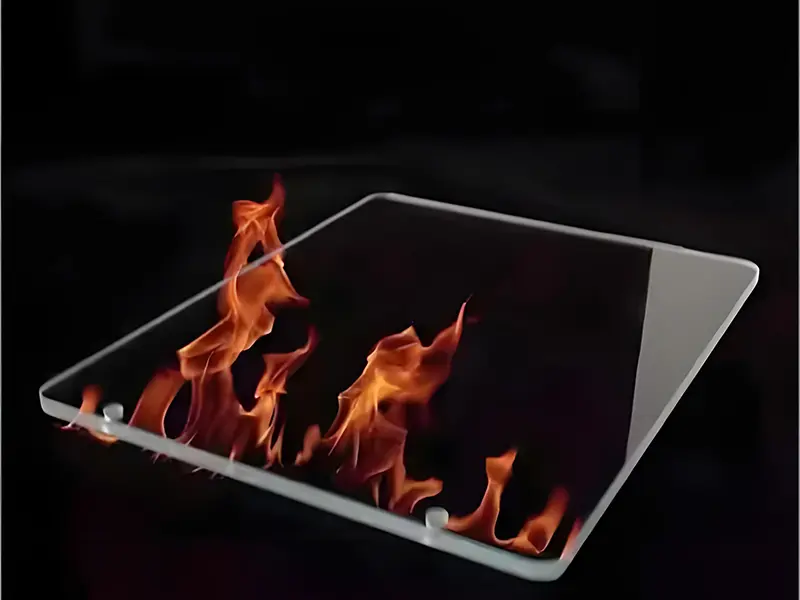
Analyzing the structural differences, chemical tempering variations, and thermal performance ranges between fire-rated assemblies and standard tempered safety panels.
Read Full Guide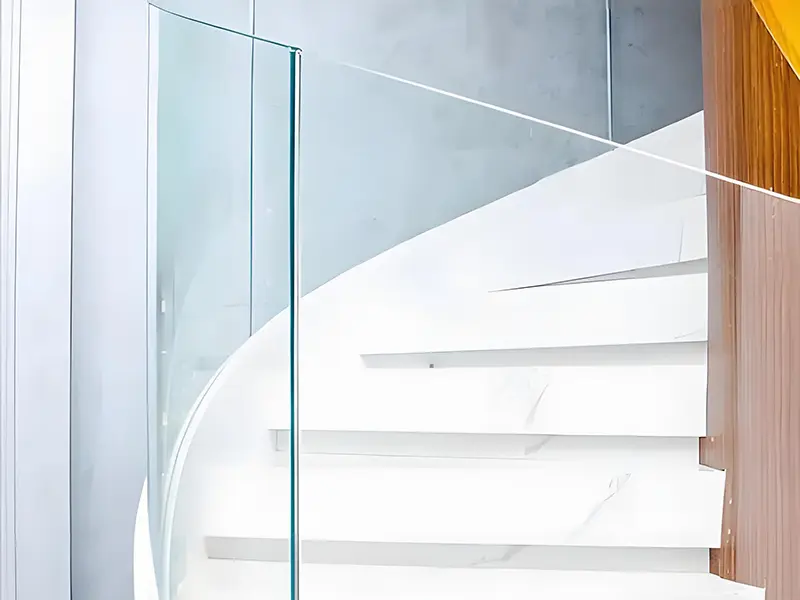
A detailed review of SGP (SentryGlas) and PVB interlayers, comparing structural strength, UV resistance, and acoustic dampening performance in modern curtain walls.
Read Full Guide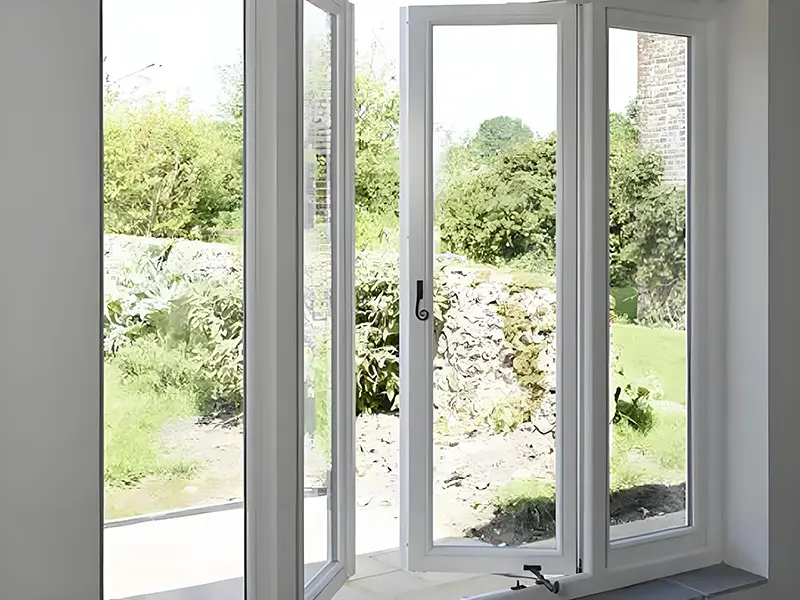
Comparing thermal efficiency, mechanical strength, durability, and cost-to-performance ratios for casement and fixed window framing systems.
Read Full GuideAnswers to common technical, regulatory, and logistical questions from architects, facade engineers, and procurement managers.
High-specification insulated glass units, curved configurations, and safety glazing solutions designed for heavy-duty structural application.
 Guoxin