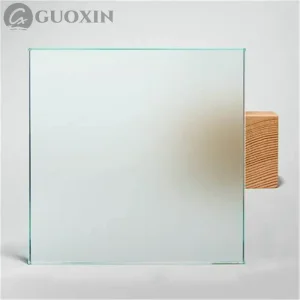
Explore our industry-certified building envelopes, precision double-glazed assemblies, and structural lamination solutions engineered in our state-of-the-art facility.
Jiangsu Guoxin Glass Co., Ltd. was founded in 2006 and has since grown into a leading enterprise in the glass industry, with a stable and successful track record spanning two decades.
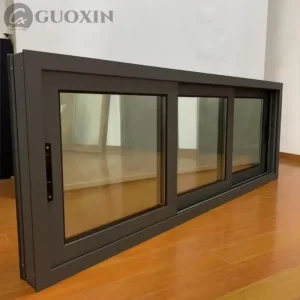
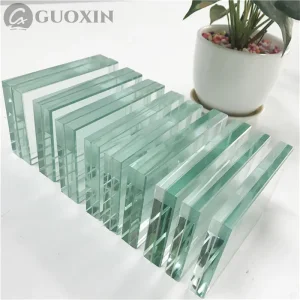
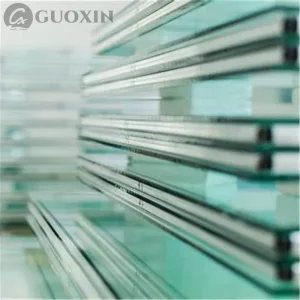
Our company has accumulated a wealth of experience in the research and development, production, and marketing of aluminium windows, fireproof glass, laminated glass, and insulated glass. This expertise has allowed us to innovate and produce high-quality products that meet the diverse needs of our global customers. By integrating CNC processing, advanced sputtering lines, and automatic autoclave systems, we deliver industrial-grade fenestration configurations certified to meet rigorous ASTM, AS/NZS, and EN standards.
Evaluating structural dynamics, energy conservation indices, and supply chain efficiencies for large-scale commercial and residential replacements.
We utilize structural extruded aluminum alloys (6063-T5 and 6063-T6) with optimized wall thicknesses (up to 3.0mm for heavy-duty commercial sliding doors) to ensure resistance to wind-load pressures up to 5000 Pa.
By integrating polyamide thermal barrier strips (PA66-GF25) and multi-layered Low-E coatings with Argon gas fills, we reduce U-factors to < 1.4 W/m²K, optimizing indoor energy conservation.
SGP ionoplast and high-adhesion PVB interlayers are applied to laminated panels to satisfy impact safety requirements for hurricane-prone zones, high-rise facades, and high-security zones.
Architectural envelope performance is determined by three variables: the structural frame profile, the glazing configuration, and the sealing/hardware mechanisms. Standard builders-grade installations often fall short of meeting contemporary thermal codes. Our OEM solutions resolve this through polyamide thermal break systems. Unlike low-cost PVC alternatives, the PA66-GF25 composite matches the expansion coefficient of aluminum, preventing joint deterioration and ensuring lifetime structural cohesion.
Furthermore, sound dampening is an essential requirement for urban developments. Standard single-glazed window assemblies suffer from resonance amplification at critical frequencies. By manufacturing asymmetric double and triple-insulated glazing units (e.g., 6mm Tempered + 12Argon + 8.76PVB Laminated), we shift acoustic resonant frequencies and achieve Sound Transmission Class (STC) ratings exceeding 42dB, creating comfortable indoor workspaces even in loud metropolitan areas.
China's advanced manufacturing hubs offer distinct structural advantages for global developers, facade contractors, and glass distributors. Specifically, the Yangtze River Delta industrial region provides access to raw materials (float glass substrates from leading mills, premium structural silicone, and high-precision extrusion dies) within a compressed radius.
As an integrated manufacturer, Jiangsu Guoxin Glass Co., Ltd. controls the entire production cycle. From CNC cutting and automated edge grinding to convective tempering, magnetron sputtering Low-E coating, and profile fabrication, we eliminate middleman markups. This comprehensive control allows us to provide custom sizes, jumbo-format glass (up to 12 meters), and specialized decorative techniques (3D laser engraving, acid-etched frosting, and custom ceramic frits) at highly competitive wholesale pricing.
Product reliability in commercial construction is non-negotiable. To ensure compliance, our factory operates under an audited ISO 9001:2015 Quality Management System. We run rigorous internal quality checks, including:
See how our custom glass and architectural systems are integrated into world-class projects and iconic skyscrapers.
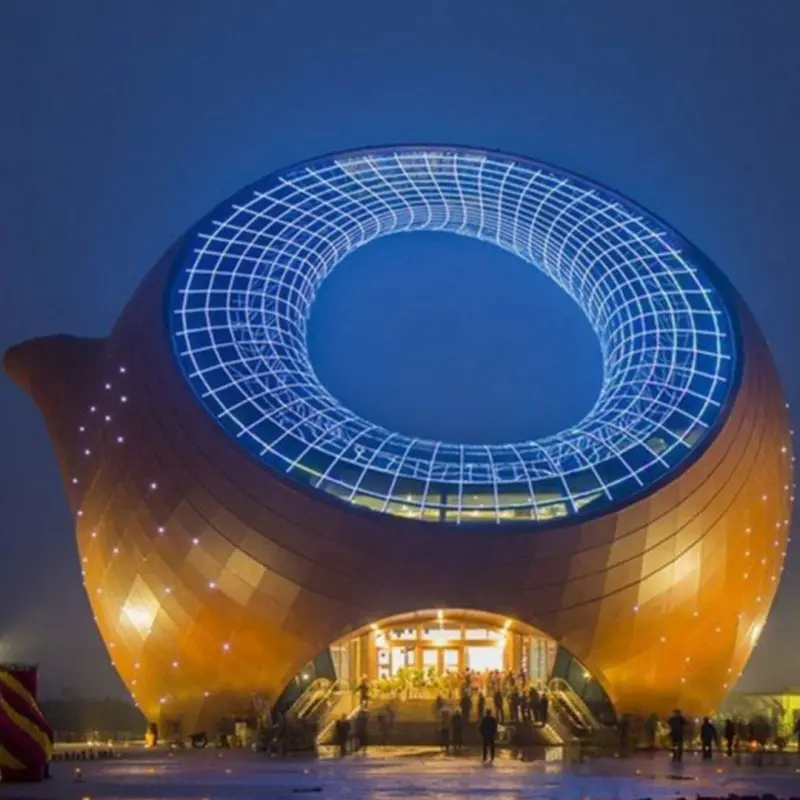
As the world's "largest purple clay pot shaped building", it was awarded the "World's largest Guinness" certificate on the 16th. The building is 38.8 meters high and mainly made of aluminum and glass, each of which has different shapes and sizes, and the dome is made of artistic stained glass.
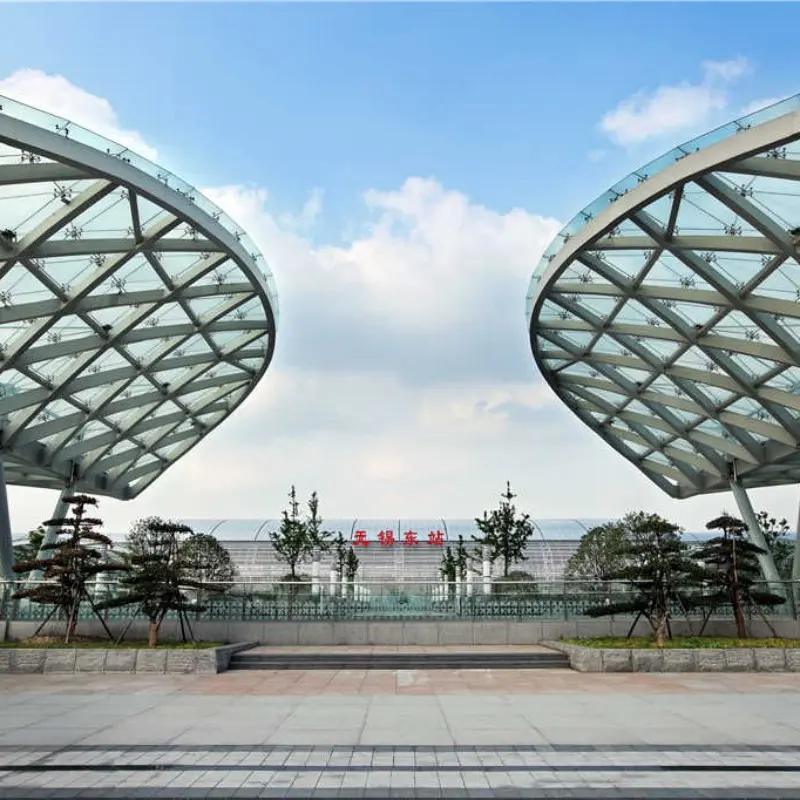
Completed a renovation project with thousands of laminated safety glasses, put into use as a major double-sided elevated station. The total waiting area is 18,000 square meters, ensuring structural safety and light transmission for daily capacities of 120,000+ passengers.

Standing at 450 meters (1,480 ft), this iconic 89-story skyscraper ranks among the tallest buildings globally. We supplied premium structural insulated glass units (IGU) for portions of its complex curtain wall system to optimize thermal performance.
Guoxin Glass utilizes advanced daylight algorithms to minimize glare and energy consumption. For acoustic insulation, we deploy triple-insulated solar control glass systems that integrate heat recovery and passive ventilation, reducing cooling loads significantly.
Collaborating with world-renowned architectural firms like Valode & Pistre and Hadi Teherani Architects, we provide engineered glazing systems for high-visibility public landmarks, premium commercial complexes, and luxury brand showrooms.
Quality First, Customer First, and Credit-Based Manufacturing Principles.
Watch our automated production lines in action. From initial sheet loading to precision extrusion processing, our facility handles complex custom designs and high-volume output with strict quality control.
Request a Technical ConsultationDetailed answers addressing core architectural requirements, wind-load calculations, glass types, and global compliance standards.
Compare key thermal and structural metrics across our primary window and door categories to determine the optimal configuration for your project.
| Product Category | Glazing Type | U-Factor (W/m²K) | SHGC Range | Acoustic Rating (STC) | Primary Application Case |
|---|---|---|---|---|---|
| Aluminium Casement Windows | Double Glazed (6+12Ar+6 Low-E) | 1.5 - 1.8 | 0.30 - 0.45 | 35 - 38 dB | Residential Mid-Rise / High-End Villas |
| Aluminium Sliding Windows | Double Glazed (5+9Ar+5 Low-E) | 1.8 - 2.2 | 0.35 - 0.50 | 32 - 35 dB | Commercial Offices & Mixed-Use Housing |
| SGP Laminated Structural Glass | Laminated 12mm Glass + 1.52 SGP + 12mm Glass | N/A (Structural) | 0.60 - 0.75 | 40 - 45 dB | High-Rise Balustrades & Glass Fin Facades |
| Triple Insulated Glass Systems | Triple Glazed (6 Low-E + 12Ar + 6 + 12Ar + 6 Low-E) | 0.9 - 1.2 | 0.22 - 0.32 | 42 - 46 dB | Passive Houses & Extreme Cold Climates |
| Fire Resistance Safety Glass | Composite Intumescent Gel Multi-layer | N/A | N/A | 38 - 42 dB | Fire-Rated Stairwells & Building Escape Routes |
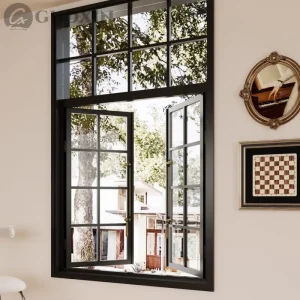
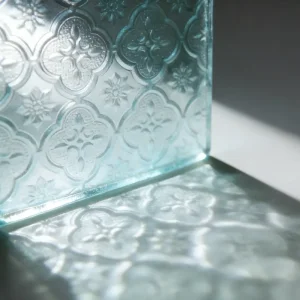
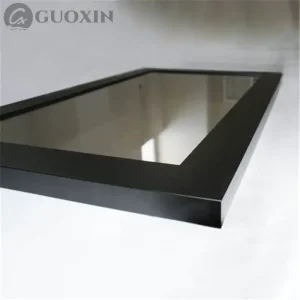
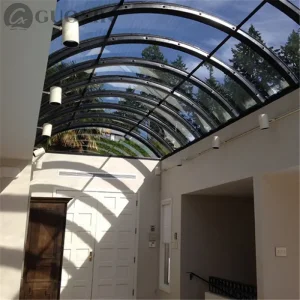
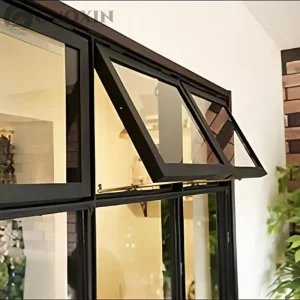
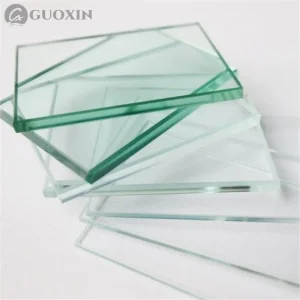
Additional specialist configurations, including thermal casement options, patterned interior panels, and heavy-duty safety glass.
 Guoxin