Explore our engineered insulated glass and high-durability system windows optimized for architectural energy ratings, structural resilience, and structural safety.
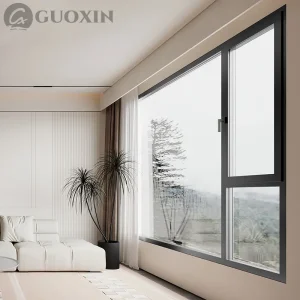
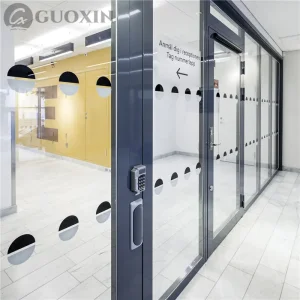
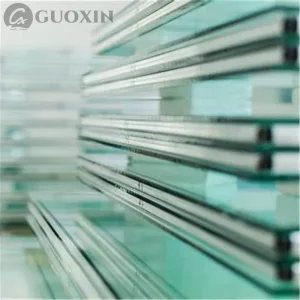
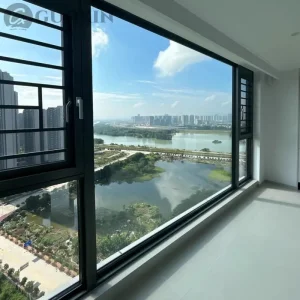
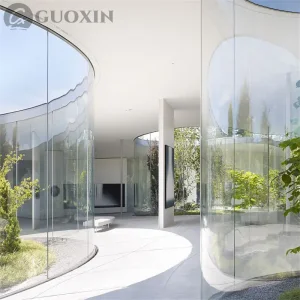
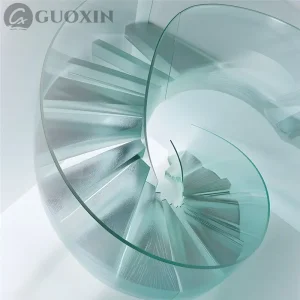
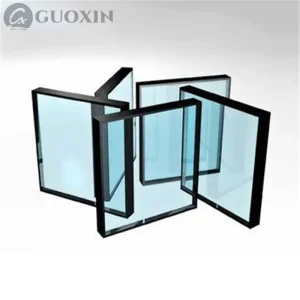
Achieving structural equilibrium and optimal thermodynamic insulation in modern curtain walls and architectural glazing assemblies.
Double glazing, or Insulating Glass Units (IGUs), represents a quantum leap in architectural technology. By capturing a hermetically sealed gas space between two panes of structural glass, these units dramatically lower thermal transfer. To evaluate the performance of an OEM Double Glazing Window Design, engineers focus on three core variables:
By replacing traditional aluminum spacer bars with thermoplastic warm-edge materials (TPS) or structural silicone foam, we minimize peripheral thermal bridging. This virtually eliminates condensation at the glass frame edge and mitigates the risk of perimeter mold growth.
We ensure a minimum 90% gas fill density within our insulated cavities. Heavy inert gases limit internal convective currents between panes, creating an optimal thermal buffer that withstands major temperature differentials without seal failures.
Our off-line magnetron sputtering system deposits nanometer-thin metallic layers on internal surfaces. These layers allow natural visible light transmission while reflecting long-wave heat energy back to its source, keeping spaces cool in summer and warm in winter.
Analyzing procurement requirements, building code standards, and decarbonization strategies in the international fenestration market.
Across the Americas, Europe, and Asia-Pacific, energy compliance mandates are driving shifts in building code requirements. Initiatives like the EU's Energy Performance of Buildings Directive (EPBD) and North America's LEED v4.1 certification demand lower overall U-values. High-performance double and triple-glazed envelopes are no longer optional—they are essential structural systems required for occupancy approval.
To navigate these shifts, international procurement teams rely on specialized OEM partners who understand region-specific certifications. Architectural installations in hurricane-prone zones (such as Florida or parts of the Caribbean) demand heavy-duty laminated safety glass tested for missile impacts. Meanwhile, developments in Northern Europe and Canada focus on maximum passive solar heat gain, requiring low-iron glass and ultra-clear double-glazing configurations.
A twenty-year track record of engineering innovation, industrial output, and premium structural glazing fabrications.
Founded in 2006, Jiangsu Guoxin Glass Co., Ltd. has established a leading position in the high-tech glass processing industry. With over two decades of engineering and manufacturing expertise, the company specializes in complex custom solutions. Our product range includes performance-grade aluminum window assemblies, fire-rated security glass, SGP/PVB structural laminated glass, and advanced double-glazed units.
Operating out of state-of-the-art facilities, Guoxin Glass handles large-scale commercial contracts and complex custom OEM glazing specifications. Our fabrication capabilities utilize automated CNC cutting lines, multi-stage tempering furnaces, and specialized cleanroom laminating equipment. This technical setup ensures high-precision tolerances and reliable edge seal integrity for all double-glazed units.
How China's industrial clustering and automated processing networks deliver value for global construction projects.
Our proximity to major domestic chemical refiners, structural aluminum extrusion hubs, and float glass manufacturers minimizes internal transport costs and material lead times, ensuring prompt fulfillment of complex project orders.
We utilize computerized slicing, dual-edge grinding networks, and robotic spacer bending. This automation reduces human error, guarantees straight perimeter edges, and ensures consistent quality across large-scale production runs.
Every structural glass run undergoes thorough quality inspections. This includes dew point tests for internal cavities, helium leak detection for argon containment, and polariscope scanning to identify spatial stress variations.
Custom-engineered configurations designed to meet specific structural, thermal, and security requirements.
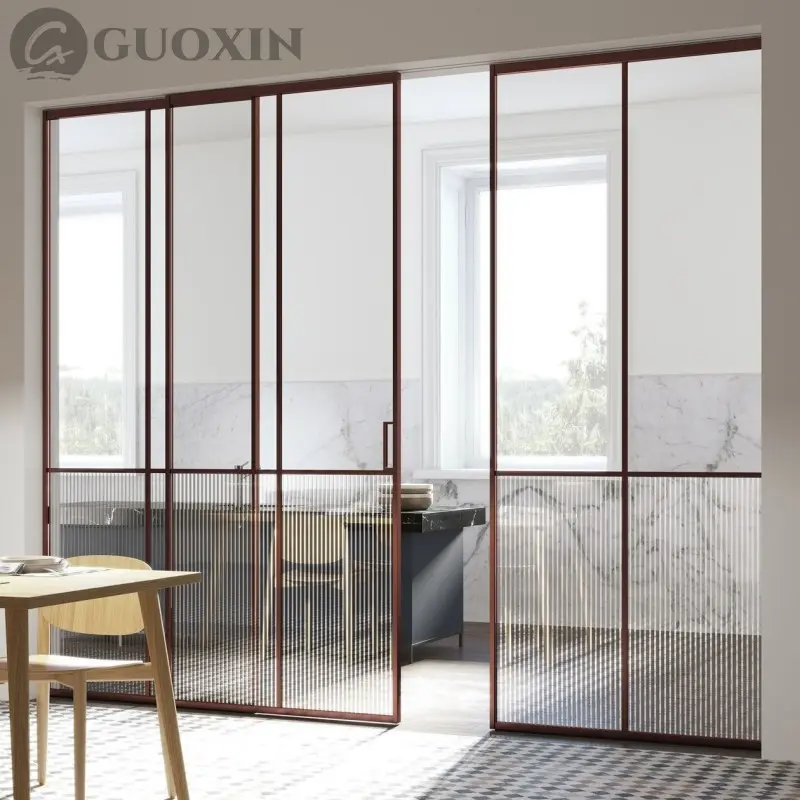
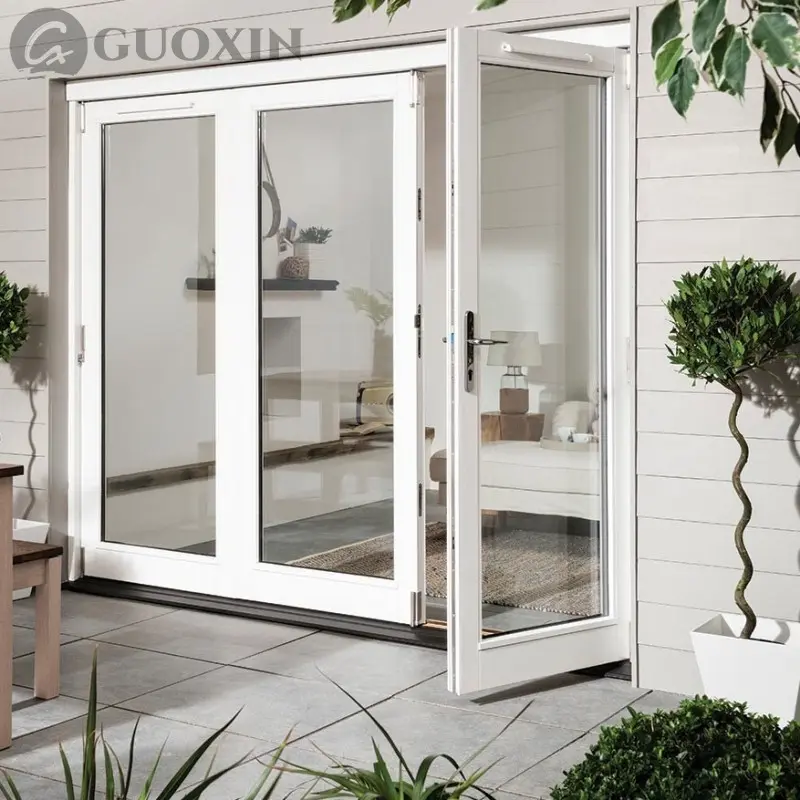
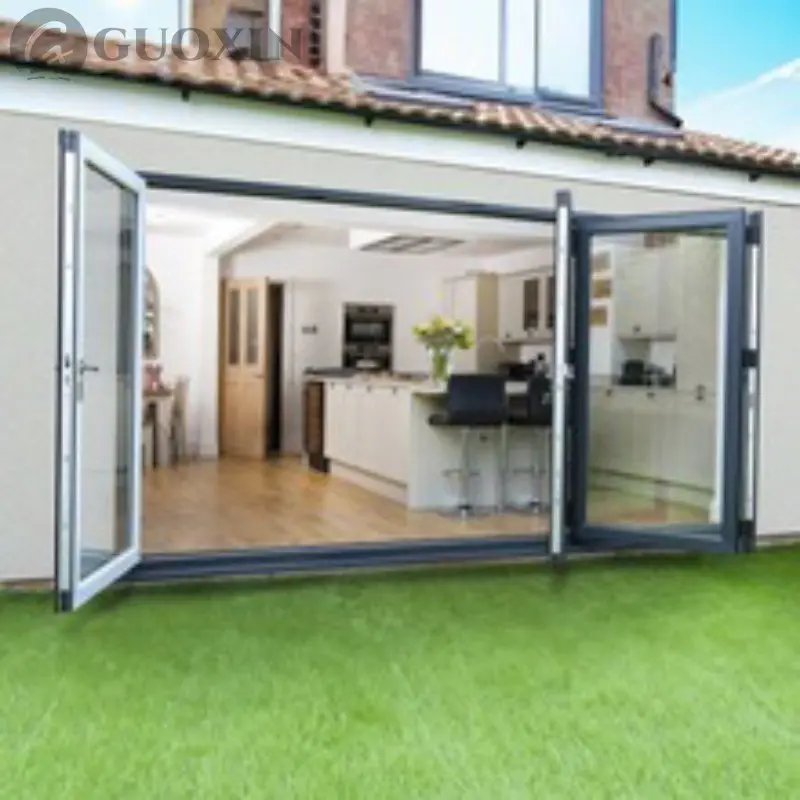
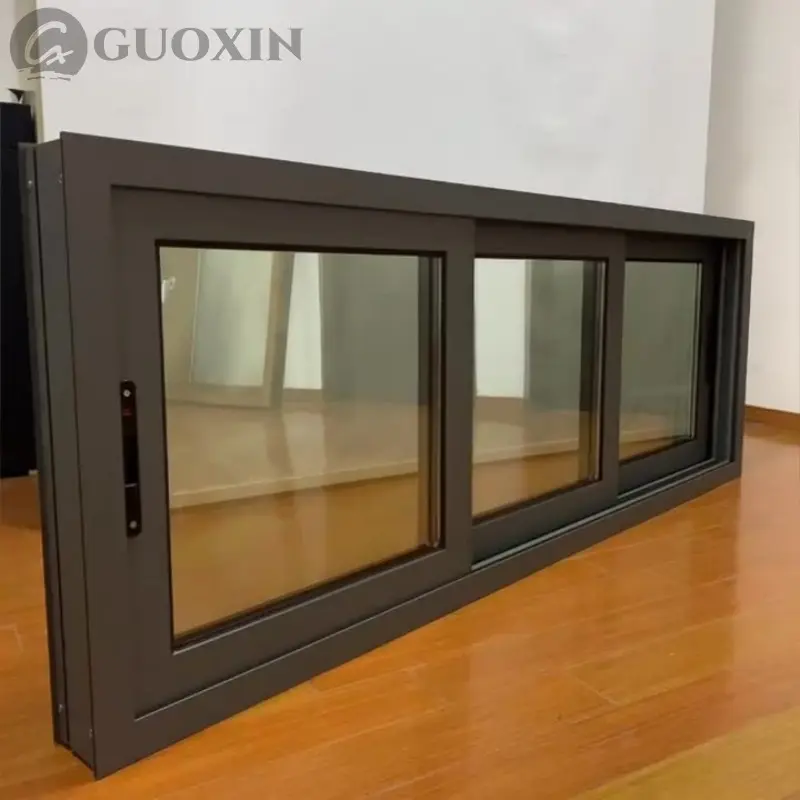
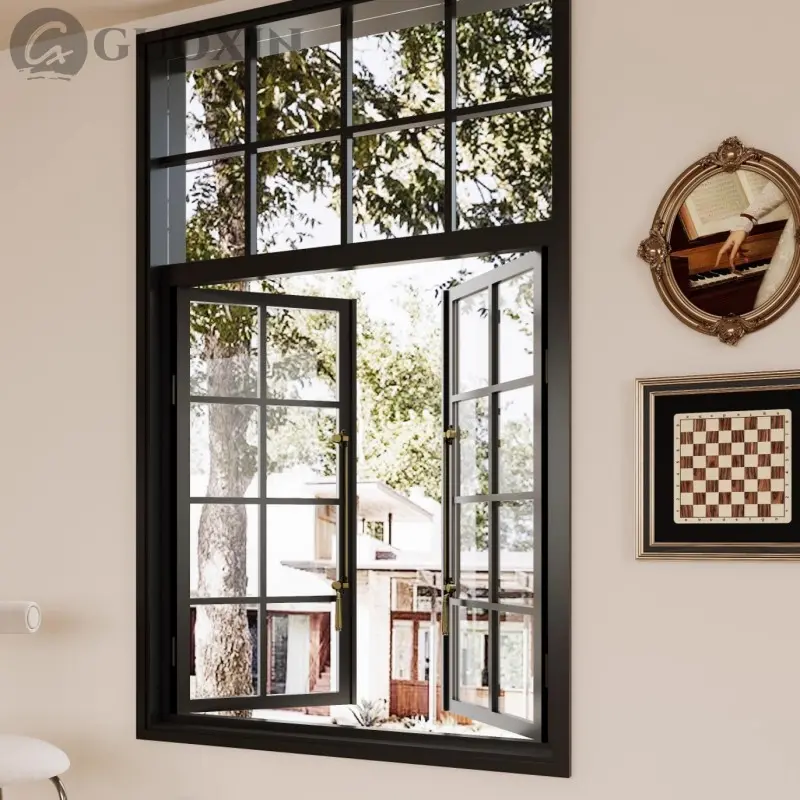
Combining aesthetic precision with architectural durability for unique public installations and custom branding elements.
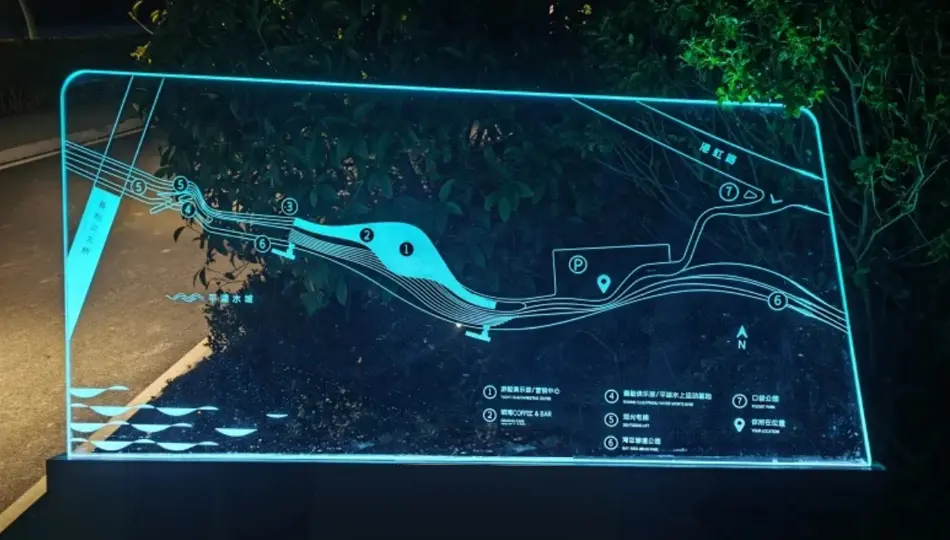
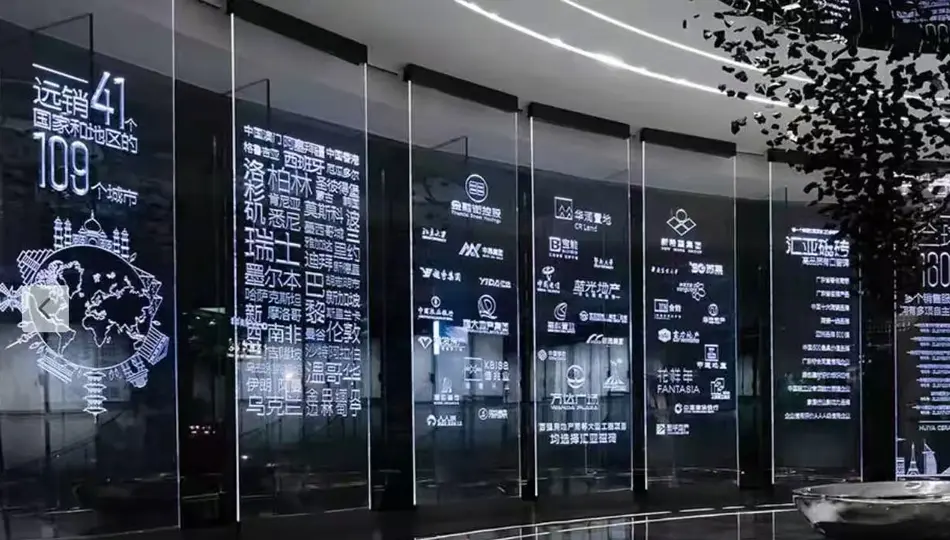
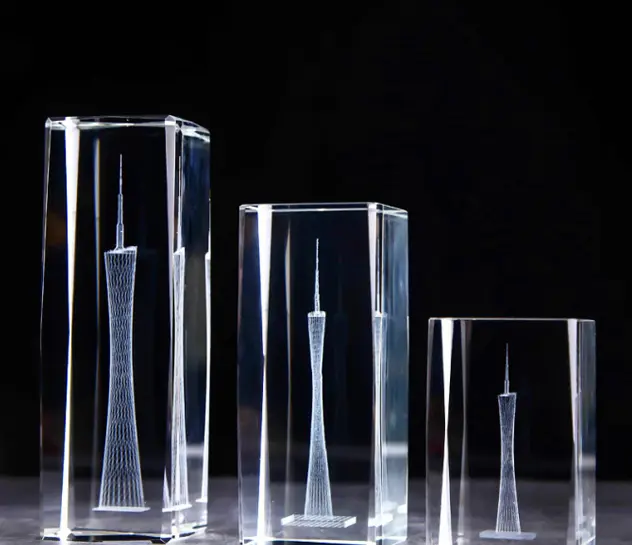
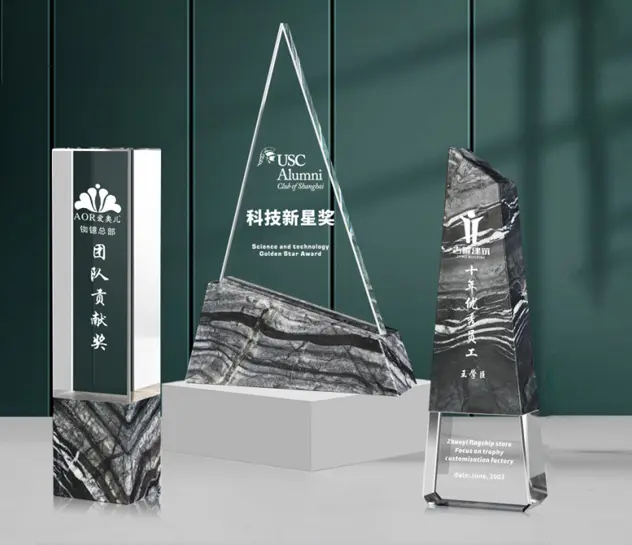

Demonstrating engineering capability, design flexibility, and structural durability in major architectural installations.
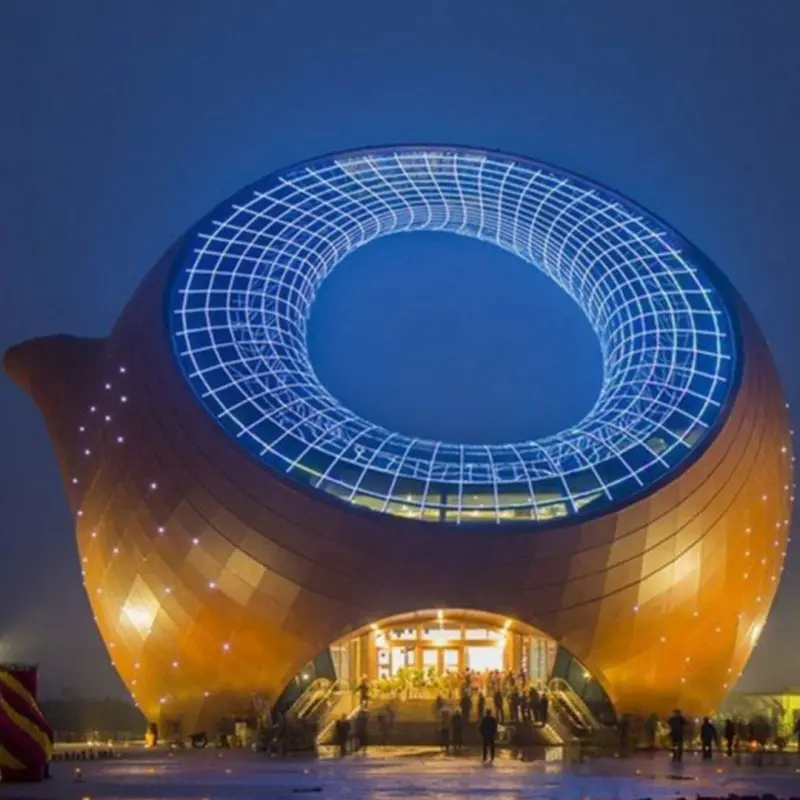
Widely recognized as the "world's largest purple clay pot shaped building," this structure stands 38.8 meters high. Its complex facade is constructed using custom-tempered, curved glass panels. The dome features artistic stained double-glazed panels that ensure stable interior temperatures while managing solar load.
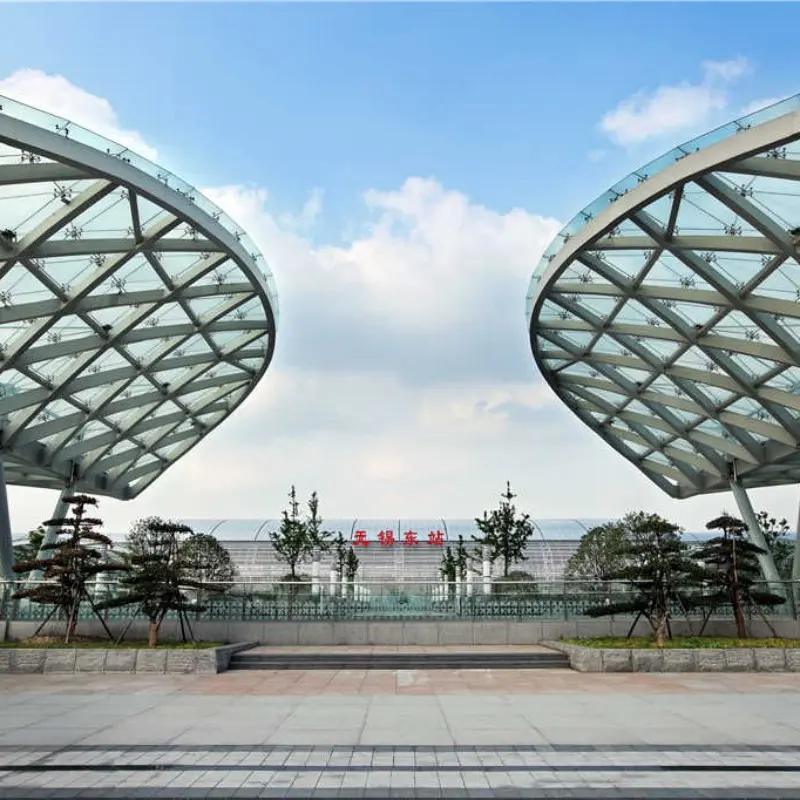
During the major renovations of Wuxi Railway Station, high-strength structural laminated glass was used for the terminal building. The installation supports a daily passenger capacity of over 120,000, and is engineered to reduce vibration and environmental noise from incoming rail traffic.

Standing at 450 meters (1,480 ft), this landmark tower features office spaces and a 6-star hotel. The exterior curtain wall uses energy-efficient double-glazed insulated units that help control temperature differentials across the upper levels of the structure.
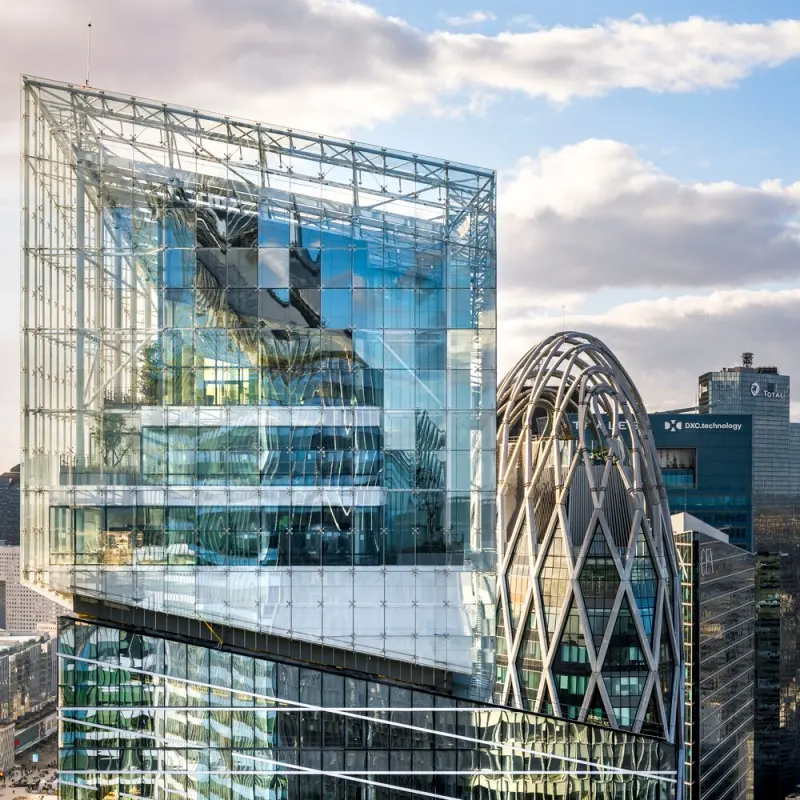
Collaborating with architectural firm Valode & Pistre, we supplied specialized double-glazed assemblies with integrated solar-tracking dynamic algorithms. The glass adjusts its light transmittance automatically to optimize interior daylight and reduce energy consumption.
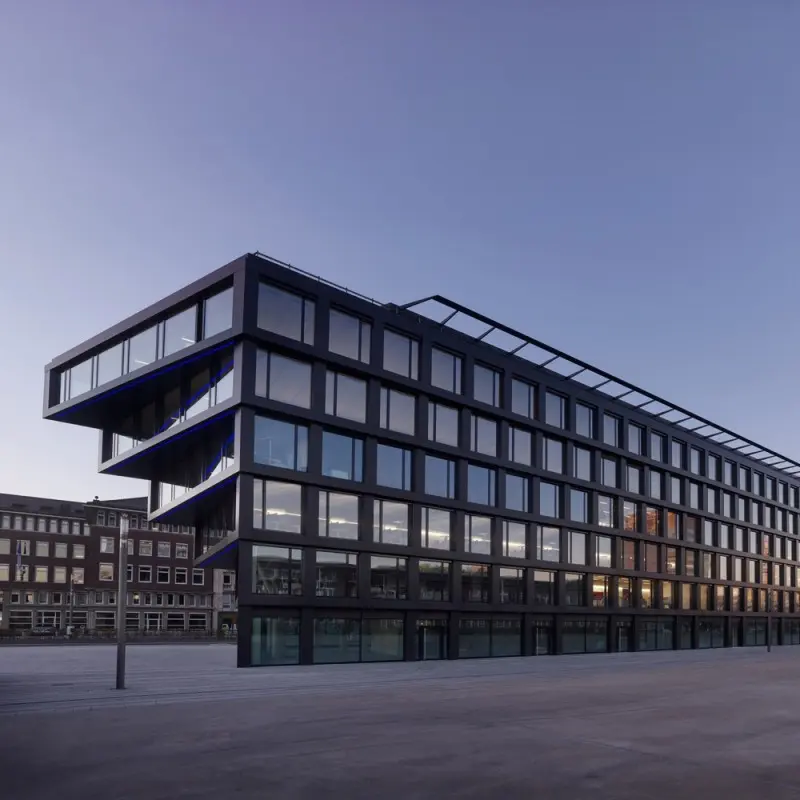
We supplied triple-insulated solar control glass panels for high-performance building envelopes. These units achieve a heat recovery rate of over 80%, providing excellent thermal performance while preserving natural light levels.
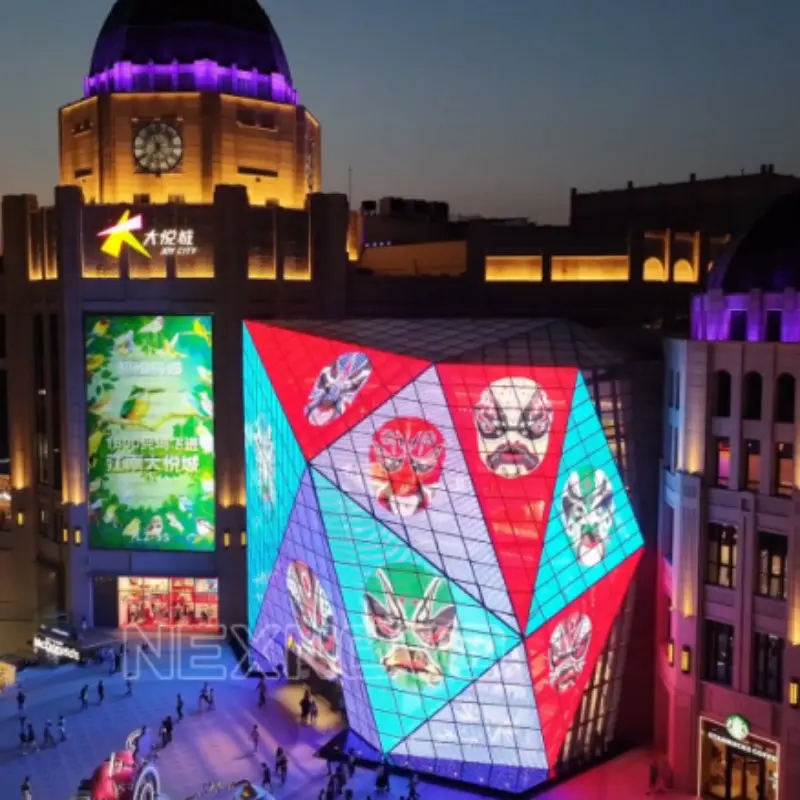
Designed as a modern commercial hub, this project features smart-switchable double-glazing configurations. These glass installations can cycle from transparent to opaque, serving as both functional facades and digital display areas.
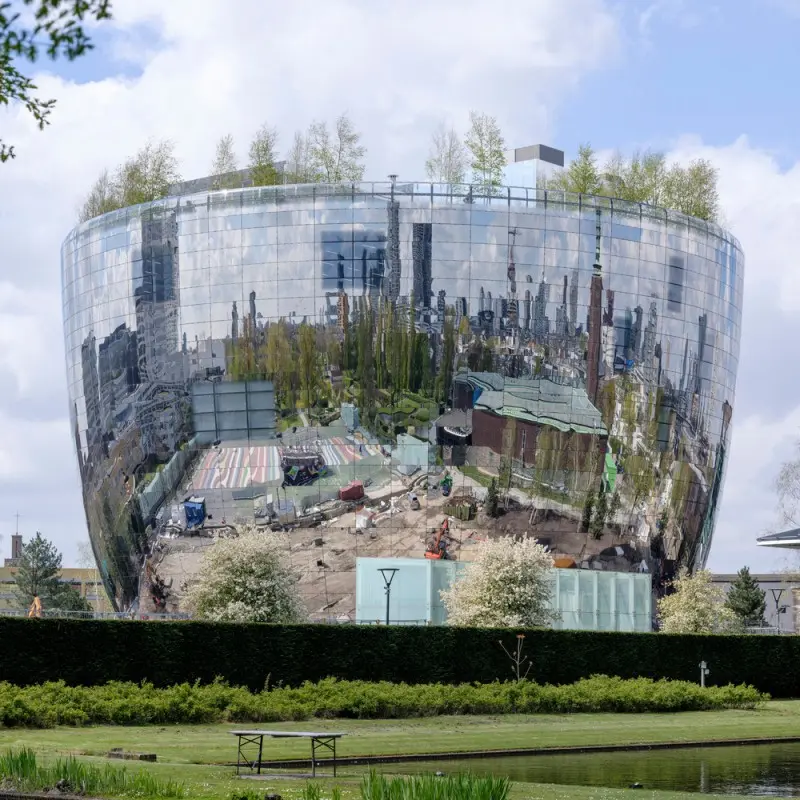
Our reflective architectural glass was used to cover the museum's 15,000 square meter curved exterior facade. The double-glazed panels reflect the surrounding park and urban environment while meeting strict climate control requirements for the art collection inside.
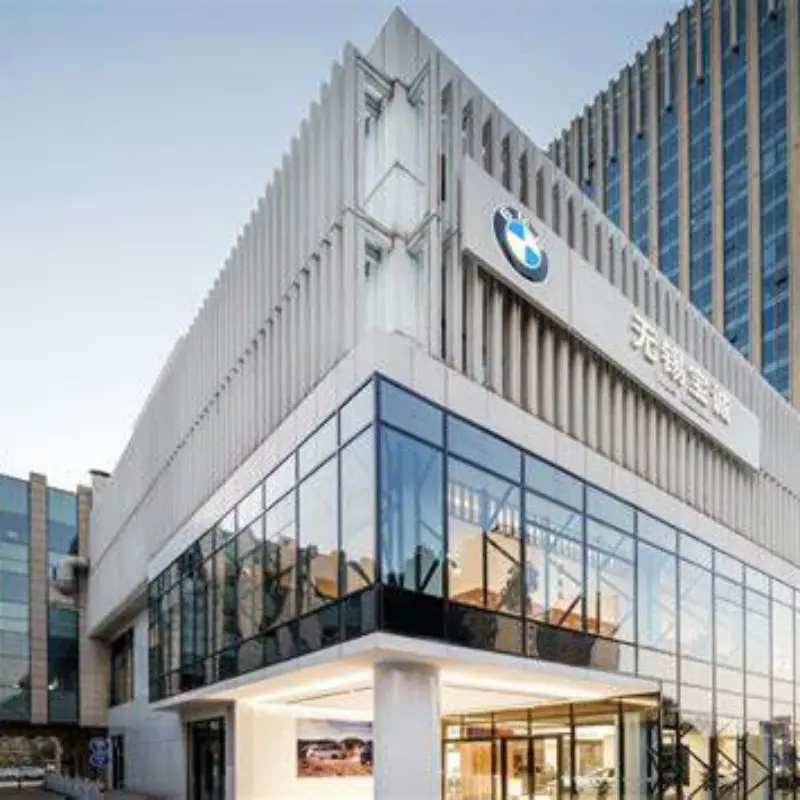
Featuring floor-to-ceiling, high-transmittance double glazing panels. These large-format installations maximize daylight for vehicle displays while maintaining thermal insulation and structural stability in high wind loads.
Providing custom glass processing, bespoke frame profiles, and specialized glazing solutions for projects worldwide. Contact us today to request a quote or discuss your project specifications.
Our products are engineered and tested to perform under high mechanical stress and demanding climate conditions.


Answers to common technical, design, and supply questions from building engineers and purchasing officers.
Thermal performance is determined by the center-of-glass U-value, the solar heat gain coefficient (SHGC), and the edge-of-glass conductivity. Key variables include the thickness of the gas cavity (optimum thickness is between 12mm and 16mm), the type of gas fill (Argon or Krypton), the presence of low-emissivity (Low-E) coatings, and the material composition of the perimeter spacers.
China's industrial regions host integrated supply chains that locate raw float glass plants, extrusion facilities, and hardware suppliers close to processing centers. This integration lowers regional transportation costs. In addition, automated Lisec and Bystronic cutting lines improve production speeds and keep tolerances to within ±0.5mm, reducing material waste.
Standard glass breaks at high temperatures, typically within minutes of fire exposure. Fire-rated glass, such as borosilicate or multi-layered glass with intumescent interlayers, is engineered to withstand heat and block flames, smoke, and heat radiation. Depending on the configuration, it can provide fire resistance ratings from 30 to 120 minutes.
Laminated safety glass contains a PVB or SGP interlayer bonded between two glass sheets. If the glass breaks, the fragments adhere to the plastic interlayer, reducing the risk of injury from falling glass. Laminated configurations also improve security, acoustic performance, and UV protection.
Thermally-broken aluminum profiles generally offer better long-term cost performance. While plastic steel (uPVC) is often more budget-friendly initially, aluminum provides higher structural strength, allows for narrower frame profiles, resists warping under wind load, and has a longer service life in commercial installations.
Explore our industrial range of architectural glass, security barriers, and custom mirrors engineered for commercial installations.
 Guoxin