Engineered for extreme thermal performance and minimal U-values matching the central European climatic demands.
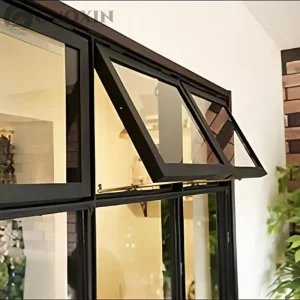
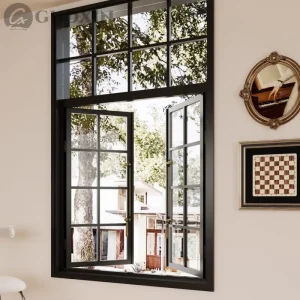
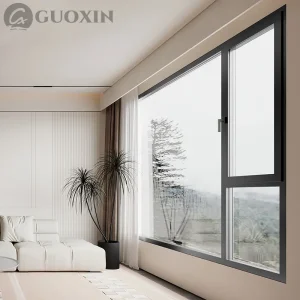
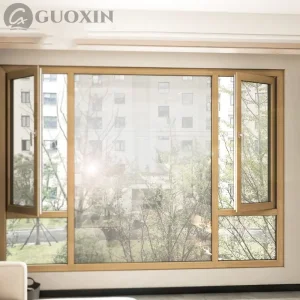
Founded in 2006, Jiangsu Guoxin Glass Co., Ltd. has established itself as a global benchmark in the design, engineering, and mass-fabrication of premium aluminium window systems and high-specification architectural glazing.
With a stable, vertically integrated development structure spanning two decades, our factory works side-by-side with global developers, facade contractors, and local Austrian importers. By integrating German-engineered hardware, precision CNC-cut profile systems, and advanced insulating glass units (IGUs) fabricated in-house, we meet the demanding requirements of Austria's regional building laws (OIB guidelines) and the DIN EN standards.
Unlike standard window fabricators, Guoxin manages the entire supply chain. From the raw float glass tempering, multi-layer Low-E coating, and gas filling, to the structural bonding within CNC-machined structural thermal-break aluminium profiles, we maintain control over every step of production.
The Austrian construction sector is defined by some of the most stringent energy efficiency and environmental protection regulations in the European Union. In accordance with the Austrian Institute of Construction Engineering (OIB) Guidelines (specifically OIB Richtlinie 6 covering energy conservation and thermal insulation), new buildings and deep renovations must satisfy rigorous thermal performance targets.
In cities such as Vienna, Graz, Linz, and Salzburg, developers are transitioning rapidly from traditional PVC and wood systems to high-end structural aluminium window designs. While PVC represents cost-effectiveness, it fails to meet the structural integrity required for large-format, floor-to-ceiling modern architectural facades. Wooden frames, though traditional, demand extensive maintenance under the volatile Alpine and continental European climates.
Consequently, thermal-break aluminium windows have emerged as the standard for both premium residential properties and multi-story commercial projects. The Austrian market demands an overall window heat transmission coefficient (Uw) of ≤ 0.8 W/(m²·K) for passive house developments, forcing manufacturers to innovate using complex multi-cavity polyamide thermal breaks, triple-insulated glass configurations, and warm-edge spacer technologies.
Different regions in Austria present unique micro-climatic and architectural challenges that require customized, factory-engineered solutions:
The future of the window and door sector lies in the integration of smart building systems and sustainable material lifecycles:
Smart Dynamic Glass Integration: The integration of electrochromic "smart glass" technology is transforming commercial office buildings in Austria. By utilizing dry-film laminating technology, our factory-integrated smart glass allows users to adjust light transmission dynamically. This technology mitigates solar heat gain coefficients (SHGC) during summer while maximizing heat gain in winter, directly contributing to LEED and BREEAM building certifications.
Thermal Separation & Insulating Gas Infusion: To achieve U-values below 0.8 W/(m²·K), our engineering team utilizes high-density polyamide thermal breaks (up to 39mm width) filled with polyurethane insulating foam. When combined with triple glazing filled with 90%+ Argon or Krypton gas, it minimizes convection currents within the glass panes.
Cradle-to-Cradle (C2C) & Low-Carbon Aluminium: Circular economy initiatives in Austria require documentation of material recycling capabilities. Aluminium is infinitely recyclable. By optimizing our factory-level casting and extrusion processes, we prioritize the use of high-recycled-content aluminium profiles, reducing embedded carbon emissions per window unit by up to 45% compared to standard global benchmarks.
A common concern for Austrian architects and contractors sourcing materials internationally is lead time predictability and product consistency. Jiangsu Guoxin Glass Co., Ltd. addresses these pain points through a mature, vertically integrated manufacturing process.
Our facility houses advanced automated extrusion lines, modern CNC machining centers, and a fully automated glass processing plant. This integration eliminates the common issues of multi-tier supplier delays.
To optimize delivery times to Austria, we utilize the China-Europe Railway Express (CR Express). Shipping containers depart directly from Jiangsu and reach central European freight hubs in Vienna, Graz, or Linz within 15 to 20 days. This overland rail route offers a faster alternative to traditional sea freight via Hamburg or Koper, allowing us to align production milestones with tight construction schedules.
Compliance with local construction regulations is mandatory for imported products. Our products are fully tested under European Norms (EN) and certified to carry the CE mark.
Through rigorous internal testing and independent certification, our factory delivers complete technical documentation, including thermal transmittance simulations (using THERM software), structural wind load calculations (FEA analysis), and acoustic test reports.
Whether your project requires conformity to the ÖNORM B 5200 series for window installation (RAL quality installation standards) or structural glazing guidelines, our engineering department works with your project managers to ensure compliance before shipping.
Explore our specialized production capabilities, engineered under ISO 9001:2015 controls.

Thermal-break multi-cavity frames with premium structural performance.
Learn MoreSGP and PVB laminated options for safety, security, and sound insulation.
Learn MoreTriple glazed Low-E units with warm-edge spacers for optimal thermal U-values.
Learn MoreEngineered solutions applied to complex architectural geometries, now optimized for Austrian installation standards.
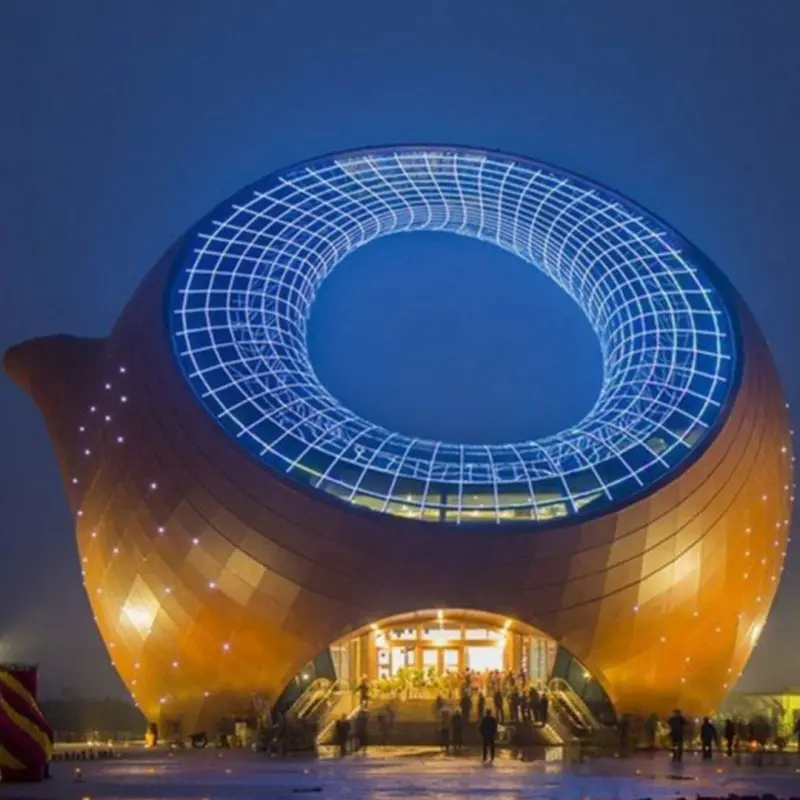
As the world's largest purple clay pot shaped building, this structure stands 38.8 meters high. Engineered with structural aluminium and custom-pane glass units, the dome features art-stained glass designed to manage wind loads and expansion profiles.
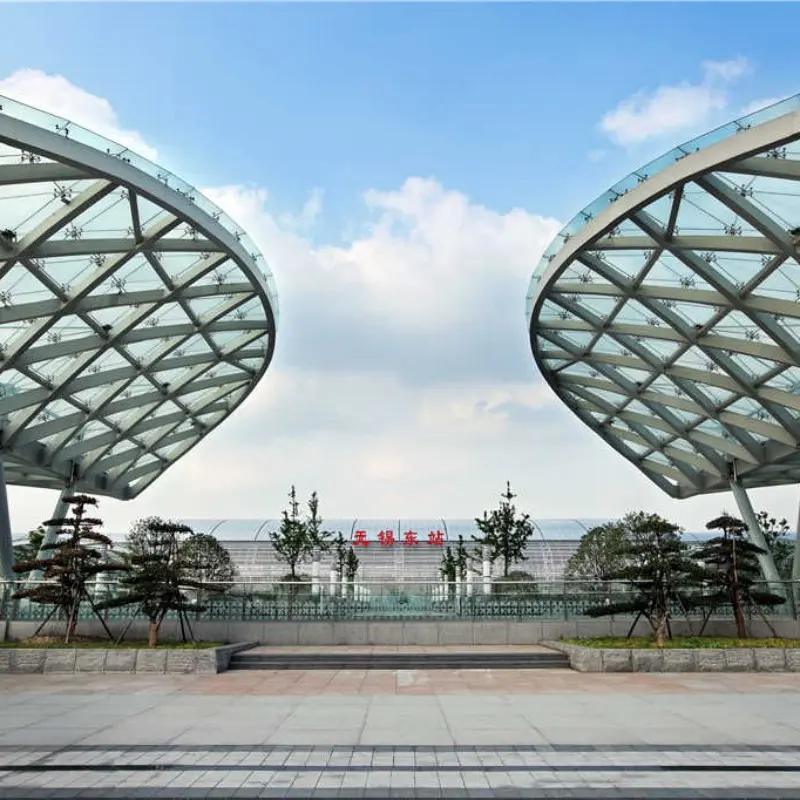
A high-traffic structural glazing project utilizing thousands of laminated glass panes. Designed to meet public safety regulations and acoustic requirements, the station handles daily crowds of over 120,000 passengers with high structural stability.

Standing at 450 meters (1,480 ft), the 7th tallest building in the world uses our custom-engineered structural triple-insulated glass units. Designed to meet high-altitude wind load classifications and strict thermal criteria.
Equipped with triple-insulated solar control glass and predictive daylighting algorithms that eliminate the need for exterior shutters.
Integrating heating, cooling, ventilation, and optimized acoustics, resulting in a heat recovery rate of over 80% across the facade envelope.
Large-format dynamic smart glass installations that adapt their tinting levels to manage solar radiation and internal temperatures.
Utilizing high-span reflective glass to integrate the structures into their surroundings while maximizing natural interior illumination.
Our systems are engineered to meet global standards and undergo regular audits for consistent performance.
Jiangsu Guoxin Glass Co., Ltd. maintains a quality control infrastructure compliant with ISO 9001:2015. Every manufacturing process—from raw profile reception and thermal-barrier insertion to insulated glass assembly and hardware testing—is monitored using barcode tracking. This documentation provides traceability for every order delivered to European building sites.
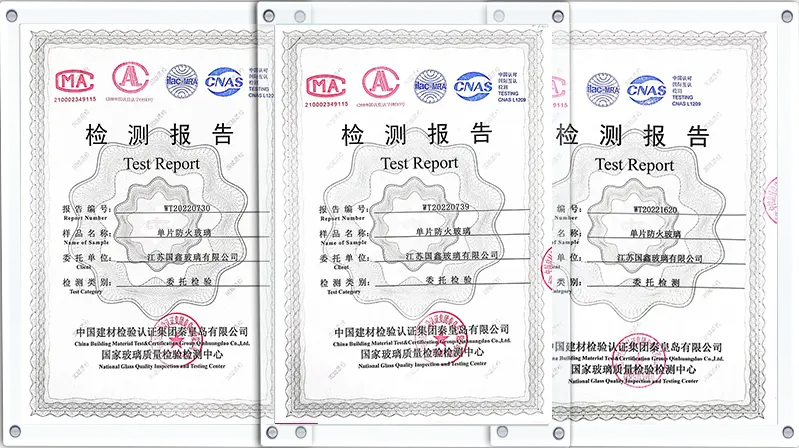
ISO 9001:2015 Certified Production Line and Quality Management Systems
Essential compliance, thermal performance, and logistics information for architects, builders, and developers.
Yes. Our thermal-break aluminium window systems are designed to accommodate triple glazing and warm-edge spacers, achieving overall U-values (Uw) below 0.8 W/(m²·K). This aligns with the energy performance requirements of OIB Richtlinie 6 for new constructions and renovations in Austria.
Yes. Our engineering department can perform structural calculations using Finite Element Method (FEM) analysis based on your project's altitude, terrain category, and building height. This ensures compliance with regional wind load resistance standards up to EN 12210 Class C5/B5.
All products exported to the European market carry the CE mark. We provide Declaration of Performance (DoP) documents demonstrating compliance with standard EN 14351-1 for windows and doors, and EN 1279 for insulating glass units.
We use heavy-duty steel stillages, foam corner protectors, protective films on profiles, and vacuum sealing for transit. For rail freight via the China-Europe Railway Express, containers are packed to prevent movement and damage.
By using acoustic laminated glass and multi-point sealing, our window systems can achieve acoustic attenuation values of up to 48 dB (complying with ÖNORM B 8115 standards for high-noise urban environments).
Yes, we manufacture EI30 and EI60 fire-rated glass and profile systems that meet European standard EN 13501-2 to isolate fire, smoke, and heat transmission.
Yes. We offer configuration options using German hardware systems like Siegenia, Roto, or G-U to ensure compliance with local operation, longevity, and security regulations.
For custom residential or commercial projects, the typical production lead time is 4 to 6 weeks from technical drawing approval. Delivery via rail freight to Austrian terminals takes approximately 18 to 22 days.
Select from our certified production range. Contact our engineering team for customized sizes and configuration options.
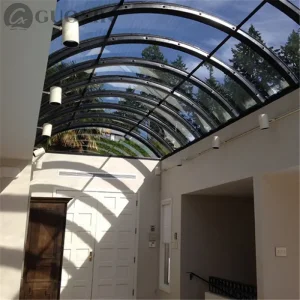
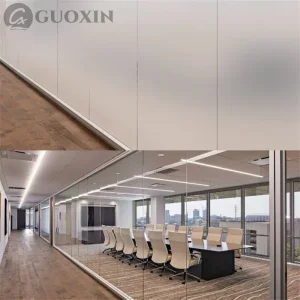
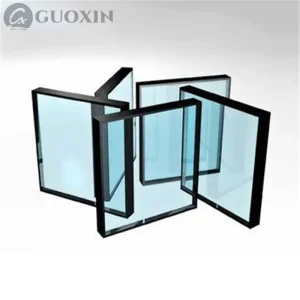
Stay updated with research and technical compliance reports from our architectural engineering division.
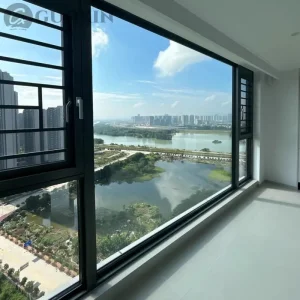
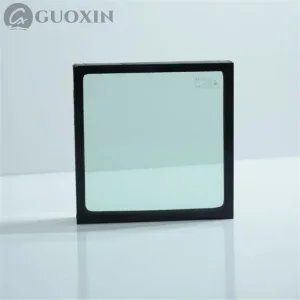
To help you pick compliant, cost-effective, and safe glass for your projects, we break down the critical performance ratings, thermal resilience profiles, and structural safety differences between fire-rated systems and standard tempered panels.
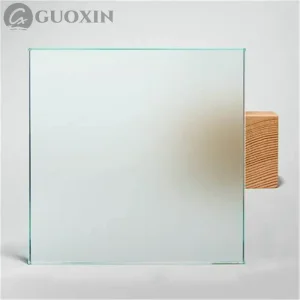
An analysis of structural loads and mechanical properties. Learn how PVB and SGP interlayers contribute to safety, post-breakage resilience, and acoustic mitigation in high-span commercial developments.
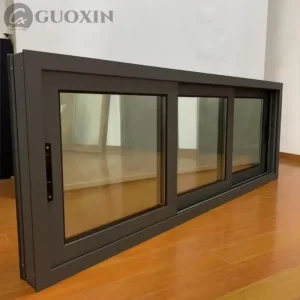
Most architects face a common choice when specifying casement windows: optimizing performance and cost. We compare U-values, weather tightness, and life-cycle costs of thermal-break systems.
Submit your project's architectural drawings or bill of quantities. Our engineering team provides detailed thermal transmittance calculations, structural wind-load simulations, and DDP shipping estimations.
 Guoxin