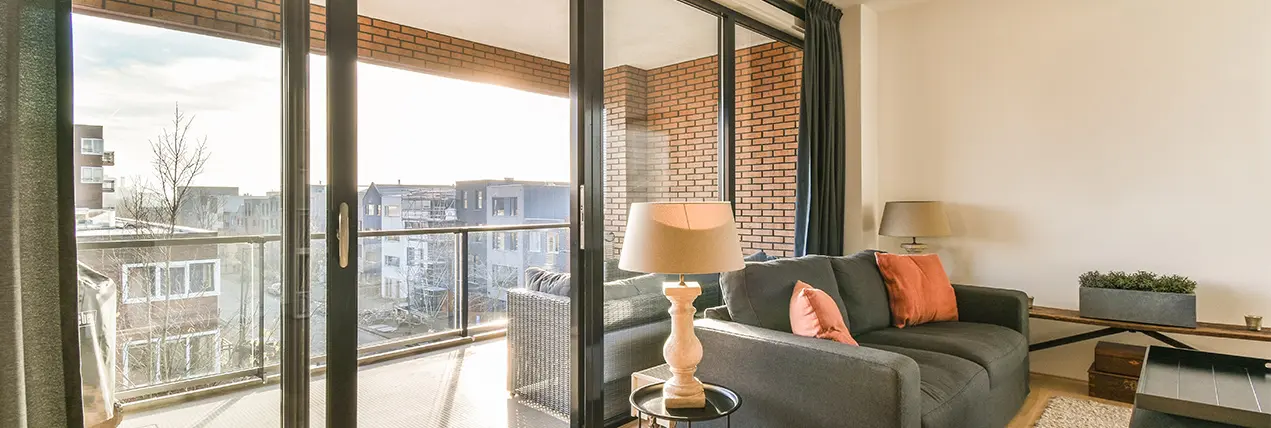
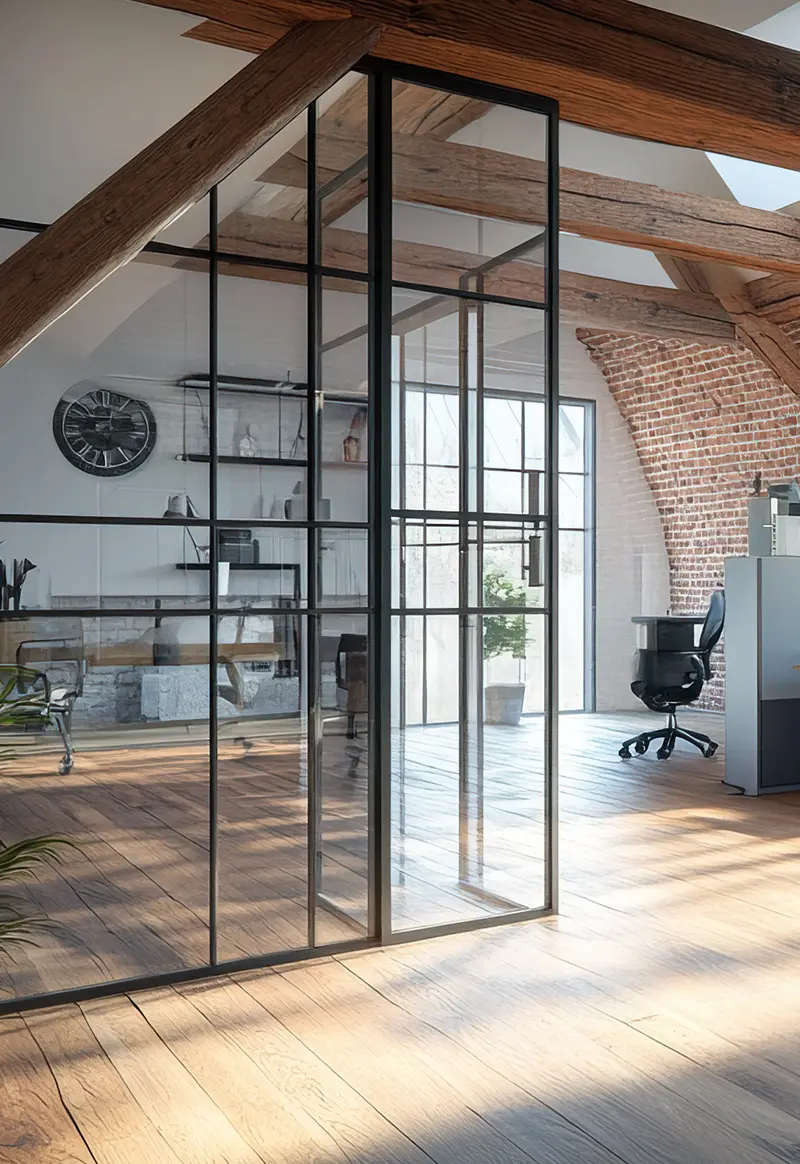
Engineered to deliver exceptional thermal insulation, security, and durability across Almaty, Astana, and Shymkent structural developments.
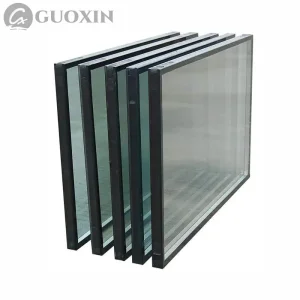
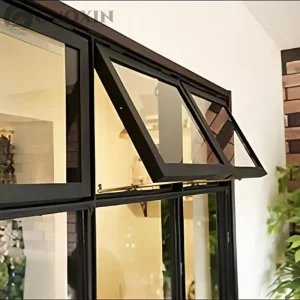
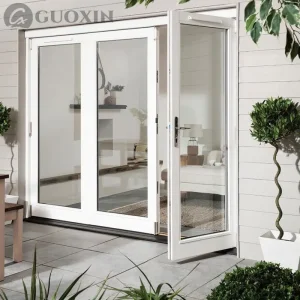
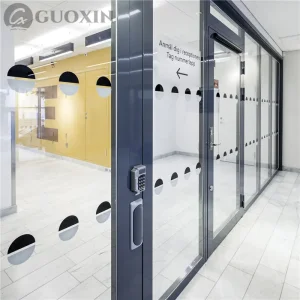
This comprehensive industry analysis explores the unique requirements, structural engineering standards, and trade dynamics governing the use of Insulated Glass Units (IGUs) and structural glass products within the Republic of Kazakhstan and broader Central Asia.
Kazakhstan exhibits one of the most extreme continental climates in the world. Cities like Astana (formerly Nur-Sultan) experience harsh winter temperatures dropping below -40°C, combined with high-velocity steppe winds. Conversely, summers bring temperatures exceeding +35°C with intense solar radiation. These extreme temperature swings induce significant thermal stress in architectural glazing, necessitating advanced engineering standards for structural glass units.
Standard monolithic glass or basic double glazing is fundamentally inadequate for commercial real estate developments in Kazakhstan. Modern building envelopes require double-cavity, low-emissivity (Low-E) triple-glazed systems filled with inert gases (such as Argon or Krypton) and integrated with structural thermal breaks. These systems prevent condensation, decrease mechanical load on HVAC systems, and lower building operating costs.
Procuring architectural glass for the Kazakh market requires adherence to specific regional standards. Kazakhstan maintains the GOST framework alongside local construction norms (SNiP RK). Specifically, GOST 24866 dictates the manufacturing tolerances, sealant configurations, and dew-point parameters for dual-sealed Insulated Glass Units.
For high-rise developments in seismic areas like Almaty, building safety codes mandate structural laminated glass (using PVB or SGP interlayers) to prevent injury from glass fallout during tectonic events. Additionally, thermal transmittance coefficients (U-values) must meet strict regulations. Our engineering department ensures all customized production lines conform to ISO 9001:2015 and relevant GOST standards, providing complete compliance documentation to facilitate import customs clearance.
Our modern manufacturing facility relies on advanced automated assembly lines to produce multi-layer performance glass. Magnetron sputtering vacuum deposition (MSVD) allows us to apply nanometer-scale metallic layers to raw glass floats, creating Solar Control Low-E glass that blocks infrared energy while transmitting visible spectrum light.
Furthermore, structural glazing durability relies heavily on spacer technology. Traditional metal spacers function as thermal bridges, creating cold spots at the edge of the unit. We implement warm-edge spacer technology fabricated from structural polymer matrices. This configuration minimizes linear thermal transmittance ($\Psi$-value) and reduces the risk of edge condensation in sub-zero environments.
| Glazing Configuration | U-Value ($W/m^2K$) | Solar Heat Gain (SHGC) | Light Transmittance (LT) | Sound Transmission (dB) |
|---|---|---|---|---|
| Single Tempered (6mm) | 5.8 | 0.82 | 89% | 30 dB |
| Double Insulated (6mm Low-E + 12Ar + 6mm Clear) | 1.6 | 0.55 | 72% | 35 dB |
| Triple Insulated (6mm Low-E + 12Ar + 6mm Clear + 12Ar + 6mm Low-E) | 0.9 | 0.38 | 61% | 42 dB |
| Seismic SGP Laminated Double Glass Unit | 1.4 | 0.48 | 68% | 45 dB |
Navigating logistics between manufacturing facilities in China and delivery sites in Kazakhstan is a key phase of the procurement process. Utilizing the Khorgos dry port gateway, we organize direct rail and road freight paths to key destinations including Almaty, Astana, Shymkent, and Karaganda.
To prevent moisture infiltration and glass edge damage during long-distance transit, we package units in heavy-duty, moisture-sealed structural steel or hardwood A-frames. Integrated desiccant packs absorb ambient moisture, preventing chemical oxidation of Low-E coatings. Every shipping container features digital shock-monitoring sensors to verify structural integrity upon arrival.
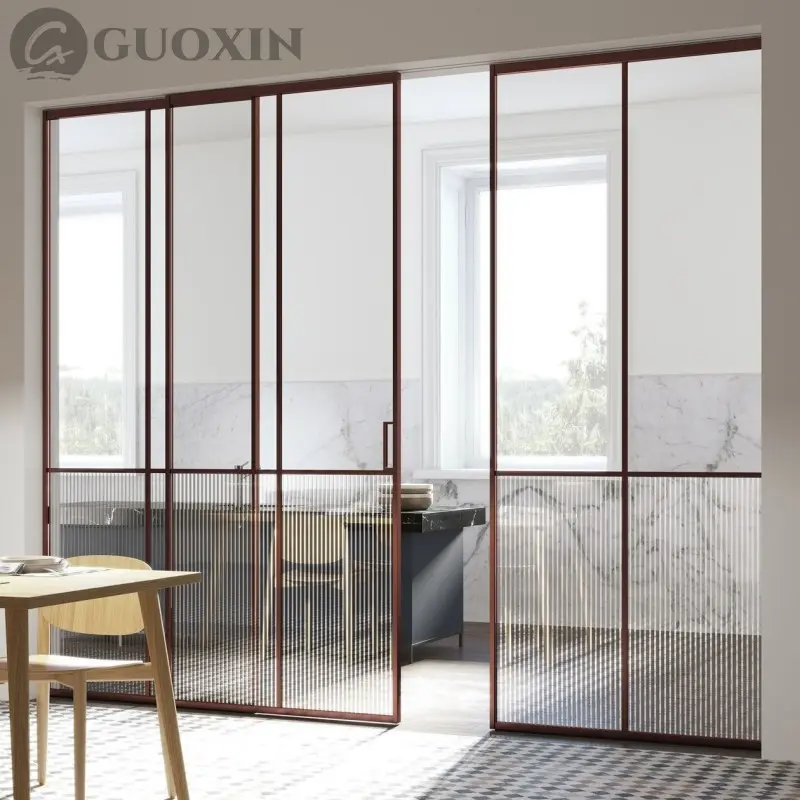
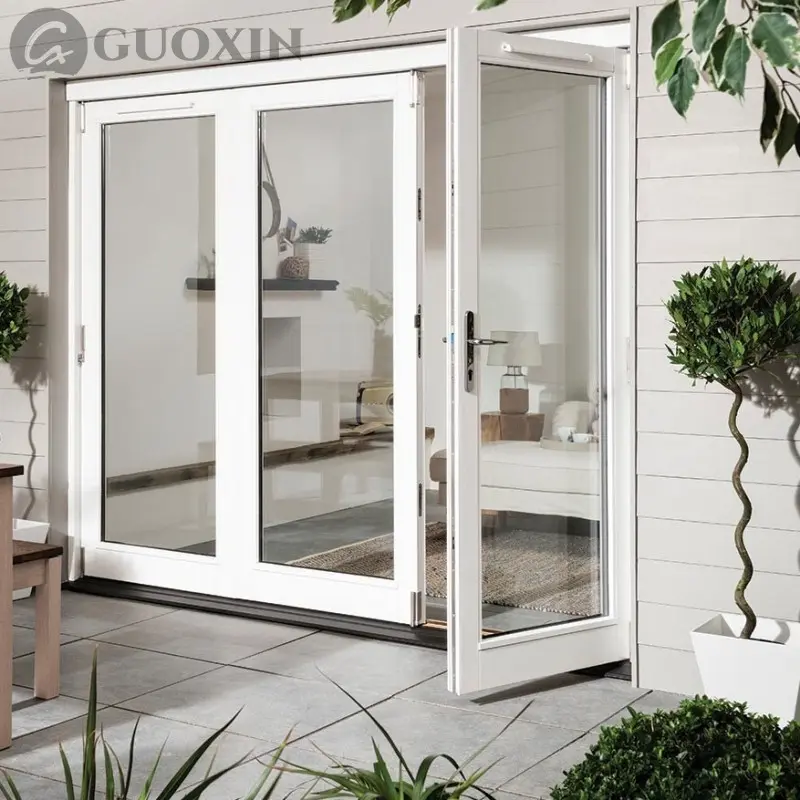
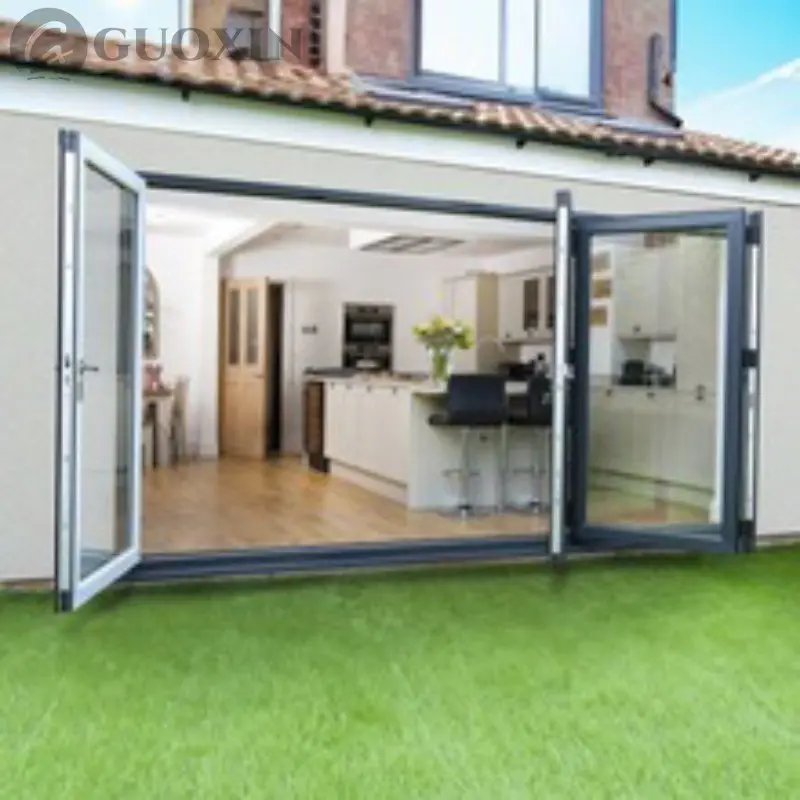
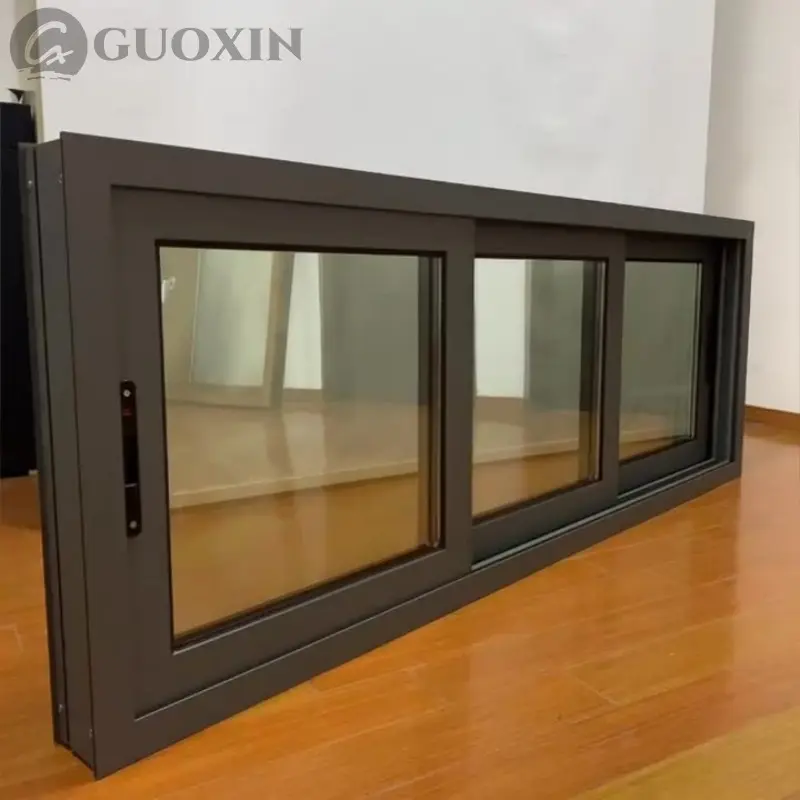
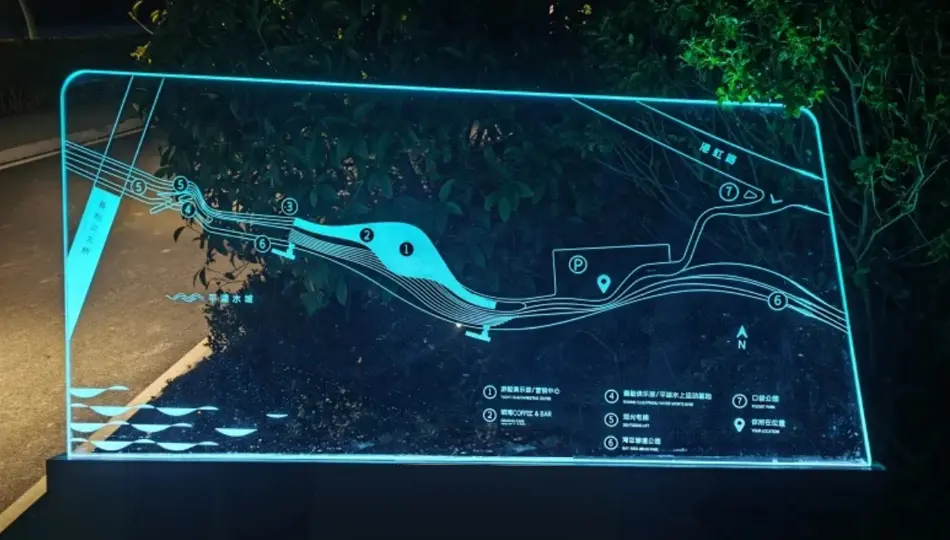
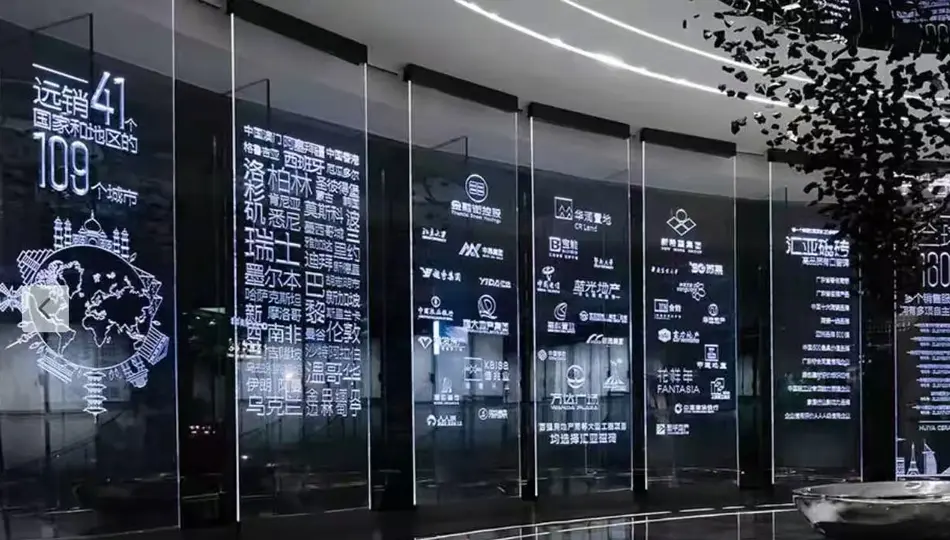

Quality First, Customer First, and Credit-Based. Our production capacity, advanced quality control labs, and deep manufacturing heritage make us a dependable partner for large-scale architectural projects in Central Asia.
Request a Factory Video Tour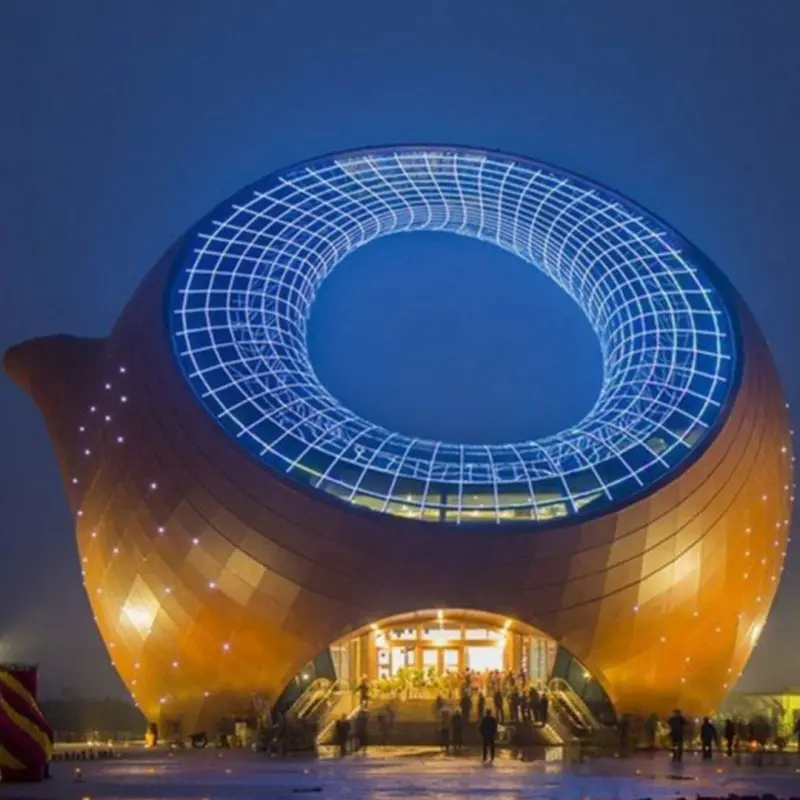
Certified as the largest purple clay pot shaped building. Completed with curved and custom-shaped double glazing, optimizing solar control and aesthetics.
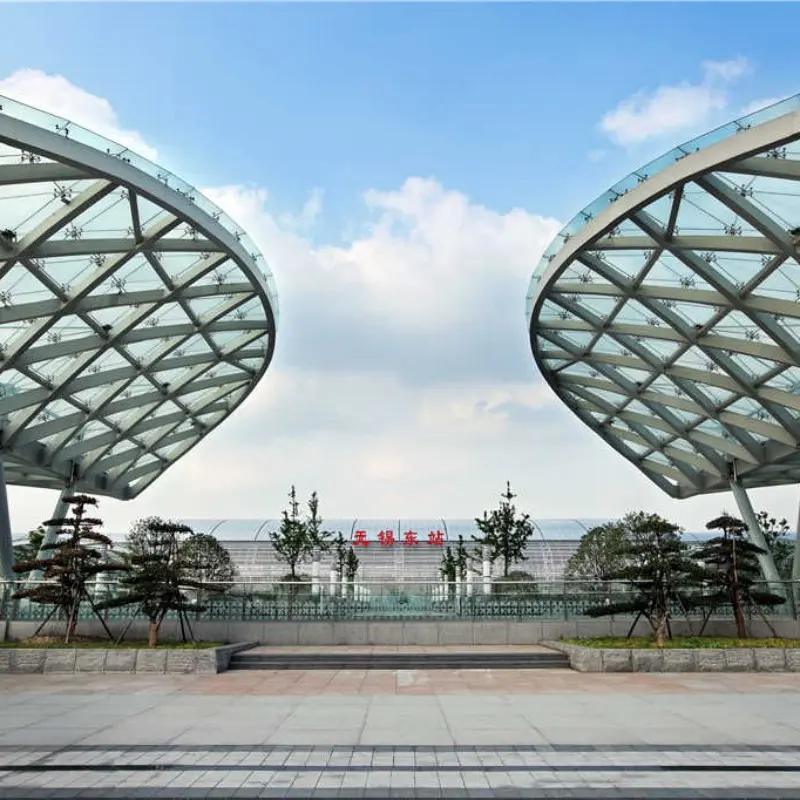
Modern transit hub using thousands of laminated safety glass sheets to resist structural loads and maximize passenger safety.

Standing at 450 meters tall, this skyscraper utilizes our premium low-emissivity insulated glass units for its expansive curtain wall facade.
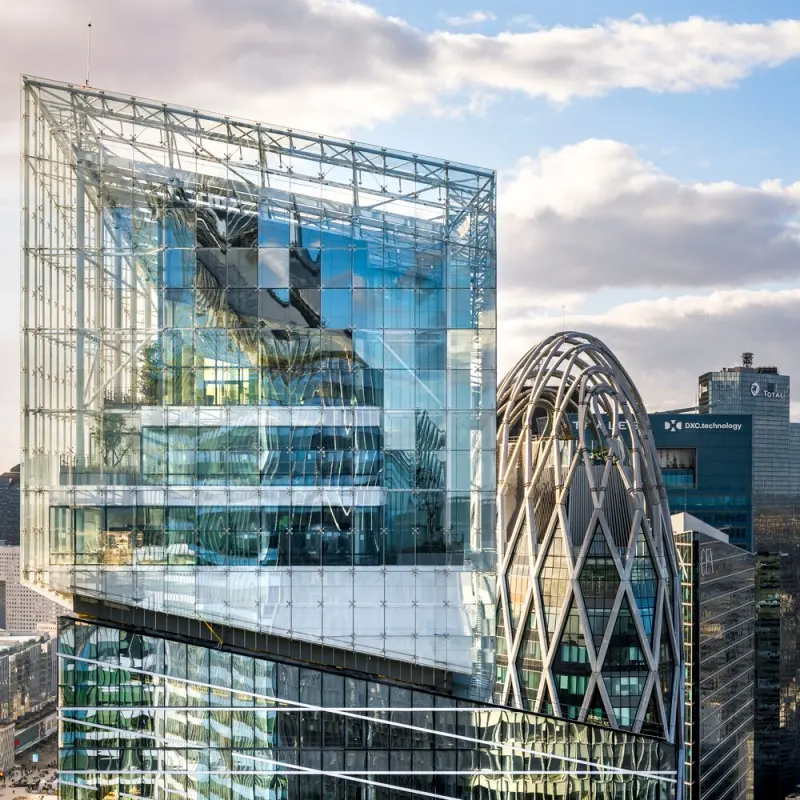
Designed with triple-insulated solar control glass systems, integrating predictive daylight algorithms for energy-saving facades.
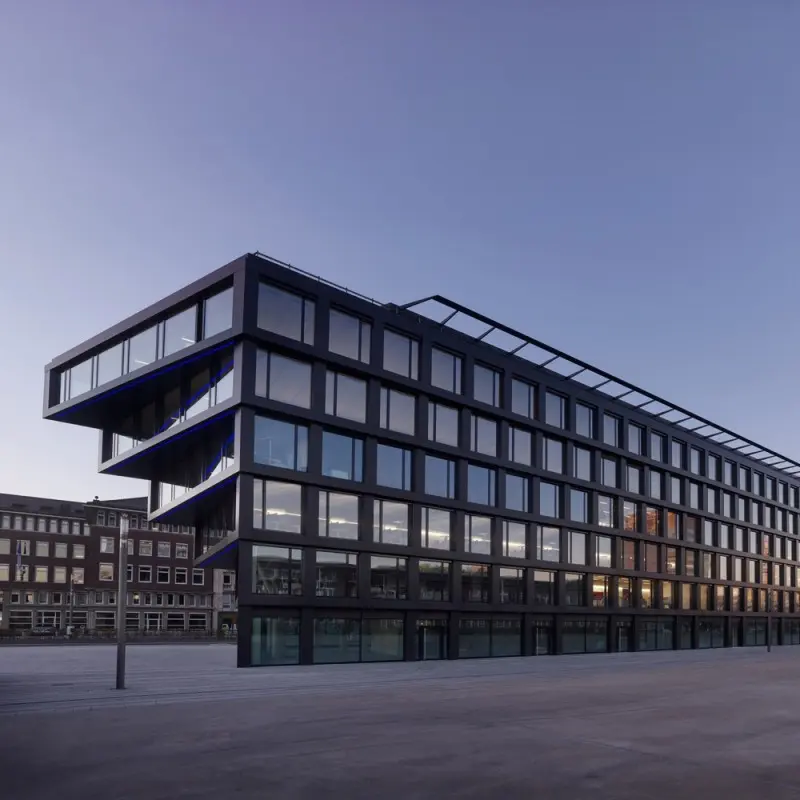
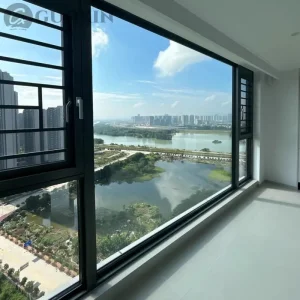
Features structural double-glazed units providing high sound insulation and low thermal transmittance for severe climates.
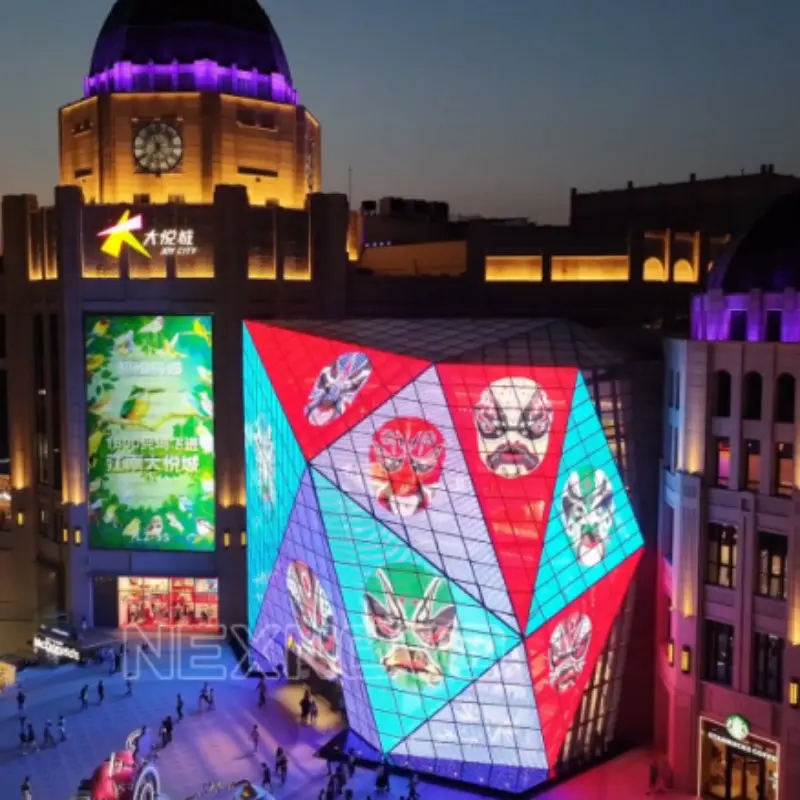
A flagship retail landmark utilizing custom smart glass to dynamic facade elements, optimizing indoor thermal comfort.
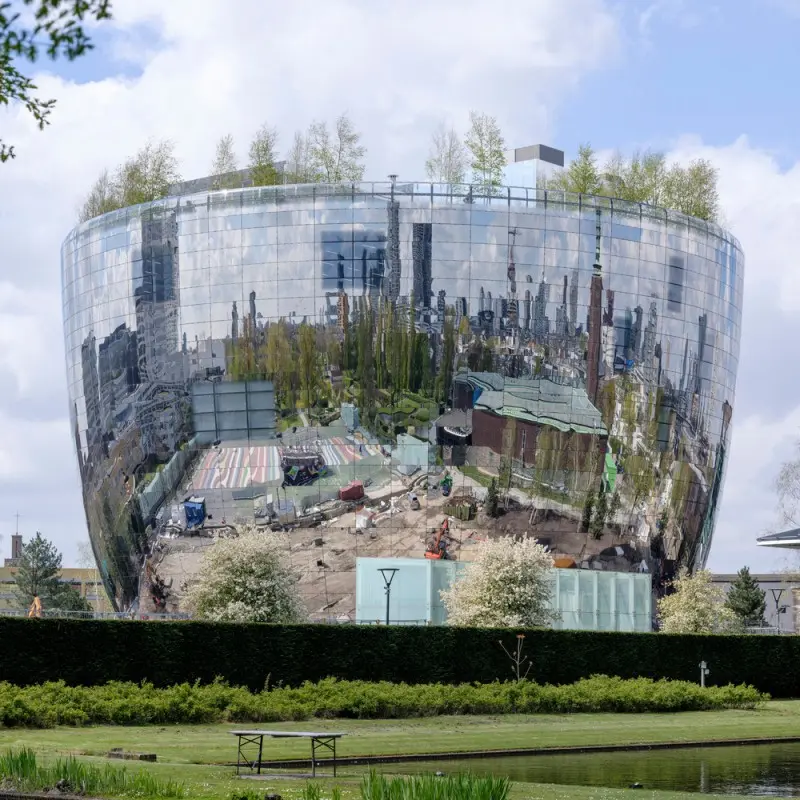
Utilizes large spherical curved reflective glass panels to integrate the structure into the surrounding urban environment.
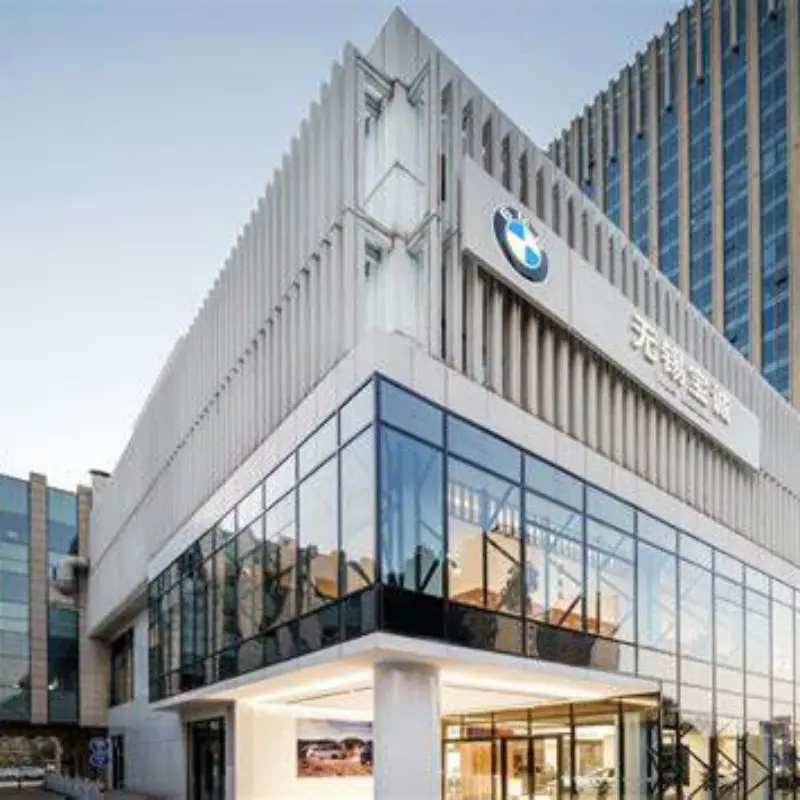
Showcases ultra-clear structural glass walls, maximizing interior natural light while maintaining high solar control.
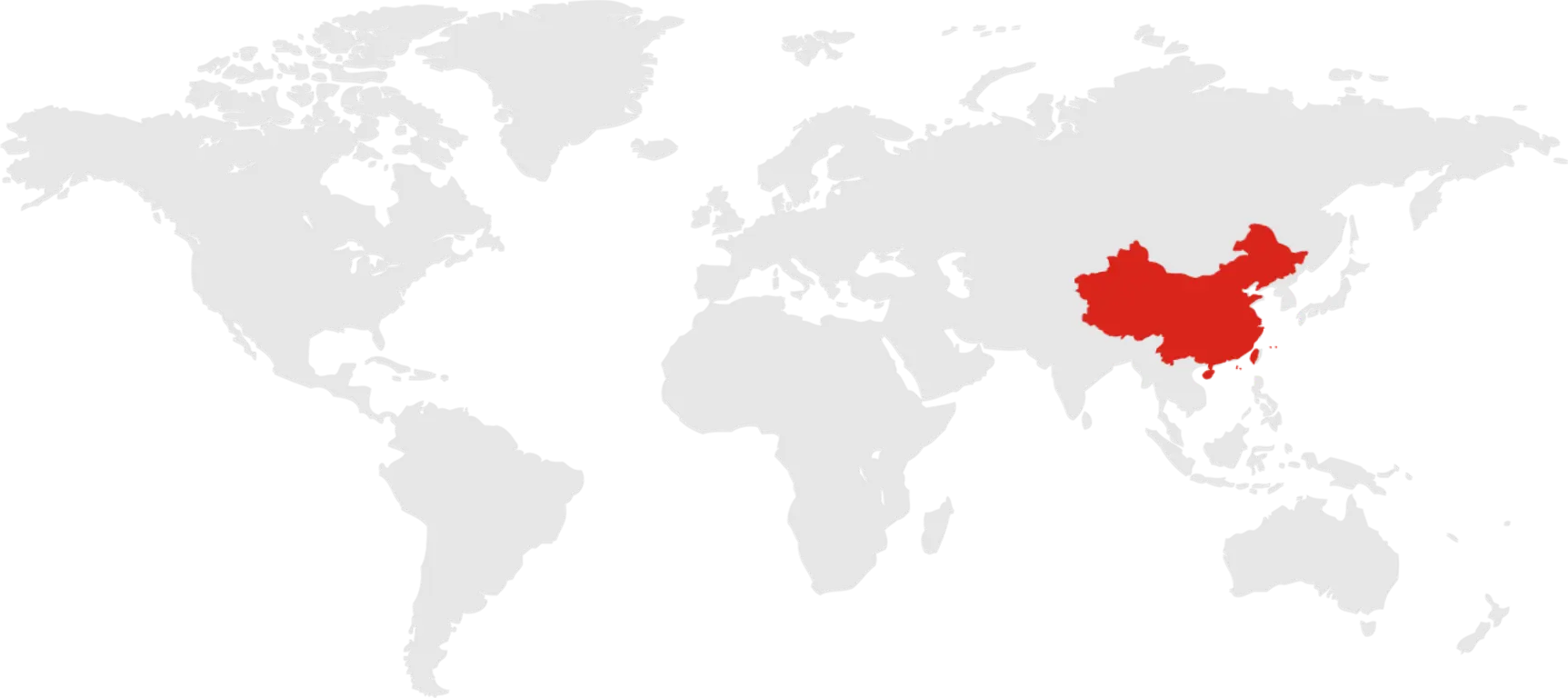
Guoxin Glass has established export distribution paths across Europe, North America, Oceania, and the Commonwealth of Independent States (CIS), ensuring delivery of premium glass products.
Our quality management systems meet global auditing standards. We maintain strict manufacturing tracking from raw glass procurement to final unit sealing and container loading.
The company is certified under ISO 9001:2015. Additionally, our product formulations undergo independent laboratory testing to verify sound attenuation, solar factor resistance, and U-value parameters.
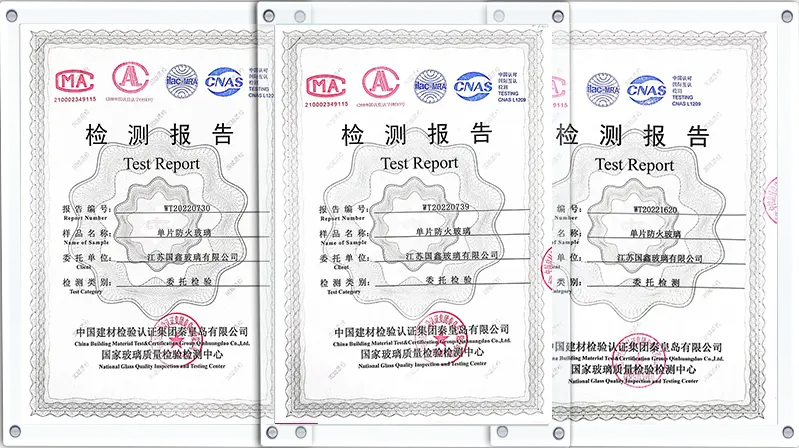
Verifying our glass manufacturing, quality management, and export services.
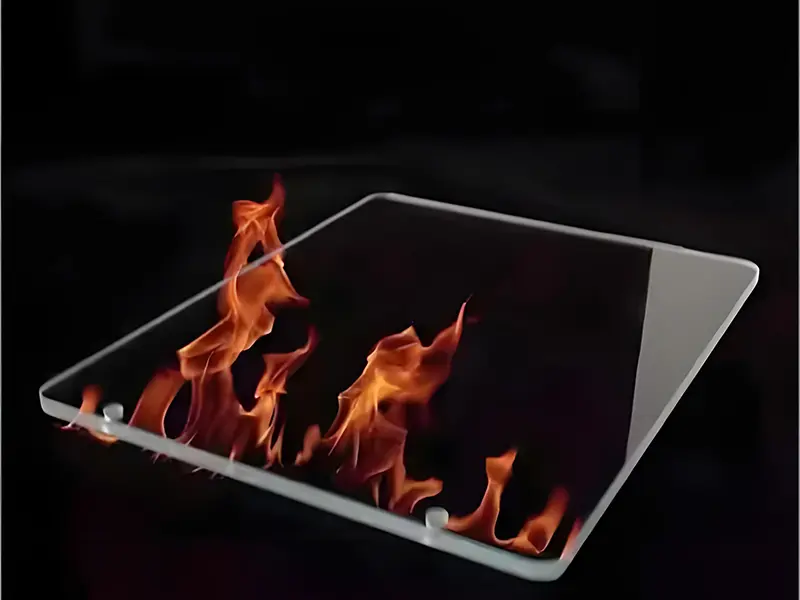
We detail the chemical and thermal distinctions between fireproof glass, fireproof coated barriers, and standard monolithic float glass systems.
Read Article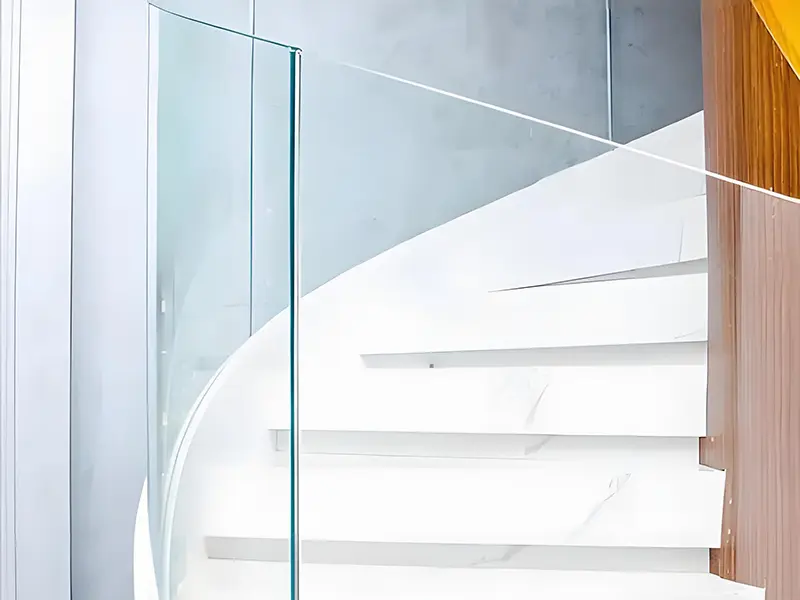
An in-depth look at structural laminated glass systems, exploring how PVB and SGP interlayers resist impact energy and retain structural integrity.
Read Article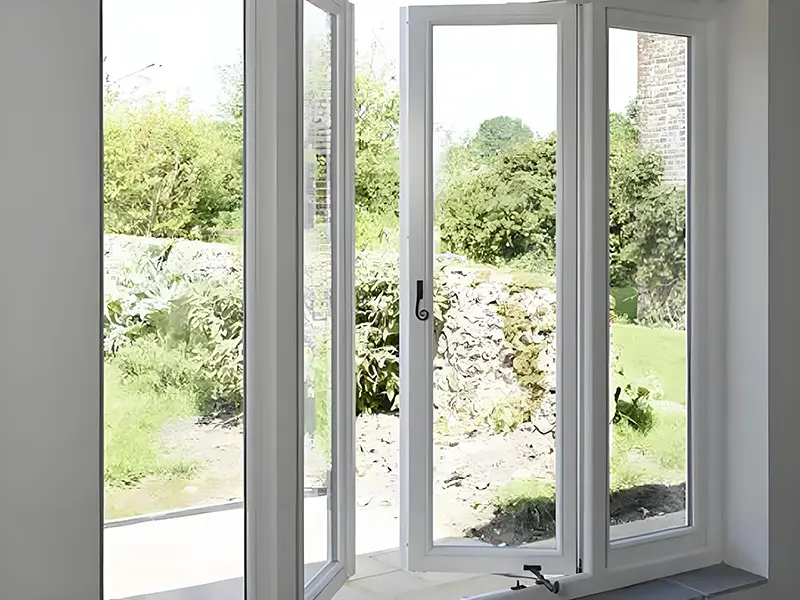
Analyzing thermal performance, service life, and structural load-bearing capacity of thermal break aluminium casement window frames.
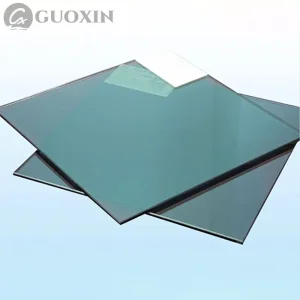
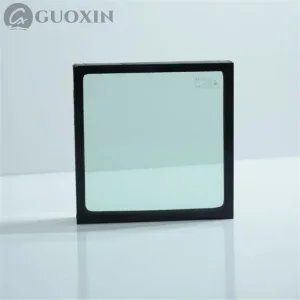
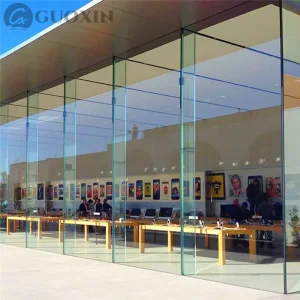
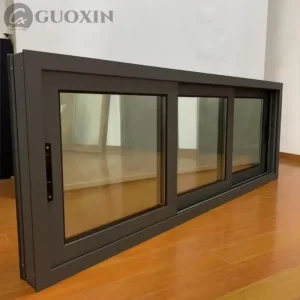
Read ArticleOur comprehensive export inventory of architectural glass configurations, window profiles, and security glass systems.
 Guoxin