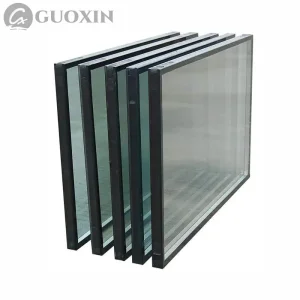
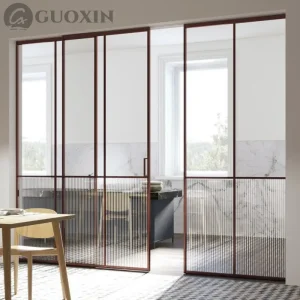
Abstract: Chittagong (Chattogram), as the principal maritime gateway and major industrial hub of Bangladesh, presents a uniquely challenging environment for structural architectural materials. Characterized by high humidity, elevated wind pressure from seasonal cyclonic storms off the Bay of Bengal, aggressive marine salt spray, and intense solar radiation, building envelopes in Chittagong must transition from conventional monolithic structures to advanced, double or triple-sealed Insulated Glass Units (IGUs). This whitepaper explores the physical, chemical, and engineering requirements of modern glazing solutions optimized for the Chittagong commercial skyline, Agrabad commercial zones, and CEPZ (Chittagong Export Processing Zone) industrial developments.
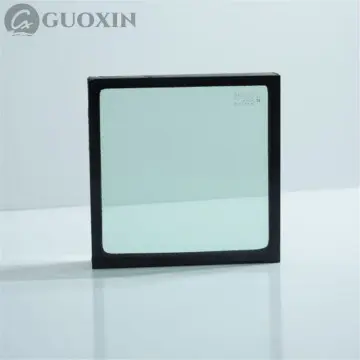
Glazing units deployed in Chittagong face high ambient temperatures combined with extreme humidity, resulting in significant vapor pressure gradients between conditioned building interiors and the external environment. Standard single-pane window configurations suffer from massive solar heat gain (SHGC > 0.8) and structural deflection under high wind loads. By incorporating double-glazed insulated glass featuring Low-E (low-emissivity) coatings, structural engineers can lower the U-value down to 1.1 W/m²K, minimizing heat transfer and dramatically reducing HVAC energy consumption.
In accordance with the Bangladesh National Building Code (BNBC), architectural projects along the coastal zones must withstand wind speeds reaching up to 250 km/h. To calculate the dynamic wind pressure on a typical curtain wall unit in Patenga or Halishahar, engineers must factor in glass thickness, spacer width, and sealant tensile modulus. Utilizing heat-strengthened or fully tempered laminated safety glass in the outer pane of an insulated assembly provides the necessary resistance against wind load and impact from airborne debris during tropical cyclones.
A primary failure mode of lower-tier insulated glass units in coastal Bangladesh is seal failure, which allows atmospheric moisture to penetrate the spacer cavity. Once the inner desiccant (molecular sieve) becomes saturated, condensation forms on the internal glass surfaces, permanently obscuring vision and destroying the unit's thermal insulation performance. To combat this, high-performance manufacturing lines utilize dual-seal barriers: Polyisobutylene (PIB) as the primary vapor seal and a secondary structural sealant (typically structural silicone or polyurethane) to secure the assembly against physical stress.
Jiangsu Guoxin Glass Co., Ltd. was founded in 2006 and has since grown into a leading enterprise in the glass industry, with a stable and successful track record spanning two decades. Our company has accumulated a wealth of experience in the research and development, production, and marketing of aluminum windows, fireproof glass, laminated glass, and insulated glass. This expertise has allowed us to innovate and produce high-quality products that meet the diverse needs of our global customers, now specifically optimizing logistics and engineering support for the rapidly growing Chittagong commercial sectors.
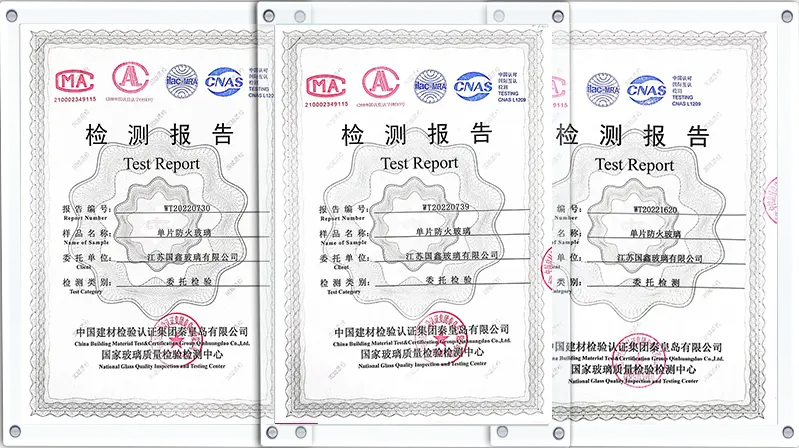

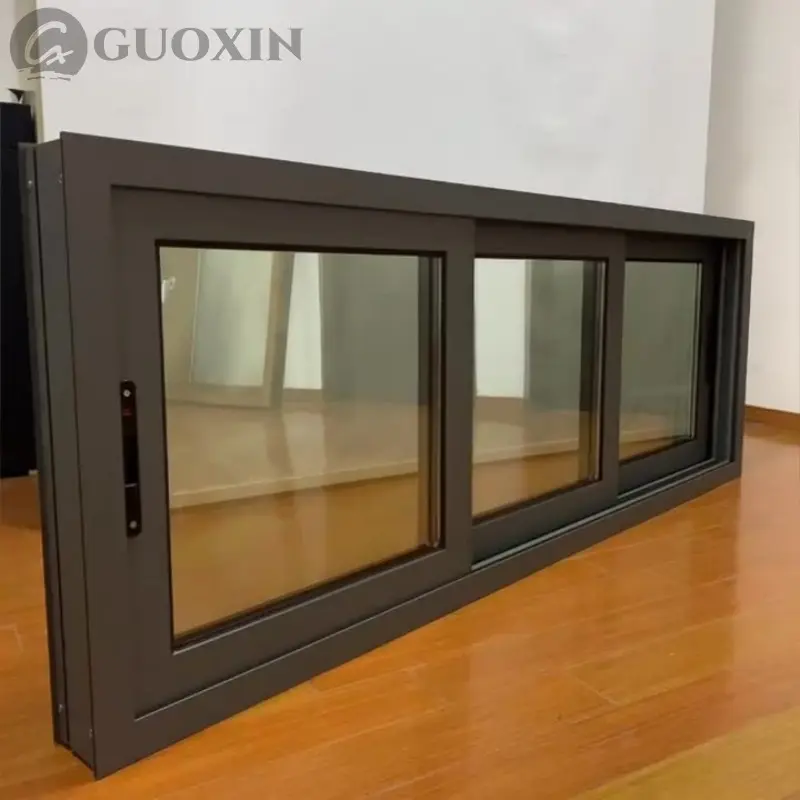
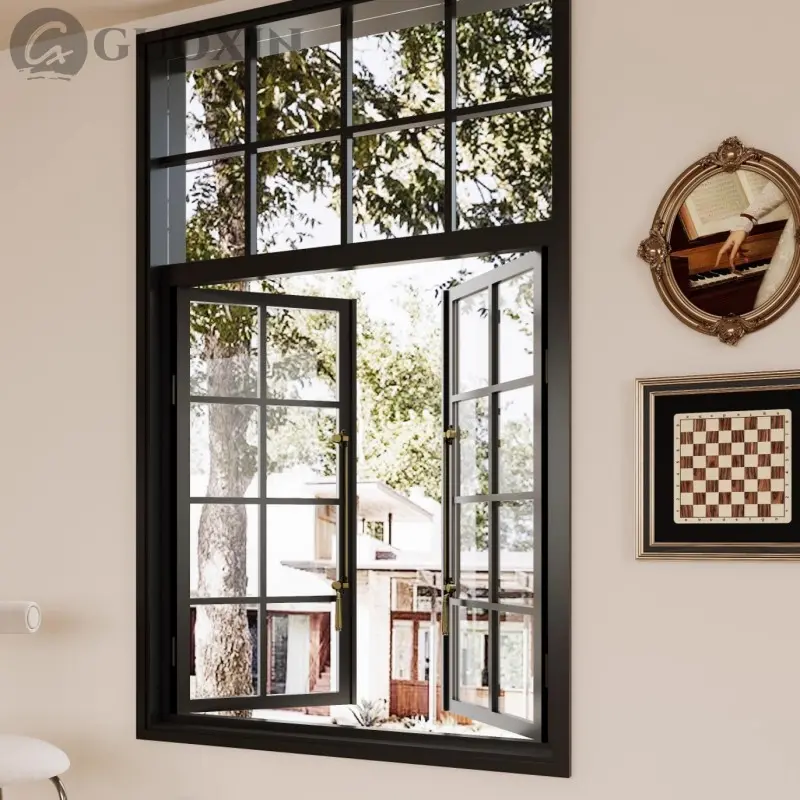
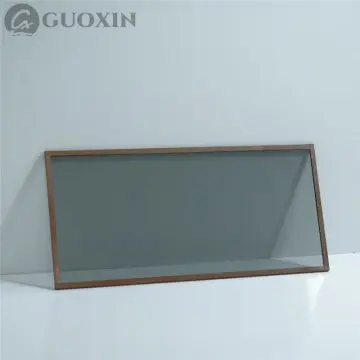
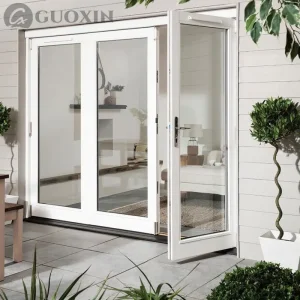
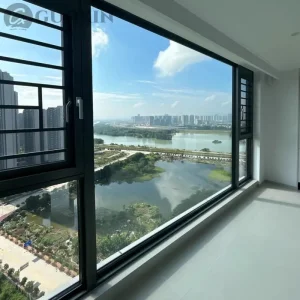
Thermally broken frame solutions matched with double glazed windows for optimal heat deflection.
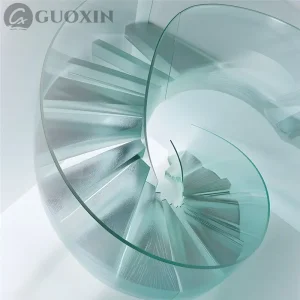
High-performance protective glass barrier meeting stringent international safety and emergency exit codes.
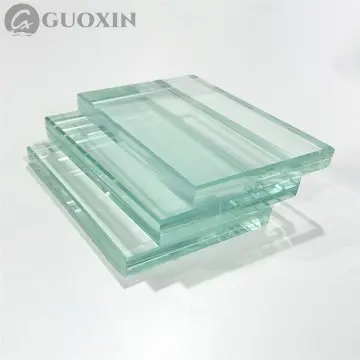
Multi-layer polymeric interlayers engineered for impact resistance and structural shatter protection.
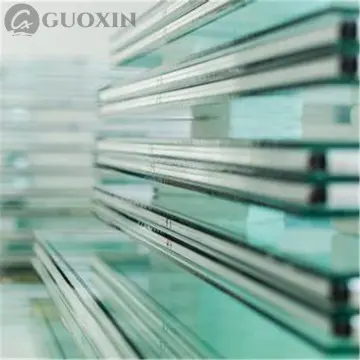
Double and triple chamber configurations filled with inert gas for advanced thermal optimization.
Multi-ply security laminates engineered to absorb concentrated physical impacts and ballistic threats.
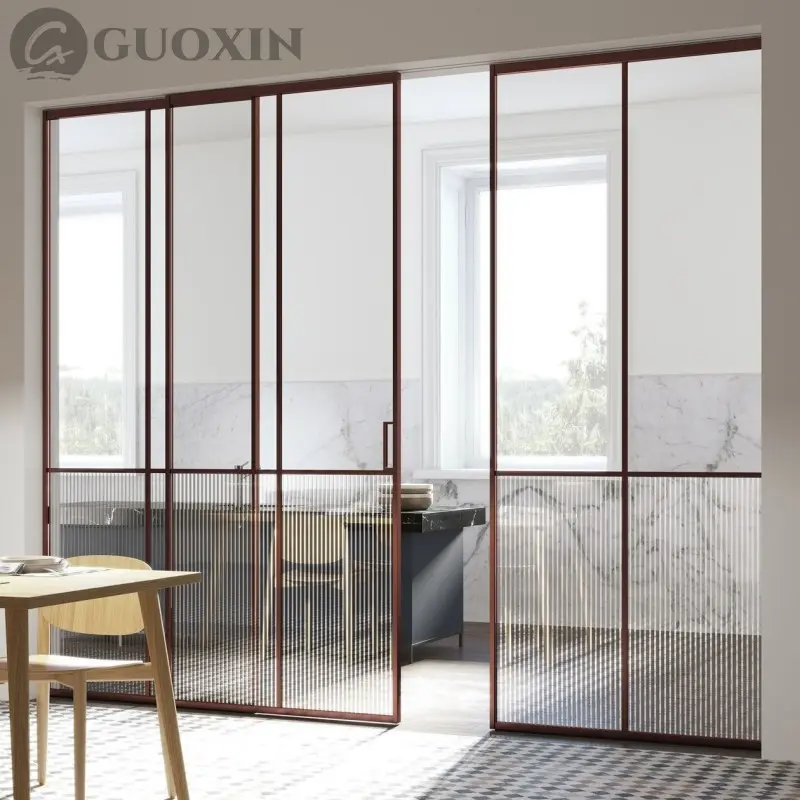
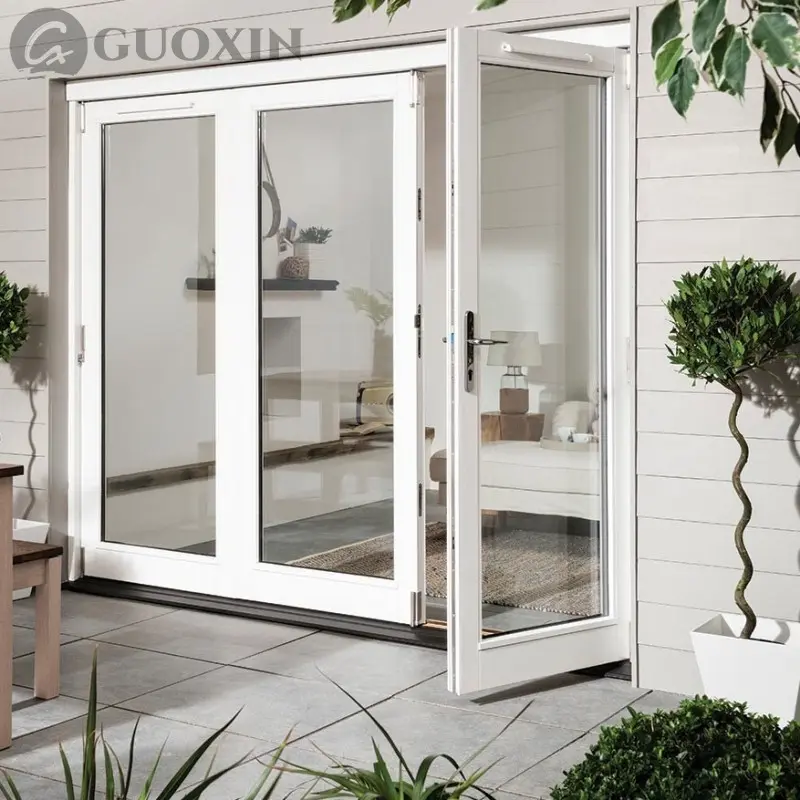
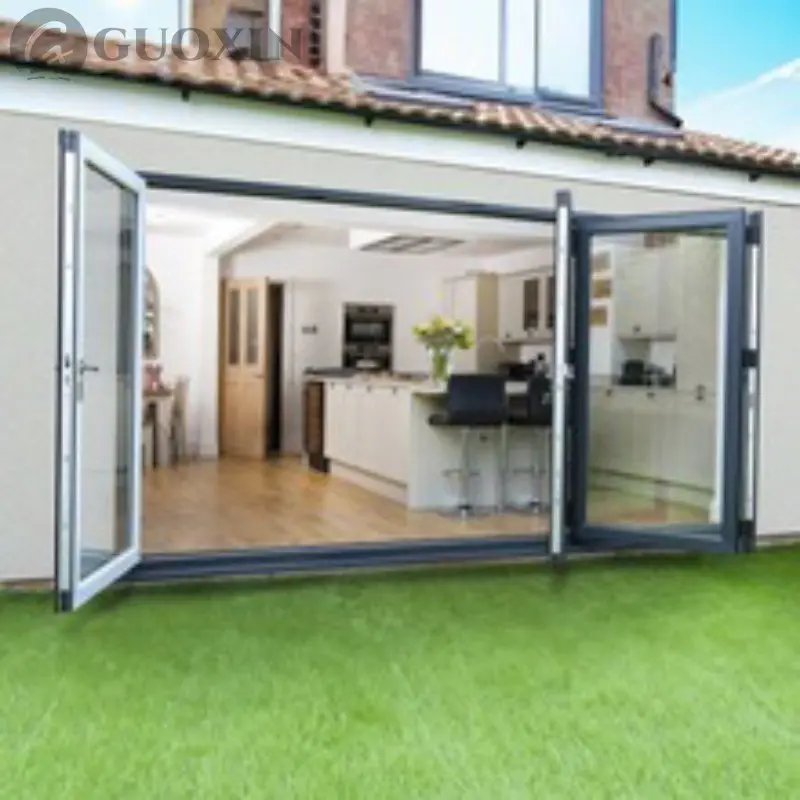


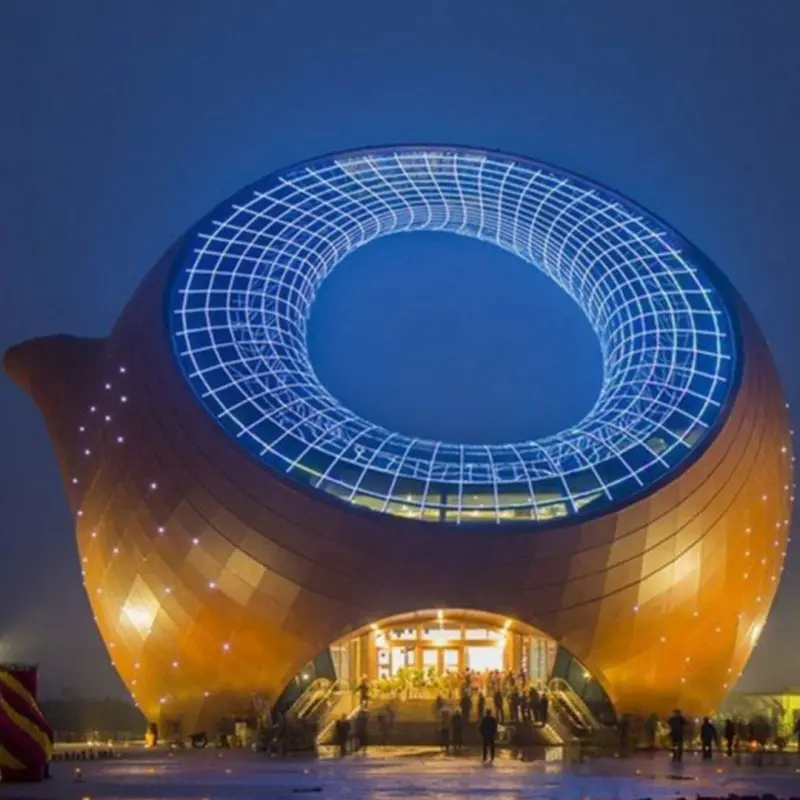
Certified as the world's largest purple clay pot shaped structure. Utilizes double curved custom glazed pieces fitted on custom spatial frames with high structural tolerances.
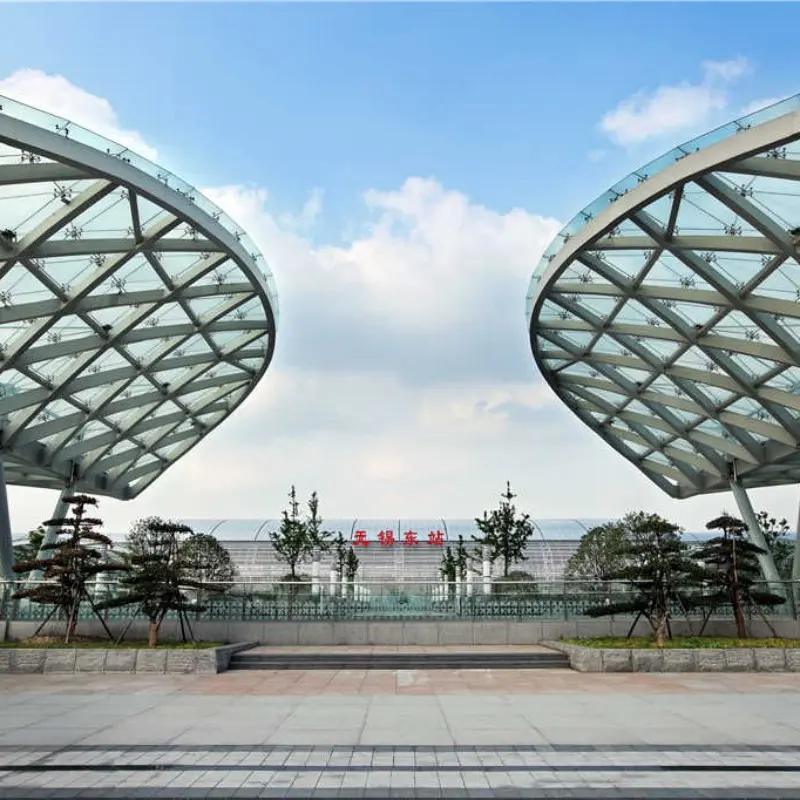
Over 18,000 sqm of heavy-duty safety laminated glass engineered for structural vibration and heavy pedestrian traffic load conditions.

450-meter skyscraper clad in our energy-efficient double-glazed insulated units, achieving extreme wind deflection ratios and thermal efficiency.
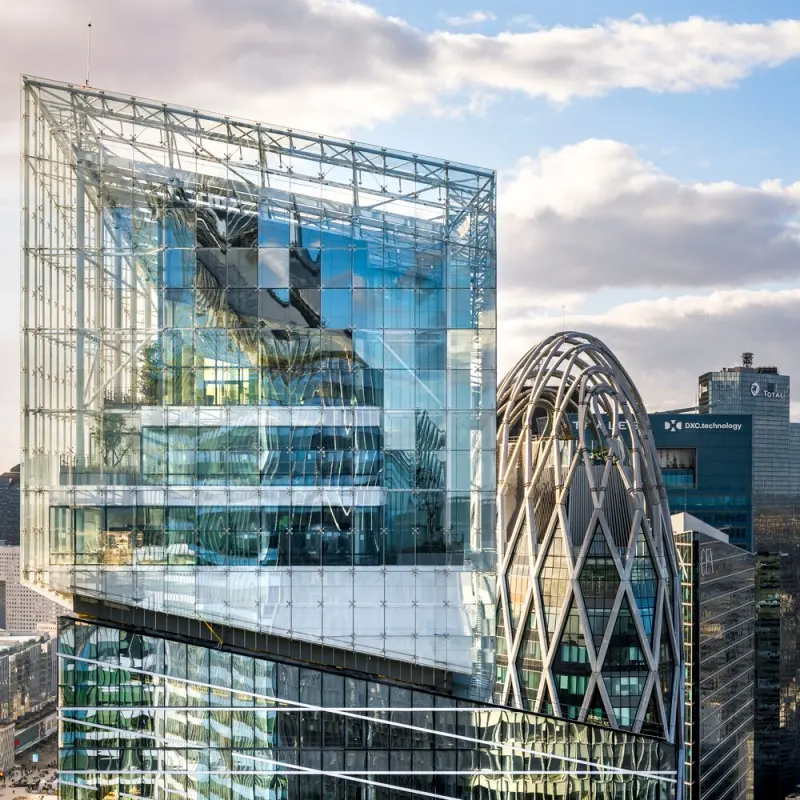
Designed with triple-insulated solar control glass and high energy recovery facade components, minimizing dependency on artificial environmental cooling.
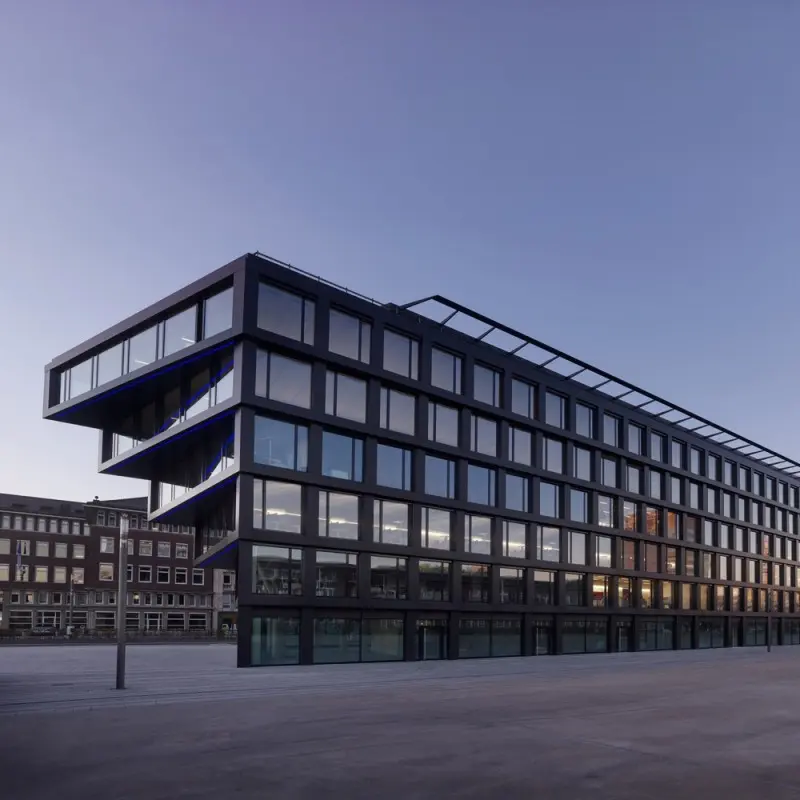
Integrating advanced daylighting predictive algorithms using smart structural glazing to reduce overall active electrical lighting requirements.
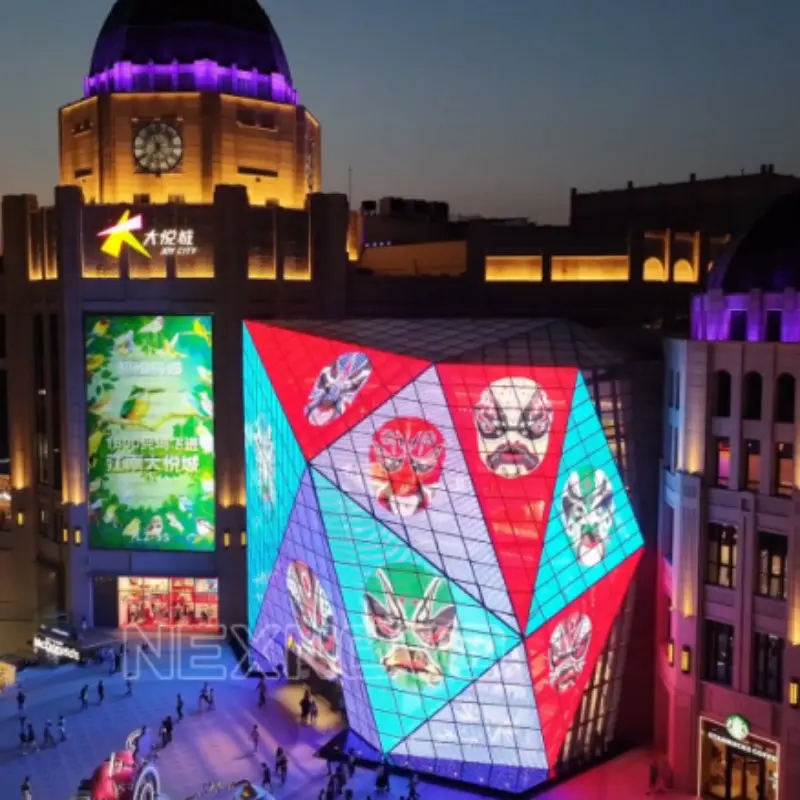
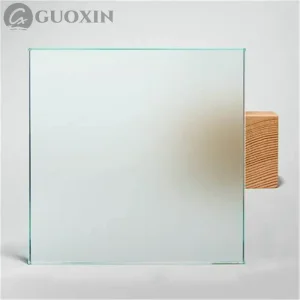
A flagship retail landmark utilizing custom low-iron structural glass to maximize transparency while preserving absolute solar energy deflection parameters.
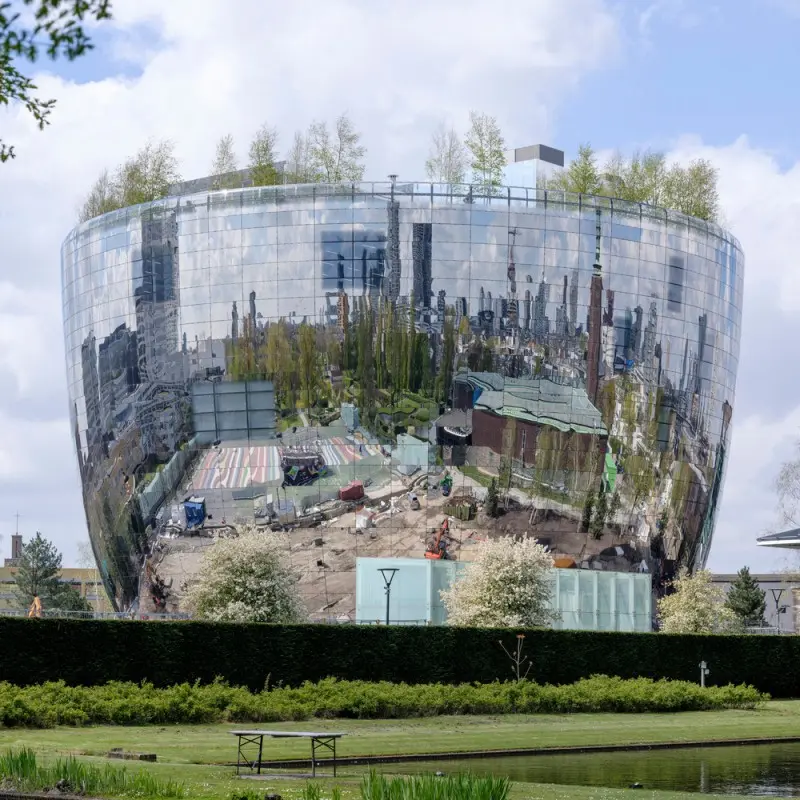
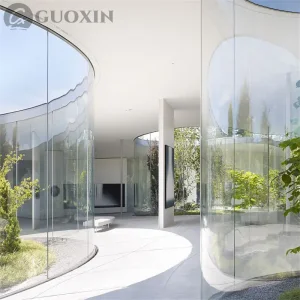
15,000 sqm reflective glass facade seamlessly integrating the structural block into its surrounding park and historic landscape.
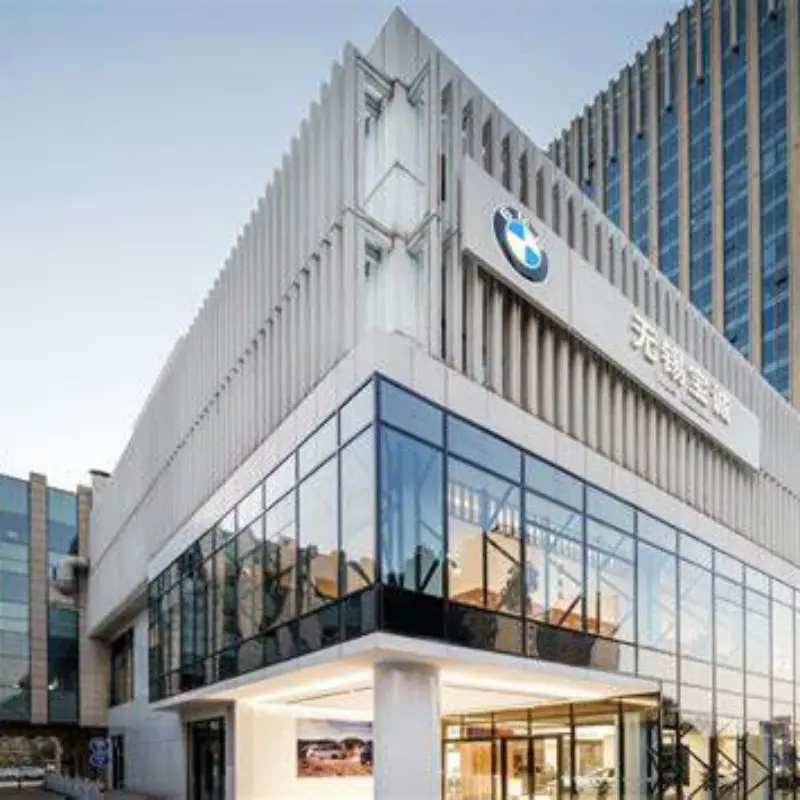
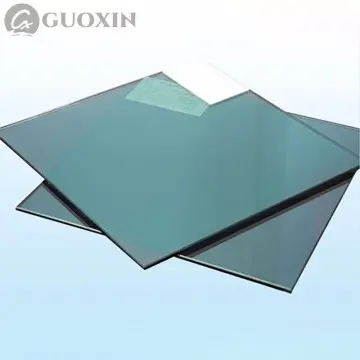
Large format floor-to-ceiling reflective glass units showcasing internal retail environments while meeting strict local thermal standards.
Our processing facility utilizes world-class CNC processing centers, automated glass grinding lines, and continuous tempering furnaces. We maintain absolute compliance with European, North American, and Asian structural glazing specifications, delivering robust glass units engineered to resist high wind shear, seismic displacement, and severe temperature fluctuations.
Our glass systems meet all key criteria for structural load-bearing capacity, acoustic dampening, and solar heat gain performance. We ensure direct maritime shipping routes from our primary loading docks to Chittagong Port (Chattogram Port Authority), minimizing transit times and mitigating risk of transport condensation or damage through high-specification, seaworthy wooden crate packaging.


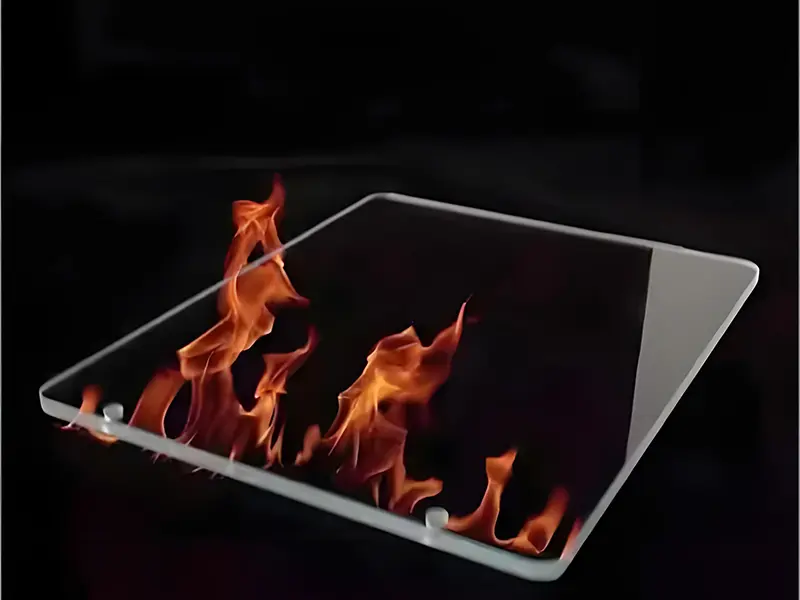
Understand the critical material composition differences, performance metrics, and safety rules between fire-resistant assemblies and basic tempered panels.
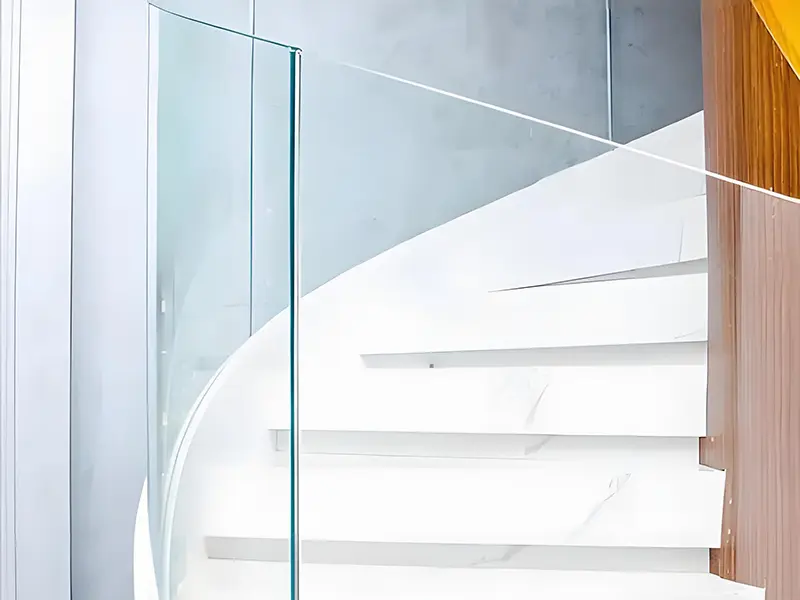
A comprehensive review of how PVB/SGP interlayers retain structural glass shards under impact, safeguarding occupants in multi-story high-rises.
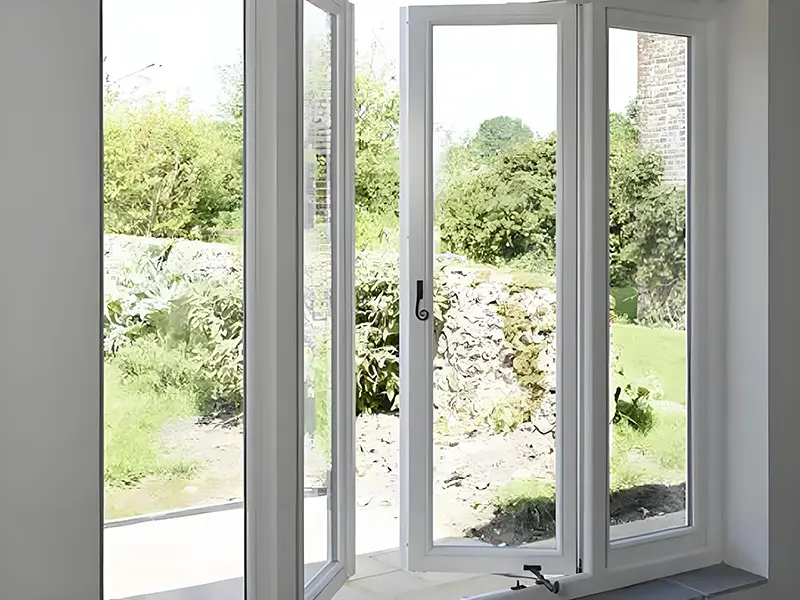
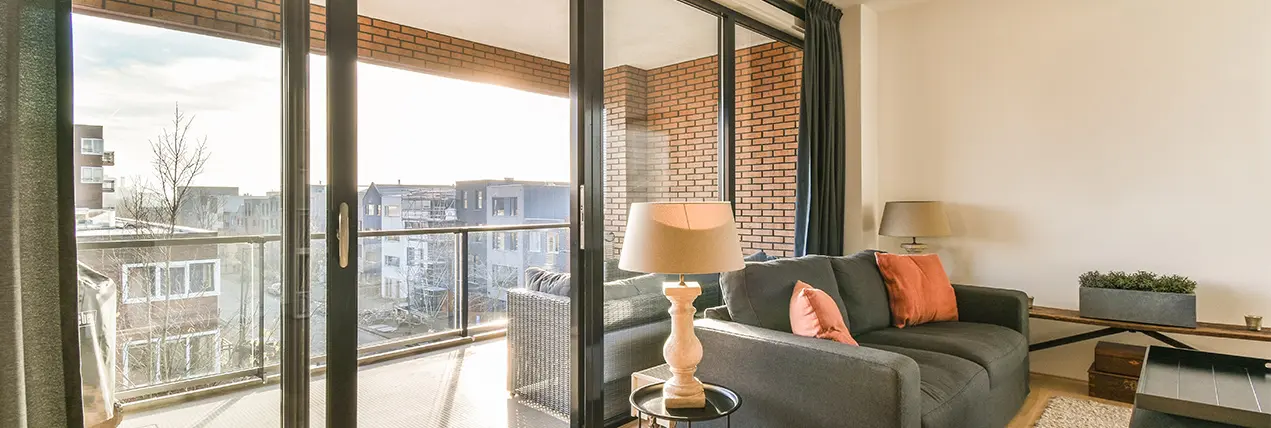
An engineering comparison analyzing the thermal performance, durability, and cost-benefit ratio of broken bridge aluminum window frames.
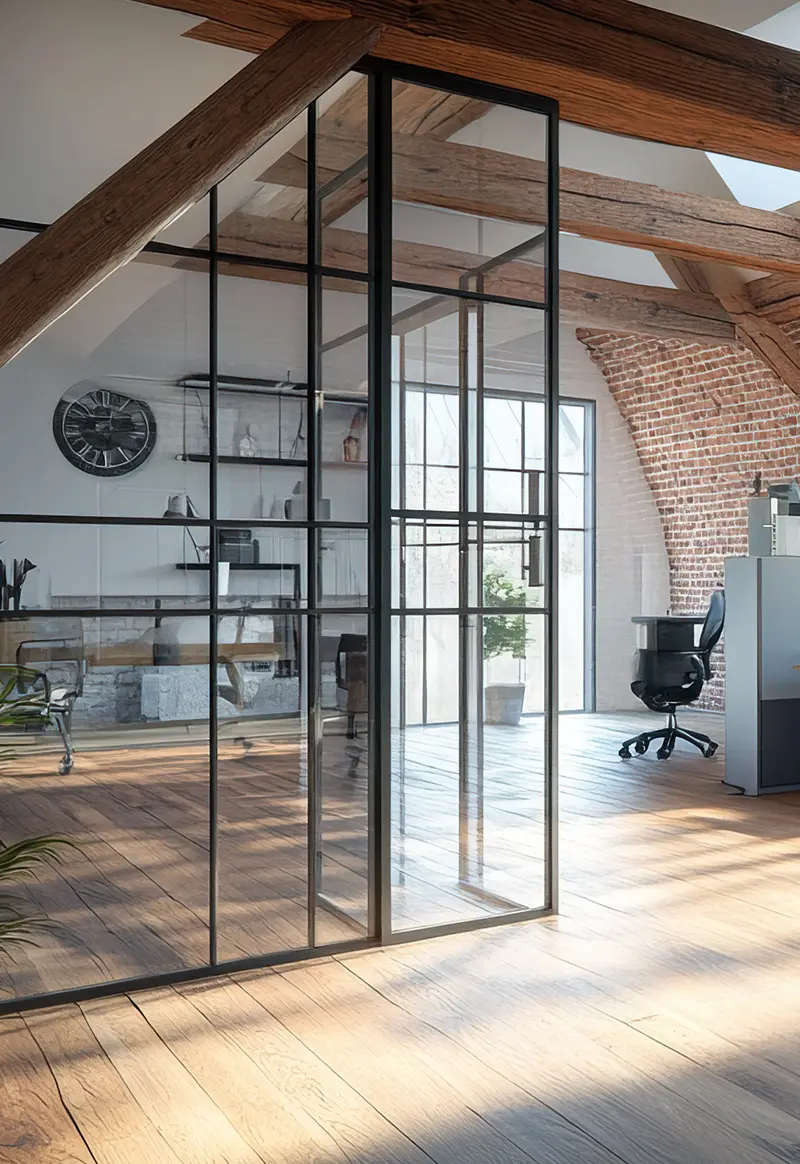
How to accurately calculate required glass thicknesses for wide floor-to-ceiling windows to resist coastal wind shear and local atmospheric pressures.
Chittagong experiences high tropical temperatures and marine air. Monolithic glass allows intense solar heat gain (high SHGC), overloading HVAC systems. Double-glazed IGUs trap dry air or argon between two panes, lowering the overall U-value and stopping external thermal energy from warming up the interior space, reducing energy expenses by up to 35%.
We apply a strict dual-seal system. The primary seal is Polyisobutylene (PIB), which offers the best barrier against water vapor. The secondary seal is high-durability structural silicone that protects against UV rays and mechanical forces. The aluminum or warm-edge spacer is fully packed with a 3A molecular sieve desiccant to absorb any moisture trapped during fabrication.
Our custom glass assemblies are engineered to withstand pressures up to 5.0 kPa, matching the requirements of BNBC guidelines for Chittagong's coastal regions. We use fully tempered or SGP laminated safety glass to prevent breakage from cyclic wind pressure and flying debris impact.
Yes, we provide full OEM and ODM customization services. Architects can define precise glass thicknesses (ranging from 4mm to 19mm per pane), spacer widths (6mm to 20mm), and select from clear, low-iron, tinted, reflective, or low-E glass options to fit their building design.
We offer comprehensive cargo handling, using solid, export-grade A-frame wooden crates containing anti-fungal desiccant sheets. We manage the freight process directly to Chittagong Port and supply complete import documentation (Bill of Lading, CO, Packing Lists) to ensure smooth customs clearance.
Connect with our structural design department for calculation sheets, customized price estimates, and export logistics planning direct to your site.
Send Inquiry Now Guoxin