Engineered to align with the thermal guidelines of NCC 2022 Section J requirements across Australia.
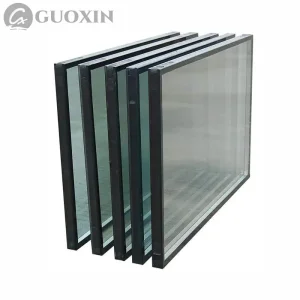
Bespoke double/triple glazed systems utilizing structural silicon sealing and argon-filled cavities.
Get Technical Data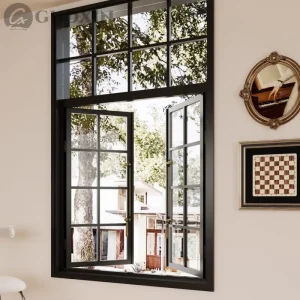
Corrosion-resistant aluminium profiles with high-grade multi-point locking mechanisms.
Request Quote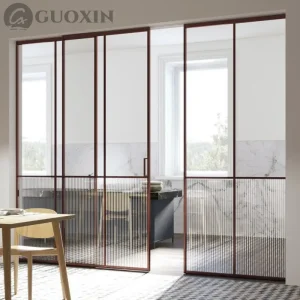
Heavy-duty framing designed for high wind load ratings, supporting panoramic glass panes.
Configure Profile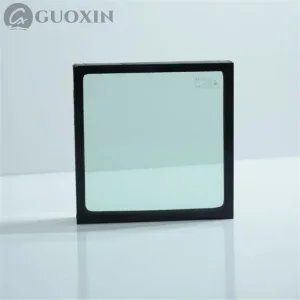
Tested fire protective glass providing high thermal insulation barriers up to BAL-FZ standards.
View CertificatesAustralia’s diverse climates—ranging from the alpine sub-zeros of Tasmania to the tropical storms of northern Queensland—demand highly specialized glazing systems. In recent years, the **National Construction Code (NCC) 2022** updates have dramatically elevated the thermal baseline for new residential and commercial structures. Developers can no longer rely on single-pane window solutions; instead, the market has pivoted rapidly toward high-performance **Insulated Glass Units (IGUs)**.
As standard regulatory frameworks like **AS/NZS 4666 (Insulating Glass Units - Installation & System performance)** and **AS 1288 (Glass in Buildings - Selection and installation)** tighten their compliance checks, architects and builders are looking towards factories that can supply custom-sized, highly calibrated IGUs directly to job sites in Brisbane, Sydney, Melbourne, Adelaide, and Perth.
The revised Section J outlines stringent rules regarding maximum aggregate U-values and Solar Heat Gain Coefficients (SHGC). Modern commercial buildings now require facade systems that mitigate the urban heat island effect while minimizing active mechanical heating and cooling.
Guoxin Glass steps into this dynamic market as a highly optimized supplier. Backed by extensive fabrication capabilities, we supply high-performance insulated glass units engineered to match the localized demands of wind zones (AS 4055) and solar mitigation criteria across all Australian territories.
To deliver real **Information Gain** to procurement teams, here is the technical breakdown of our thermal barrier structures. By utilizing premium Low-E coatings, argon gas fills, and warm-edge spacer technology, we are able to lower U-values to optimal levels:
| Glazing Profile Configuration | Spacer Width & Filling | U-Value (W/m²·K) | Solar Heat Gain (SHGC) | Acoustic Reduction (Rw dB) |
|---|---|---|---|---|
| 6mm Low-E Clear + 12mm Argon + 6mm Clear | 12mm Warm Edge (Argon 90%) | 1.6 - 1.8 | 0.38 - 0.45 | 36 dB |
| 6mm Low-E Clear + 12Ar + 6.38mm Laminated Clear | 12mm Warm Edge (Argon 90%) | 1.5 - 1.7 | 0.35 - 0.40 | 41 dB |
| 8mm Solar Control + 16Ar + 8.76mm Laminated Low-E | 16mm TPS Spacer (Argon 95%) | 1.2 - 1.4 | 0.22 - 0.28 | 44 dB (Highly Acoustic) |
| 6mm Low-E + 12Ar + 6mm + 12Ar + 6mm (Triple IGU) | Dual 12mm Spacers (Argon 90%) | 0.9 - 1.1 | 0.28 - 0.35 | 46 dB |
*Note: Custom specifications can be custom-tailored to suit specific wind-load calculations in accordance with AS 1170.2 (Structural Design Actions - Wind Actions).*
Established in 2006, Jiangsu Guoxin Glass Co., Ltd. has developed into a premier force in the architectural glass industry. Our production facilities house multiple automated production lines featuring cutting-edge tempering furnaces and high-precision IGU assembly lines to deliver world-class products to Oceania and beyond.
Australia’s urban centers are densifying. High-rise apartment buildings in Sydney’s Mascot and Waterloo, and Melbourne's Southbank, are constantly exposed to traffic and transport noise. Dual-insulating systems utilizing different glass thicknesses (e.g., 6mm tempered pane + 12mm gas spacer + 8.76mm acoustic laminated pane) perform exceptionally well in dampening low-frequency noises, meeting the requirements of local municipal councils regarding acoustic attenuation.
Building facades represent a major source of energy consumption. By integrating double-glazed insulated units with low-emissivity (Low-E) coatings, architects can effectively mitigate solar gain during scorching Australian summers. Advanced solutions feature soft-coated Low-E glass that blocks infrared solar heat while allowing visible light to enter, minimizing reliance on interior artificial lighting systems.
The next frontier in thermal performance is Vacuum Insulated Glass (VIG). VIG elements replace the traditional gas-filled gap with a microscopic vacuum layer. This eliminates convective heat transfer, allowing single-unit profiles to achieve U-values under 0.60 W/m²·K—comparable to thick brick walls. Our engineering labs are currently developing lightweight, high-strength VIG solutions to meet future Net Zero emission goals in global markets.
Exhaustive range of architectural glass, safety screens, and high-performance windows.
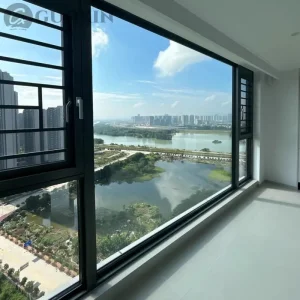
Sturdy non-opening frames ideal for high-rise viewing decks and modern office interiors.
Quote Bulk Order
Top-hinged outswing models offering maximum airflow and heavy weather sealant strips.
Select Colors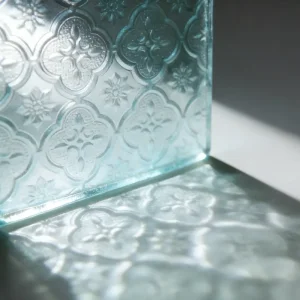
Beautifully textured patterns diffusing direct sunlight and creating interior privacy.
Browse Patterns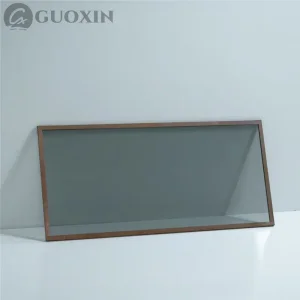
Lead-barium diagnostic viewing window units designed for safety and durability.
View Lead Equivalence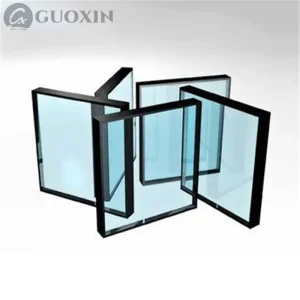
Advanced solar control double-glazing structures minimizing summer cooling costs.
Get Sample Pack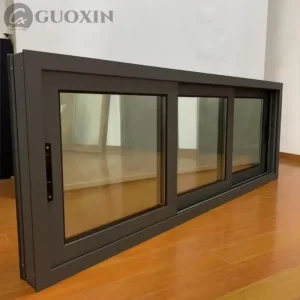
High-grade roller systems allowing silent, effortless horizontal sliding operations.
Request Custom Sizing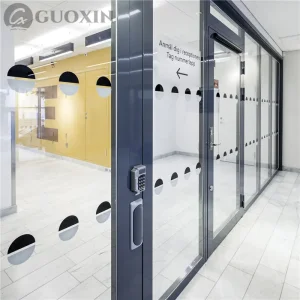
Multi-layer polycarbonate-interlayer security barriers built to withstand impact.
Security Certs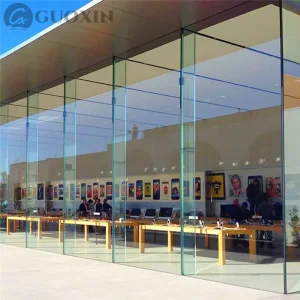
Custom tempering for massive spans of structural glazing without visual distortion.
Technical Blueprint
Structural framing offering tight air-barrier values for superior thermal isolation.
Get Quote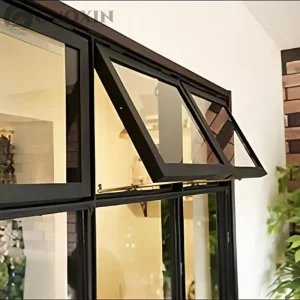
Bottom-hinged opening options allowing ventilation even during rainy days.
Order Details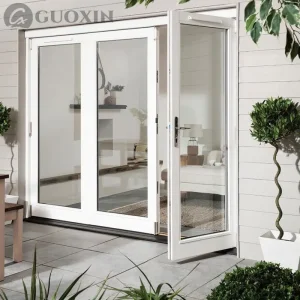
Secure weather seals with robust hinges suited for high-traffic doorways.
Explore Framing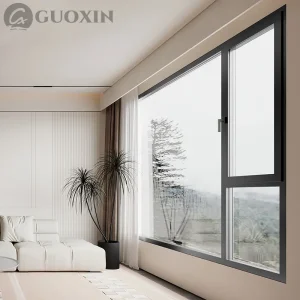
Specially engineered dual-pane structures targeted for acoustic mitigation near rails.
Inquire WholesaleImporting high-performance glass from overseas factories can present logistics, handling, and quality assurance challenges. At Guoxin Glass, we have optimized our supply-chain strategies to resolve these pain points:
All structural glass orders are packed in heavy-duty, fumigated timber frames with protective powder dividers to eliminate scratching and moisture buildup during long ocean transit windows to Australian ports.
Crates are designed for direct structural forklift access or crane lifts on complex construction sites. We provide layout schemas for easy unloading, avoiding damage at local warehouses.
Every production run undergoes thermal cycling, seal integrity checks, and point-load strength testing. Material test certificates (MTC) are supplied prior to shipment dispatch.
Under **AS 1288**, the maximum allowable pane size is governed by wind load parameters (defined by the regional terrain category—e.g. Regions A, B, C, or D). A thin glass unit spanning too large an area will deflect under pressure, eventually compromising the primary polyisobutylene (PIB) seal. We calculate structural aspect ratios for all custom orders to ensure our IGUs comfortably resist wind-induced pressures.
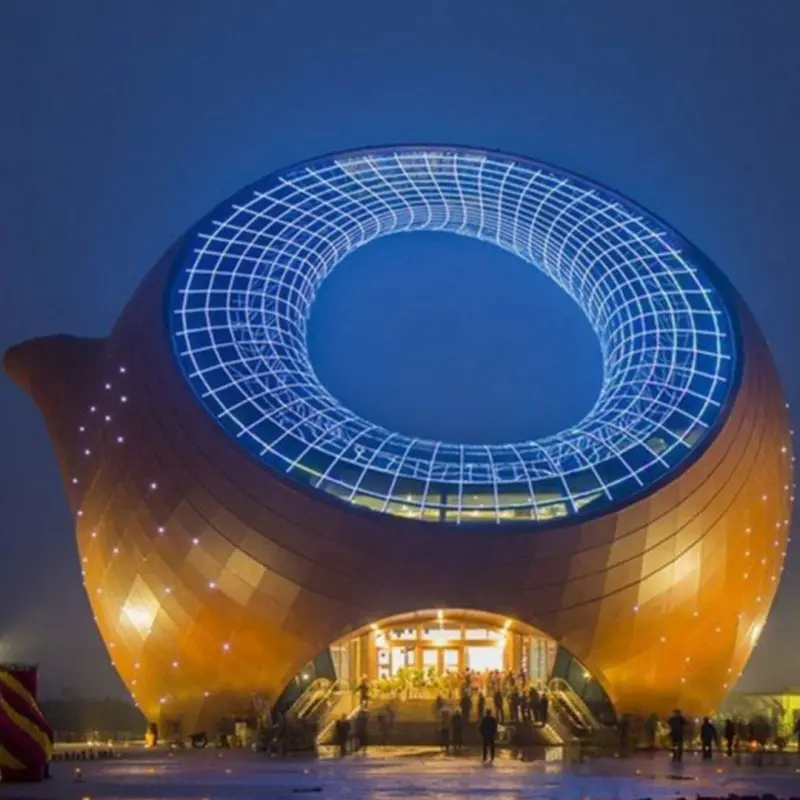
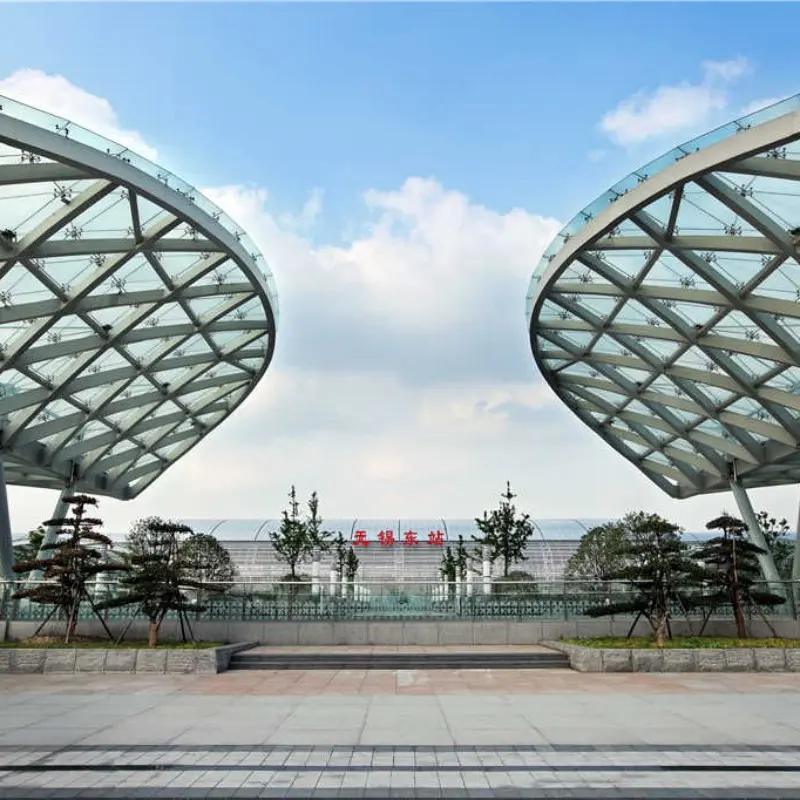
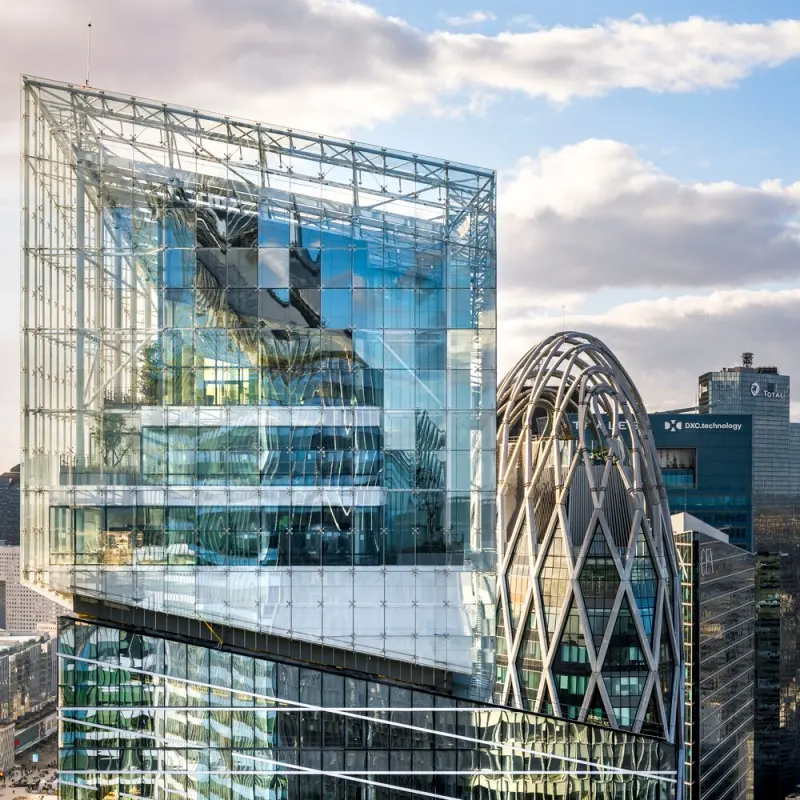
Our premium glass solutions are integrated into prestigious commercial architectural concepts and infrastructures around the globe. Discover how our capabilities translate into long-term safety and performance:
Browse through core technical queries regarding glass specifications, importation to Australia, and compliance parameters.
Our Insulated Glass Units (IGUs) are manufactured under strict ISO 9001:2015 quality controls and are tested regularly to match the performance benchmarks set by AS/NZS 4666. For window packages, the integrated aluminium frame and sash assemblies are configured to meet AS 2047 deflection and water penetration tests.
Soft-coat Low-E is applied via a vacuum deposition process (sputtering) after the glass is formed. It provides significantly lower U-values and superior solar control compared to pyrolytic hard-coats. However, because the soft coating is sensitive to air exposure, it must be sealed inside the double-glazed unit's cavity (usually on surface #2 or #3), which is standard practice in our IGU fabrication lines.
Argon gas is denser than air, which slows down the convective currents inside the glass cavity. This reduces the heat transfer between the interior and exterior panes, improving the overall U-value performance of the window assembly by approximately 15% to 20% compared to dry air fills.
For high-performance projects and commercial facades, we recommend and perform a **Heat Soak Test (HST)** on tempered glass panes. Heat soaking accelerates the expansion of microscopic nickel sulfide (NiS) inclusions, deliberately causing unstable panes to break inside the test chamber rather than on-site after installation.
Yes. For wind-prone areas (such as Northern Territory or Western Australia's cyclone paths), we manufacture heavy-duty laminated glass configurations inside the IGU using SGP (SentryGlas Plus) interlayers. These hold their structure even under severe wind pressure and high-velocity debris impact.
Our technical engineers will calculate structural glass thicknesses, wind-load ratings, and thermal U-values specifically to match your architectural blue-prints and local council regulations.
Send Inquiry Now Guoxin