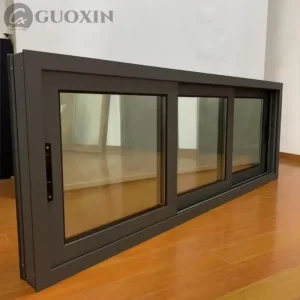
Explore our foundational range of direct-factory, energy-efficient architectural components engineered for extreme performance and structural longevity.
Founded in 2006, Jiangsu Guoxin Glass Co., Ltd. has developed into a premier force in the global architectural glass and aluminum structural systems industry. Spanning two decades of continuous research, engineering development, and scale manufacturing, we deliver cutting-edge fenestration technology to modern construction projects worldwide.
Our vertically integrated facility features state-of-the-art automated CNC cutting, structural tempering, and multi-layered gas-filled insulated assembly lines. This production depth ensures precise geometric tolerance, superior thermal profiles, and verified acoustic insulation parameters that meet strict international regulatory standards.
An industrial whitepaper on optimizing building envelope thermal transmittance, structural load distribution, and acoustic attenuation via advanced fenestration configurations.
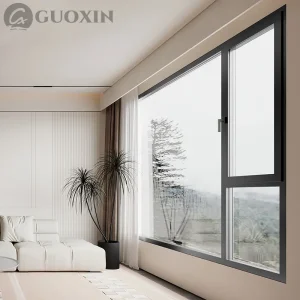
Understanding conductive heat transfer is vital. Our thermal-break aluminum profiles, paired with triple-glazed Low-E insulated glass, achieve exceptionally low U-values (under 1.2 W/m²K). This performance is achieved using structural polyamide insulating strips that break the thermal bridge within the extruded aluminum frame, reducing indoor heating and cooling demands.
Controlling solar heat gain is essential for high-performance buildings. Spectrally selective Low-E coatings filter out near-infrared radiation while maintaining high levels of visible light transmission. This optimization minimizes artificial lighting requirements while preventing excessive solar heat gain, reducing peak HVAC loads.
Acoustic performance is defined by the Sound Transmission Class (STC). In urban structural projects, standard single-pane windows fall short. By incorporating asymmetric glass configurations (e.g., 6mm tempered outer glass combined with a 12mm gas-filled gap and an 8.76mm laminated PVB inner pane), sound transmission paths are disrupted, resulting in an STC rating of over 42 dB.
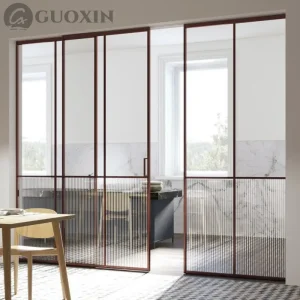
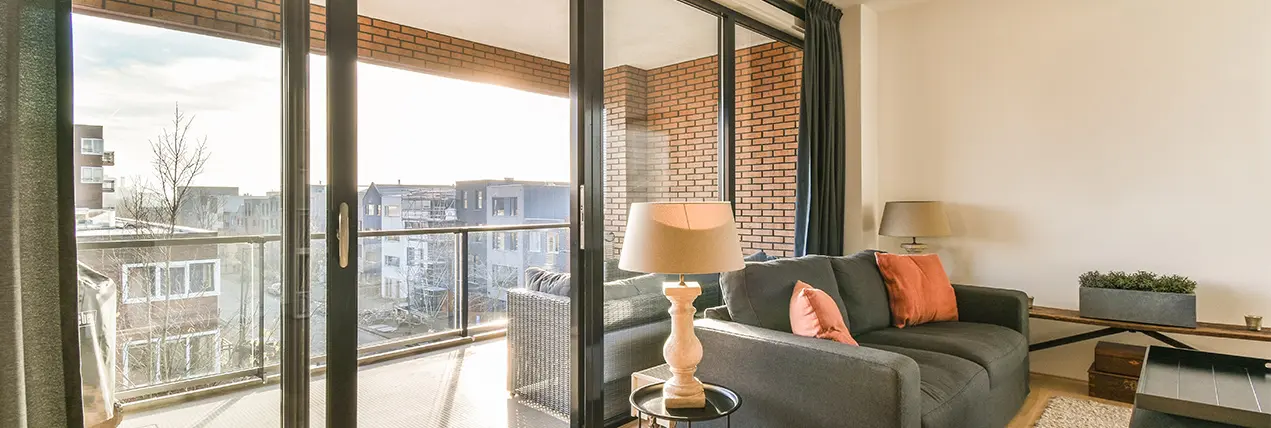
Large-format openings, such as multi-panel bifold and sliding door systems, require careful mechanical engineering. Unlike static windows, sliding glass doors place continuous stress on rollers, hinges, and tracking systems. Over time, physical deformation can compromise weather-tight seals and alignment.
To prevent this, our systems utilize premium extruded 6063-T6 aluminum alloys. These components are paired with stainless-steel running tracks and heavy-duty tandem rollers with sealed bearings. This mechanical assembly allows large panels (weighing up to 400kg each) to slide smoothly with minimal resistance. Additionally, integrated multi-point locking systems secure the frame, protecting against structural wind loads and unwanted entry.
Our state-of-the-art production facility houses multiple advanced production lines, each equipped with cutting-edge technology.

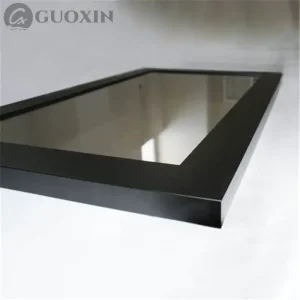
High-strength, structurally insulated frame profiles engineered for long spans and modern architectural projects.
Specially treated multi-layer safety glass tested to withstand high-temperature structural fires.
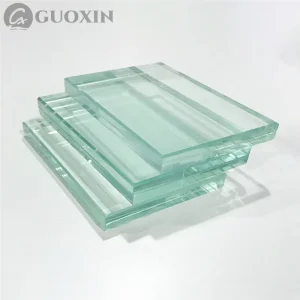
Tough interlayers (PVB/SGP) designed for extreme wind load resistance, impact protection, and sound insulation.
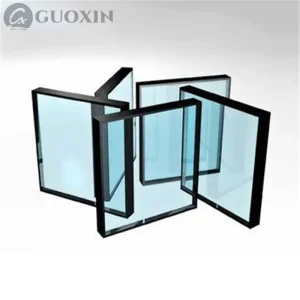
Double and triple-glazed units filled with argon gas to achieve low thermal transmittance U-values.
Engineered ballistic resistance using multi-layered polycarbonate and high-strength adhesive films.
Precision-milled profiles and integrated hardware systems, custom-manufactured to match target structural and wind load demands.
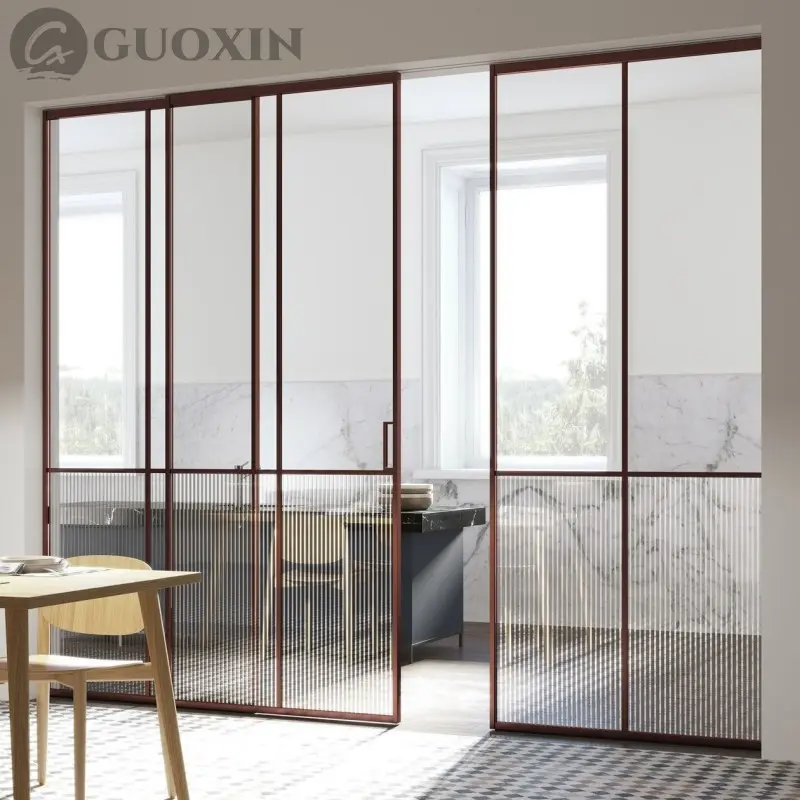
Heavy-duty roller tracks with multi-point locksets.
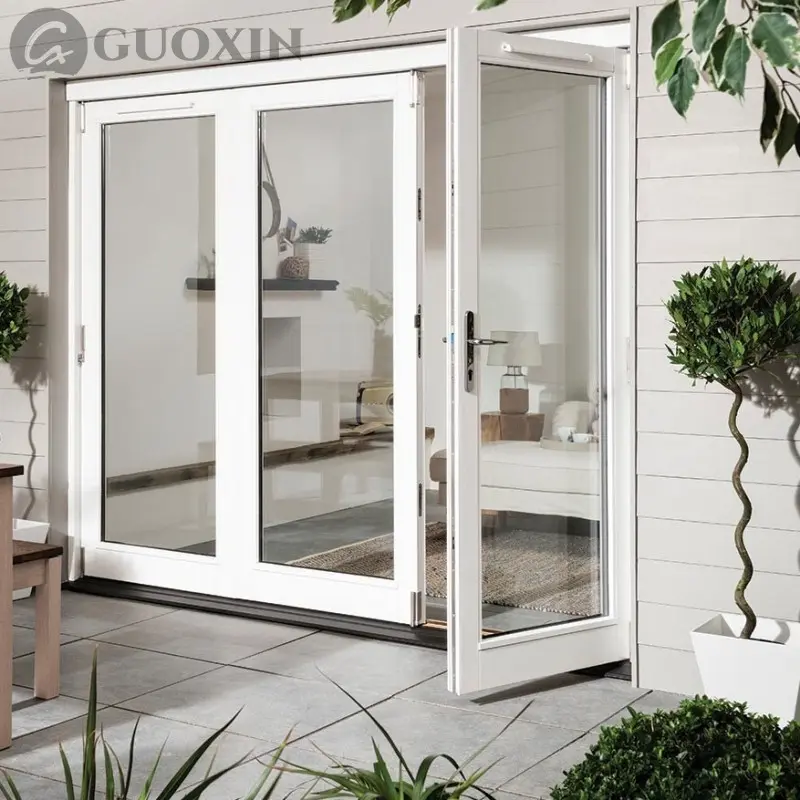
High-traffic entrance doors featuring heavy-duty structural hinges.
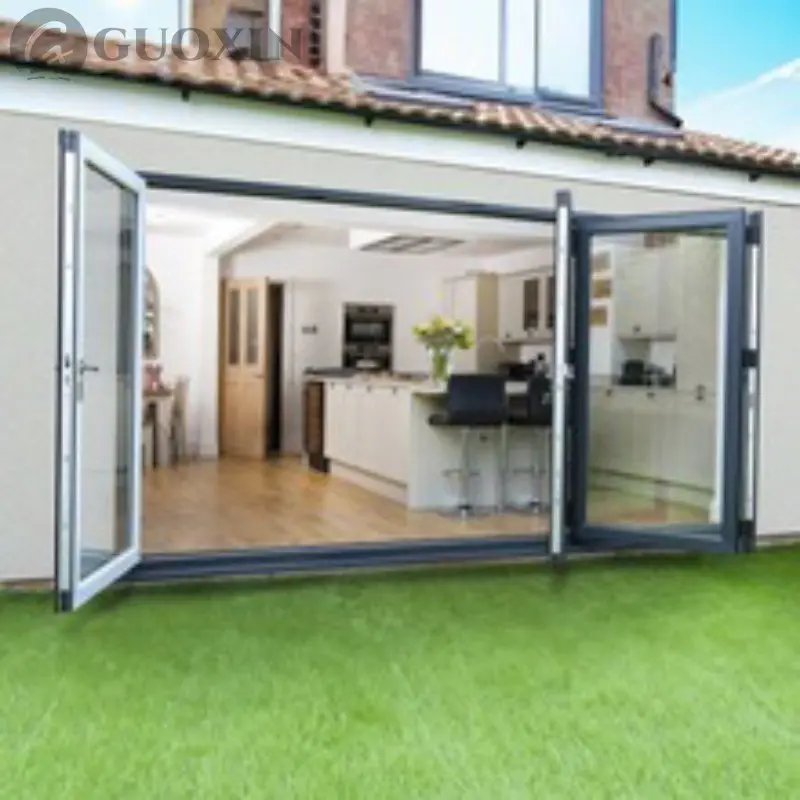
Precision-engineered bi-fold systems for seamless transitions.
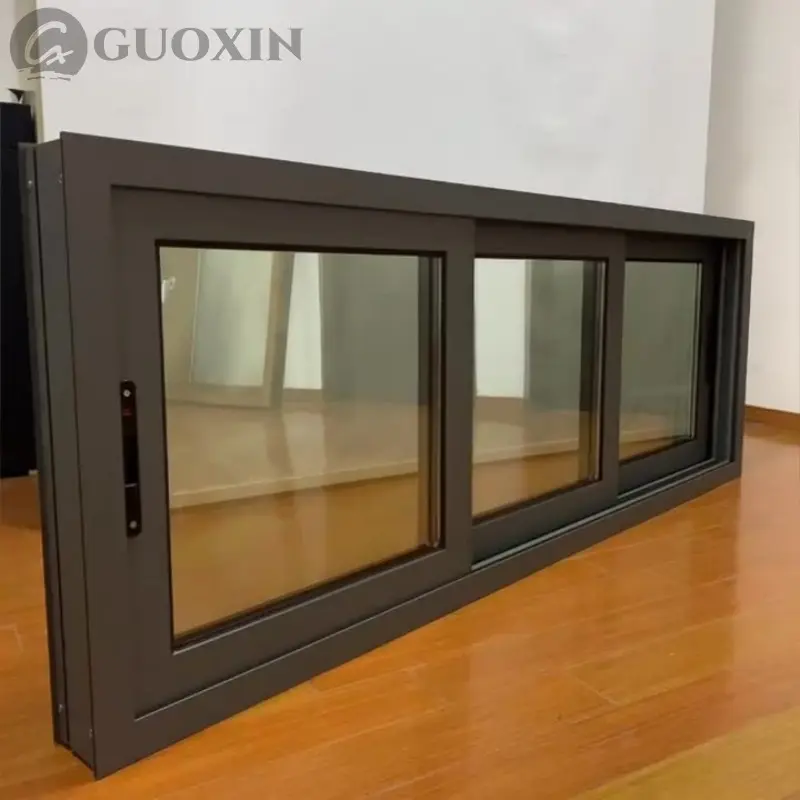
Durable sash frames designed with deep interlocks to resist rain intrusion.
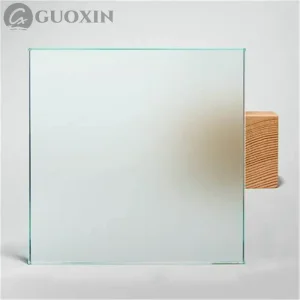
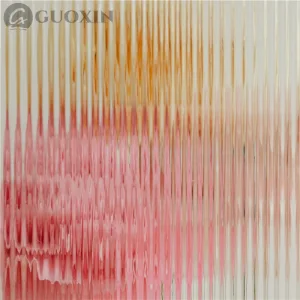
Advanced sub-surface laser processing creates complex micro-fracture patterns deep within tempered safety glass, without affecting surface integrity.
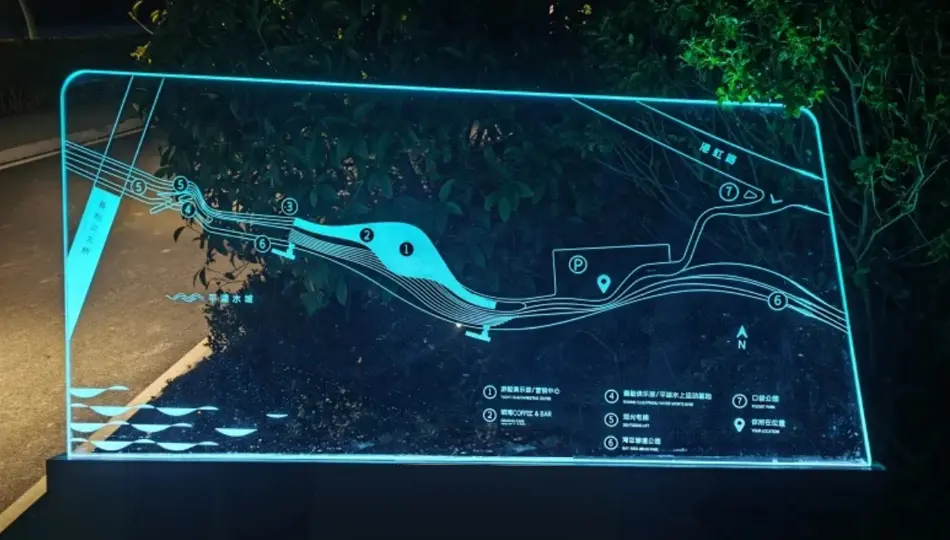
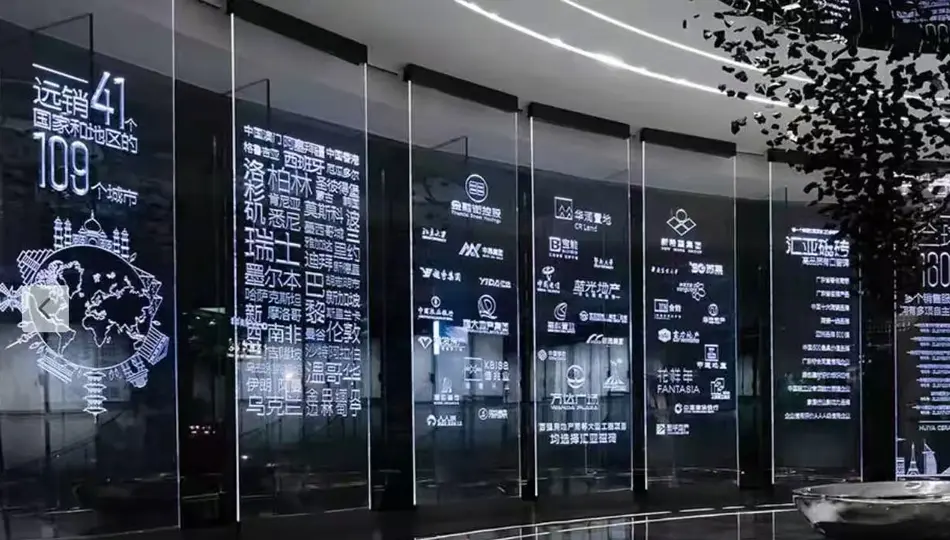
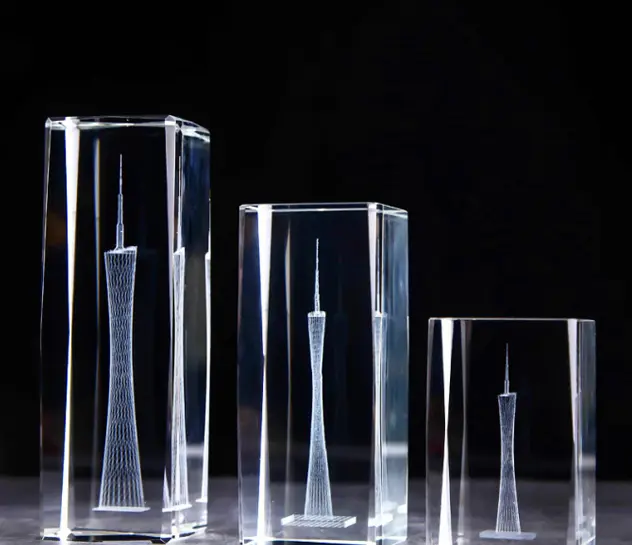
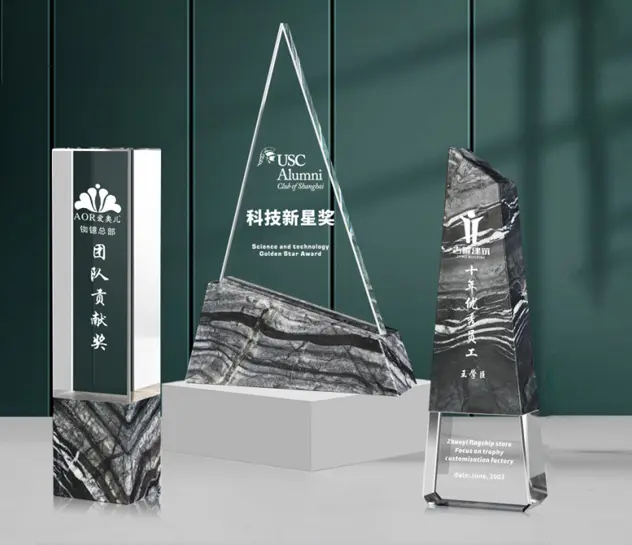

Analyzing the manufacturing efficiencies, bulk material logistics, and quality assurance processes that drive cost-effective fenestration production.
In the architectural supply chain, the term "discount" can sometimes raise questions about quality. However, in modern manufacturing, cost reductions are driven by structural efficiencies, advanced technology, and streamlined logistics. Jiangsu Guoxin Glass Co., Ltd. demonstrates how scaling production can lower costs while maintaining high quality standards.
Key factors that support our competitive, factory-direct pricing include:
Real-world engineering case studies showcasing our systems' durability, thermal control, and design flexibility.
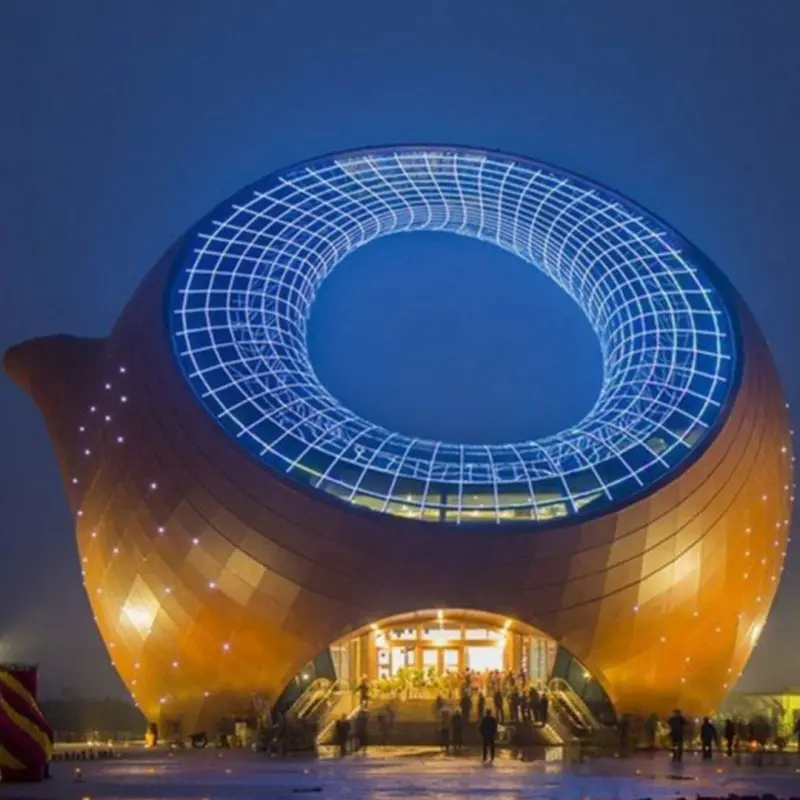
As the world's "largest purple clay pot shaped building", this landmark stands 38.8 meters high. Its custom facade is constructed primarily from aluminum and custom-cut curved glass. The dome features artistic stained glass, with each panel custom-formed to support the complex geometric layout.
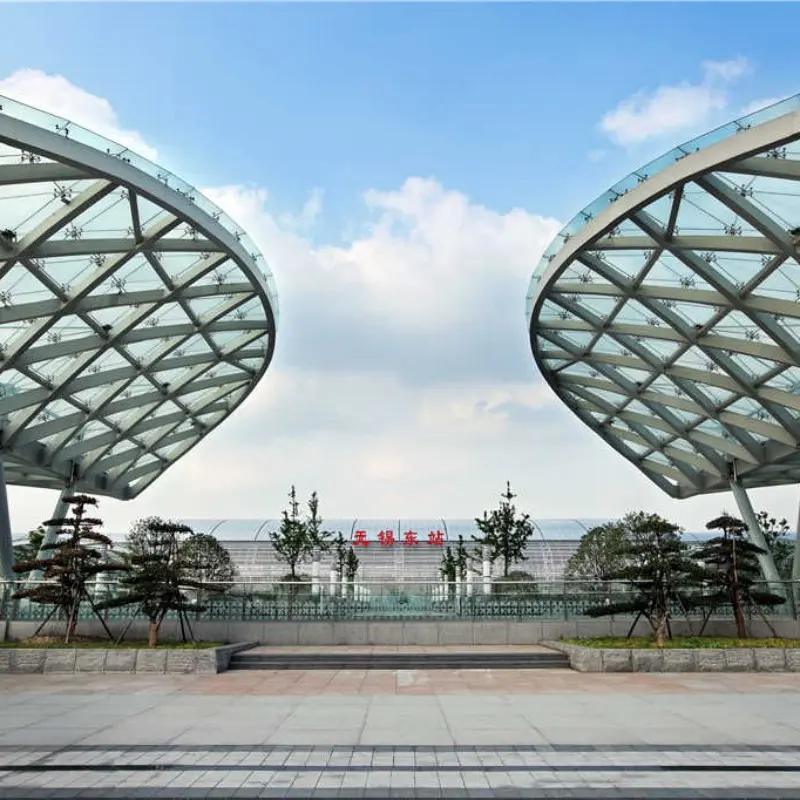
During its major renovations, this high-traffic transport hub integrated thousands of our laminated safety glass units. Designed to meet demanding safety standards, these laminated panels provide reliable impact resistance and sound dampening for a daily waiting capacity of over 120,000 passengers.

Standing as one of the tallest skyscrapers globally, this 89-story mixed-use tower features high-performance double-glazed insulated units. These systems were engineered to withstand high wind pressures at extreme heights while maintaining reliable thermal performance.
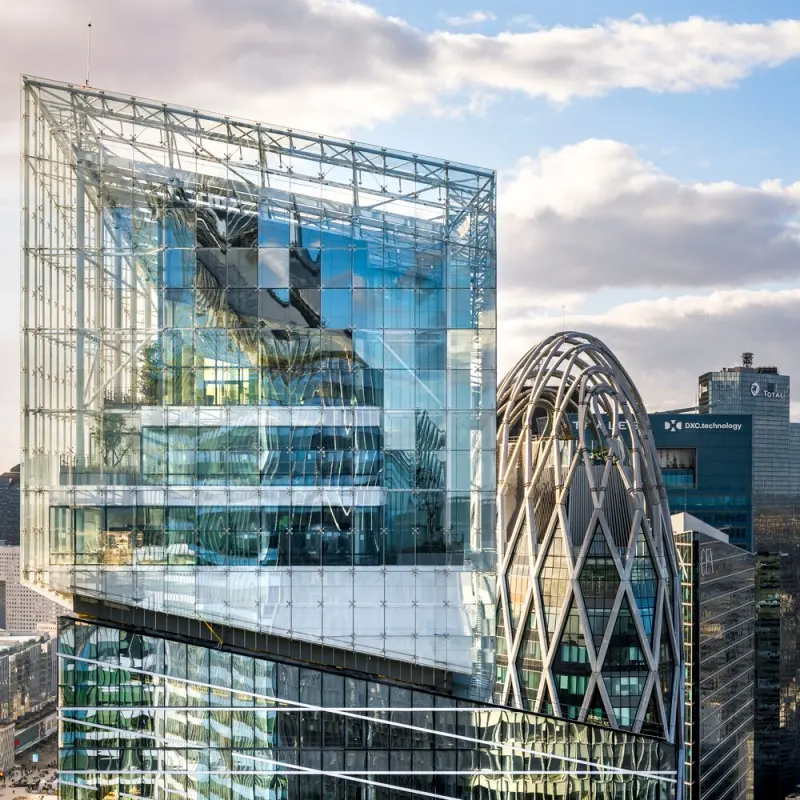
We supplied triple-insulated solar control glass panels for this sustainable building. Integrated with modern daylighting systems, the glazing helps control glare and solar gain, reducing artificial lighting energy consumption throughout the facility.
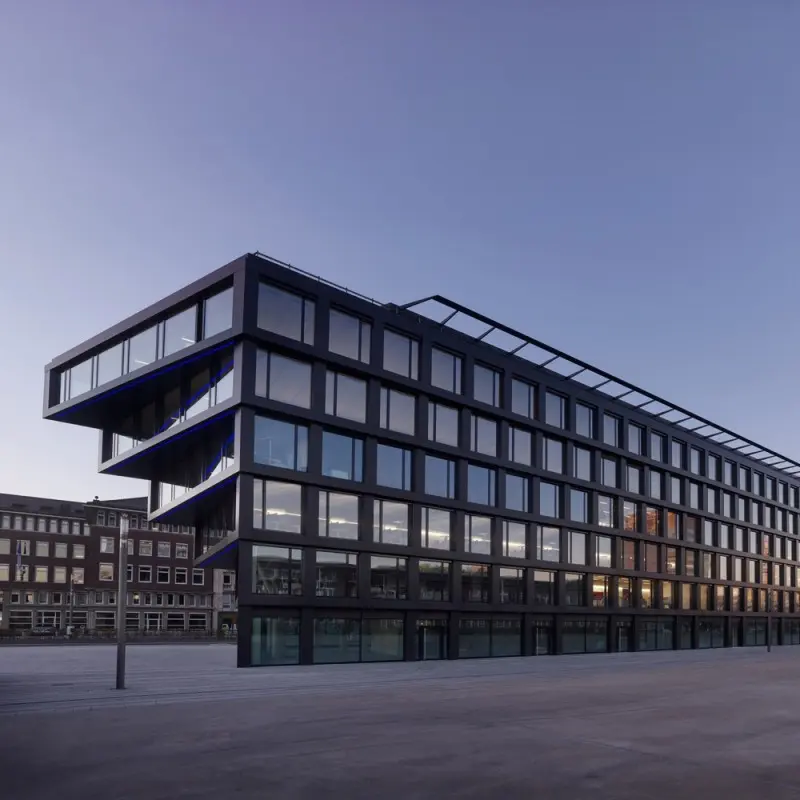
This design utilizes high-performance acoustic glazing and triple-insulated solar control glass, achieving a heat recovery rate of over 80% for the envelope system. Integrated ventilation and shading systems deliver reliable energy efficiency.
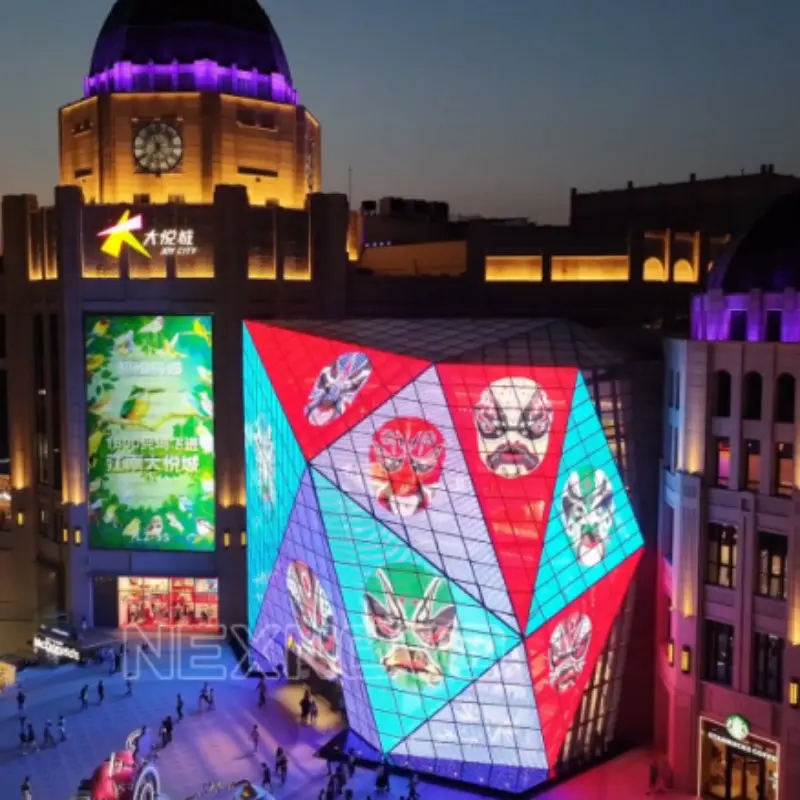
A modern commercial landmark utilizing smart electrochromic glass systems. These systems adjust tint levels dynamically based on solar angles, optimizing natural light while minimizing internal cooling demands.
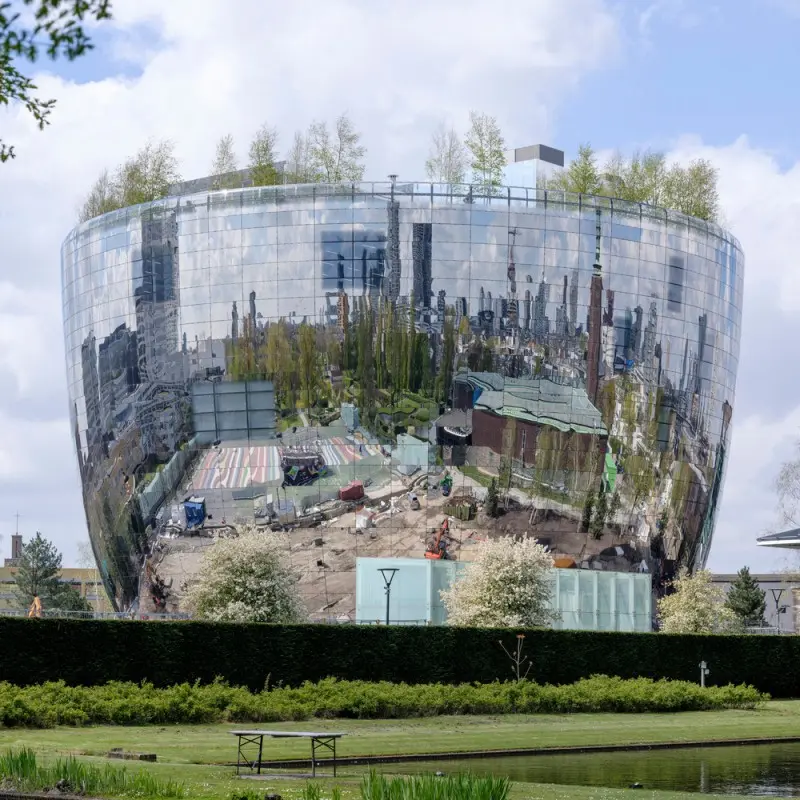
This iconic structure is clad in 15,000 square meters of high-reflectivity glass panels. The double-glazed units help the large building blend into its park-side environment while providing stable thermal performance inside.
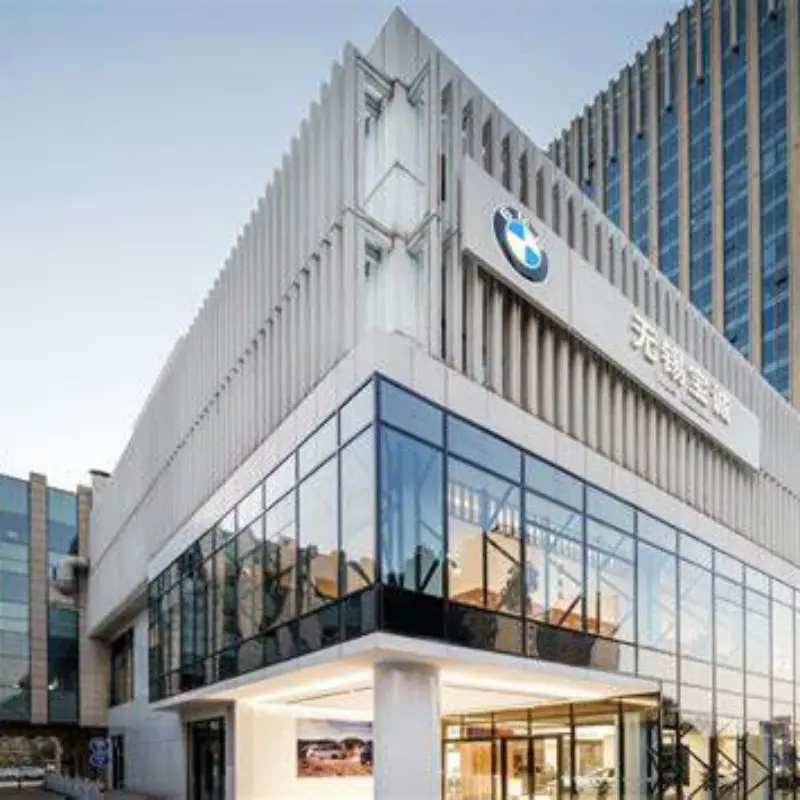
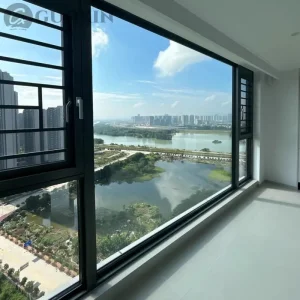
Featuring oversized structural reflective glass sheets, this facility maximizes natural interior daylighting while maintaining clean modern aesthetics and optimizing overall energy efficiency.
Our products are engineered and packaged to meet the building codes and logistical requirements of diverse global markets.

Our structural glass and window products undergo rigorous testing to comply with international safety, energy, and performance standards.
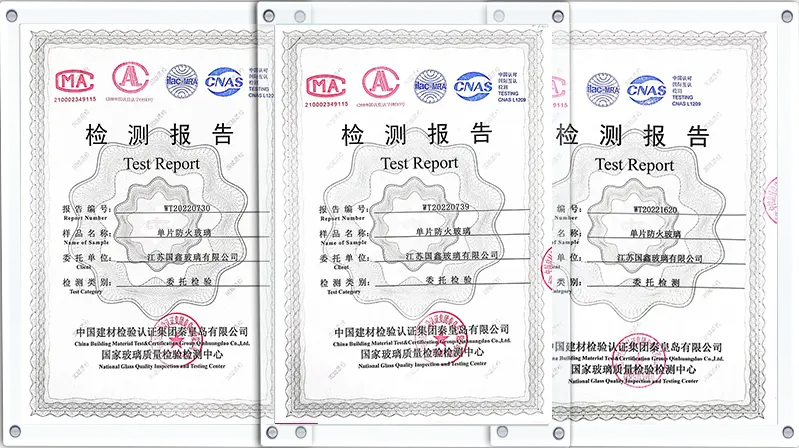
Our quality management systems are certified to ensure consistent material quality, traceablity, and manufacturing precision.
Tested and certified for safety glazing in the North American market, verifying reliable impact performance and seal durability.
Fully compliant with European building standards, certifying mechanical strength, fragmentation behavior, and durability.
Insights from our engineering department to help project managers and developers choose the right architectural components.

To help you pick compliant, cost-effective and safe glass for your projects, we break down the differences between fireproof glass, fireproof materials glass, and ordinary float options...
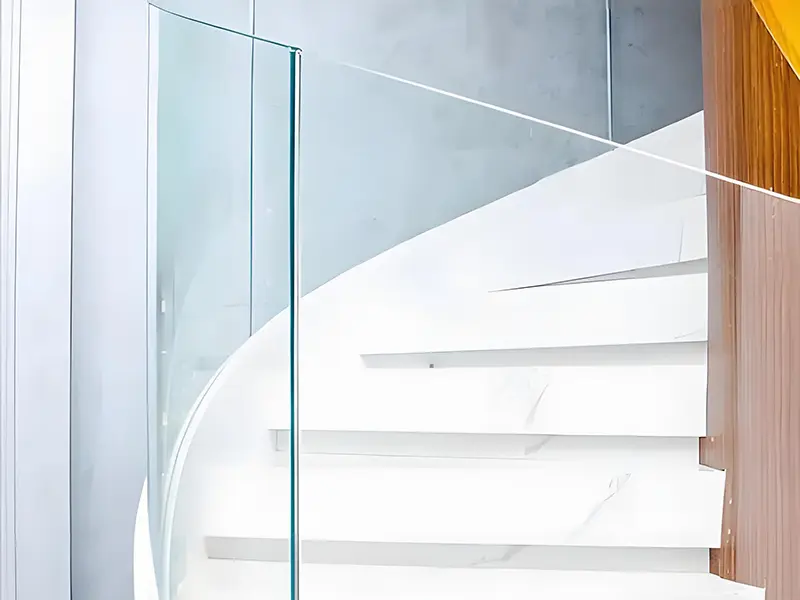
Which type of construction glass is both practical and safe? In modern buildings, high-performance laminated panels provide critical protection against impact and structural loads...
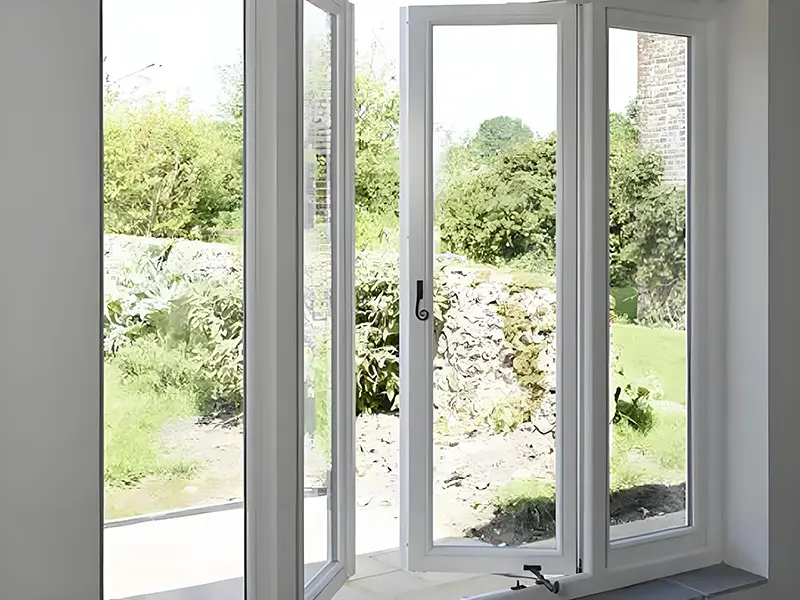
Most buyers face a common choice for casement windows: thermal break (broken bridge) aluminum or PVC-U systems. We compare their structural life and thermal performance...
Field photographs showing our glass, bifold door, and window systems installed across diverse commercial projects.


Clear, direct answers to common questions about selecting and specifying high-performance glass and aluminum systems.
For optimal thermal performance, we recommend double or triple-glazed units using low-emissivity (Low-E) coatings and argon gas fills. A common and efficient makeup is 6mm Low-E tempered glass + 12mm Argon space + 6mm clear tempered glass. This layout significantly reduces heat transfer while keeping the system lightweight enough for smooth operation.
SentryGlas Plus (SGP) ionoplast interlayers are roughly five times stronger and up to 100 times stiffer than standard polyvinyl butyral (PVB) films. This enhanced structural rigidity allows SGP laminated glass to handle much higher wind load pressures. In the rare event of breakage, SGP laminates remain structurally stable within the frame, making them ideal for high-rise balustrades and overhead glazing.
While uPVC is cost-effective, thermal-break aluminum offers superior structural strength, durability, and resistance to thermal expansion. This strength allows for slimmer frame profiles and larger glass panes. The integrated polyamide insulation strips ensure thermal performance comparable to uPVC without sacrificing the long-term structural integrity of metal frames.
Our manufacturing processes are certified under ISO 9001:2015. Our glass products carry certifications for major international markets, including SGCC (North America), CE EN 12150 (Europe), and AS/NZS 2208 (Australia/New Zealand), verifying performance in impact resistance and structural durability.
Quality First, Customer First, and Credit-Based Manufacturing Solutions.
Explore our complete catalog of high-specification architectural components, built to support complex projects and demanding environmental requirements.
 Guoxin