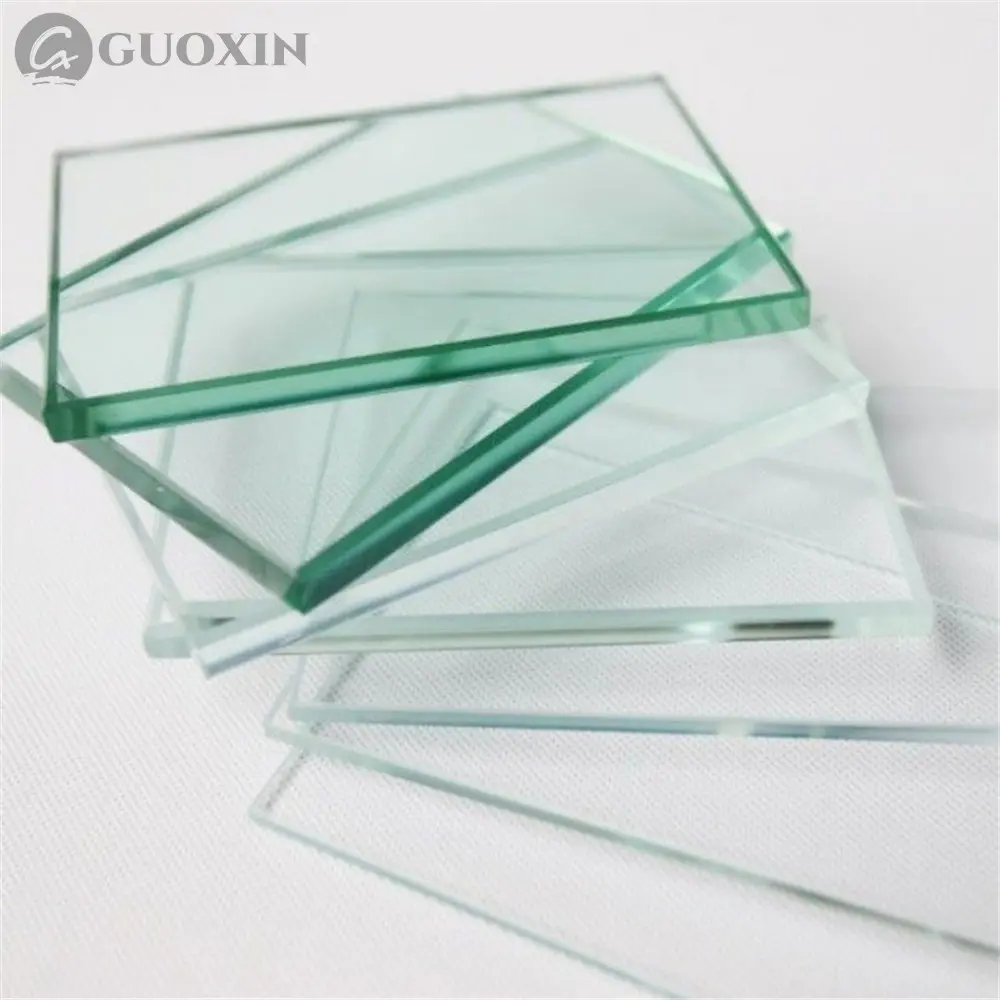
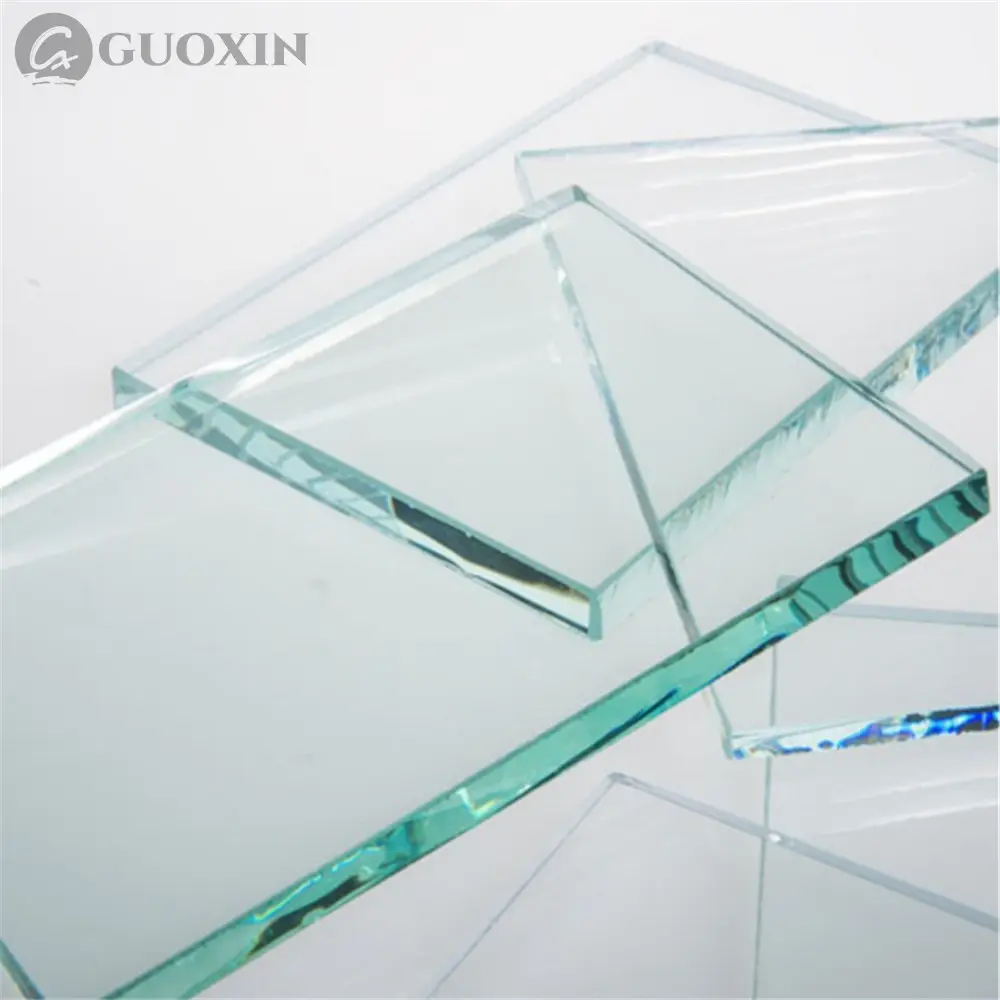
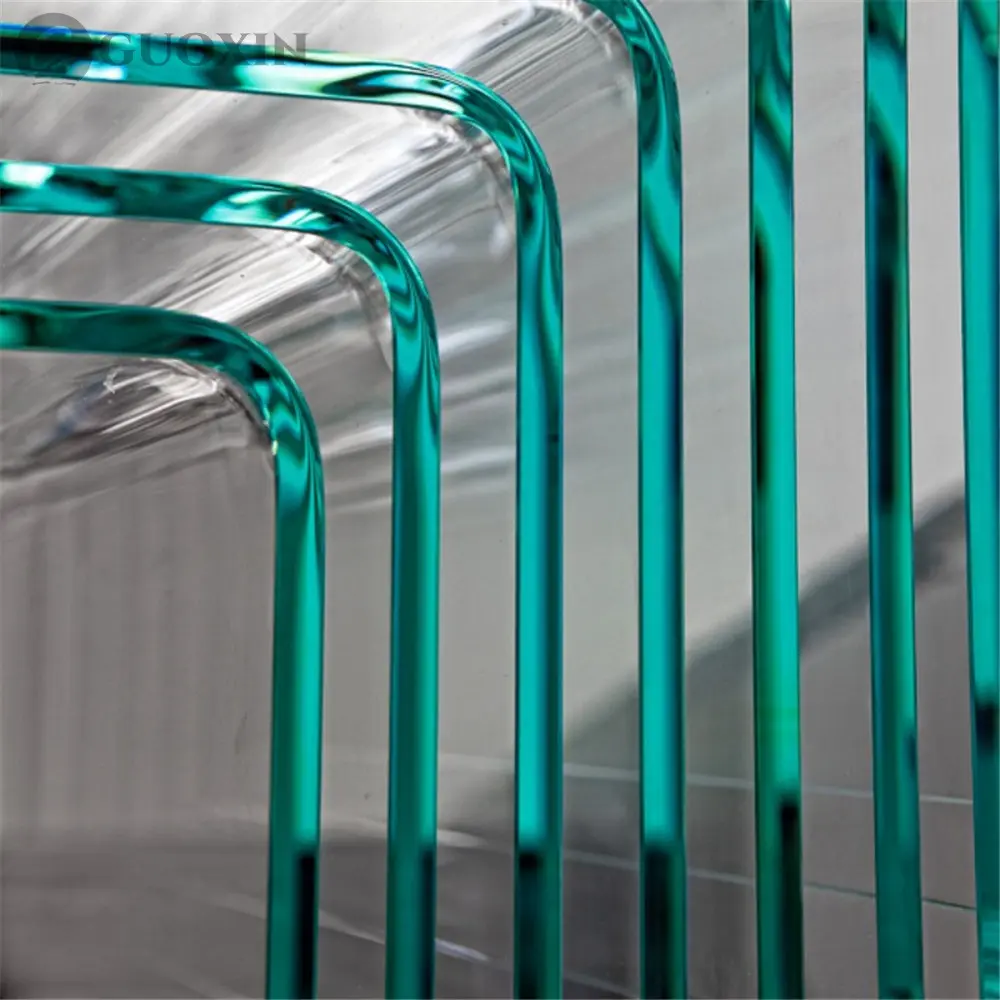
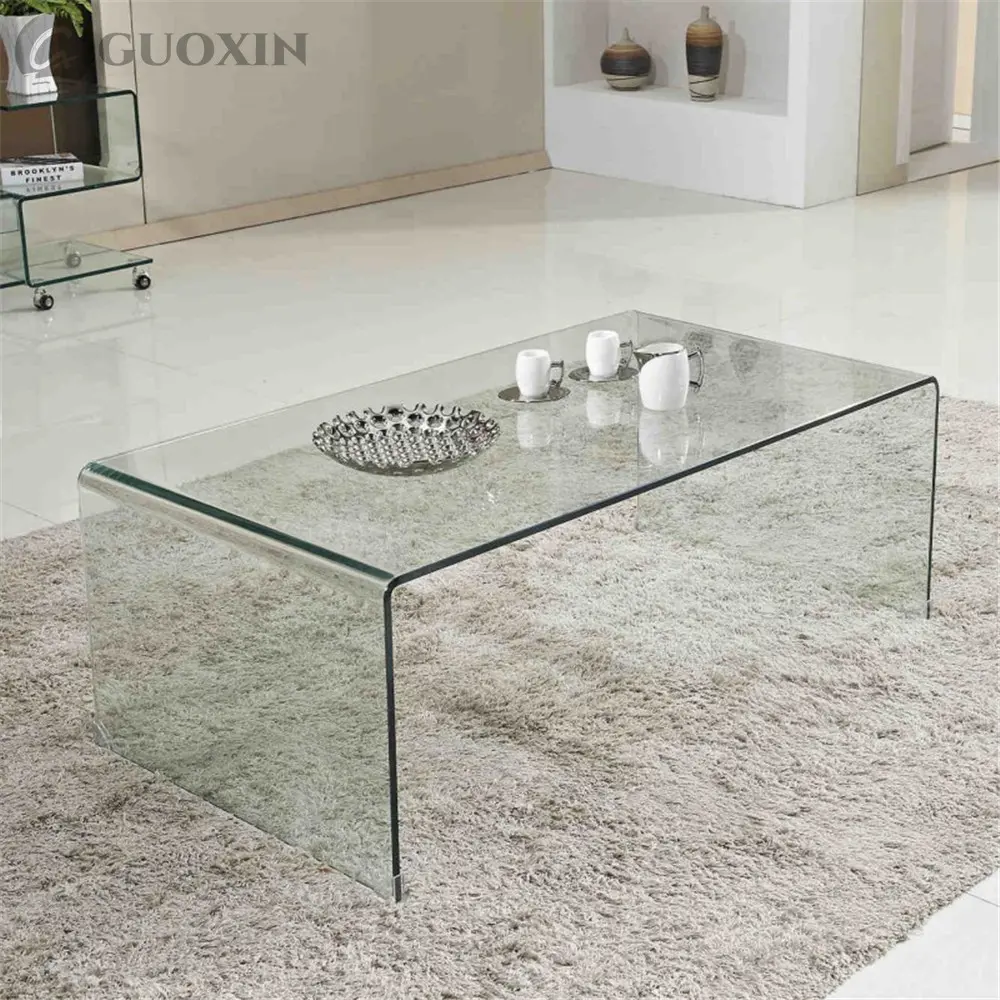
Main Advantages of Tempered Glass
🛡️
High Safety
Flat tempered glass is engineered for maximum protection. When shattered, it breaks into small, rounded fragments with blunt edges, eliminating the risk of serious injury. This safety feature makes it ideal for homes, offices, and public spaces where human safety is a priority. Additionally, the tempering process reduces thermal stress breakage, ensuring long-term durability and preventing unexpected failures.
🌡️
Heat Stability
Unlike standard glass, which can only handle 20°C to 100°C, flat tempered glass withstands extreme temperature fluctuations from 250°C to 320°C. This superior heat resistance makes it perfect for applications like windows, doors and facades, ensuring security and durability.
💪
High Strength
Flat tempered glass is 3–5 times stronger than ordinary glass, offering exceptional resistance to bending, impact, and surface pressure (up to 95Mpa). Its reinforced structure makes it ideal for high-traffic areas, glass railings, and security installations where strength is critical.
⭐ Why Choose Flat Tempered Glass?
- Enhanced safety with breakage-safe fragments
- Superior heat resistance for extreme environments
- Ultra-high strength for demanding applications
For projects requiring safety, durability, and performance, flat tempered glass is the smart choice.
Frequently Asked Questions (FAQ)
Q What is flat tempered glass and how is it made?
Flat tempered glass is a type of safety glass produced by heating standard glass to approximately 620°C and then rapidly cooling it. This process creates internal compressive stresses that significantly increase its strength and safety performance compared to ordinary glass.
Q How much stronger is tempered glass compared to regular glass?
Flat tempered glass is 3 to 5 times stronger than ordinary annealed glass of the same thickness. It can withstand surface pressure up to 95 MPa, making it highly suitable for structural, architectural, and high-traffic applications.
Q What temperature range can flat tempered glass withstand?
Flat tempered glass can withstand temperature fluctuations ranging from 250°C to 320°C, far exceeding the 20°C to 100°C limit of standard glass. This makes it an excellent choice for environments exposed to high heat or sudden temperature changes.
Q What sizes and thicknesses are available?
Flat tempered glass is available in thicknesses ranging from 4mm to 25mm, with a maximum panel size of 3300 × 13000 mm. Custom sizes and edge finishes including beveled and polished options can be produced.
Q What certifications ensure the glass quality?
The flat tempered glass is certified under multiple international standards, including CE, ASTM, ISO 9001, and CCC. These certifications ensure the product meets rigorous quality and safety requirements for global markets.
Q What are the common applications of this glass?
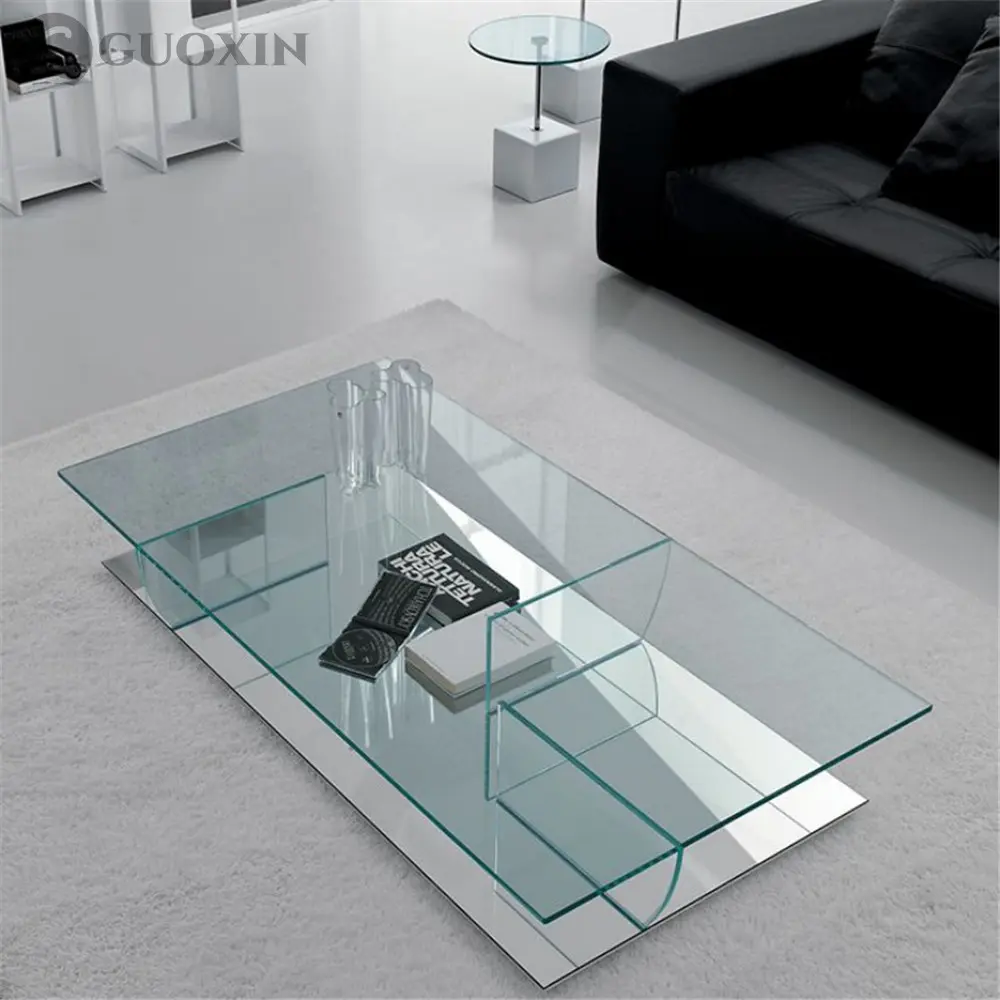
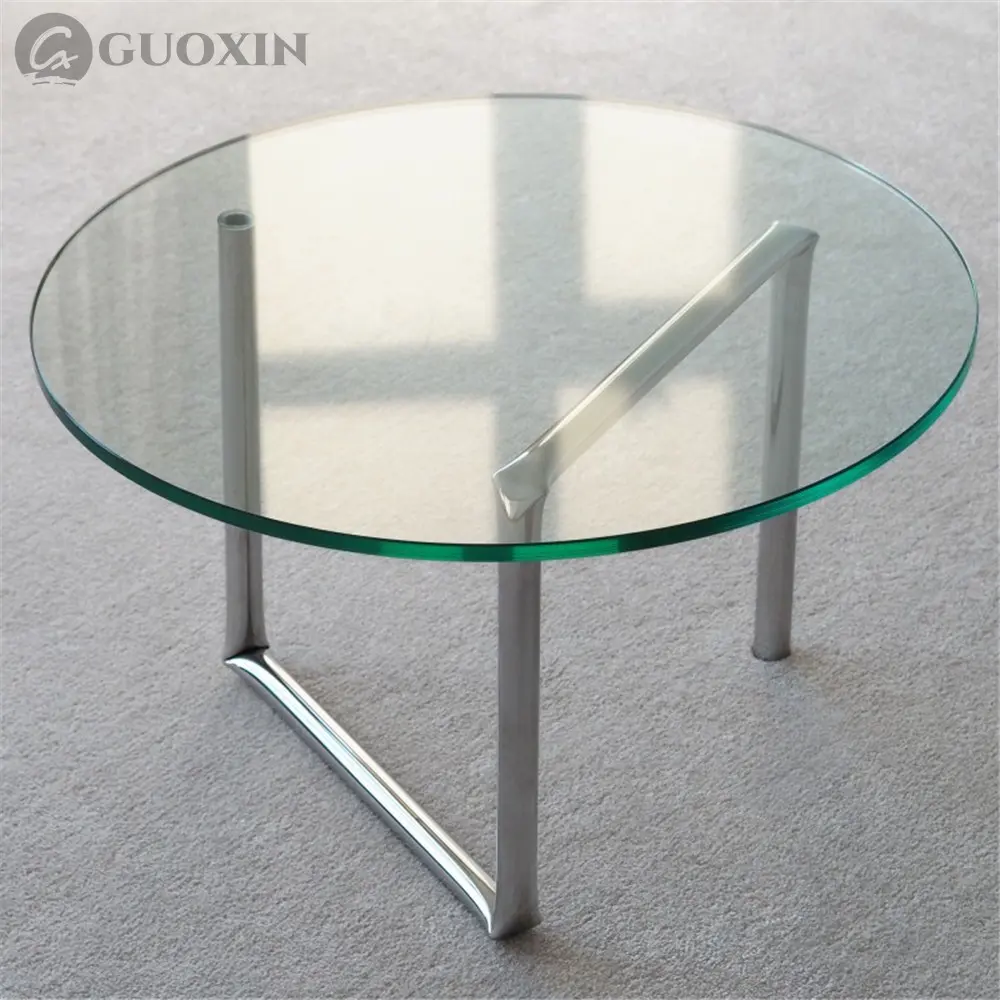
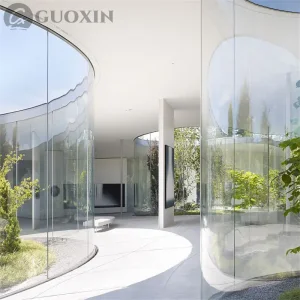
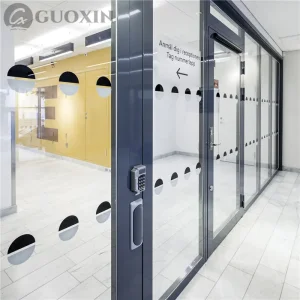
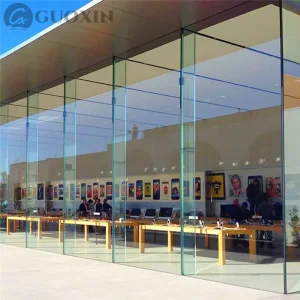
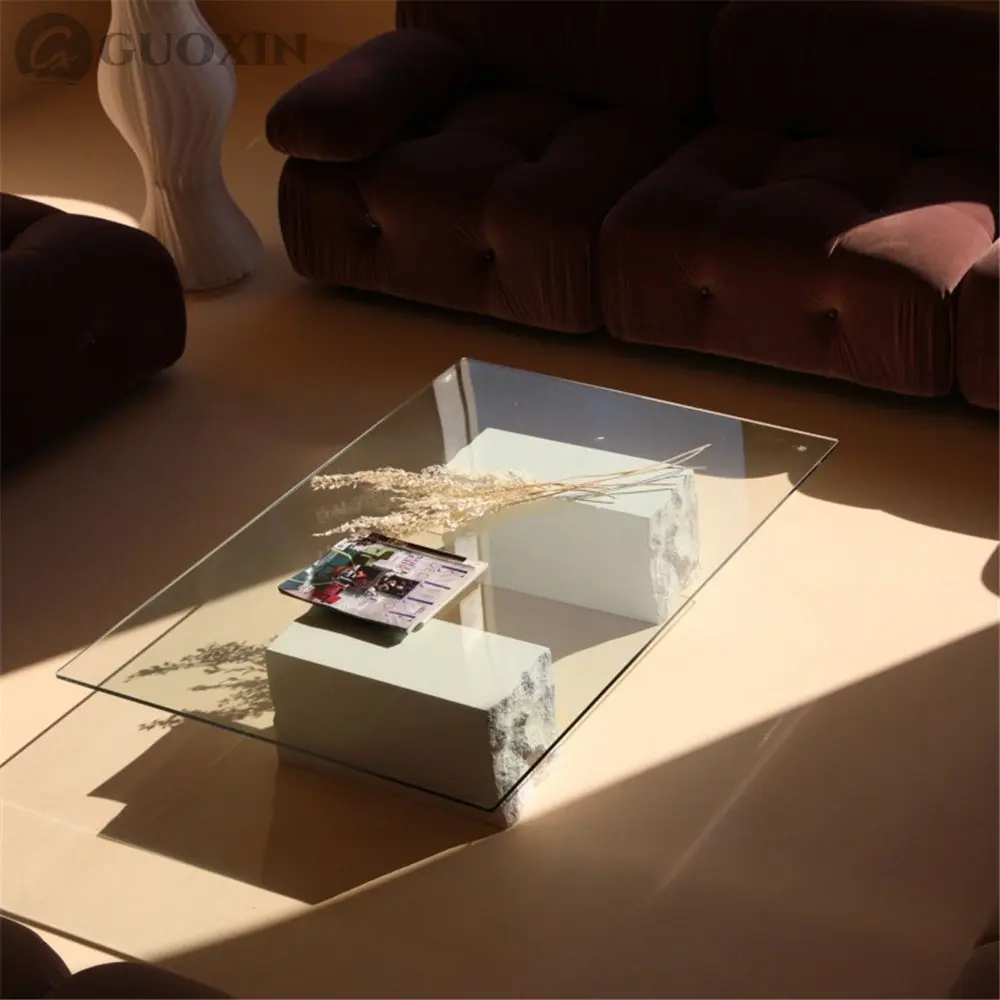
It is widely used in residential and commercial construction, including windows, doors, facades, glass railings, shower enclosures, storefronts, and furniture due to its safety and strength.