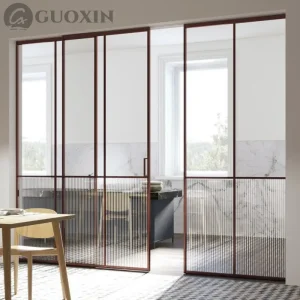
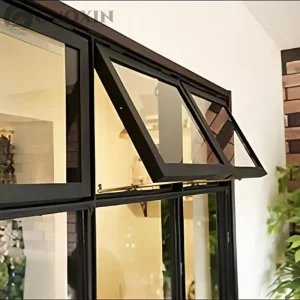
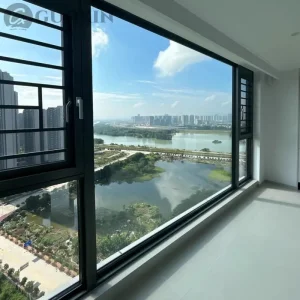
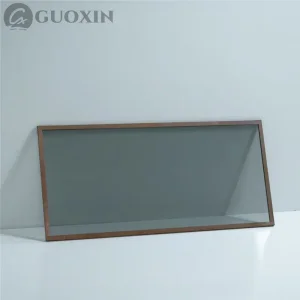
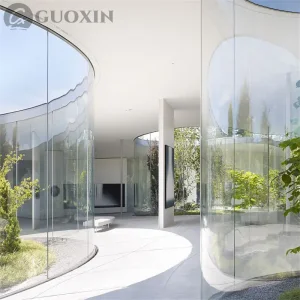
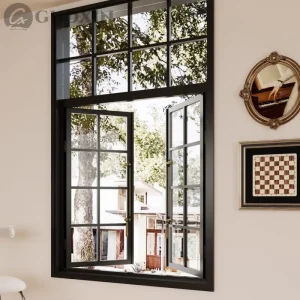
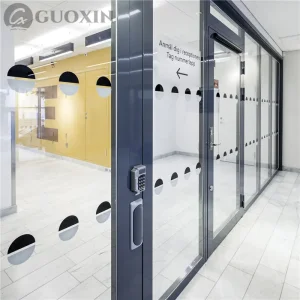
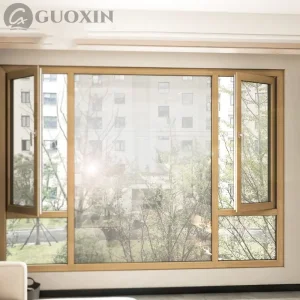
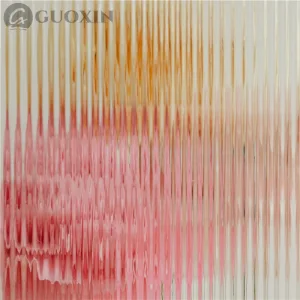
As we transition into an era defined by sustainable urban development, the role of Building Glazing Systems has evolved from simple fenestration to complex, high-performance structural components. Today, manufacturers are not merely selling glass; they are providing thermal regulation, noise attenuation, and structural integrity for modern skyscrapers and residential complexes.
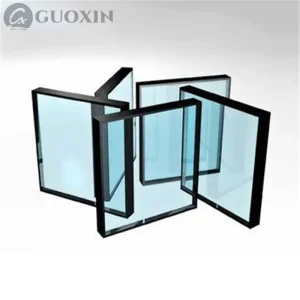
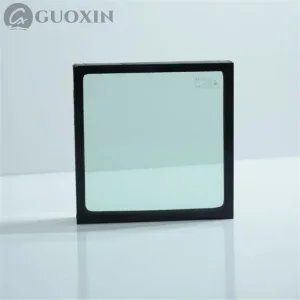
The global glazing market is currently driven by three macro-trends: Decarbonization, Digitization, and Durability. With buildings accounting for a significant portion of global energy consumption, our R&D focus has shifted towards Low-E coatings, Triple-insulated glass units (IGUs), and Dynamic smart glass. These technologies allow for predictive daylighting and heat management, drastically reducing HVAC loads in commercial and residential settings.
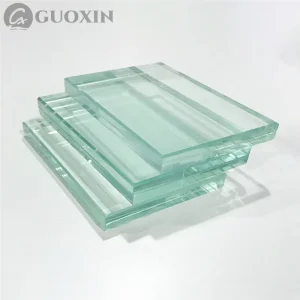
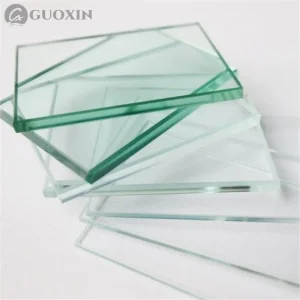
Our manufacturing approach integrates ISO 9001:2015 quality frameworks into every phase of production. From the procurement of raw float glass to precision CNC cutting, tempering, and lamination, we ensure that every square meter meets the highest international safety standards. Whether it's for the curtain walls of a 400-meter skyscraper or the window systems of a residential estate, our scalable OEM/ODM solutions provide the necessary adaptability for diverse architectural blueprints.
Understanding regional climate zones is critical. Our glazing systems are engineered differently for high-UV exposure regions versus alpine environments, utilizing specific spectral selectivity to optimize internal comfort.
Modern architecture demands minimal framing. Our structural glazing capabilities allow for seamless facades, providing aesthetic continuity while maintaining high wind-load resistance and seismic safety.
Q: What is the benefit of SGP vs PVB?
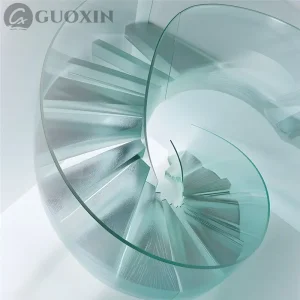
A: SGP (SentryGlas® Plus) offers superior strength and weather resistance, ideal for structural balustrades and overhead glazing, whereas PVB is optimal for standard safety glazing.
 Guoxin