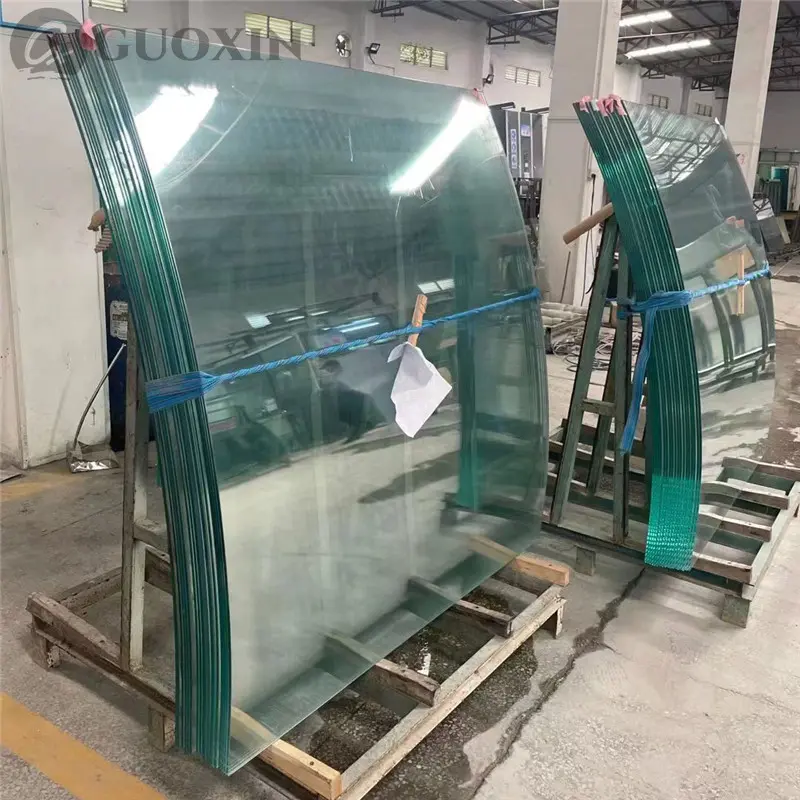
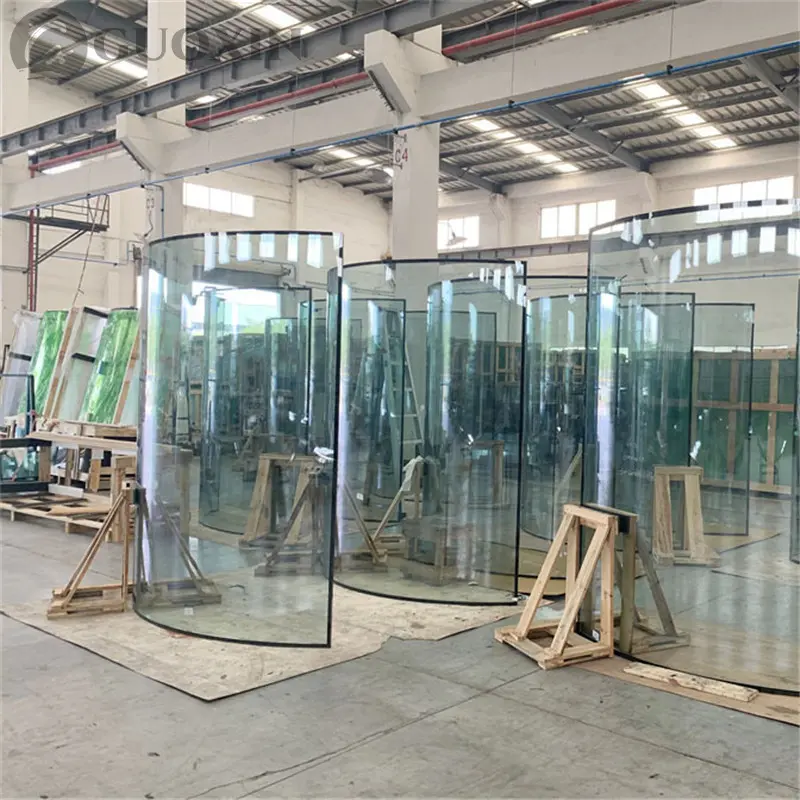
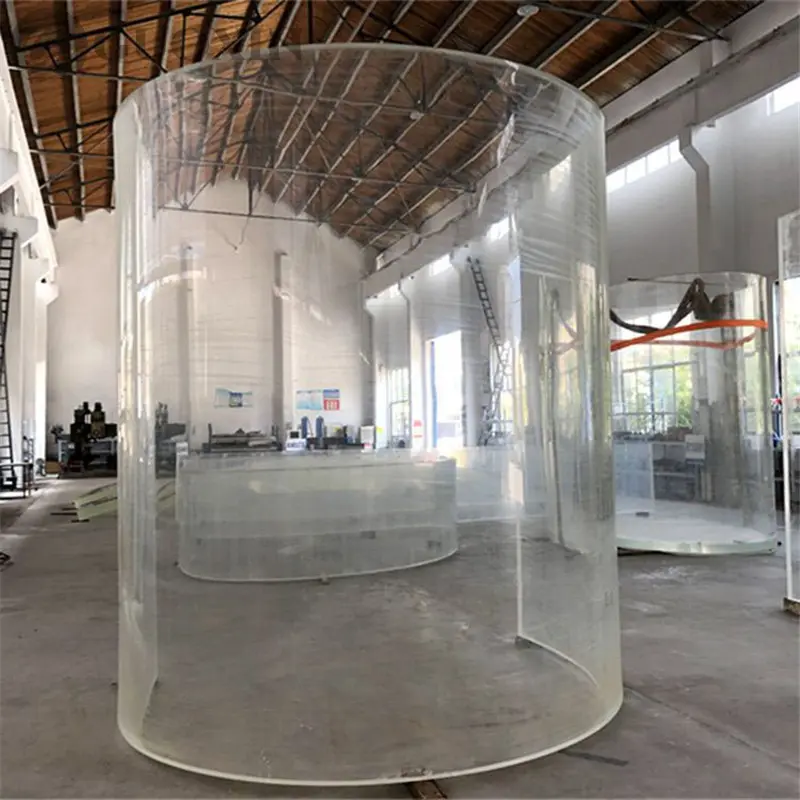
The Main Advantages of Curved Tempered Glass
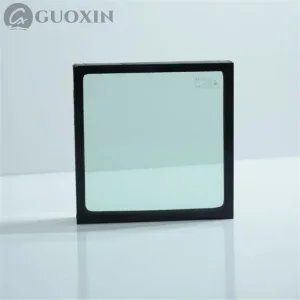
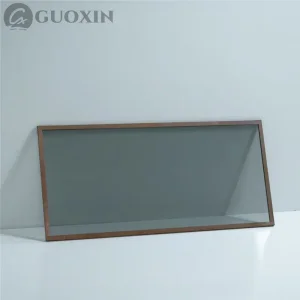
Curved tempered glass redefines architectural possibilities with its superior safety and durability. Unlike standard glass, when broken, it shatters into small, blunt honeycomb-shaped fragments, eliminating sharp edges and ensuring maximum human safety.
🛡️
Superior Safety
Shatters into small blunt honeycomb-shaped fragments — no sharp edges, maximum human protection.
💪
3–5× Greater Strength
Exceptional resistance to impacts and mechanical stress — ideal for high-traffic and demanding structural applications.
🌡️
Outstanding Thermal Stability
Withstands temperatures 3× higher than ordinary glass and resists sudden thermal shocks up to 300°C.
✨
Unique Aesthetic Appeal
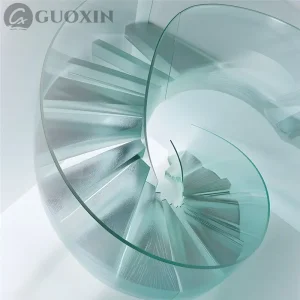
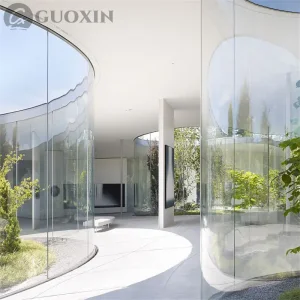
Curved design seamlessly blends functionality with modern style for both commercial and residential projects.
Frequently Asked Questions
What is curved tempered glass and how is it made?
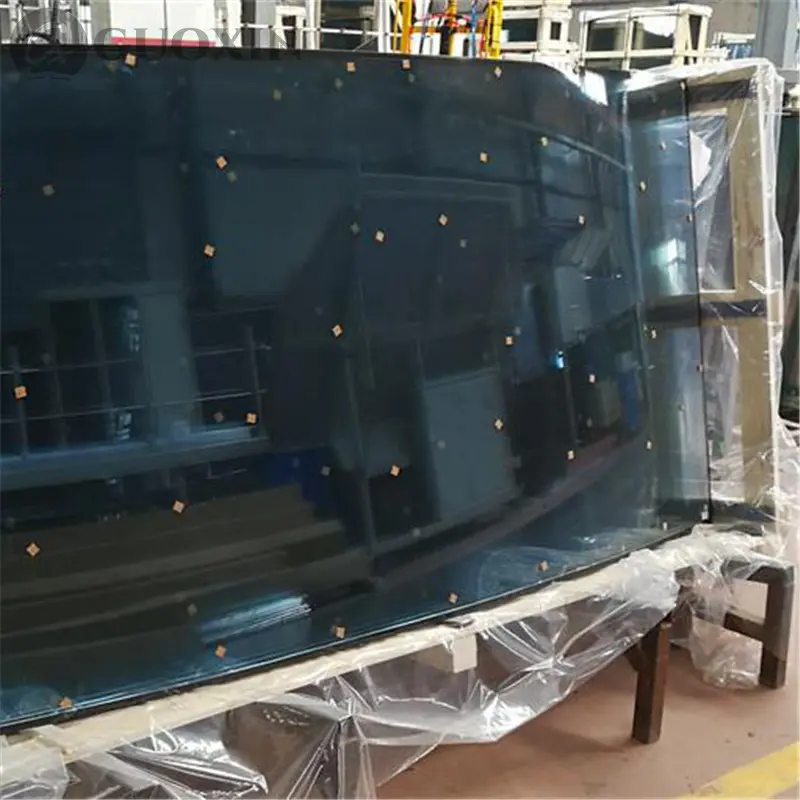
Curved tempered glass is produced by heating flat glass to temperatures above 600°C and then bending it over a mold to achieve the desired curve, followed by rapid cooling to increase its strength.
What thickness options are available for curved tempered glass?
It is available in various thicknesses including 5mm, 6mm, 8mm, 9mm, 10mm, 12mm, 15mm, and 19mm, depending on application and structural requirements.
What is the minimum bending radius for curved tempered glass?
The minimum radius is 1000mm for 5–6mm glass, 1500mm for 8–12mm glass, and 2000mm for 15–19mm glass.
Can curved tempered glass be customized in size and color?
Yes, it is fully customizable. Sizes range from 400mm × 600mm to 5600mm × 2400mm, and various colors or Pantone matching are available.
Is curved tempered glass safe if it breaks?
Yes, it shatters into small, blunt honeycomb-shaped fragments with no sharp edges, significantly reducing the risk of injury.
What are the main applications of curved tempered glass?
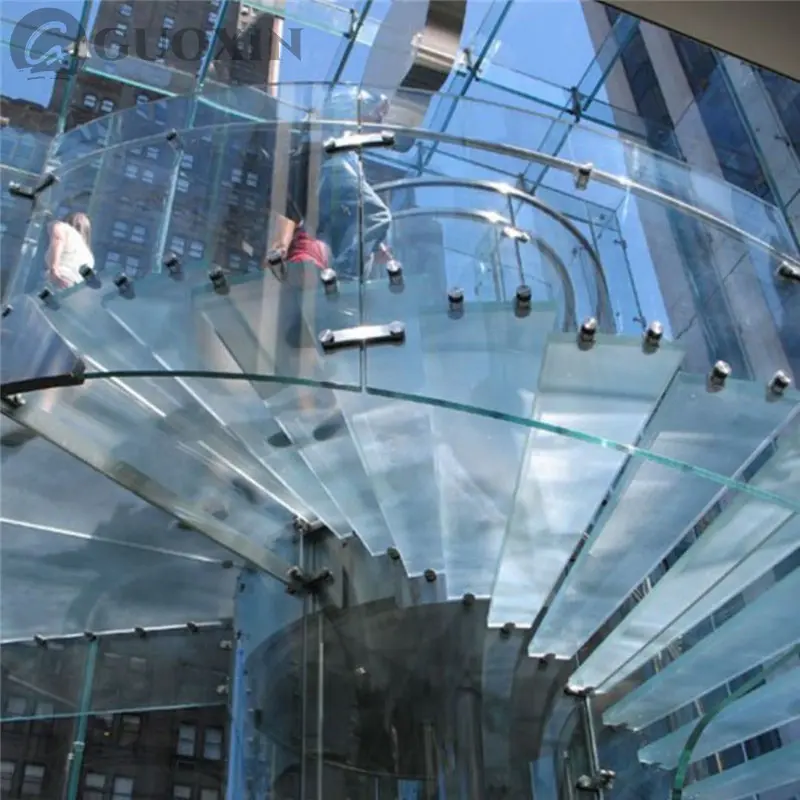
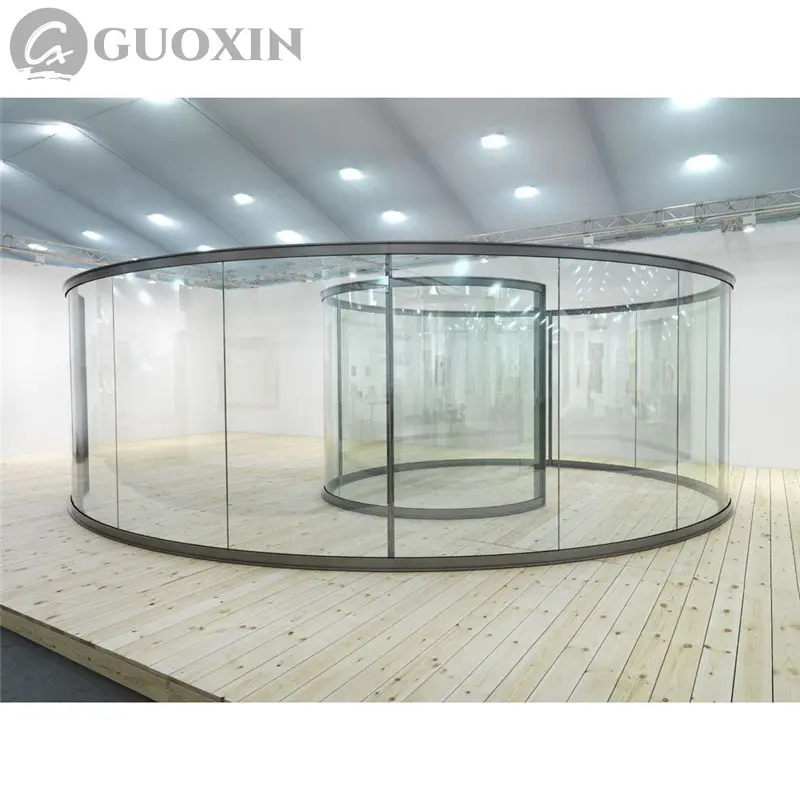
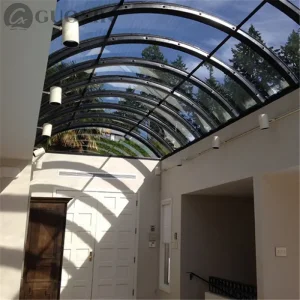
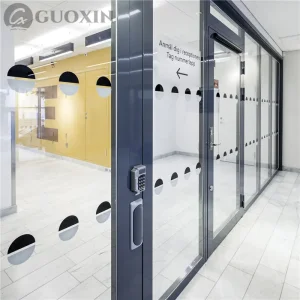
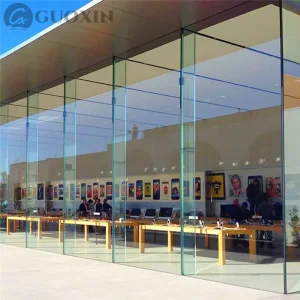
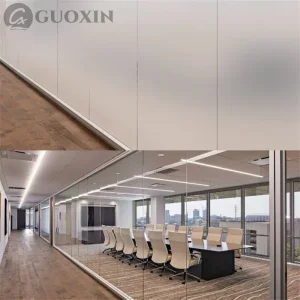
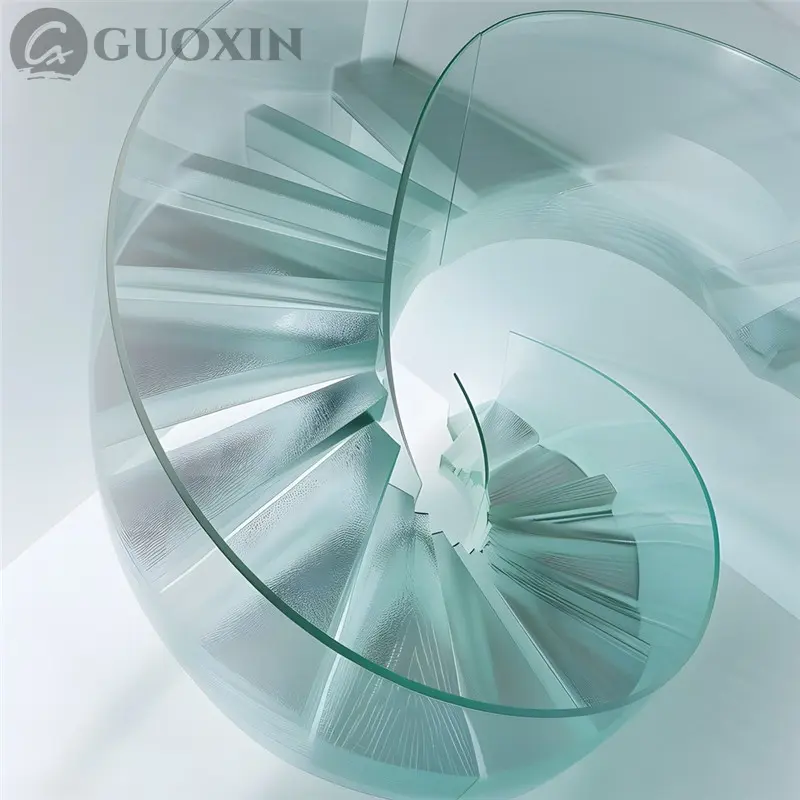
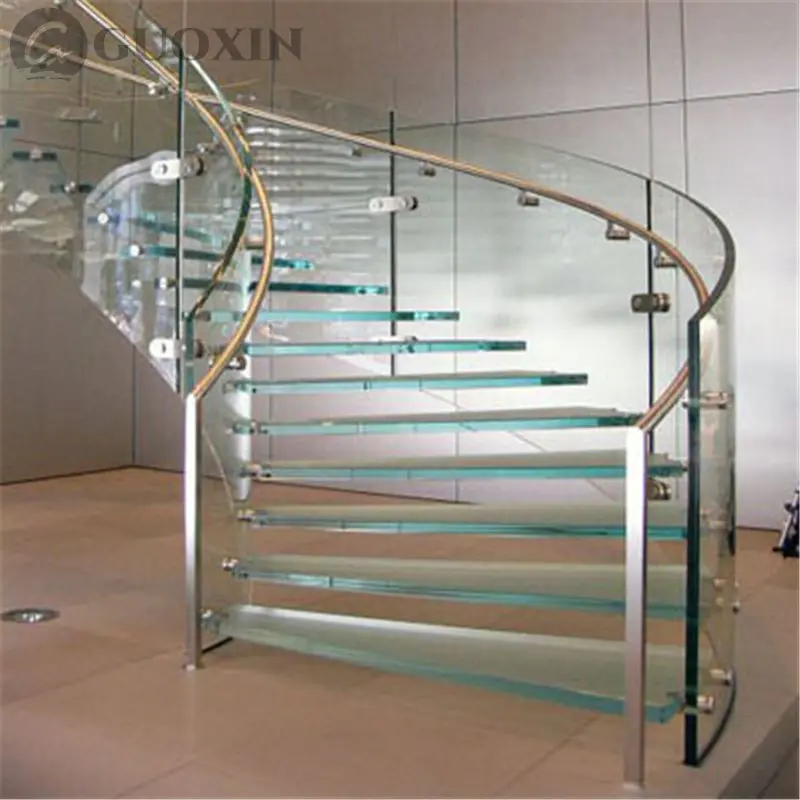
It is used in architectural design for glass walls, ceilings, railings, balustrades, partitions, and custom furniture for both commercial and residential projects.