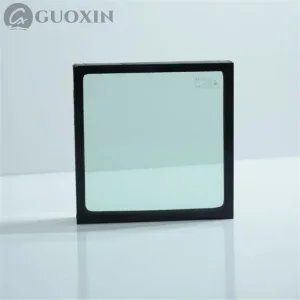
Explore our engineered selection of customizable, high-performance aluminum windows and architectural glass direct from our certified facility.
A trusted brand combining 20 years of glass processing heritage with advanced custom aluminum window systems engineering.
Founded in 2006, Jiangsu Guoxin Glass Co., Ltd. has evolved into a global leader in high-performance fenestration and safety glass fabrication. With two decades of dedicated R&D, structural design, and advanced manufacturing, we provide comprehensive architectural solutions. Our state-of-the-art facility integrates automated CNC aluminum profile milling and structural glass tempering, laminating, and insulating operations under one roof. This allows us to produce dynamic, high-precision products with outstanding energy-efficient characteristics.
Analyzing key structural trends, energy regulations, and engineering advances shaping structural envelope designs.
In modern commercial architecture, the facade is no longer just a structural divider. It is a dynamic envelope responsible for energy management, acoustic control, and aesthetic expression. The shift toward net-zero energy buildings (NZEB) has placed performance demands on manufacturers of aluminum window systems. While aluminum is valued for its strength-to-weight ratio and design flexibility, its natural thermal conductivity requires advanced engineering to prevent energy loss.
Global architectural standards now focus heavily on minimizing carbon footprints. In the EU, green regulations require strict structural thermal resistance values. Similarly, US energy codes require lower U-factor scores for window assemblies. This regulatory environment has made thermally broken aluminum systems, combined with low-emissivity (Low-E) insulated glass, the standard choice for sustainable construction.
Fenestration systems account for a significant portion of a building's heat gain and loss. As a result, developers and structural engineers prioritize window units that lower HVAC demands. Custom aluminum windows featuring multi-cavity thermal isolators and triple-pane glazing offer effective thermal resistance. This design helps minimize structural load while keeping solar heat gain coefficients (SHGC) within green building parameters.
High-strength multi-cavity polyamide strips break the conductivity of aluminum profiles, helping to reduce heat transfer across frames.
Microscopic, metallic oxide layers applied to glass reflect long-wave infrared energy while letting visible light pass through.
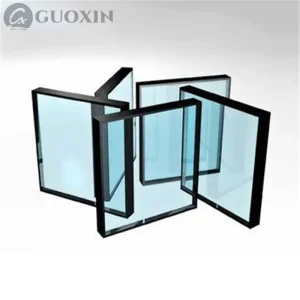
Argon or Krypton gas between insulated glass units (IGUs) slows down convection currents, lowering the window's U-value.
Different regions require specific fenestration properties depending on local climate conditions:
A technical overview of structural components, thermal break design, and advanced glazing integration.
As a leading custom manufacturer, Jiangsu Guoxin Glass Co., Ltd. continuously refines our engineering designs. We integrate advanced glass technologies directly with precision-extruded aluminum frames. Below is our technology roadmap detailing the development of energy-efficient window assemblies.
Using 6063-T5 or T6 architectural-grade aluminum alloys, we manufacture slim-profile frames that support large glass panels while offering high wind-load resistance.
We process tempered, laminated, and triple-pane insulated glass in-house to ensure high structural integrity and tight tolerances for sealants.
Our systems utilize multi-barrier EPDM gaskets and continuous dual-seal technology to prevent air leakage and water infiltration.
By producing both structural glass and framing in-house, we avoid thermal mismatches and ensure that edge seals, gas-fills, and spacer bars match the frame's expansion characteristics. This structural compatibility helps extend the service life of our window units under varied weather conditions.
Explore some of our major projects showcasing structural glazing and energy-efficient building envelopes.
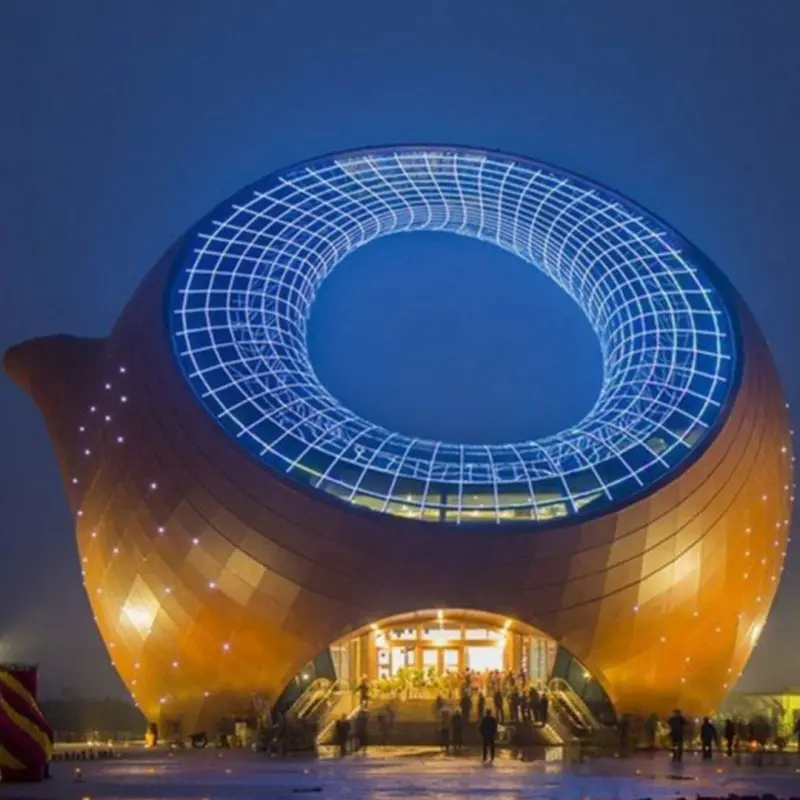
This 38.8-meter-tall dome structure features a curved, double-glazed curtain wall system. It combines custom-shaped laminated glass panel and aluminum framing to create a safe, energy-efficient envelope.
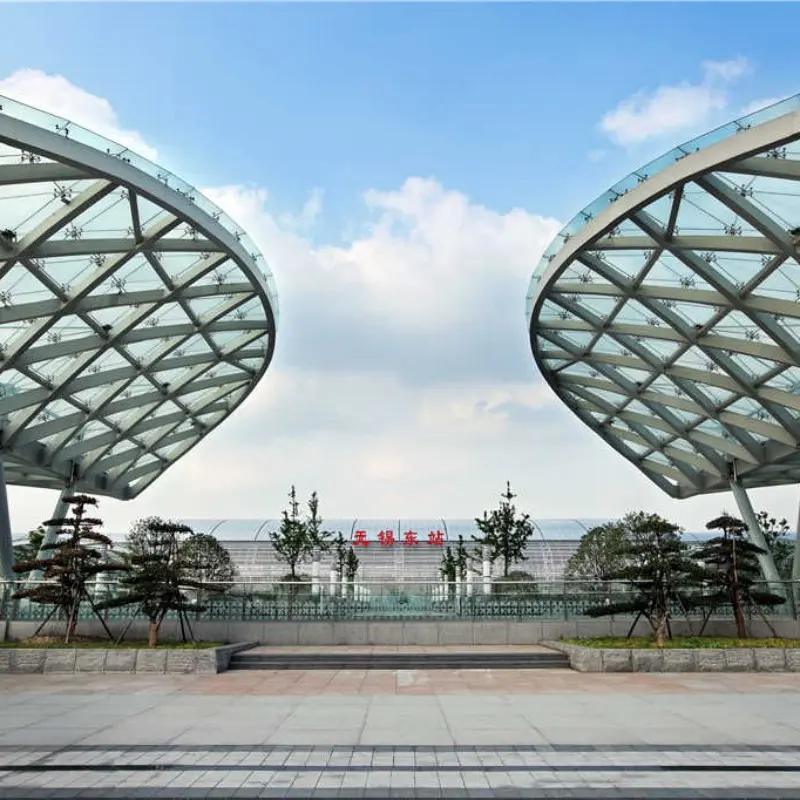
Renovated using thousands of high-strength laminated safety glass panels. The double-sided elevated station layout handles heavy foot traffic while providing natural light and high impact resistance.

Standing 450 meters tall, this tower is a landmark skyscraper. The curtain wall utilizes triple-insulated solar control glass panels, providing thermal insulation and acoustic comfort for its interior spaces.
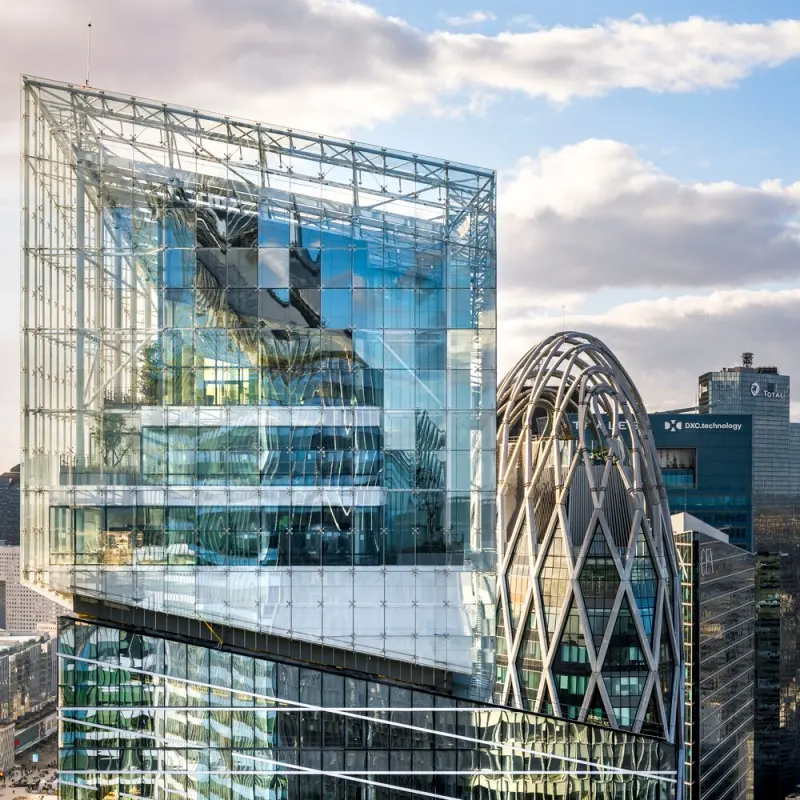
This system integrates predictive daylight algorithms. It coordinates glass tint levels based on sunlight exposure to control glare, reduce artificial lighting needs, and optimize energy use.
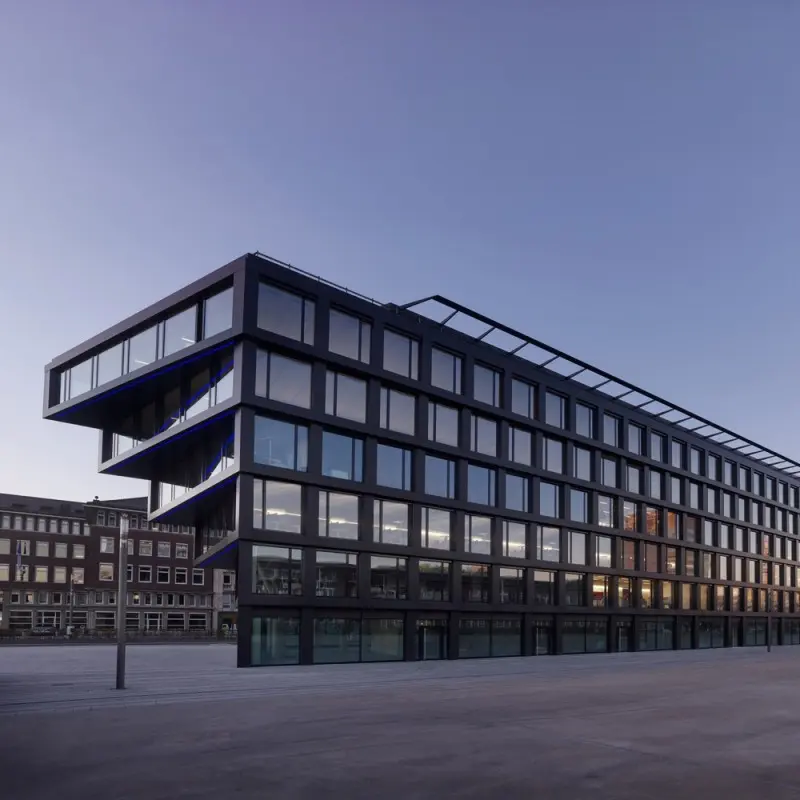
Features high-performance triple-insulated glass panels paired with deep profile thermal breaks. The integrated design delivers solar shading, thermal performance, and clean modern aesthetics.
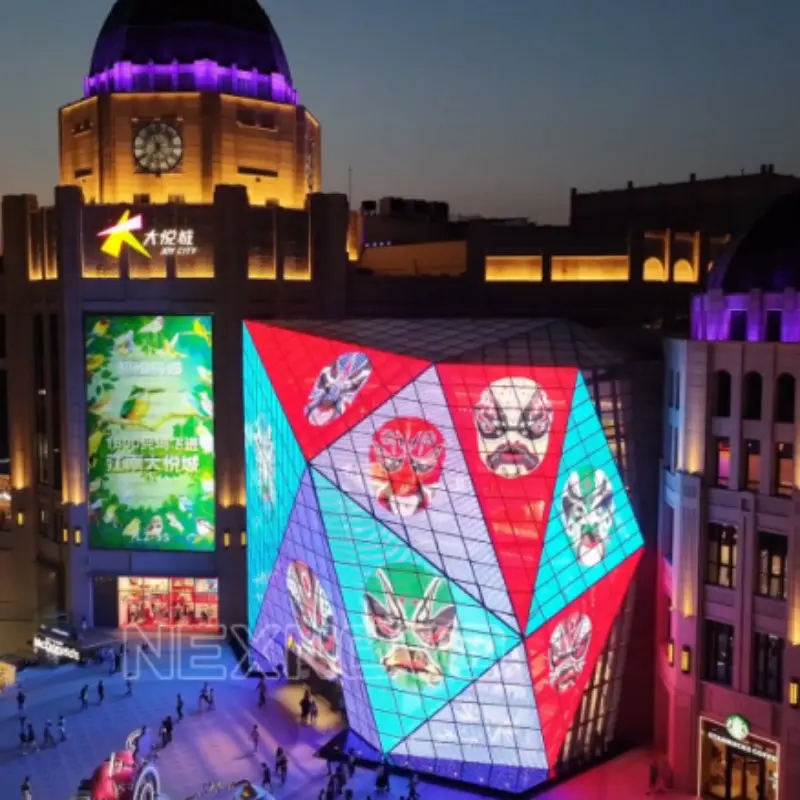
A modern trend center utilizing switchable smart privacy glass. This feature allows the facade to change dynamically, enhancing both building aesthetics and solar control.
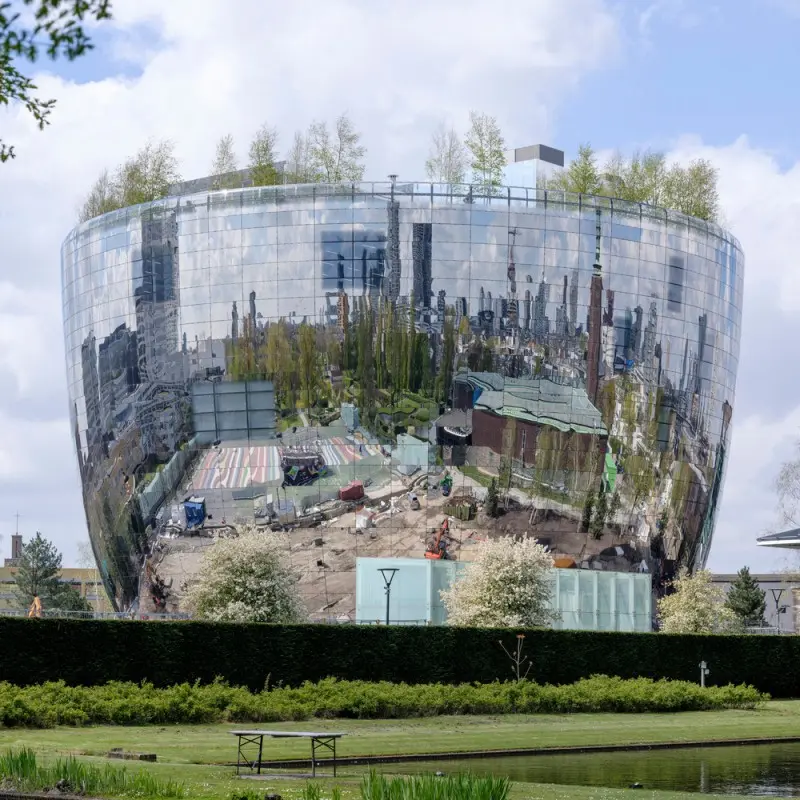
Utilizes large, reflective insulating glass panels to blend the structure with its environment. This design maximizes natural indoor lighting while meeting modern building envelope requirements.
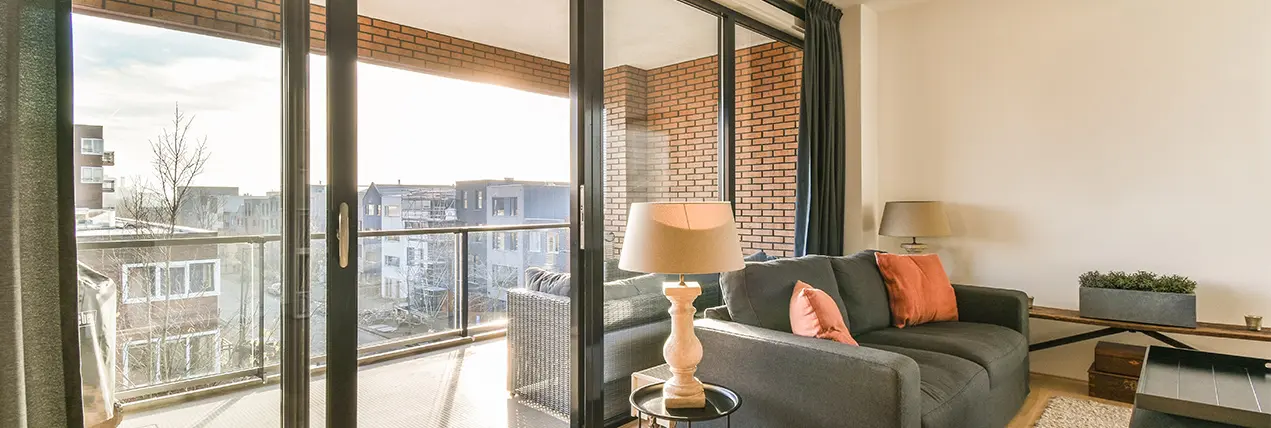


Answers to common questions regarding structural engineering, U-values, and product customization.
Contact our technical team for custom frame profiles, structural glass specifications, thermal performance calculations, and OEM/ODM options.
Contact Us for a Technical ConsultationExplore our full range of specialty safety glass, custom doors, and window designs.
 Guoxin